
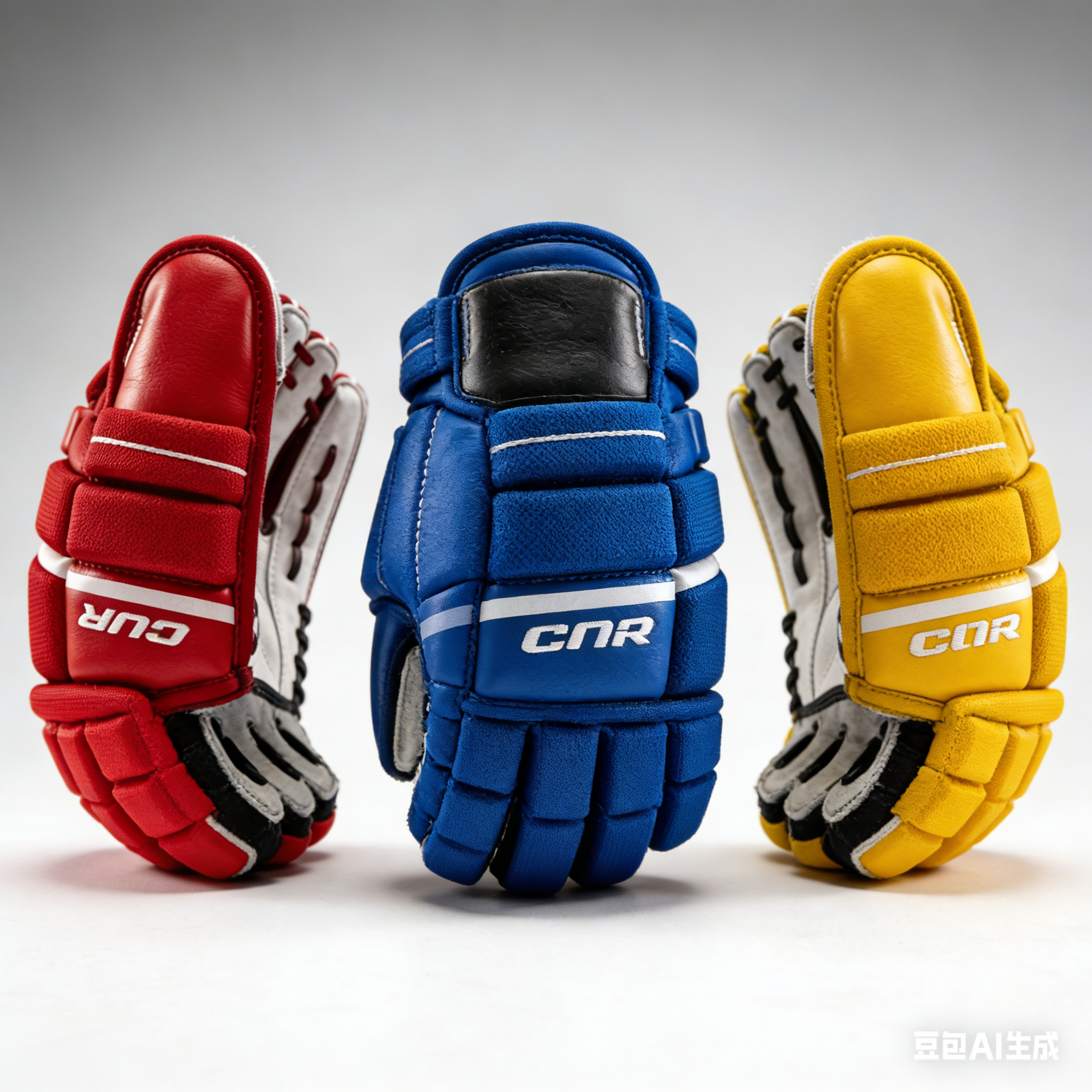
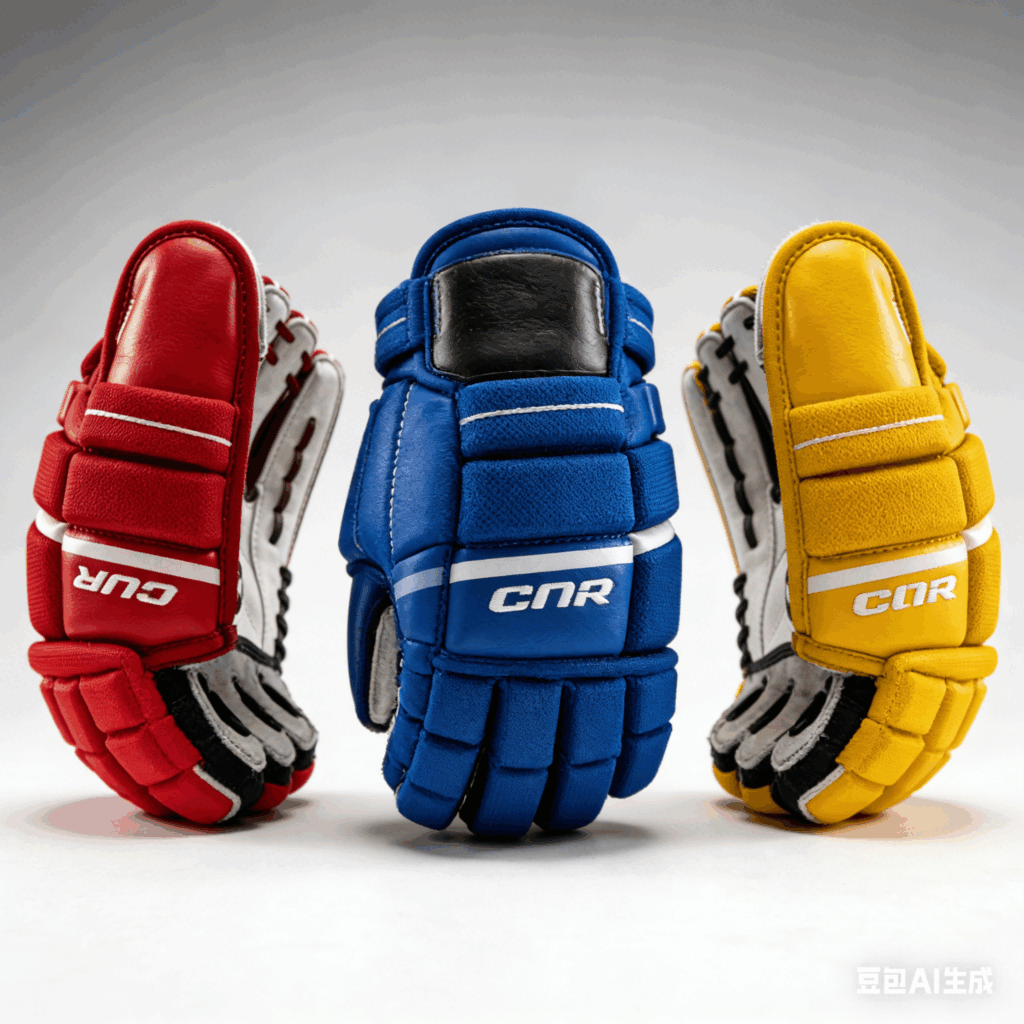


🏒 A Complete Guide to Hockey Gloves – Protection Meets Performance
When it comes to hockey, whether you’re a seasoned pro or a weekend warrior, the right hockey gloves are essential gear. They protect your hands from hard shots, sticks, and collisions — and also help you maintain control of your stick when you’re skating at full speed.
🎯 What Are Hockey Gloves?
Hockey gloves are specially designed protective equipment worn by players during games and practices. Unlike regular gloves, these are built to absorb impact and provide both mobility and cushioning for hands and wrists — vital when you’re handling a puck at high speeds or blocking passes.
High-quality gloves typically feature:
- Durable outer materials such as synthetic leather or reinforced fabrics
- Foam padding to guard fingers and knuckles
- Adjustable wrist cuffs for secure fit and protection
- Comfortable liners that wick away sweat and improve grip on the stick
🧠 How Hockey Gloves Differ from Regular Gloves
Unlike everyday gloves used for warmth or general protection, hockey gloves are engineered for sport-specific functions. They balance protection, stick feel, and flexibility — allowing players to grip the stick without sacrificing safety.
📦 Import Classification & Tariffs (HS Codes)
If you’re importing hockey gloves — for wholesale, retail, or professional distribution — it’s important to understand the Harmonized System (HS) codes and customs duties applied to them. According to trade data for shipments from China to the U.S., hockey gloves may be classified under several possible HS codes, each with different tariff rates:
| HS Code | Description | Tariff Rate |
|---|---|---|
| 6116930500 | Knitted/co-crocheted synthetic hockey gloves | ~27.5% |
| 6116100500 | Coated or laminated knitted hockey gloves | ~20.0% |
| 4203217000 | Special sports gloves of leather/synthetic | ~45.0% |
| 6216000500 | Plastic/rubber coated hockey gloves | ~27.5% |
| 6116992000 | Cotton/man-made fiber sport gloves | ~20.0% |
| 9506992580 | General hockey gloves | ~27.5% |
These codes differ based on materials, construction, and whether the gloves are knitted, coated, leather, or general sports gloves. Knowing the correct classification helps reduce import issues and ensures accurate tariff payment.
⚠️ Note: Some tariff rates change after October 30, 2025 — most categories will see an additional 20% duty. If your shipments occur after that date, check with a customs broker or updated tariff schedule to stay compliant.
🧩 Choosing the Right Gloves
When selecting hockey gloves, consider the following:
- Fit and Comfort
Gloves should fit snugly yet allow finger movement for stick handling. - Level of Play
Beginners may prefer flexible yet affordable models, while high-performance players might choose gloves with advanced padding and lightweight materials. - Material and Protection
Leather or high-end synthetics provide durability, while foam and molded inserts add crucial impact resistance. - Maintenance
Clean and dry gloves after use to prevent odor and extend lifespan.
🏁 Final Thoughts
Hockey gloves are more than just protective gear — they’re a performance tool. From the rink to international trade, understanding both the functional design of hockey gloves and the customs classification behind them can help players, sellers, and importers make smarter decisions.
Whether you’re choosing your next pair for competitive play or importing them for your business, knowing what sets hockey gloves apart is key to staying safe and successful on and off the ice.