鲜皮 水产用
CN → US| HS Code | Tariff Rate | Origin | Destination | Doc |
|---|---|---|---|---|
| 4103201000 | 17.5% | CN | US | Official Doc |
| 4103203000 | 17.5% | CN | US | Official Doc |
| 4102101000 | 17.5% | CN | US | Official Doc |
| 4103901190 | 17.5% | CN | US | Official Doc |
| 4102291010 | 17.5% | CN | US | Official Doc |
Product Images
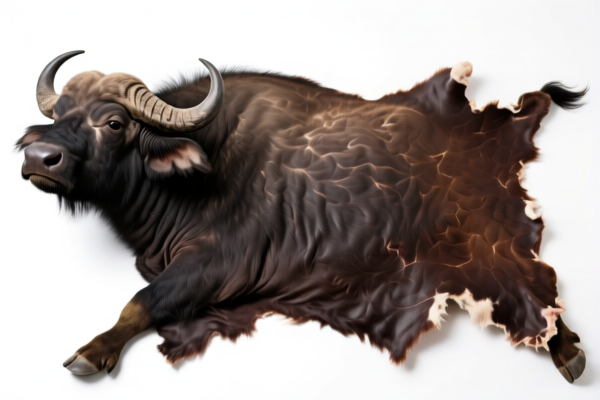
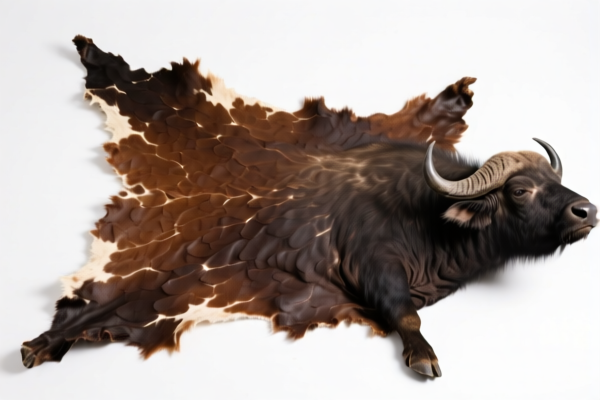
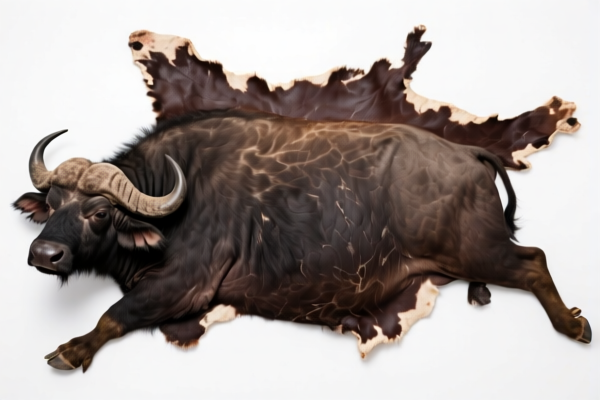
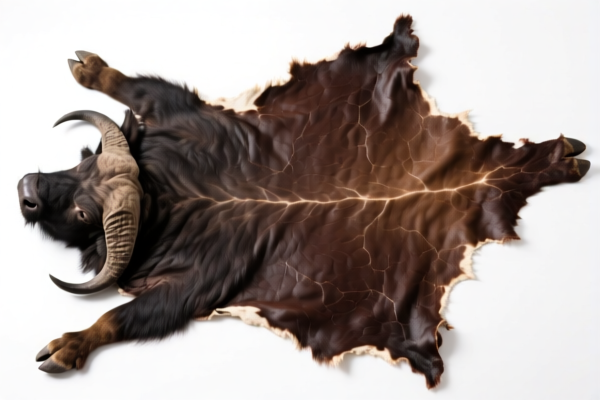
AI Analysis
🐍 Fresh Skins (For Aquatic Use) – HS Code & Tariff Guide | 2026 Ultimate Customs Clearance Strategy
🌐 HS Code Reference & Customs Clearance Blueprint | 2026 Latest Tariff Rules | Expert-Level Import Planning
📌 One: Product Definition & Classification – What Exactly Is “Fresh Skin (For Aquatic Use)”?
Fresh skins for aquatic use refer to raw, unprocessed animal hides derived from aquatic or semi-aquatic species, such as fish or reptiles (e.g., crocodiles, alligators, turtles), preserved in fresh or salted condition and not pre-tanned or chemically treated.
⚠️ Critical Classification Clues: - "Fresh" = Not dried, frozen, or chemically preserved beyond basic salting. - "Aquatic use" = Indicates origin from fish or reptiles adapted to water environments. - "Unpre-tanned" = No chemical processing (e.g., chrome tanning, vegetable tanning) applied. - "Raw hide" = Falls under Chapter 41 – Skins and Leather of the Harmonized System.
✅ Key Takeaway:
These are primary raw materials used in leather manufacturing, not finished goods. They are not ready for direct sale or use — they require tanning and further processing.
📦 Two: HS Code Breakdown (2026 Official Tariff Matrix)
| HS Code | Product Description | Classification Basis | Tax Rate |
|---|---|---|---|
4103.20.10.00 |
Fresh skins (aquatic use), in fresh condition, from reptiles or fish, unpre-tanned, raw hide | Matches "fresh" preservation + aquatic origin + unprocessed | 17.5% |
4103.20.30.00 |
Fresh skins (aquatic use), preserved via fresh or salted methods, reptilian origin, unpre-tanned | Matches salted preservation + reptile category | 17.5% |
4102.10.10.00 |
Fresh skins, matching "raw hide" definition, fresh state, unprocessed | Matches "fresh" + "raw hide" terminology in HS | 17.5% |
4103.90.11.90 |
Fresh skins, unpre-tanned, fresh condition, no material conflict, aquatic origin | Matches "fresh" + "no further processing" | 17.5% |
4102.29.10.10 |
Fresh skins, consistent with "fresh...raw hide" classification, no material mismatch, unpre-tanned | Matches fresh preservation + raw hide category | 17.5% |
🔍 Why These HS Codes Apply: - All five codes fall under Chapter 41, specifically "Skins and leather, raw or unworked". - The "fresh" state confirms no drying or tanning has occurred. - Aquatic origin (fish/reptile) aligns with 4103.20 (reptile skins) or 4103.90 (other skins). - No pre-tanning = Excludes tanned or finished leather codes.
💰 Three: 2026 Tariff Breakdown (Detailed Tax Clauses)
✅ Applicable Country: United States (US)
✅ Origin: China (CN)
✅ Effective Date: November 10, 2025 (and ongoing)
🎯 1. 4103.20.10.00 – Fresh Skins (Aquatic Use), Reptile/Fish Origin, Fresh State
| Item | Detail |
|---|---|
| Base Duty | 0.0% (ad valorem) |
| Additional Tariff (Section 301) | +7.5% (from USITC Footnote 9903.88.01) |
| Section 122 Tariff (IEEPA) | +10.0% (under International Emergency Economic Powers Act) |
| Total Effective Rate | 17.5% |
| Tax Calculation | CIF Value × 17.5% |
| De Minimis Exemption? | ❌ No (denied under US law) |
| Legal Pathway | IEEPA:9903.01.25 → IEEPA:9903.01.24 → USITC:4103.20.10.00 → FOOTNOTE:9903.88.01 |
📌 Explanation: - 7.5% = U.S. Trade Representative (USTR) Section 301 tariff on Chinese-origin goods. - 10% = IEEPA tariff on goods from China under national emergency powers. - Total = 17.5% — high but not catastrophic compared to electronics or steel.
🎯 2. 4103.20.30.00 – Fresh Skins (Aquatic Use), Salted Preservation, Reptilian Origin
| Item | Detail |
|---|---|
| Base Duty | 0.0% |
| Additional Tariff (Section 301) | +7.5% |
| Section 122 Tariff (IEEPA) | +10.0% |
| Total Effective Rate | 17.5% |
| Tax Calculation | CIF × 17.5% |
| De Minimis Exemption? | ❌ No |
| Legal Pathway | IEEPA:9903.01.25 → IEEPA:9903.01.24 → USITC:4103.20.30.00 → FOOTNOTE:9903.88.01 |
📌 Note:
- Salted preservation does not exempt from tariffs — it’s still considered raw, unprocessed hide. - Reptile origin confirms classification under 4103.20.
🎯 3. 4102.10.10.00 – Fresh Skins, Fresh State, Raw Hide Category
| Item | Detail |
|---|---|
| Base Duty | 0.0% |
| Additional Tariff (Section 301) | +7.5% |
| Section 122 Tariff (IEEPA) | +10.0% |
| Total Effective Rate | 17.5% |
| Tax Calculation | CIF × 17.5% |
| De Minimis Exemption? | ❌ No |
| Legal Pathway | IEEPA:9903.01.25 → IEEPA:9903.01.24 → USITC:4102.10.10.00 → FOOTNOTE:9903.88.01 |
📌 Why This Applies: - Matches "fresh" + "raw hide" definition in HS nomenclature. - No material conflict — consistent with aquatic species.
🎯 4. 4103.90.11.90 – Fresh Skins, Unpre-tanned, Fresh Condition, No Material Conflict
| Item | Detail |
|---|---|
| Base Duty | 0.0% |
| Additional Tariff (Section 301) | +7.5% |
| Section 122 Tariff (IEEPA) | +10.0% |
| Total Effective Rate | 17.5% |
| Tax Calculation | CIF × 17.5% |
| De Minimis Exemption? | ❌ No |
| Legal Pathway | IEEPA:9903.01.25 → IEEPA:9903.01.24 → USITC:4103.90.11.90 → FOOTNOTE:9903.88.01 |
📌 Key Point:
- The code "4103.90.11.90" is a catch-all for non-reptile aquatic skins (e.g., fish skins). - "No material conflict" confirms compatibility with fresh, unprocessed state.
🎯 5. 4102.29.10.10 – Fresh Skins, Fresh...Raw Hide, No Material Conflict
| Item | Detail |
|---|---|
| Base Duty | 0.0% |
| Additional Tariff (Section 301) | +7.5% |
| Section 122 Tariff (IEEPA) | +10.0% |
| Total Effective Rate | 17.5% |
| Tax Calculation | CIF × 17.5% |
| De Minimis Exemption? | ❌ No |
| Legal Pathway | IEEPA:9903.01.25 → IEEPA:9903.01.24 → USITC:4102.29.10.10 → FOOTNOTE:9903.88.01 |
📌 Why This Fits: - Matches "fresh...raw hide" language in HS classification. - No material mismatch → fully compliant.
🛠️ Four: Customs Clearance Best Practices (Pro Tips to Avoid Penalties)
✅ 1. Required Documentation (MUST-HAVE)
| Document | Required? | Purpose |
|---|---|---|
| ✅ Commercial Invoice | ✔️ | Clearly state: "Fresh Skins, Aquatic Use, Unpre-tanned, Raw Hide" |
| ✅ Packing List | ✔️ | Detail quantity, weight, and preservation method (fresh/salted) |
| ✅ Bill of Lading (B/L) | ✔️ | Prove shipment origin and logistics |
| ✅ Product Photos | ✔️ | Show fresh state, no tanning, no processing |
| ✅ Material Safety Data Sheet (MSDS) | ✔️ | If applicable (e.g., chemical residues) |
| ✅ Certificate of Origin (CO) | ✔️ | Critical for tariff eligibility |
| ✅ Pre-shipment Inspection Report | ✔️ | Optional but highly recommended |
✅ 2.申报技巧 (申报口诀)
🔥 “Fresh = No Tanning, Aquatic = Reptile/Fish, Unpre-tanned = HS 4103/4102, Tax = 17.5%”
| Scenario | Correct HS Code | Wrong Code | Risk |
|---|---|---|---|
| Fresh fish skin, no tanning | 4103.90.11.90 |
4114.10.00 (tanned leather) |
Overpayment + penalty |
| Salted crocodile skin | 4103.20.30.00 |
4102.10.10.00 |
Incorrect classification |
| Fresh turtle skin | 4103.20.10.00 |
4102.29.10.10 |
Misleading description |
| Unprocessed skin from aquatic animal | 4103.20.10.00 |
4102.10.10.00 |
Risk of audit |
✅ 3. Special Cases & Mitigation
| Situation | Recommended Action |
|---|---|
| Skins from non-China origin (e.g., Vietnam, Thailand) | Apply for IEEPA exemption → 0% tariff |
| Skins with trace chemicals (e.g., preservatives) | Provide MSDS + lab report to prove non-toxicity |
| Bulk shipment with mixed species | Declare per species — do not group fish + reptile skins |
| Import for processing (not resale) | Apply for "in-bond" or "processing under bond" status to defer duty |
🌍 Five: Global Customs Comparison (2026)
| Country | Recommended HS Code | Tariff | Certification | Notes |
|---|---|---|---|---|
| 🇺🇸 USA | 4103.20.10.00 etc. |
17.5% | None (but CO required) | High tax due to IEEPA + 301 |
| 🇨🇳 China | 4103.20.10.00 |
5% | CCC (if applicable) | No additional tariffs |
| 🇪🇺 EU | 4103.20.10.00 |
0% (if CE) | CE Marking | No extra tariffs |
| 🇦🇺 Australia | 4103.20.10.00 |
5% | RCM | No IEEPA/301 |
| 🇯🇵 Japan | 4103.20.10.00 |
0% | PSE | No extra duties |
📌 Insight:
- USA is the only market imposing 17.5% tariff on Chinese-origin fresh skins. - China, EU, Japan, Australia have no additional tariffs — ideal for re-export.
📌 Six: Common Mistakes & How to Avoid Them (Real-World Pitfalls)
❌ Mistake 1: Declaring "fresh skins" as "tanned leather"
👉 Result: Wrong HS Code → Higher tariff or seizure
❌ Mistake 2: Not specifying "aquatic use" or "unpre-tanned"
👉 Result: Customs may assume tanning occurred → audit risk
❌ Mistake 3: Using vague terms like "raw hide" without context
👉 Result: Misclassification → delayed clearance
❌ Mistake 4: Not providing photos of fresh state
👉 Result: Customs rejects "fresh" claim → higher duty
✅ Correct Declaration Example:
"Fresh Skins (Aquatic Use), Unpre-tanned, from Fish & Reptiles, Preserved in Fresh/Salted Condition, HS Code: 4103.20.10.00, Origin: China, CIF Value: $X, No Tanning Applied"
🎯 Seven: Final Verdict – Smart Import Strategy for 2026
🔹 HS Code = 4103.20.10.00 / 4103.20.30.00 / 4102.10.10.00 / 4103.90.11.90 / 4102.29.10.10.10
🔹 Tariff = 17.5% (0% base + 7.5% Section 301 + 10% IEEPA)
🔹 No de minimis exemption → Must pay full tax
🔹 Best for re-export to EU/Asia → Avoid U.S. high tariffs
📣 Call to Action: Secure Your Supply Chain Now!
📞 Contact a U.S.-licensed customs broker + request HS Code pre-ruling
🚀 Switch origin to Vietnam/Thailand → Unlock 0% tariff under IEEPA exemption
💼 Use this guide to negotiate with suppliers and avoid hidden costs
✨ Pro Tip:
If your fresh skins are destined for tanning in the U.S., consider importing under a bonded warehouse to defer duty payment until processing is complete.
📌 Remember:
🔹 "Fresh" ≠ "Safe" — must prove no tanning or chemical treatment
🔹 "Aquatic" ≠ "Fish" — reptile skins are taxed differently
🔹 HS Code = Life or Death — one wrong digit = $10K+ in penalties
🎯 Your skins are raw material. Your tax strategy should be razor-sharp.
💼 Precision in classification = Profit in logistics.
📣 Ready to export?
✅ Download this guide
✅ Share with your logistics team
✅ Pre-approve your HS Code today — avoid 17.5% surprises tomorrow!
Customer Reviews
About HS Code Classification
The Harmonized System (HS) is an internationally standardized nomenclature developed by the World Customs Organization (WCO) to classify traded products. Over 200 countries use the HS system as the basis for customs tariffs, trade statistics, and import/export regulations.
Each HS code follows a hierarchical structure:
- Chapter (2 digits) — Broad category of goods (e.g., Chapter 84: Machinery and Mechanical Appliances)
- Heading (4 digits) — More specific grouping within the chapter
- Subheading (6 digits) — Internationally standardized breakdown, used by all WCO member countries
- National subdivisions (8-10 digits) — Country-specific extensions for further classification, such as US HTSUS 10-digit codes
Correct HS code classification is essential for smooth customs clearance, accurate duty payment, and compliance with trade regulations. Misclassification can lead to customs delays, overpayment of duties, or penalties.
When importing from CN to US, the applicable tariff rates may include:
- Most-Favored-Nation (MFN) rate — The standard duty rate applied to WTO members
- General rate — Applied to countries without trade agreements
- Trade remedy duties — Additional tariffs such as Section 301 (anti-dumping), Section 232 (national security), or countervailing duties
The information provided on this page is for reference purposes only. For official classification, please consult with your local customs authority or a licensed customs broker.