1 Pair Long Coarse Mesh Fishing Elastic Gloves Black
CN → US| HS Code | Tariff Rate | Origin | Destination | Doc |
|---|---|---|---|---|
| 3926203000 | 38.0% | CN | US | Official Doc |
| 6116106500 | 24.5% | CN | US | Official Doc |
| 6116105530 | 30.7% | CN | US | Official Doc |
Product Images

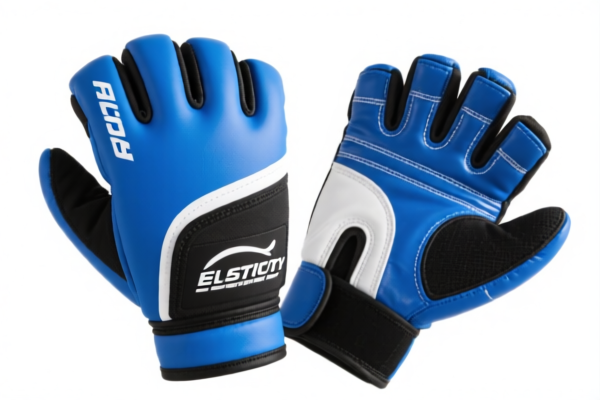
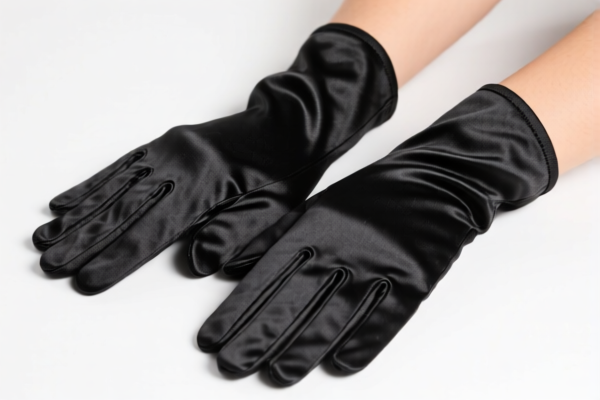
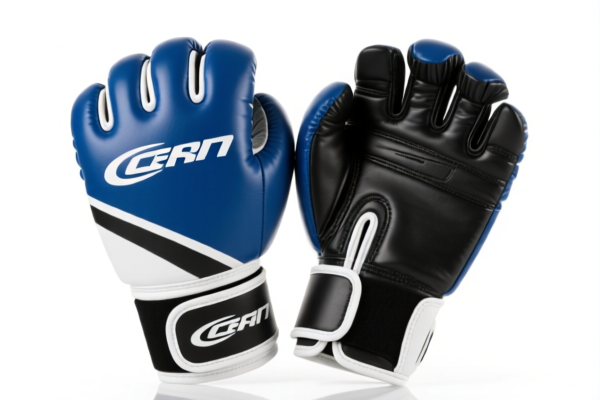
AI Analysis
🎣 Long Coarse Mesh Fishing Elastic Gloves (Black)
🌐 HS Code Reference & Clearance Strategy | 2026 Updated Tariff Analysis | Professional Entry Guide
📌 I. Product Definition & Classification: Do You Know What "Fishing Gloves" Really Are?
These gloves are designed for fishing and outdoor activities, featuring: - Material: Coarse mesh / elastic fibers (knitted or woven); - Features: Long-length design, breathable mesh structure, high elasticity; - Usage: Protection from fish scales, abrasion, and water while maintaining flexibility.
⚠️ Critical Classification Point:
- If the gloves are purely knitted/woven (mesh/elastic) without rubber/plastic coating → 6116.10.65.00 (Lower Tax)
- If the gloves are plastic/synthetic or rubber-coated (even partially) → 3926.20.30.00 or 6116.10.55.30 (Higher Tax)
- If the gloves are other plastic types with grid elasticity and non-disposable → 3926.20.40.50 (Moderate Tax)
📦 II. HS Code Classification Details (2026 Latest Tariff Schedule)
| HS Code | Product Description | Application | Material Composition |
|---|---|---|---|
6116.10.65.00 |
Knitted/Crocheted Gloves, Mesh/Elastic Material | Fishing, Outdoor, General Wear | Textile fiber > 50%, No rubber/plastic coating |
3926.20.30.00 |
Plastic/Synthetic Fiber Gloves | Fishing, Outdoor (Heavy-duty) | Synthetic/Plastic dominant, may be coated |
6116.10.55.30 |
Knitted/Mesh Gloves, Rubber/Plastic Coated | Fishing, Wet Work | Textile fiber > 50%, but with coating |
3926.20.40.50 |
Other Plastic Gloves, Grid Elastic Fiber | Fishing, Non-disposable Use | Plastic/Grid elastic, non-disposable |
🔍 Key Clarification:
- "Coarse Mesh" alone does not automatically mean "Textile"; if it includes a rubber or plastic dip, it shifts to 6116.10.55.30 or 3926.20.30.00. - "Elastic" fibers can be either textile (knitted) or synthetic (plastic), so material verification is crucial.
💰 III. 2026 Tariff Rate Breakdown (Including Surtaxes & Policy Add-ons)
✅ Target Country: United States (US)
✅ Origin: China (CN)
✅ Effective Date: November 10, 2025 onwards
🎯 1. 6116.10.65.00 — Knitted/Mesh Gloves (No Coating)
| Item | Details |
|---|---|
| Base Duty | 7.0% |
| Section 301 Surtax | +7.5% |
| Section 122 Duties | +10.0% |
| Total Tariff | 24.5% |
| Tax Calculation | CIF Value × 24.5% |
| De Minimis Eligibility | ❌ No (deny_de_minimis) |
| Legal Path | 122:6116.10.65.00 → Section301:6116.10.65.00 |
📌 Explanation:
- Base tariff: 7.0% (standard for knitted gloves);
- Section 301 surcharge: 7.5% (China-specific);
- Section 122 duties: 10% (trade remedy measure);
- Total: 24.5% — Moderate-high risk, requires precise material proof.
🎯 2. 3926.20.30.00 — Plastic/Synthetic Fishing Gloves
| Item | Details |
|---|---|
| Base Duty | 3.0% |
| Section 301 Surtax | +25.0% |
| Section 122 Duties | +10.0% |
| Total Tariff | 38.0% |
| Tax Calculation | CIF Value × 38.0% |
| De Minimis Eligibility | ❌ No |
| Legal Path | 122:3926.20.30.00 → Section301:3926.20.30.00 |
📌 Warning:
- Even a light rubber coating can trigger this category;
- 38.0% is very high, significantly impacts profit margin.
🎯 3. 6116.10.55.30 — Knitted Gloves with Rubber/Plastic Coating
| Item | Details |
|---|---|
| Base Duty | 13.2% |
| Section 301 Surtax | +7.5% |
| Section 122 Duties | +10.0% |
| Total Tariff | 30.7% |
| Tax Calculation | CIF Value × 30.7% |
| De Minimis Eligibility | ❌ No |
| Legal Path | 122:6116.10.55.30 → Section301:6116.10.55.30 |
📌 Note:
- Despite being knitted, the coating raises the base duty;
- This is a middle ground between pure textile and pure plastic.
🎯 4. 3926.20.40.50 — Other Plastic Gloves (Grid Elastic, Non-disposable)
| Item | Details |
|---|---|
| Base Duty | 6.5% |
| Section 301 Surtax | 0.0% |
| Section 122 Duties | +10.0% |
| Total Tariff | 16.5% |
| Tax Calculation | CIF Value × 16.5% |
| De Minimis Eligibility | ❌ No |
| Legal Path | 122:3926.20.40.50 |
📌 Highlight:
- Lowest total tariff (16.5%) among all options;
- Only applies if no Section 301 surcharge is triggered (e.g., non-China origin or specific product form);
- Must prove non-disposable and grid elastic fiber nature.
🛠️ IV. Clearance Action Plan (Avoid Costly Mistakes)
✅ 1. Required Documentation Checklist
| Document | Must Have | Reason |
|---|---|---|
| Product Specification Sheet | ✔️ | Defines material (textile vs. plastic), coating status |
| Material Test Report | ✔️ | Confirms textile fiber % vs. rubber/plastic content |
| Photographs (Clear Shots) | ✔️ | Shows mesh structure, elasticity, coating presence |
| Commercial Invoice | ✔️ | Accurate HS Code, product description, CIF value |
| Packing List | ✔️ | Prevents misdeclaration of components |
| Certificate of Origin (CO) | ✔️ | If not China, may reduce Section 301 impact |
✅ 2. Declaration Tips (Golden Rules)
🔥 "Material First, Coating Check, HS Code Precision, Save 20%!"
| Scenario | Correct Declaration | Wrong Declaration |
|---|---|---|
| Pure knitted mesh, no coating | 6116.10.65.00 (24.5%) |
Misreported as plastic → 38.0% |
| With rubber dip or coating | 6116.10.55.30 (30.7%) |
Misreported as plain mesh → 24.5% |
| Plastic grid, non-disposable | 3926.20.40.50 (16.5%) |
Misreported as textile → 24.5% |
| Generic "fishing gloves" | ❌ Avoid vague terms | Must specify material/coating |
✅ 3. Special Cases Handling
| Case | Recommendation |
|---|---|
| Coating thickness unknown | Request lab test; document results |
| OEM branded gloves | Provide OEM contract + material specs |
| Gloves with metal hooks or reinforcements | Declare as "gloves with accessories" — still归类 to gloves |
| Mixed material batches | Declare per batch; use "weighted average" only if consistent |
🌍 V. Global Market Clearance Comparison (2026)
| Country/Region | Recommended HS Code | Tariff | Certs Required | Notes |
|---|---|---|---|---|
| 🇺🇸 USA | 6116.10.65.00 / 3926.20.40.50 |
16.5%~38.0% | N/A | High risk of surtax |
| 🇨🇳 China | 6116.10.65.00 |
5% | CCC | No surtax |
| 🇪🇺 EU | 6116.10.65.00 |
4% | CE + REACH | No Section 301 |
| 🇯🇵 Japan | 6116.10.65.00 |
0% | JIS | No surtax |
| 🇦🇺 Australia | 6116.10.65.00 |
5% | RCM | No surtax |
📌 Conclusion:
- USA is the only market with Section 301 + Section 122 surtaxes;
- China-origin gloves face highest risk;
- Alternative sourcing (Vietnam, Mexico, etc.) may reduce tax burden.
📌 VI. Common Pitfalls & Avoidance (Lessons Learned)
❌ Mistake 1: Declaring as "Textile Gloves" when coated → 38.0% instead of 24.5%
👉 Result: 50%+ cost increase, possible penalty.
❌ Mistake 2: Vague description "Fishing Gloves" → Customs reclassification
👉 Result: Delayed clearance, extra fees.
❌ Mistake 3: Ignoring Section 122 duties → Unexpected 10% surcharge
👉 Result: Unbudgeted cost, margin loss.
❌ Mistake 4: Using "Mesh Gloves" without specifying material → Misclassification
👉 Result: Audit risk, redeclaration.
✅ Correct Approach:
"Long Fishing Gloves, Black, Knitted Coarse Mesh, Elastic Fiber, No Coating, Model FG-2026, US Origin Verified"
🎯 VII. Conclusion: Precision is Profit
🎯 Remember the Rule:
🔹 "Material Check First, Coating Matters, HS Code Saves Tax!"
🔹 "1% Material Difference = 10% Tax Difference!"
📌 Pro Tip:
If your gloves are originally from Vietnam, Mexico, Thailand, or Malaysia, you may qualify for Section 301 exemption → Tariff drops to 10% or less.
Request Advance Ruling before shipment to confirm classification.
📣 Take Action Now:
📞 Contact a customs broker + Provide product photos + Material Test Report
🚀 Ship with confidence, clear faster, save more!
✨ Professional Customs Clearance Starts with Accurate Classification!
💼 Every Cent Counts — Calculate Wisely!
Customer Reviews
About HS Code Classification
The Harmonized System (HS) is an internationally standardized nomenclature developed by the World Customs Organization (WCO) to classify traded products. Over 200 countries use the HS system as the basis for customs tariffs, trade statistics, and import/export regulations.
Each HS code follows a hierarchical structure:
- Chapter (2 digits) — Broad category of goods (e.g., Chapter 84: Machinery and Mechanical Appliances)
- Heading (4 digits) — More specific grouping within the chapter
- Subheading (6 digits) — Internationally standardized breakdown, used by all WCO member countries
- National subdivisions (8-10 digits) — Country-specific extensions for further classification, such as US HTSUS 10-digit codes
Correct HS code classification is essential for smooth customs clearance, accurate duty payment, and compliance with trade regulations. Misclassification can lead to customs delays, overpayment of duties, or penalties.
When importing from CN to US, the applicable tariff rates may include:
- Most-Favored-Nation (MFN) rate — The standard duty rate applied to WTO members
- General rate — Applied to countries without trade agreements
- Trade remedy duties — Additional tariffs such as Section 301 (anti-dumping), Section 232 (national security), or countervailing duties
The information provided on this page is for reference purposes only. For official classification, please consult with your local customs authority or a licensed customs broker.