10 sets of bicycle hose olive inserts
CN → US| HS Code | Tariff Rate | Origin | Destination | Doc |
|---|---|---|---|---|
| 3917400095 | 40.3% | CN | US | Official Doc |
| 7326902500 | 85.0% | CN | US | Official Doc |
| 7326908688 | 87.9% | CN | US | Official Doc |
| 3917400010 | 40.3% | CN | US | Official Doc |
Product Images
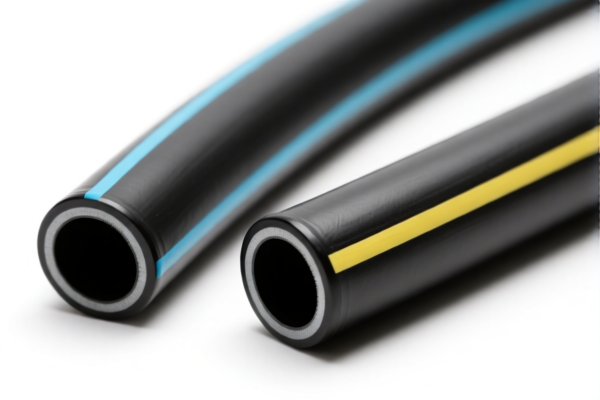
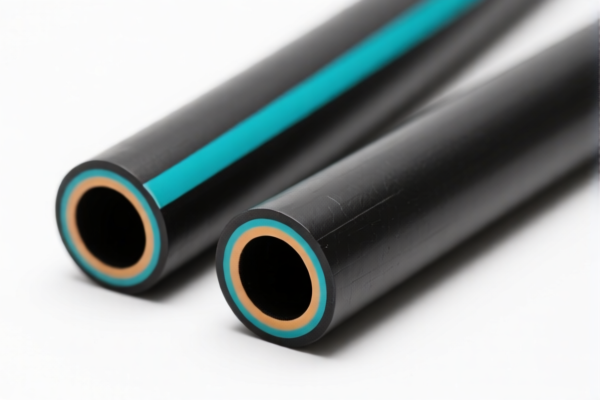
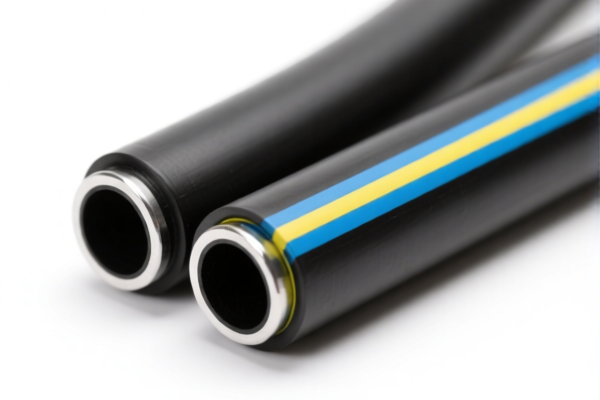
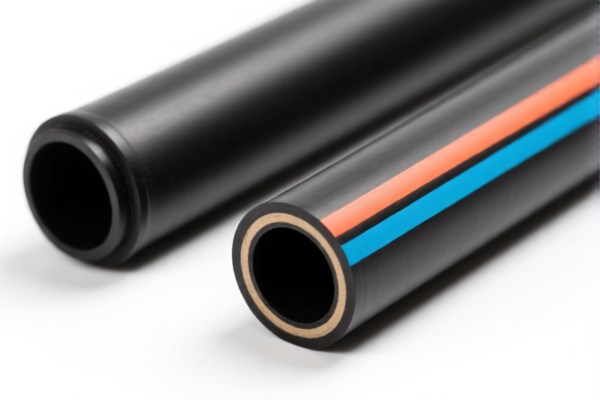
AI Analysis
🚴♂️ 10 Sets of Bicycle Hose Olive Inserts
🌐 HS Code Reference & Customs Clearance Guide | 2026 Latest Tariff Analysis | Professional-Level Clearance Strategy
📌 I. Product Definition and Classification: What Exactly Are "Olive Inserts"?
Bicycle hose olive inserts (often called "ferrules" or "compression fittings") are critical components in hydraulic brake and derailleur systems. They serve as the connection interface between the metal hose (or tube) and the fitting, ensuring a leak-proof seal under high pressure.
In international trade, their classification depends heavily on material composition and structural form:
1. Plastic/Composite Insulators or Liners:
If the "olive" is primarily a plastic bushing, liner, or insulator used to protect the hose or fit into a plastic housing, it is classified under Chapter 39 (Plastics).
2. Metal Ferrules/Compression Nuts:
If the component is a metal sleeve (steel, aluminum, or copper alloy) that is crimped or compressed to form the seal, it is classified under Chapter 73 (Articles of Iron or Steel) or similar metal chapters.
⚠️ Key Distinction Point:
- If the item is a plastic/insulating liner inside the metal fitting → HS 3917.40.00.10
- If the item is a metal olive/ferrule itself → HS 7326.90.25.00 or 7326.90.86.88
📦 II. HS Code Classification Details (2026 Latest Tariff Authority Mapping)
Based on the provided data for "Bicycle Hose Olive Inserts," here is the breakdown by material and structure:
| HS Code | Product Description | Material | Application Scenario | Tax Rate (Total) |
|---|---|---|---|---|
3917.40.00.10 |
Olive-type clamp/liner; pipe fitting accessory | Plastic or Composite | Plastic liners, insulating sleeves, or composite fittings for brake hoses | 40.3% |
7326.90.25.00 |
Olive-shaped crimping part for brake oil hose | Metal (Steel/Aluminum/Copper) | Metal ferrules used in hydraulic brake systems | 85.0% |
7326.90.86.88 |
Oil pressure hose adapter accessory | Metal (Aluminum/Steel) | General metal fittings, adapters, or complex metal parts for hydraulic systems | 87.9% |
🔍 Note on Material Impact:
- Plastic/Composite items fall under HS 3917 (Plastic pipes, tubes, and hoses).
- Metal items fall under HS 7326 (Other articles of iron or steel).
- Copper items are subject to an additional 50% surcharge if they fall under specific metal categories.
💰 III. 2026 Latest Tariff Rate Detailed Breakdown (Including Additional Duties)
✅ Applicable Country: United States (US)
✅ Origin: China (CN)
✅ Effective Time: Current US-China trade measures (Section 301, Section 122, IEEPA)
🎯 1. 3917.40.00.10 —— Plastic/Composite Olive Liner (Pipe Fitting)
| Item | Content |
|---|---|
| Base Tariff | 5.3% (MFN Rate) |
| Section 301 Surcharge | +25.0% (USITC Footnote 9903.88.01) |
| Section 122 Surcharge | +10.0% (Additional duty on Chinese goods) |
| IEEPA Surcharge | Not explicitly listed in data, but base total is 40.3% |
| Total Tariff Rate | 40.3% |
| Tax Calculation | CIF Value × 40.3% |
| De Minimis Exemption | ❌ No (Subject to high tariffs, de minimis does not apply to surcharged goods) |
| Legal Basis Path | MFN: 5.3% → Section 301: 25.0% → Section 122: 10.0% → Total: 40.3% |
📌 Explanation:
- Even though it is a plastic part, its use as a "pipe fitting accessory" keeps it in Chapter 39.
- However, it is still subject to Section 301 (25%) and Section 122 (10%) surcharges due to Chinese origin.
- Total Cost Impact: High. A $100 shipment incurs $40.30 in duties alone.
🎯 2. 7326.90.25.00 —— Metal Olive Crimping Part (Steel/Aluminum/Copper)
| Item | Content |
|---|---|
| Base Tariff | 0.0% |
| Section 301 Surcharge | +25.0% |
| Section 122 Surcharge | +10.0% |
| Steel/Aluminum/Copper Surcharge | +50.0% (Specific to steel, aluminum, copper products) |
| Total Tariff Rate | 85.0% |
| Tax Calculation | CIF Value × 85.0% |
| De Minimis Exemption | ❌ No |
| Legal Basis Path | MFN: 0.0% → Section 301: 25.0% → Section 122: 10.0% → Steel/Al/Cu Surcharge: 50.0% → Total: 85.0% |
📌 Critical Warning:
- If the "olive insert" is made of steel, aluminum, or copper, it triggers the additional 50% surcharge.
- This results in an extremely high effective tariff of 85%.
- Do not underestimate this! A $100 shipment incurs $85.00 in duties.
🎯 3. 7326.90.86.88 —— Metal Oil Pressure Hose Adapter Accessory
| Item | Content |
|---|---|
| Base Tariff | 2.9% |
| Section 301 Surcharge | +25.0% |
| Section 122 Surcharge | +10.0% |
| Steel/Aluminum/Copper Surcharge | +50.0% |
| Total Tariff Rate | 87.9% |
| Tax Calculation | CIF Value × 87.9% |
| De Minimis Exemption | ❌ No |
| Legal Basis Path | MFN: 2.9% → Section 301: 25.0% → Section 122: 10.0% → Steel/Al/Cu Surcharge: 50.0% → Total: 87.9% |
📌 Explanation:
- This code is for "other" metal articles that may not fit the specific "olive crimping" description of 7326.90.25.00, but are still metal parts.
- It also attracts the 50% steel/aluminum/copper surcharge, leading to the highest total rate of 87.9%.
🛠️ IV. Customs Clearance Practical Advice (Real-World Pitfall Avoidance)
✅ 1. Preparation Checklist (Non-Negotiable)
| Document | Mandatory? | Explanation |
|---|---|---|
| ✅ Product Specification Sheet | ✔️ | Must clearly state material (Plastic vs. Metal). |
| ✅ Photos of the Insert | ✔️ | Show cross-section to prove if it's a solid metal sleeve or plastic liner. |
| ✅ Commercial Invoice | ✔️ | Must describe as "Bicycle Brake Hose Olive Insert" or "Ferrule," not generic "Parts." |
| ✅ Material Certificate | ✔️ | Critical for metal parts to prove if it's steel/aluminum/copper (triggers 50% surcharge). |
| ✅ Packaging List | ✔️ | Clearly state quantity (10 sets) and weight. |
✅ 2. Declaration Strategy (Key Mnemonics)
🔥 "Material Defines Code, Metal Triggers 50%, Plastic is Cheaper but Still Taxed!"
| Scenario | Correct HS Code | Wrong Code | Consequence |
|---|---|---|---|
| Plastic/Composite Liner | 3917.40.00.10 |
7326.90.xxxx |
Overpaying 40%+ extra duties |
| Metal Olive (Steel/Al) | 7326.90.25.00 |
3917.40.00.10 |
Underpayment + Penalties (85% vs 40.3%) |
| Metal Adapter/Fitting | 7326.90.86.88 |
7326.90.25.00 |
Minor misclassification, but still ~88% tax |
✅ 3. Special Situation Handling
| Situation | Recommendation |
|---|---|
| Mixed Materials (e.g., metal sleeve + plastic liner) | Declare as Metal if metal is the primary structural component. Risk of 85% tax. |
| Custom OEM Parts | Provide blueprints to prove if the part is a "ferrule" (metal) or "insulator" (plastic). |
| High-Value Shipments | Consider Advance Ruling to pre-approve HS Code and avoid post-audit penalties. |
| De Minimis Loophole? | ❌ Do NOT attempt. Section 301, 122, and the 50% metal surcharge explicitly exclude de minimis exemptions for Chinese goods. |
🌍 V. Global Market Comparison (2026 Latest)
| Country/Region | Recommended HS Code | Tariff (China Origin) | Certification | Notes |
|---|---|---|---|---|
| 🇺🇸 USA | 3917.40.00.10 (Plastic) / 7326.90.25.00 (Metal) |
40.3% (Plastic) / 85-87.9% (Metal) | None Specific | Highest Duty Environment |
| 🇨🇳 China | 3917.40.00.10 / 7326.90.25.00 |
0-5% (Import) | None | Low duty for imports |
| 🇪🇺 EU | 3917.21.00 (Plastic) / 7307.93.00 (Metal) |
~0-3% | CE (if applicable) | No Section 301/122 |
| 🇦🇺 Australia | 3917.40.00 / 7326.90.90 |
5% | RCM | Moderate duty |
📌 Conclusion:
- USA is the most expensive market for these parts due to the combination of Base Tariff + Section 301 + Section 122 + 50% Metal Surcharge.
- Plastic parts are significantly cheaper to clear in the US (40.3% vs 85%+).
- If possible, design with plastic/composite components to reduce duty burden, unless metal strength is critical.
📌 VI. Common Errors & Pitfalls (Lessons Learned)
❌ Error 1: Declaring Metal Olives as "Plastic Parts"
👉 Consequence: Customs inspection reveals metal → Back taxes + 25% penalty + seizure risk.
❌ Error 2: Using generic term "Bicycle Parts"
👉 Consequence: Customs assigns highest duty rate automatically → Overpayment or delay.
❌ Error 3: Ignoring the 50% Steel/Aluminum/Copper Surcharge
👉 Consequence: Budgeting fails. Expected 30% cost, actual 85% cost → Margin Collapse.
✅ Correct Practice:
"10 Sets of Hydraulic Brake Hose Olive Inserts, Steel, Model XYZ, Crimped Type, HS Code 7326.90.25.00"
🎯 VII. Conclusion: Professional Declaration Saves Money!
🎯 Remember the Mnemonics:
🔹 "Plastic Olive: 40.3% (Base 5.3 + 301 25 + 122 10)"
🔹 "Metal Olive: 85%+ (Base 0 + 301 25 + 122 10 + Metal 50)"
🔹 "Material is King, Metal is Expensive, Plastic is Safer!"
📌 Pro Tip:
If your product contains both metal and plastic, consult a customs broker immediately. Misclassification of composite parts is the #1 cause of audits. For US imports, pre-approval of HS Code via an Advance Ruling is highly recommended to avoid sudden 85% tax shocks.
📣 Immediate Action:
📞 Contact a licensed US Customs Broker
📷 Provide high-res photos of the insert (cross-section view)
🚀 Get an Advance Ruling before shipping to Bicycle Hose Olive Inserts to USA!
✨ Professional Clearance Starts with Accurate Classification!
💼 Every 1% of duty matters, especially when the rate is 85%!
Customer Reviews
About HS Code Classification
The Harmonized System (HS) is an internationally standardized nomenclature developed by the World Customs Organization (WCO) to classify traded products. Over 200 countries use the HS system as the basis for customs tariffs, trade statistics, and import/export regulations.
Each HS code follows a hierarchical structure:
- Chapter (2 digits) — Broad category of goods (e.g., Chapter 84: Machinery and Mechanical Appliances)
- Heading (4 digits) — More specific grouping within the chapter
- Subheading (6 digits) — Internationally standardized breakdown, used by all WCO member countries
- National subdivisions (8-10 digits) — Country-specific extensions for further classification, such as US HTSUS 10-digit codes
Correct HS code classification is essential for smooth customs clearance, accurate duty payment, and compliance with trade regulations. Misclassification can lead to customs delays, overpayment of duties, or penalties.
When importing from CN to US, the applicable tariff rates may include:
- Most-Favored-Nation (MFN) rate — The standard duty rate applied to WTO members
- General rate — Applied to countries without trade agreements
- Trade remedy duties — Additional tariffs such as Section 301 (anti-dumping), Section 232 (national security), or countervailing duties
The information provided on this page is for reference purposes only. For official classification, please consult with your local customs authority or a licensed customs broker.