12 color double ended pen
CN → US| HS Code | Tariff Rate | Origin | Destination | Doc |
|---|---|---|---|---|
| 9608200000 | 21.5% | CN | US | Official Doc |
| 9608100000 | 0.0% | CN | US | Official Doc |
| 3215905000 | 36.8% | CN | US | Official Doc |
Product Images
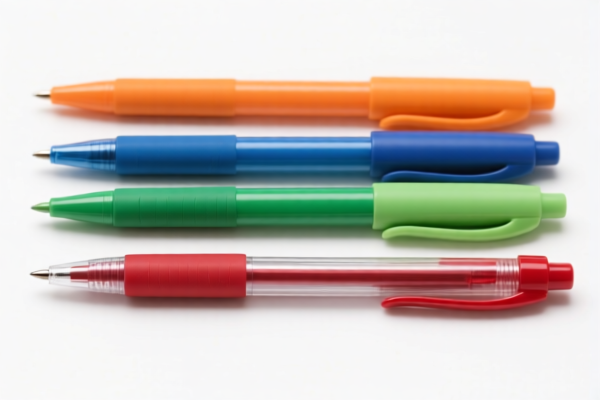
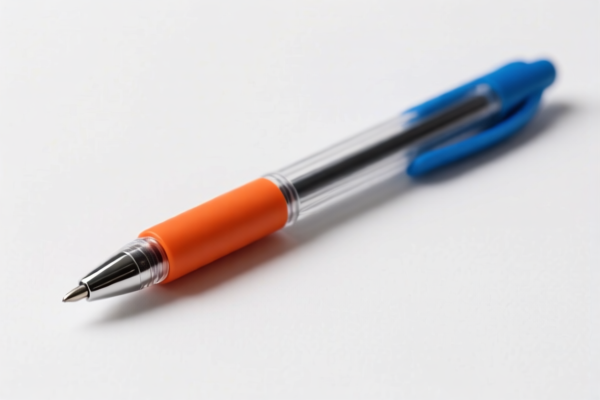
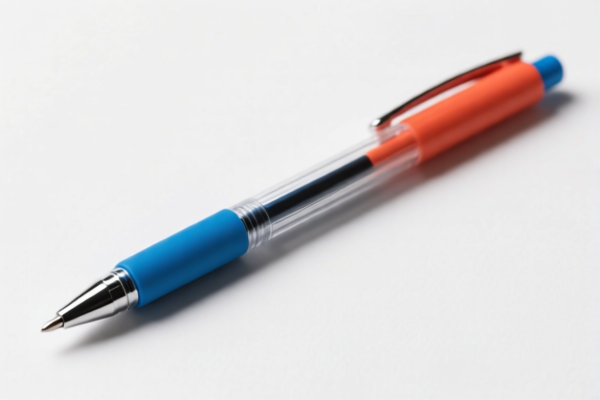
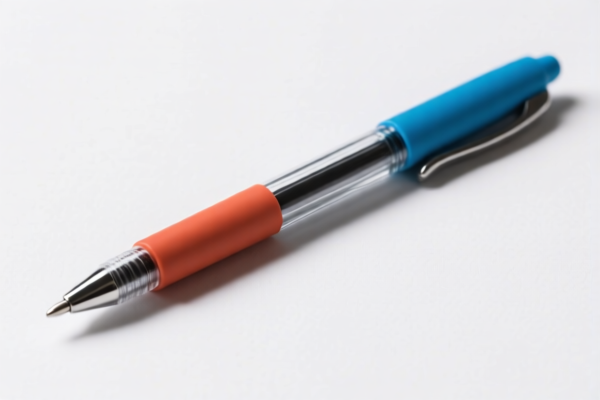
AI Analysis
🖌️ 12 Color Double Ended Pen (12色双面笔)
🌐 HS Code Reference & Customs Clearance Guide | 2026 Latest Tariff Analysis | Professional Clearance Strategy
📌 I. Product Definition: What Exactly is a "12 Color Double Ended Pen"?
A "12 Color Double Ended Pen" is a multi-function writing instrument featuring 12 distinct colors accessible via double-ended tips. Unlike standard single-pen refills, this product typically consists of a barrel housing 12 separate ink reservoirs, often arranged in a cluster or barrel configuration, with two writing ends exposed for immediate access to specific colors.
Key Distinction:
- Is it a Marker? If the tips are felt, foam, or porous material for broad or fine line marking → 9608.20
- Is it a Ballpoint? If the tips use rolling balls to dispense viscous ink → 9608.10
- Is it Ink-Only? If the product is primarily sold as refill ink cartridges for such pens (less likely for "pen" description, but possible) → 3215.90
⚠️ Critical Classification Point:
The term "pen" in the name is generic. The nature of the writing tip and the mechanism of ink delivery determine the HS Code, not just the number of colors.
📦 II. HS Code Classification Details (Based on Provided Data)
| HS Code | Product Description | Matching Logic from Data | Applicability |
|---|---|---|---|
| 9608.20.00.00 | Brush Pens, Felt-Tip Pens, and Other Porous-Tip Pens | "Pen" matches "felt-tip/porous tip"; "double line" (double-ended) is a morphological description that does not conflict with this category. | ✅ Most Likely if tips are felt/brush/marker type. |
| 9608.10.00.00 | Ball Point Pens | "Pen" matches "Ball point pens"; "double line" is a product morphological feature, not a classification conflict. | ✅ Possible if tips are ballpoint mechanisms. |
| 3215.90.50.00 | Inks (Printing, Writing, or Drawing) | Product is "double line pen," categorized under writing ink; common sense infers core material is ink, fitting printing/writing/drawing ink categories. | ⚠️ Unlikely for finished pens; more for refills/ink cartridges. |
🔍 Important Note:
- 9608.20 is typically for felt-tip, marker, or brush pens.
- 9608.10 is for ballpoint pens.
- 3215.90 is for ink itself, not the assembled pen. If you are shipping finished pens, 9608.x is the correct chapter.
💰 III. 2026 Latest Tariff Rate Breakdown (Including Surtaxes & Policy Add-ons)
✅ Applicable Country: United States (US)
✅ Country of Origin: China (CN)
✅ Effective Date: From November 10, 2025 (including subsequent imports)
🎯 1. 9608.20.00.00 —— Brush Pens, Felt-Tip Pens, and Other Porous-Tip Pens
| Item | Content |
|---|---|
| Base Tariff | 4.0% (ad valorem) |
| Section 301 Surtax | 7.5% |
| 122 Clause Tariff | 10% (Specific policy add-on mentioned in data) |
| Total Effective Rate | 21.5% |
| Tax Calculation | CIF Value × 21.5% |
| De Minimis Eligibility | ❌ Not Eligible (High tariff rate usually triggers scrutiny; specific de minimis rules for Section 301 goods apply) |
| Legal Basis Path | Base Tariff 4% → Section 301 (7.5%) → Section 122 (10%) |
📌 Explanation:
- Base Tariff: Standard MFN rate for porous-tip pens.
- Section 301: 7.5% surtax on Chinese imports under Trade Act Section 301.
- Section 122: 10% additional tariff (likely referencing specific enforcement actions or retaliatory measures mentioned in the source data).
- Total: 21.5%. This is a moderate-to-high tariff for consumer goods.
🎯 2. 9608.10.00.00 —— Ball Point Pens
| Item | Content |
|---|---|
| Base Tariff | 0.8¢ each + 5.4% (ad valorem) |
| Section 301 Surtax | 7.5% |
| 122 Clause Tariff | 10% |
| Total Effective Rate | 0.8¢ each + 22.9% (5.4% + 7.5% + 10%) |
| Tax Calculation | (0.8¢ × Quantity) + (CIF Value × 22.9%) |
| De Minimis Eligibility | ❌ Not Eligible (Due to combined surtaxes) |
| Legal Basis Path | Base Tariff (Unit + Ad Valorem) → Section 301 (7.5%) → Section 122 (10%) |
📌 Explanation:
- Unit Tariff: 0.8 cents per pen (fixed cost per unit).
- Ad Valorem Total: 5.4% (base) + 7.5% (301) + 10% (122) = 22.9%.
- Total Burden: Significant for high-volume, low-cost items due to the unit fee + high percentage.
🎯 3. 3215.90.50.00 —— Inks (Writing/Drawing)
| Item | Content |
|---|---|
| Base Tariff | 1.8% |
| Section 301 Surtax | 25.0% |
| 122 Clause Tariff | 10% |
| Total Effective Rate | 36.8% |
| Tax Calculation | CIF Value × 36.8% |
| De Minimis Eligibility | ❌ Not Eligible |
| Legal Basis Path | Base Tariff 1.8% → Section 301 (25%) → Section 122 (10%) |
📌 Explanation:
- This is the highest tax burden among the three options.
- 25% Section 301 is a significant barrier.
- Only applicable if you are shipping ink refills/cartridges, not assembled pens. Misclassification here could lead to severe penalties if customs determines the product is a pen (9608) rather than ink.
🛠️ IV. Customs Clearance Practical Advice (Pitfall Avoidance Guide)
✅ 1. Preparation Checklist (Essential Documents)
| Document | Required | Notes |
|---|---|---|
| ✅ Product Specifications | ✔️ | Must specify: Tip type (felt, ball, brush), ink type, number of colors (12), and whether it's sold as a single unit or set. |
| ✅ Product Photos | ✔️ | Clear images of the tips, barrel, and packaging. Must show "12 Colors" and "Double-Ended" features. |
| ✅ Commercial Invoice | ✔️ | Describe as "Felt-Tip Pen Set, 12 Colors, Double-Ended, Model XYZ" or "Ball Point Pen Set..." based on tip type. Do not use vague terms like "Stationery." |
| ✅ Packing List | ✔️ | Detail weight, dimensions, and quantity. |
| ✅ Declaration of Non-Contraband | ✔️ | Confirm no prohibited materials (e.g., lithium batteries if electronic components are present, though unlikely for simple pens). |
✅ 2. Declaration Strategy (Key Tips)
🔥 "Classify by Tip, Not by Colors!"
| Scenario | Correct HS Code | Risk if Misclassified |
|---|---|---|
| Felt Tip / Marker Tip | 9608.20.00.00 |
Misclassifying as Ballpoint (9608.10) could lead to 22.9% vs 21.5% difference + penalties. |
| Ball Point Tip | 9608.10.00.00 |
Misclassifying as Felt Tip (9608.20) may trigger scrutiny for "marker" regulations. |
| Ink Refills Only | 3215.90.50.00 |
High Risk! If sold as a pen, this is prohibited classification. Pen ≠ Ink. |
📌 Crucial Advice:
- For9608.20: Emphasize "Felt-Tip" or "Porous Tip" in the description.
- For9608.10: Emphasize "Ball Point" and mention the unit tariff (0.8¢ each).
- Avoid3215.90unless you are only importing ink cartridges without pens.
✅ 3. Special Cases & Mitigation
| Situation | Handling Advice |
|---|---|
| Mixed Tips (e.g., one end ball, one end felt) | Declare as the primary function. If 50% of users use it as a marker, use 9608.20. If unclear, consult with a customs broker. |
| Low Value Shipments | Even if under $800 (de minimis), Section 301 tariffs (7.5% or 25%) often negate de minimis exemptions for Chinese goods. Assume tax is applicable. |
| Labeling | Ensure packaging clearly states "Made in China" and origin country. Mislabeling origin can lead to 100% penalty under Section 122 or 301. |
🌍 V. Global Market Comparison (2026 Latest)
| Country/Region | Recommended HS Code | Tariff (CN Origin) | Key Requirement | Notes |
|---|---|---|---|---|
| 🇺🇸 USA | 9608.20.00.00 |
21.5% | None specific | High surtax (301 + 122) |
| 🇨🇳 China | 9608.20.00.00 |
~10-12% | CCC (if applicable) | Lower tax burden |
| 🇪🇺 EU | 9608.20.00.00 |
4.5% (varies) | CE Marking | No Section 301 |
| 🇬🇧 UK | 9608.20.00.00 |
4.5% | UKCA Marking | Post-Brexit rules |
📌 Conclusion:
- The US market is the most expensive due to叠加 tariffs (21.5%).
- EU/UK offer lower base rates but require strict CE/UKCA certification for safety (though less critical for simple pens, still required for import).
- China has moderate tariffs but no retaliatory surtaxes.
📌 VI. Common Mistakes & Pitfalls (Lessons Learned)
❌ Mistake 1: Classifying as "Stationery" (Generic)
👉 Result: Customs may reclassify to the highest duty rate or demand extra documentation.
✅ Fix: Use specific HS Code based on tip type.
❌ Mistake 2: Ignoring the "Unit Tariff" for Ballpoints (9608.10)
👉 Result: Underpayment of taxes for high-volume shipments.
✅ Fix: Calculate both unit fee (0.8¢ × qty) and ad valorem (22.9%).
❌ Mistake 3: Assuming De Minimis Applies to Section 301 Goods
👉 Result: Shipment held at border, fines applied.
✅ Fix: Assume all Section 301 goods (7.5%+) are taxable regardless of value.
❌ Mistake 4: Misdescribing as "Ink" (3215.90) when it's a Pen
👉 Result: 36.8% tariff instead of 21.5% + potential fraud charges.
✅ Fix: Accurate description: "Finished Pen Set."
🎯 VII. Conclusion: Professional Declaration, Cost Savings, Efficiency
🎯 Key Takeaway:
🔹 "Identify the Tip: Felt = 9608.20 (21.5%), Ball = 9608.10 (22.9% + unit fee)."
🔹 "Section 301 is unavoidable for China origin. Plan for ~22-37% tax burden."
🔹 "Never misclassify a pen as ink to save tax; the risk is too high."
📌 Pro Tip:
- For 12-color double-ended pens, the felt-tip/marker category (9608.20) is the most common.
- Pre-advise your customs broker with product photos to confirm tip type.
- Budget for 21.5% total duty for US imports under 9608.20.
📣 Immediate Action:
📞 Contact your freight forwarder with:
1. Product photos (clear tip view)
2. Commercial Invoice draft
3. Packing List
🚀 Ensure smooth customs clearance and avoid unexpected 21.5%+ tax shocks!
✨ Professional Customs Clearance Starts with Accurate Classification!
💼 Every Percent Counts in Global Trade!
Customer Reviews
About HS Code Classification
The Harmonized System (HS) is an internationally standardized nomenclature developed by the World Customs Organization (WCO) to classify traded products. Over 200 countries use the HS system as the basis for customs tariffs, trade statistics, and import/export regulations.
Each HS code follows a hierarchical structure:
- Chapter (2 digits) — Broad category of goods (e.g., Chapter 84: Machinery and Mechanical Appliances)
- Heading (4 digits) — More specific grouping within the chapter
- Subheading (6 digits) — Internationally standardized breakdown, used by all WCO member countries
- National subdivisions (8-10 digits) — Country-specific extensions for further classification, such as US HTSUS 10-digit codes
Correct HS code classification is essential for smooth customs clearance, accurate duty payment, and compliance with trade regulations. Misclassification can lead to customs delays, overpayment of duties, or penalties.
When importing from CN to US, the applicable tariff rates may include:
- Most-Favored-Nation (MFN) rate — The standard duty rate applied to WTO members
- General rate — Applied to countries without trade agreements
- Trade remedy duties — Additional tariffs such as Section 301 (anti-dumping), Section 232 (national security), or countervailing duties
The information provided on this page is for reference purposes only. For official classification, please consult with your local customs authority or a licensed customs broker.