14 inch Passenger Car Radial Tires
CN → US| HS Code | Tariff Rate | Origin | Destination | Doc |
|---|---|---|---|---|
| 4012114000 | 39.0% | CN | US | Official Doc |
| 4012118000 | 38.4% | CN | US | Official Doc |
| 4011101030 | 39.0% | CN | US | Official Doc |
| 4011101020 | 39.0% | CN | US | Official Doc |
| 4011101050 | 39.0% | CN | US | Official Doc |
Product Images
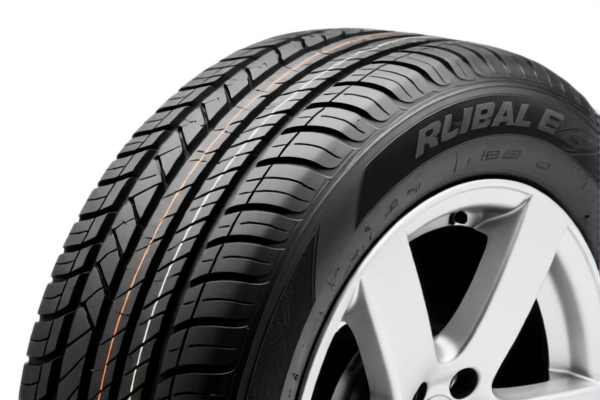
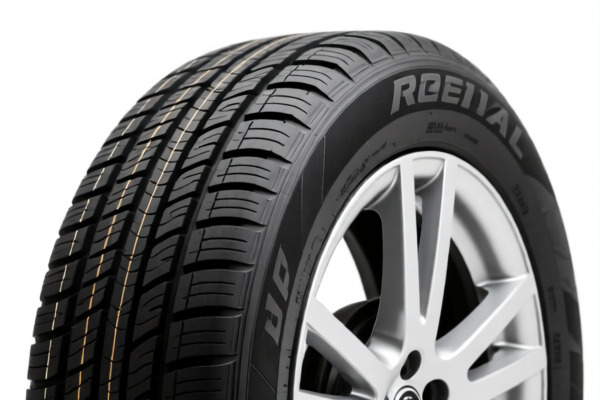
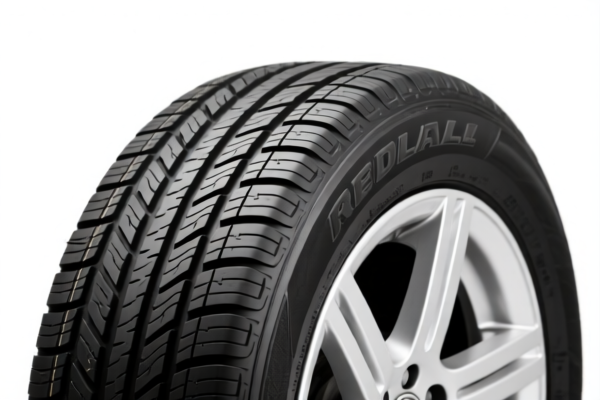
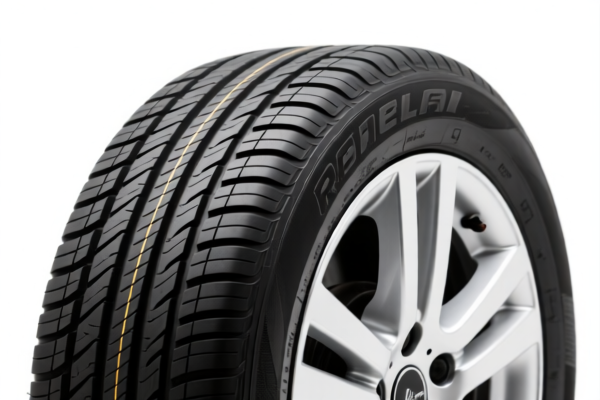
AI Analysis
🚗 14-Inch Passenger Car Radial Tires (乘用车14英寸子午线轮胎)
🌐 HS Code Reference & Customs Clearance Guide | 2026 Latest Tariff Analysis | Strategic Clearance Strategy
📌 I. Product Definition & Classification: Do You Really Understand "14-Inch Radial Tires"?
A 14-inch passenger car radial tire is a high-voltage rubber product designed specifically for light vehicles (sedans, SUVs, MPVs). The key identifier is the "Radial" (子午线) construction, which distinguishes it from bias-ply tires. The "14-inch" specification refers to the rim diameter compatibility.
In international trade, these are strictly classified under Chapter 40 (Rubber and articles thereof), specifically heading 4011.
⚠️ Key Distinction Point: - If it is a Radial Tire (子午线轮胎) → Must be classified under 4011.10 (Subheading for passenger cars). - If it is a Bias Tire (斜交轮胎) → Would fall under different subheadings (e.g., 4011.20), but the input specifies "Radial." - Size Logic: 14-inch tires fall into specific size brackets within the 4011.10 subheading structure (typically covering smaller passenger car sizes).
📦 II. HS Code Classification Details (2026 Latest Tariff Authority Match)
Based on the provided data, the correct HS codes for 14-Inch Passenger Car Radial Tires are detailed below. Note that slight variations in decimal points may reflect specific regional or updated tariff line distinctions for size ranges (e.g., strictly 14" vs. 14-15").
| HS Code | Product Description (Summary) | Applicable Scenario | Size/Type Specifics |
|---|---|---|---|
4011.10.10.20 |
14-Inch Passenger Car Radial Tire | Matches 14-inch specific rim diameter range | ✅ Exact Match: 14-inch radial |
4011.10.10.30 |
14-15 Inch Passenger Car Radial Tire | Matches 14-15 inch size bracket | ✅ Broad Match: Includes 14-inch (Reference for similar specs) |
4011.10.10.50 |
Passenger Car Radial Tire (16-17 Inch Ref.) | Reference for larger sizes | ⚠️ Not Direct Match: 16-17 inch size (Keep for comparison only) |
4012.11.40.00 |
Passenger Car Radial Tire (General) | General classification for car radial tires | ✅ General: Matches "Passenger Car" + "Radial" logic |
4012.11.80.00 |
Rubber Tires for Automotive Use | General automotive rubber tires | ✅ General: Matches "Automotive Rubber Tire" |
🔍 Critical Note: -
4011.10.10.20is the most precise match for a "14-inch" specific declaration. -4011.10.10.30is also highly relevant if the declaration covers a range (14-15 inch). -4012.xxcodes are generally for retreads or other rubber articles, but in some contexts, they may be used for general tire imports if specific 4011 lines are ambiguous. However, 4011 is the primary heading for new pneumatic tires. - Always prioritize 4011.10 for new radial tires for passenger cars.
💰 III. 2026 Latest Tariff Rate Detailed Analysis (Including Surtaxes & Policy Surcharges)
✅ Applicable Country: United States (US)
✅ Origin: China (CN)
✅ Effective Time: Current tariffs apply (2025-2026 period)
🎯 1. 4011.10.10.20 & 4011.10.10.30 —— 14-15 Inch Passenger Car Radial Tires
| Item | Content |
|---|---|
| Base Tariff | 4.0% (Ad Valorem) |
| Section 301 Surtax | +25.0% (Added by USITC Section 301) |
| Section 122 Tariff | +10.0% (Specific US Trade Law Surtax) |
| Total Tax Rate | 39.0% |
| Tax Calculation | CIF Value × 39.0% |
| De Minimis Eligibility | ❌ No (Deny De Minimis) |
| Legal Basis Path | Section 301: 9903.88.01 → Section 122: Various → USITC: 4011.10.10.xx |
📌 Explanation: - "Base Tariff 4.0%": The standard Most Favored Nation (MFN) rate for pneumatic tires for passenger cars. - "Section 301 Surtax 25%": Imposed on Chinese goods under the Trump-era trade war provisions, still active. - "Section 122 Tariff 10%": Imposed under Section 122 of the Trade Expansion Act of 1962 (national security). - Total 39%: This is a high-cost entry for Chinese-manufactured tires into the US market.
🎯 2. 4012.11.40.00 & 4012.11.80.00 —— General Automotive Radial/Rubber Tires
| Item | Content |
|---|---|
| Base Tariff | 4.0% (4012.11.40) or 3.4% (4012.11.80) |
| Section 301 Surtax | +25.0% |
| Section 122 Tariff | +10.0% |
| Total Tax Rate | 39.0% (4012.11.40) or 38.4% (4012.11.80) |
| Tax Calculation | CIF Value × Rate |
| De Minimis Eligibility | ❌ No |
| Legal Basis Path | Section 301 + Section 122 applied to Chapter 40 rubber articles |
📌 Note: - The tax burden is almost identical regardless of the specific sub-decimal code. -
4012.11.80.00has a slightly lower base (3.4%) resulting in a total of 38.4%, but classification must be accurate. Misclassification can lead to penalties.
🛠️ IV. Customs Clearance Practical Advice (Avoid Pitfalls)
✅ 1. Required Documentation Checklist (Must-Haves)
| Document | Must Provide? | Explanation |
|---|---|---|
| ✅ Commercial Invoice | ✔️ | Must clearly state "Passenger Car Radial Tire, 14-inch". |
| ✅ Packing List | ✔️ | Detail dimensions and weight per tire. |
| ✅ Certificate of Origin | ✔️ | Critical for determining US origin rules; confirms Chinese origin if applicable. |
| ✅ Product Specification Sheet | ✔️ | Include: Size (e.g., 195/65R14), Load Index, Speed Rating, Tread Pattern, Tubeless/Tube Type. |
| ✅ FCC/Other Certifications | ❌ | Tires generally do not require FCC, but may need DOT (Dept. of Transportation) labeling for US sale. |
| ✅ DOT Labeling | ✔️ | Crucial: Each tire must have a DOT code molded into the sidewall for US legal sale. |
✅ 2. Declaration Tips (Key Rules)
🔥 "Size Specific, Radial Explicit, DOT Ready, Tax 39%!"
| Scenario | Correct Declaration | Incorrect Practice |
|---|---|---|
| 14-Inch Tire | 4011.10.10.20 |
Use general 4011.10.00.00 → May trigger additional scrutiny |
| Radial vs Bias | Explicitly state "RADIAL" | Omit "Radial" → Risk of misclassification |
| Chinese Origin | Declare "China" | Hide origin → Severe penalties + 100% tariff |
| Mixed Sizes | Split by HS Code (14", 15", etc.) | Mixed declaration → Customs may assess highest rate or penalize |
✅ 3. Special Situation Handling
| Situation | Handling Advice |
|---|---|
| OEM Custom Tires | Provide OEM contract + design specs. Ensure DOT codes match US regulations. |
| Retreaded Tires | If retreaded, use 4012 codes. If new, use 4011. Do not mix. |
| Transshipment via Vietnam | Ensure substantial transformation occurred. Simple relabeling may not avoid Section 301/122 duties. |
| Small Sample Imports | Even samples are subject to the 39% tax. No de minimis exemption. |
🌍 V. Global Market Clearance Comparison (2026 Latest)
| Country/Region | Recommended HS Code | Tariff Rate (China Origin) | Certification Requirements | Notes |
|---|---|---|---|---|
| 🇺🇸 USA | 4011.10.10.20 / 4011.10.10.30 |
39.0% (Base 4% + 301 25% + 122 10%) | DOT Labeling, US DOT Registration | Highest tariff barrier |
| 🇨🇳 China | 4011.10.10.20 |
0% - 4% (Import Duty) | China Compulsory Certification (CCC) | Low import duty if importing into China |
| 🇪🇺 EU | 4011.10 |
0% - 4.5% | E-Mark (ECE Regulation 54/30) | No 301/122 surcharges |
| 🇦🇺 Australia | 4011.10 |
5% | Australian Design Rules (ADR) | Moderate duty |
| 🇯🇵 Japan | 4011.10 |
0% - 10% | JIS Standards | Varies by size |
📌 Conclusion: - The US market is the most challenging due to the cumulative 39% tariff burden. - EU and Japan offer more favorable duty rates but require strict safety certifications (E-Mark, JIS). - DOT compliance is non-negotiable for US sales.
📌 VI. Common Errors & Pitfalls Guide (Lessons Learned)
❌ Error 1: Declaring "Tires" without specifying "Radial" or Size
👉 Consequence: Customs may apply general rates or delay clearance for clarification.
❌ Error 2: Using 4012 codes for New Radial Tires
👉 Consequence: Misclassification. 4012 is for retreads or other rubber articles. New tires must be 4011.
❌ Error 3: Ignoring Section 122 Tariff
👉 Consequence: Underpayment by 10%. The 10% Section 122 surcharge is often overlooked but is mandatory for Chinese tires.
❌ Error 4: Missing DOT Code on Product
👉 Consequence: Rejection of Entry. US Customs will block clearance if the physical product lacks DOT compliance markings.
✅ Correct Practice:
"Passenger Car Radial Tire, 14-inch, Tubeless, Radial Construction, DOT Certified, Made in China, HS: 4011.10.10.20"
🎯 VII. Conclusion: Precision Classification Saves Money!
🎯 Remember the Mantra:
🔹 "Radial is 4011, Size is Key, China is 39%, DOT is Mandatory!"
🔹 "39% Total Tax, No Exemption, Declare Accurately to Avoid Penalties!"
📌 Pro Tip:
If your tires are manufactured in Vietnam, Mexico, or Thailand (with substantial transformation), you may apply for preferential treatment or exclusions from Section 301/122, potentially reducing the tariff to 0%-5%. Recommendation: Apply for an Advance Ruling from US Customs before shipment to confirm the exact HS code and tariff application.
📣 Immediate Action:
📞 Contact a Professional Customs Broker + Provide Product Images + Apply for HS Code Advance Ruling
🚀 Ensure your tires pass US Customs smoothly, meet DOT standards, and maximize your profit margins!
✨ Professional Clearance Starts with Accurate Classification!
💼 Every Percentage Point of Tax Counts!
Customer Reviews
About HS Code Classification
The Harmonized System (HS) is an internationally standardized nomenclature developed by the World Customs Organization (WCO) to classify traded products. Over 200 countries use the HS system as the basis for customs tariffs, trade statistics, and import/export regulations.
Each HS code follows a hierarchical structure:
- Chapter (2 digits) — Broad category of goods (e.g., Chapter 84: Machinery and Mechanical Appliances)
- Heading (4 digits) — More specific grouping within the chapter
- Subheading (6 digits) — Internationally standardized breakdown, used by all WCO member countries
- National subdivisions (8-10 digits) — Country-specific extensions for further classification, such as US HTSUS 10-digit codes
Correct HS code classification is essential for smooth customs clearance, accurate duty payment, and compliance with trade regulations. Misclassification can lead to customs delays, overpayment of duties, or penalties.
When importing from CN to US, the applicable tariff rates may include:
- Most-Favored-Nation (MFN) rate — The standard duty rate applied to WTO members
- General rate — Applied to countries without trade agreements
- Trade remedy duties — Additional tariffs such as Section 301 (anti-dumping), Section 232 (national security), or countervailing duties
The information provided on this page is for reference purposes only. For official classification, please consult with your local customs authority or a licensed customs broker.