15 inch Car Radial Tire
CN → US| HS Code | Tariff Rate | Origin | Destination | Doc |
|---|---|---|---|---|
| 4012114000 | 39.0% | CN | US | Official Doc |
| 4012118000 | 38.4% | CN | US | Official Doc |
| 4011101030 | 39.0% | CN | US | Official Doc |
| 4011101020 | 39.0% | CN | US | Official Doc |
| 4011101010 | 39.0% | CN | US | Official Doc |
Product Images
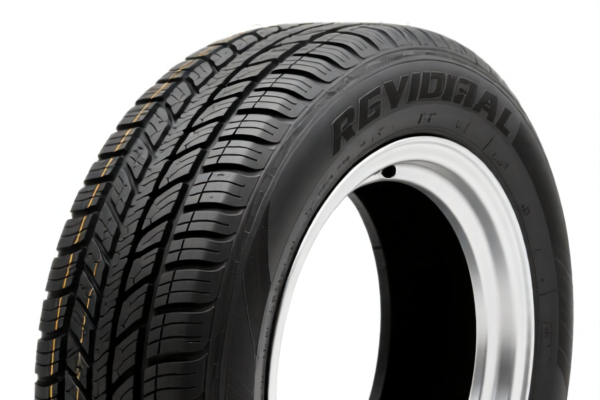
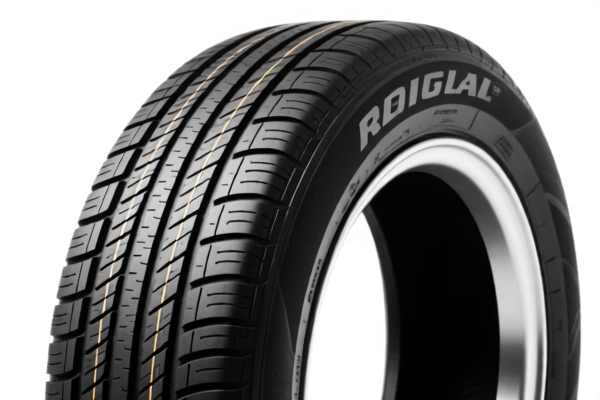
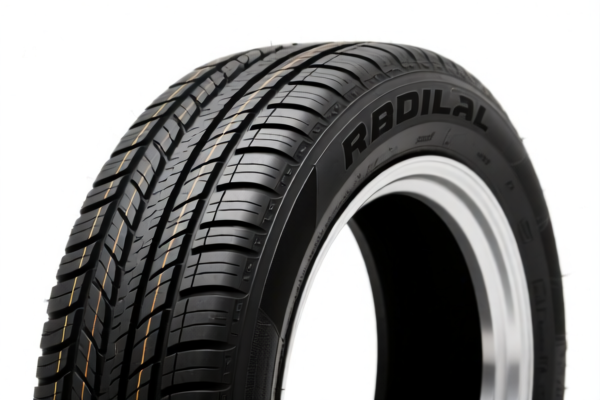
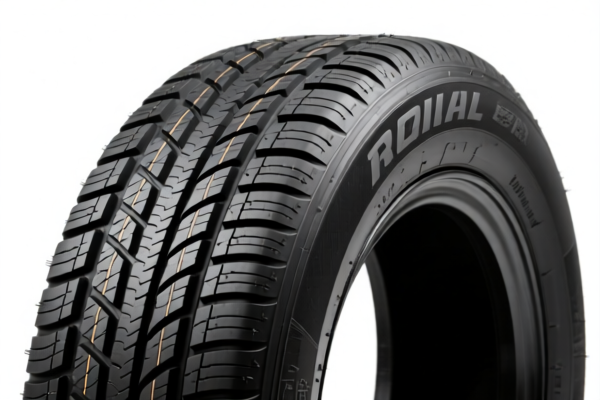
AI Analysis
🚗 15 Inch Car Radial Tire (乘用车径向轮胎)
🌐 HS Code Reference & Customs Clearance Guide | 2026 Latest Tariff Analysis | Professional Clearance Strategy
📌 1. Product Definition & Classification: Do You Really Understand "Radial Tires"?
Radial tires are the standard for modern automotive applications, characterized by their fabric ply cords that run perpendicular (90 degrees) to the direction of travel. In international trade, they are primarily classified under Chapter 40, heading 40.11.
Key Distinction:
- Radial vs. Non-Radial: The input specifies "Radial," which excludes bias-ply tires (which might fall under 40.12 if not specified as radial, though 40.11 is for new pneumatic tires).
- Passenger Car vs. Truck/Bus: The input implies "Car," pointing towards Passenger Car Tires (typically headings 40.11.10 or 40.12.11 depending on specific sub-classification nuances in the dataset).
- Size Constraints: The "15 inch" specification is critical. It falls within specific wheel rim diameter ranges that determine the exact 10-digit HS code.
⚠️ Critical Note for Customs:
- If the tire is Radial, it generally falls under 40.11.
- The exact sub-code depends on whether it is considered "Passenger Car" and the specific rim diameter (14-15 inches vs. others).
- Dataset Alignment: The provided data heavily references codes starting with 4012.11 and 4011.10, indicating a specific customs classification path for US imports (likely involving 122/CV duties or specific USITC classifications).
📦 2. HS Code Classification Details (Based on Provided DATA)
| HS Code | Product Description Summary | Key Applicability |
|---|---|---|
| 4012.11.40.00 | Matches passenger car radial tires; conforms to rubber material, radial structure, and automotive use. | General Passenger Car Radial Tire |
| 4012.11.80.00 | Matches rubber tires for automotive use; conforms to passenger car application description. | Broad Passenger Car Tire Classification |
| 4011.10.10.30 | Matches car radial tires including 14-15 inch specifications; conforms to rim diameter limits. | Specific for 14-15 Inch Rims |
| 4011.10.10.20 | Matches passenger car radial tires at the upper limit of 14-inch range; conforms to specific size ranges. | Specific for ~14 Inch Rims (Upper Limit) |
| 4011.10.10.10 | Matches radial car tires; conforms to material, structure, and usage requirements. | General Radial Car Tire (Non-14/15 specific) |
🔍 Analysis of the Dataset:
- The presence of 4012 codes in the input suggests a US-specific classification nuance where certain passenger car tires might be classified under 40.12 (possibly used tires or specific sub-categories depending on USITC rulings), but the summary explicitly mentions "Passenger Car Radial Tire."
- The 4011 codes are the standard international HS for new pneumatic tires of a kind used on motor cars.
- Warning: The dataset shows high tariffs (38-39%) across all codes, indicating this is likely an US Import from China subject to Section 301 and Section 122 tariffs.
💰 3. 2026 Latest Tariff Rate Details (Including Surcharge & Policy Add-ons)
✅ Applicable Country: United States (US)
✅ Origin: China (CN) (Inferred from "122 Section" and high tariff rates typical of US-China trade)
✅ Effective Time: Current (2025-2026)
🎯 1. 4012.11.40.00 & 4012.11.80.00 (Passenger Car Radial Tires)
| Item | Content |
|---|---|
| Base Tariff | 4.0% (for 4012.11.40.00) / 3.4% (for 4012.11.80.00) |
| Section 301 Surcharge | +25.0% |
| Section 122 Surcharge | +10.0% |
| Total Tax Rate | 39.0% (for 4012.11.40.00) 38.4% (for 4012.11.80.00) |
| Calculation | CIF Value × Total Rate |
| De Minimis Exemption | ❌ Not Eligible (De Minimis does not apply to Section 301/122 duties) |
| Legal Basis | Section 301 (USITC Footnote) + Section 122 (IEEPA) |
📌 Explanation:
- The 25% is the standard Section 301 tariff for many Chinese goods.
- The 10% is likely the Section 122 tariff (applied to specific imports under 19 U.S.C. § 2153), often used for goods deemed to be undermining US national security or economy.
- Total Rate: Nearly 40% duty. This significantly impacts cost competitiveness.
🎯 2. 4011.10.10.30, 4011.10.10.20, 4011.10.10.10 (Radial Tires, Specific Sizes)
| Item | Content |
|---|---|
| Base Tariff | 4.0% |
| Section 301 Surcharge | +25.0% |
| Section 122 Surcharge | +10.0% |
| Total Tax Rate | 39.0% |
| Calculation | CIF Value × 39.0% |
| De Minimis Exemption | ❌ Not Eligible |
| Legal Basis | Section 301 + Section 122 |
📌 Note:
- All three 4011 codes listed share the same total rate of 39.0%.
- The difference lies only in the base duty and specific size classification (14-15 inches vs. others), but the surcharges are identical.
- 15-inch tires likely fall under4011.10.10.30(14-15 inch range) or4011.10.10.10depending on exact rim width/aspect ratio nuances.
🛠️ 4. Customs Clearance Practical Advice (Real-World Pitfall Avoidance)
✅ 1. Required Documentation Checklist (Mandatory)
| Document | Required | Notes |
|---|---|---|
| ✅ Product Spec Sheet | ✔️ | Must include: Size (e.g., 205/55R15), Load Index, Speed Rating, Tread Pattern, Radial Construction. |
| ✅ Commercial Invoice | ✔️ | Clearly state "Passenger Car Radial Tire," Origin: China, HS Code. |
| ✅ Packing List | ✔️ | Detail weight and quantity per box/pallet. |
| ✅ Certificate of Origin | ✔️ | Essential for proving origin to avoid misclassification claims. |
| ✅ DOT/SAE Compliance | ✔️ | Proof of US safety standards (DOT mark is mandatory on the tire sidewall). |
| ✅ Third-Party Test Report | ✔️ | TTl (Tyre Technical Labeling) and safety tests. |
✅ 2. Declaration Tips (Key Mantras)
🔥 "Radial, Size, Origin – Triple Check for 39% Pitfall!"
| Scenario | Correct Declaration | Incorrect Action |
|---|---|---|
| 15-inch Radial Tire | 4011.10.10.30 (if 14-15 inch range) or 4012.11.40.00 |
Declare as "Non-Radial" or "Truck Tire" → Seizure/Heavy Penalty |
| Mixed Sizes | Separate HS codes for different rim diameters | Combine into one HS code → Customs Audit Risk |
| Origin: China | Explicitly state "Made in China" | Omit origin → De Minimis Abuse Check |
| DOT Mark | Ensure DOT code is visible in photos | No DOT mark → Refusal of Entry |
✅ 3. Special Situations
| Situation | Handling Advice |
|---|---|
| OEM vs. Aftermarket | Provide contract/order to prove intended use (Passenger Car). |
| 15-Inch Specifics | Confirm if 15-inch falls under "14-15 inch" sub-category (4011.10.10.30). If yes, use that code. |
| High Tariff Mitigation | Consider Section 321 De Minimis is NOT applicable for tires from China due to Section 301/122. Plan for cash flow of ~40% duty. |
| Pre-Ruling | Highly Recommended. Apply for a US CBP Binding Ruling to lock in the HS code and avoid post-clearance audits. |
🌍 5. Global Market Comparison (2026 Latest)
| Country/Region | Recommended HS Code | Tariff Rate | Certification | Notes |
|---|---|---|---|---|
| 🇺🇸 USA | 4011.10.10.30 / 4012.11.40.00 |
39.0% - 39.6% | DOT + TTl | High Tariff due to Sec 301 & 122. |
| 🇨🇳 China | 4011.10.10 |
~10-15% | CCC (if applicable) | Lower export tariff. |
| 🇪🇺 EU | 4011.10.30 |
~4-6% | E-Mark | No major punitive tariffs. |
| 🇬🇧 UK | 4011.10.30 |
~4-6% | ECE Mark | Post-Brexit rules apply. |
| 🇨🇦 Canada | 4011.10.10 |
~0-5% | CMVSS | Often duty-free under CUSMA. |
📌 Conclusion:
- USA is the most challenging market for Chinese-made radial tires due to the ~39% total tariff.
- Cost Impact: A $100 tire incurs ~$40 in duties.
- Strategy: Ensure accurate HS code to avoid additional penalties. Consider sourcing from non-US-tariff countries if possible, or absorb the cost in pricing.
📌 6. Common Mistakes & Pitfall Guide (Blood & Tears Lessons)
❌ Mistake 1: Declaring "Tire" without specifying "Radial"
👉 Consequence: Customs may assign a higher duty code or reject the entry.
👉 Fix: Always use "Radial Tire" in description.
❌ Mistake 2: Misclassifying 15-inch tires as "14-inch" or "16-inch"
👉 Consequence: Misdeclaration → Fine + Back Duties.
👉 Fix: Verify rim diameter against the exact HS sub-code definitions.
❌ Mistake 3: Assuming De Minimis ($800) applies
👉 Consequence: Shipment seized. Section 301/122 duties do not apply to de minimis.
👉 Fix: Budget for full duty payment even for small shipments.
❌ Mistake 4: Ignoring the "122 Section"
👉 Consequence: Unexpected 10% surcharge on top of 301.
👉 Fix: Always calculate Base + 25% + 10%.
✅ Correct Approach:
"15-inch Passenger Car Radial Tire, Size: 205/55R15, Load Index: 91, Speed Rating: H, DOT: XXXX, Made in China, HS: 4011.10.10.30"
🎯 7. Conclusion: Professional Declaration Saves Money!
🎯 Remember the Mantra:
🔹 "Radial, 15-Inch, China: 39% Duty is the Price!"
🔹 "DOT Mark on Sidewall, No DOT = No Entry!"
🔹 "De Minimis is Dead for Tires; Plan Cash Flow!"
📌 Pro Tip:
If your tires are not from China (e.g., Vietnam, Thailand), the Section 301 and 122 tariffs may not apply, reducing the rate to Base Duty (4%).
Recommendation:
📞 Contact a Customs Broker to verify the exact 10-digit HS code for your specific tire dimensions.
🚀 Pre-clearance: Use the ACE Portal for advanced filing to avoid port delays.
✨ Professional Clearance Starts with Accurate Classification!
💼 Every 1% of Duty Error Costs You Thousands!
Customer Reviews
About HS Code Classification
The Harmonized System (HS) is an internationally standardized nomenclature developed by the World Customs Organization (WCO) to classify traded products. Over 200 countries use the HS system as the basis for customs tariffs, trade statistics, and import/export regulations.
Each HS code follows a hierarchical structure:
- Chapter (2 digits) — Broad category of goods (e.g., Chapter 84: Machinery and Mechanical Appliances)
- Heading (4 digits) — More specific grouping within the chapter
- Subheading (6 digits) — Internationally standardized breakdown, used by all WCO member countries
- National subdivisions (8-10 digits) — Country-specific extensions for further classification, such as US HTSUS 10-digit codes
Correct HS code classification is essential for smooth customs clearance, accurate duty payment, and compliance with trade regulations. Misclassification can lead to customs delays, overpayment of duties, or penalties.
When importing from CN to US, the applicable tariff rates may include:
- Most-Favored-Nation (MFN) rate — The standard duty rate applied to WTO members
- General rate — Applied to countries without trade agreements
- Trade remedy duties — Additional tariffs such as Section 301 (anti-dumping), Section 232 (national security), or countervailing duties
The information provided on this page is for reference purposes only. For official classification, please consult with your local customs authority or a licensed customs broker.