150 198cm Circumference Synchronous Belts
CN → US| HS Code | Tariff Rate | Origin | Destination | Doc |
|---|---|---|---|---|
| 4010364100 | 43.0% | CN | US | Official Doc |
| 5910001020 | 39.0% | CN | US | Official Doc |
| 4010363000 | 39.1% | CN | US | Official Doc |
| 5910009000 | 37.6% | CN | US | Official Doc |
| 4010359000 | 38.3% | CN | US | Official Doc |
Product Images
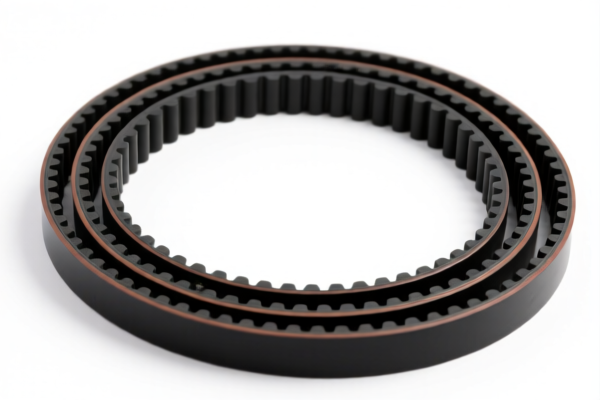
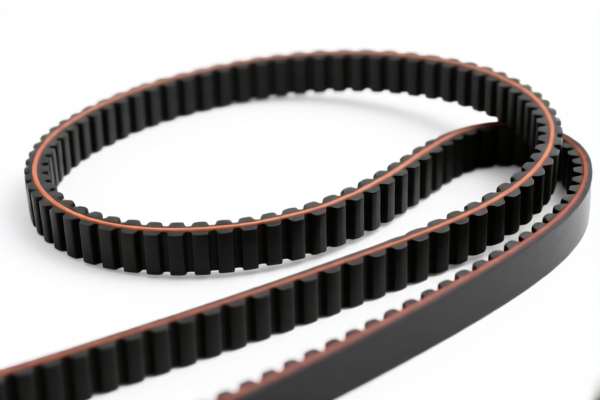
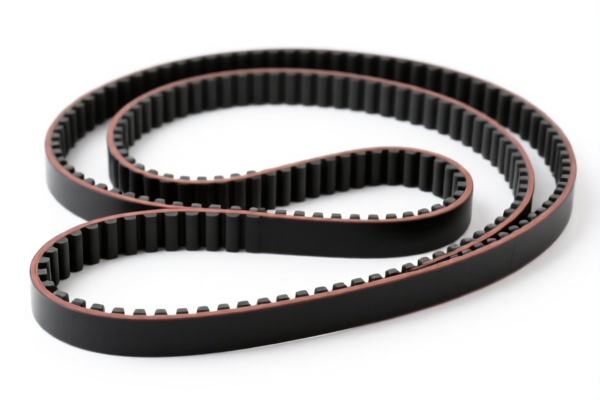
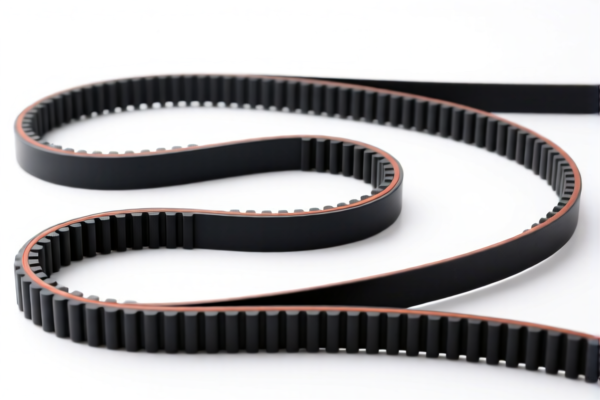
AI Analysis
🛠️ Textile & Rubber Reinforced Synchronous Belts (Outer Circumference: 150-198cm)
🌐 HS Code Reference & Customs Clearance Guide | 2026 Latest Tariff Analysis | Strategic Classification for Industrial Belts
📌 I. Product Definition & Classification: What Are "Synchronous Belts"?
Synchronous belts (also known as timing belts) are toothed transmission belts designed to transmit torque without slip, ensuring precise synchronization between rotating shafts. In international trade, classification hinges on two critical factors:
1. Material Composition: Is the belt core reinforced with textile/fabric or made primarily of rubber?
2. Outer Circumference: The prompt specifies 150-198cm, which falls into specific sub-categories under HS Chapter 40 and 59.
⚠️ Key Distinction Point:
- If the belt has a fabric/textile reinforcement layer (e.g., polyester, nylon cords) → Likely 4010 or 5910.
- If the belt is primarily rubber-based without significant textile structure → Likely 4010 or 5910.
- Size Matters: Circumference 150-198cm is a large industrial size, often classified under specific subheadings for "large circumference" or generic "other" categories depending on the material hierarchy.
📦 II. HS Code Classification Details (Based on Provided Data)
| HS Code | Product Description | Material/Structure | Total Tax Rate | Tax Breakdown |
|---|---|---|---|---|
4010.36.41.00 |
Textile Reinforced Synchronous Belts (Outer Circumference 150-198cm) | Textile Reinforced | 43.0% | Base: 8.0% + Section 301: 25.0% + Section 122: 10% |
5910.00.10.20 |
Textile Reinforced Synchronous Belts (Outer Circumference 150-198cm) | Artificial Fiber/Textile Material | 39.0% | Base: 4.0% + Section 301: 25.0% + Section 122: 10% |
4010.36.30.00 |
Synchronous Transmission Belts (150-198cm) | Rubber/General Sync Belt | 39.1% | Base: 4.1% + Section 301: 25.0% + Section 122: 10% |
5910.00.90.00 |
Rubber Synchronous Belt (60-150cm)* | Rubber | 37.6% | Base: 2.6% + Section 301: 25.0% + Section 122: 10% |
4010.35.90.00 |
Rubber Synchronous Belt (60-150cm)* | Rubber | 38.3% | Base: 3.3% + Section 301: 25.0% + Section 122: 10% |
🔍 Critical Note on Size:
The prompt specifies 150-198cm.
- Codes5910.00.90.00and4010.35.90.00explicitly mention 60-150cm.
- If your belt is >150cm, these codes may NOT apply unless "60-150cm" is interpreted as a range where 150 is the upper limit and >150 falls into "Other".
- Recommended Codes for 150-198cm:4010.36.41.00,5910.00.10.20, and4010.36.30.00are the most accurate matches for the 150-198cm range provided in the data.
💰 III. 2026 Latest Tariff Rate Breakdown (Detailed Tax Clauses)
✅ Applicable Country: United States (US)
✅ Origin: China (CN)
✅ Effective Date: Post-2025 (Current enforcement includes Section 122)
🎯 1. 4010.36.41.00 – Textile Reinforced Synchronous Belts (150-198cm)
| Item | Content |
|---|---|
| Base Tariff | 8.0% |
| Section 301 Tariff | +25.0% (Trade Remedy Duties) |
| Section 122 Tariff | +10.0% (National Security/Supply Chain) |
| Total Effective Rate | 43.0% |
| Calculation | CIF Value × 43.0% |
| De Minimis Exemption | ❌ Not Available |
| Legal Basis | HTSUS 4010.36.41.00 → Section 301 List 4 → Section 122 (19 U.S.C. 1677j) |
📌 Explanation:
- This is the highest tax bracket among the matches.
- "Textile Reinforced" indicates a composite structure where fabric is a primary component.
- Warning: Do not under-declare value; CBP will assess penalties.
🎯 2. 5910.00.10.20 – Textile/Artificial Fiber Synchronous Belts (150-198cm)
| Item | Content |
|---|---|
| Base Tariff | 4.0% |
| Section 301 Tariff | +25.0% |
| Section 122 Tariff | +10.0% |
| Total Effective Rate | 39.0% |
| Calculation | CIF Value × 39.0% |
| De Minimis Exemption | ❌ Not Available |
| Legal Basis | HTSUS 5910.00.10.20 → Section 301 List 4 → Section 122 |
📌 Note:
- Slightly lower base tariff than4010due to classification under Chapter 59 (Textile Articles).
- Requires proof that the belt is primarily classified as a textile article (e.g., fabric cover or reinforcement).
🎯 3. 4010.36.30.00 – Synchronous Transmission Belts (150-198cm)
| Item | Content |
|---|---|
| Base Tariff | 4.1% |
| Section 301 Tariff | +25.0% |
| Section 122 Tariff | +10.0% |
| Total Effective Rate | 39.1% |
| Calculation | CIF Value × 39.1% |
| De Minimis Exemption | ❌ Not Available |
| Legal Basis | HTSUS 4010.36.30.00 → Section 301 List 4 → Section 122 |
📌 Note:
- This is a "generic" synchronous belt category under Chapter 40 (Rubber).
- Useful if material composition is ambiguous but size fits 150-198cm.
🎯 4. 5910.00.90.00 & 4010.35.90.00 – For Reference (60-150cm Range)
| Item | Content |
|---|---|
| Total Effective Rate | 37.6% (5910) / 38.3% (4010) |
| Applicability | ❌ Likely Inapplicable if circumference >150cm |
| Note | These codes specify 60-150cm. If your belt is 160cm, these codes are incorrect. |
🛠️ IV. Customs Clearance Practical Advice (Avoiding Pitfalls)
✅ 1. Documentation Checklist (Mandatory)
| Document | Required? | Purpose |
|---|---|---|
| ✅ Product Specification Sheet | ✔️ | Must explicitly state: Outer Circumference (e.g., "175cm"), Tooth Profile, Reinforcement Material (Textile vs. Rubber). |
| ✅ Material Composition Statement | ✔️ | Declare % of textile vs. rubber. Critical for distinguishing between 4010 and 5910. |
| ✅ Product Photos (Labeled) | ✔️ | Show teeth, inner core, and any fabric layers. |
| ✅ Commercial Invoice | ✔️ | Describe as "Synchronous Belt, Textile Reinforced, 150-198cm Circumference". |
| ✅ Certificate of Origin | ✔️ | To confirm CN origin for Section 301/122 assessment. |
| ✅ Packing List | ✔️ | Verify dimensions and weight. |
✅ 2. Classification Strategy & Risk Mitigation
🔥 "Know Your Core: Textile = 5910/4010.36, Rubber = 4010.35/5910.90"
| Scenario | Recommended HS Code | Risk Level | Reason |
|---|---|---|---|
| Belt has visible fabric reinforcement | 4010.36.41.00 or 5910.00.10.20 |
Low | Matches data exactly for 150-198cm. |
| Belt is 100% rubber, no fabric | 4010.36.30.00 |
Low | Generic sync belt for large size. |
| Belt circumference is 140cm | 5910.00.90.00 or 4010.35.90.00 |
Medium | Falls in 60-150cm range. |
| Belt circumference is 200cm | None of the above | High | Data does not cover >198cm. May need "Other" category. |
✅ 3. Special Handling Tips
| Situation | Advice |
|---|---|
| Hybrid Material | If belt is rubber with textile cords, classify under 4010 (Rubber articles) unless textile is the primary structural element (then 5910). |
| Section 122 Impact | The 10% Section 122 tariff is relatively new and volatile. Monitor CBP announcements for potential exemptions or changes. |
| Pre-Ruling Recommendation | For high-volume shipments, apply for a Binding Ruling with CBP to confirm whether your specific belt fits 4010.36.41.00 vs. 5910.00.10.20. |
| De Minimis | ❌ Do not rely on Section 321 (De Minimis) for these goods if value exceeds $800. Synchronous belts are often scrutinized. |
🌍 V. Global Market Comparison (2026)
| Country | Recommended HS Code | Total Tax (China Origin) | Notes |
|---|---|---|---|
| 🇺🇸 USA | 4010.36.41.00 / 5910.00.10.20 |
39.0% - 43.0% | High tariffs due to Sec 301 & Sec 122. |
| 🇨🇳 China | 4010.36.41.00 |
~5-8% | No additional trade remedy tariffs. |
| 🇪🇺 EU | 4010.39 / 5910.00 |
~4-5% | No Section 301 equivalent. |
| 🇬🇧 UK | 4010.39 |
~4% | Post-Brexit tariff structure. |
📌 Conclusion:
- The US market is the most expensive for these belts due to multiple layers of tariffs.
- Strategy: Consider sourcing from non-China origins (e.g., Vietnam, Mexico) to avoid Sec 301/122 if possible, though Sec 122 may still apply depending on final rules.
📌 VI. Common Mistakes & Pitfalls
❌ Mistake 1: Using 5910.00.90.00 for a 170cm belt.
👉 Consequence: CBP will reclassify to 4010.36.30.00 or higher, leading to underpayment of duties and potential penalties.
❌ Mistake 2: Ignoring Section 122.
👉 Consequence: The 10% Sec 122 tariff is mandatory for many industrial goods from China. Failure to include it results in underpayment.
❌ Mistake 3: Vague Description "Synchronous Belt".
👉 Consequence: CBP may select for manual examination, causing delays. Always specify circumference and material.
✅ Best Practice:
Description: "Synchronous Timing Belt, Textile Reinforced, Outer Circumference 175cm, Tooth Profile MXL, Rubber Core"
HS Code:4010.36.41.00
Tax Rate: 43.0%
🎯 VII. Final Recommendation: Professional Clearance Starts with Precision!
🎯 Remember the口诀:
🔹 "150-198cm, Check Material First!"
🔹 "Textile? Try 5910 or 4010.36.41.00 (43%)."
🔹 "Rubber? Try 4010.36.30.00 (39.1%)."
🔹 "60-150cm? Don't use the big codes!"
📌 Pro Tip:
If your belt circumference is exactly 150cm, it may fall under the 60-150cm categories (5910.00.90.00 or 4010.35.90.00). Verify the exact dimension to save 1-2% in taxes.
📣 Immediate Action:
📞 Consult a Licensed Customs Broker to verify if your specific belt design (tooth profile, width, material) fits the described HS codes.
🚀 Pre-clear your documentation to avoid detention at US ports.
✨ Accurate Classification = Cost Savings + Smooth Clearance!
💼 Every Percent Counts in Industrial Supply Chains!
Customer Reviews
About HS Code Classification
The Harmonized System (HS) is an internationally standardized nomenclature developed by the World Customs Organization (WCO) to classify traded products. Over 200 countries use the HS system as the basis for customs tariffs, trade statistics, and import/export regulations.
Each HS code follows a hierarchical structure:
- Chapter (2 digits) — Broad category of goods (e.g., Chapter 84: Machinery and Mechanical Appliances)
- Heading (4 digits) — More specific grouping within the chapter
- Subheading (6 digits) — Internationally standardized breakdown, used by all WCO member countries
- National subdivisions (8-10 digits) — Country-specific extensions for further classification, such as US HTSUS 10-digit codes
Correct HS code classification is essential for smooth customs clearance, accurate duty payment, and compliance with trade regulations. Misclassification can lead to customs delays, overpayment of duties, or penalties.
When importing from CN to US, the applicable tariff rates may include:
- Most-Favored-Nation (MFN) rate — The standard duty rate applied to WTO members
- General rate — Applied to countries without trade agreements
- Trade remedy duties — Additional tariffs such as Section 301 (anti-dumping), Section 232 (national security), or countervailing duties
The information provided on this page is for reference purposes only. For official classification, please consult with your local customs authority or a licensed customs broker.