16 piece wire winder
CN → US| HS Code | Tariff Rate | Origin | Destination | Doc |
|---|---|---|---|---|
| 7326200090 | 88.9% | CN | US | Official Doc |
| 7326908676 | 87.9% | CN | US | Official Doc |
| 8479810000 | 35.0% | CN | US | Official Doc |
| 8479820080 | 35.0% | CN | US | Official Doc |
| 7326908676 | 87.9% | CN | US | Official Doc |
Product Images
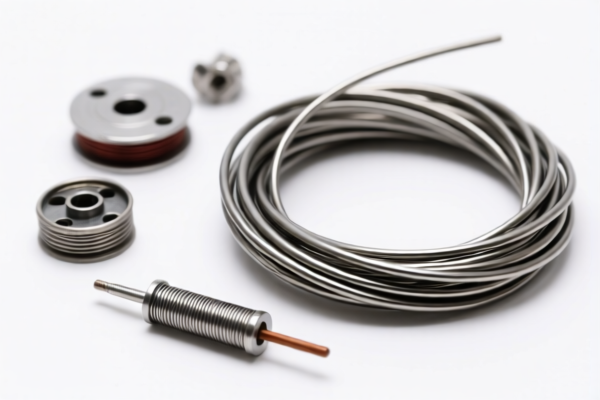
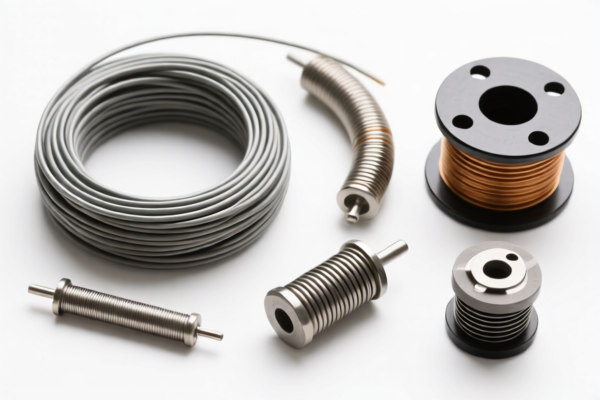
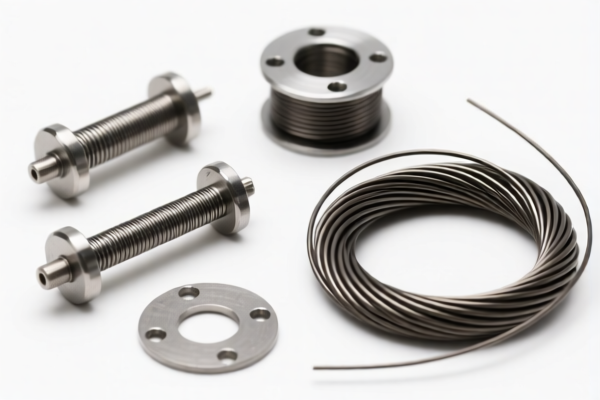
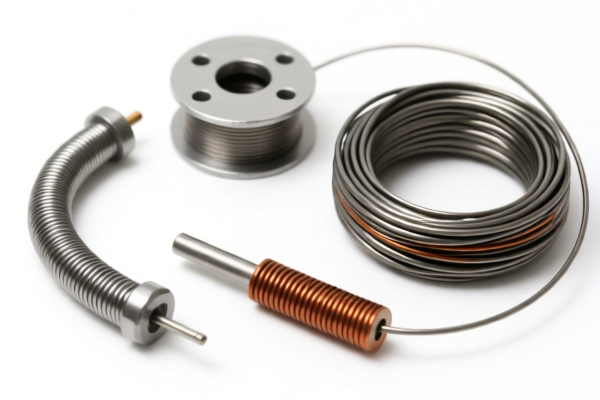
AI Analysis
🧵 Wire Winders (16-Piece Sets / Tools)
🌐 HS Code Reference & Customs Clearance Guide | 2026 Latest Tariff Analysis | Professional-Level Clearance Strategy
📌 1. Product Definition & Classification: Do You Really Know What a "Wire Winder" Is?
A "16-piece wire winder" usually refers to a set of small tools or accessories used for winding, organizing, or managing wires (often called "wire rewinder sets," "cable winders," or "tool kits for wire management"). In international trade, the classification depends heavily on material and functionality:
Hand Tools / Accessories (Iron/Steel Products): Small plastic-coated or all-metal devices used manually to wind wires. These are classified under Chapter 73 (Articles of Iron or Steel).
Machines / Equipment (Mechanical Devices): If the "wire winder" is actually a machine (e.g., an electric wire winding machine or coil winding equipment) used in industrial manufacturing, it falls under Chapter 84 (Machinery and Mechanical Appliances).
⚠️ Key Distinction:
- If it is a manual tool or accessory (even if made of metal) → Chapter 73
- If it is a mechanical device with motors, gears, or automated functions → Chapter 84
📦 2. HS Code Classification Details (2026 Latest Tariff Authority Comparison)
| HS Code | Product Description | Applicable Scenario | Material/Function |
|---|---|---|---|
7326.20.00.90 |
Articles of iron or steel (other than wire) | Wire winder (manual tool, non-excluded category), typically made of steel/wire | ✅ Metal (Steel/Iron) |
7326.90.86.76 |
Other articles of iron or steel | Metal products, inferred by common sense to be metal form (wire winder) | ✅ Metal (General Iron/Steel) |
8479.81.00.00 |
Machines and mechanical appliances having individual functions, not specified elsewhere | Wire winding machine, usage and classification explanation fully consistent | ⚙️ Mechanical/Electric |
8479.82.00.80 |
Parts of machines and mechanical appliances belonging to heading 8479 | Mechanical appliances/components, belongs to functional equipment, fits specific functional machinery classification | ⚙️ Mechanical Components |
🔍 Key Reminder:
- All manual wire winders (even if metallic) must be classified under 7326.xx, NOT 8479.
- If the product is an electric wire winding machine (e.g., for coil manufacturing), classify under 8479.81.00.00.
- Misclassification between Chapter 73 and 84 can lead to significant tariff differences and customs delays.
💰 3. 2026 Latest Tariff Rate Breakdown (Including Additional Taxes & Policy Surcharges)
✅ Applicable Country: United States (US)
✅ Country of Origin: China (CN)
✅ Effective Date: From November 10, 2025 (including subsequent imports)
🎯 1. 7326.20.00.90 —— Articles of Iron or Steel (Wire Winder/Tool)
| Item | Content |
|---|---|
| Base Tariff | 3.9% (ad valorem) |
| Section 301 Surcharge | +25.0% (from USITC Footnote 9903.88.01) |
| Section 122 Surcharge (Steel/Aluminum/Copper) | +50.0% (Specifically for steel, aluminum, copper products) |
| Total Rate | 88.9% |
| Tax Calculation | CIF Value × 88.9% |
| De Minimis Exemption | ❌ Not Eligible (deny_de_minimis) |
| Legal Basis Path | USITC:7326.20.00.90 → SECTION_301:25% → SECTION_122:50% |
📌 Explanation:
- Section 122 Tariff (50%): Applies specifically to steel, aluminum, and copper products. Since wire winders are typically made of steel wire, this high surcharge applies.
- Section 301 (25%): Standard surcharge for Chinese-origin goods.
- Total 88.9%: Extremely high tariff. This reflects the US policy of protecting domestic steel/aluminum industries.
🎯 2. 7326.90.86.76 —— Other Articles of Iron or Steel
| Item | Content |
|---|---|
| Base Tariff | 2.9% |
| Section 301 Surcharge | +25.0% |
| Section 122 Surcharge (Steel/Aluminum/Copper) | +50.0% |
| Total Rate | 87.9% |
| Tax Calculation | CIF Value × 87.9% |
| De Minimis Exemption | ❌ Not Eligible |
| Legal Basis Path | USITC:7326.90.86.76 → SECTION_301:25% → SECTION_122:50% |
📌 Note:
- Similar to the above, but may apply if the product is classified as a "general metal article" rather than a specific "wire article."
- Still subject to the 50% Section 122 surcharge due to steel content.
🎯 3. 8479.81.00.00 —— Wire Winding Machine (Mechanical Device)
| Item | Content |
|---|---|
| Base Tariff | 0.0% |
| Section 301 Surcharge | +25.0% |
| Section 122 Surcharge | None (Not classified as raw steel/aluminum product) |
| Total Rate | 35.0% |
| Tax Calculation | CIF Value × 35.0% |
| De Minimis Exemption | ❌ Not Eligible |
| Legal Basis Path | USITC:8479.81.00.00 → SECTION_301:25% |
📌 Explanation:
- If the "16-piece wire winder" is actually an electric machine (e.g., an automatic coil winding machine), it falls under Chapter 84.
- No Section 122 Surcharge: Chapter 84 products are not subject to the 50% steel/aluminum surcharge.
- Total 35%: Significantly lower than 88.9%. This highlights the importance of correct classification.
🎯 4. 8479.82.00.80 – Parts of Mechanical Appliances
| Item | Content |
|---|---|
| Base Tariff | 0.0% |
| Section 301 Surcharge | +25.0% |
| Section 122 Surcharge | None |
| Total Rate | 35.0% |
| Tax Calculation | CIF Value × 35.0% |
| De Minimis Exemption | ❌ Not Eligible |
| Legal Basis Path | USITC:8479.82.00.80 → SECTION_301:25% |
📌 Note:
- Applies if the product is a part of a larger machine (e.g., a winding mechanism component).
- Same tariff structure as8479.81.00.00.
🛠️ 4. Customs Clearance Practical Advice (Real-World Pitfall Avoidance Guide)
✅ 1. Required Documentation Checklist (None Can Be Omitted)
| Document | Mandatory | Description |
|---|---|---|
| ✅ Product Specification Sheet | ✔️ | Must include: Manual tool vs. Machine, Material (Steel/Plastic), Function (Winding/Organizing) |
| ✅ Product Photos (with Label) | ✔️ | Clear view of model, brand, input voltage (if electric), and usage |
| ✅ Commercial Invoice | ✔️ | Accurately describe as "Wire Winder Set" or "Wire Winding Machine" |
| ✅ Packing List | ✔️ | Indicate if 16 pieces are individual tools or parts of a set |
| ✅ Country of Origin Certificate (CO) | ✔️ | If not Chinese origin, may qualify for lower rates |
| ✅ Third-Party Test Report | ✔️ | If electric, provide FCC/UL reports |
✅ 2. Declaration Tips (Key Mantra)
🔥 "Manual = Chapter 73 (High Tax), Machine = Chapter 84 (Lower Tax), Describe Accurately!"
| Scenario | Correct Declaration | Wrong Practice |
|---|---|---|
| Manual Wire Winder Set (16 pcs) | 7326.20.00.90 or 7326.90.86.76 |
Misclassified as Machine → 35% (but risk of penalty if incorrect) |
| Electric Wire Winding Machine | 8479.81.00.00 |
Misclassified as Metal Tool → 88.9% (overpayment) |
| Mixed Set (Tools + Machine) | Split Declaration | Combined申报 → Customs may reclassify all at higher rate |
| Plastic Wire Winders | Check Chapter 39 | Declared as Steel → 88.9% (incorrect) |
✅ 3. Special Case Handling
| Situation | Handling Advice |
|---|---|
| OEM Custom Wire Winder Tools | Provide customer order + design drawings to avoid being classified as "non-standard" |
| Wire Winder with Motor | Must declare as 8479.81.00.00, not 7326 |
| Wire Winder for Household Use | Still subject to Section 122 if made of steel |
| Wire Winder for Industrial Coil Manufacturing | Declare as Machine (8479.81.00.00) to benefit from lower 35% rate |
🌍 5. Global Market Clearance Comparison (2026 Latest)
| Country/Region | Recommended HS Code | Tariff Rate | Certification Requirements | Notes |
|---|---|---|---|---|
| 🇺🇸 USA | 7326.20.00.90 (Manual) |
88.9% (China) | FCC (if electric) | 35% if Machine |
| 🇨🇳 China | 7326.20.00.90 |
5% | CCC (if electric) | No Section 122/301 |
| 🇪🇺 EU | 7326.90 |
0–5% (if no anti-dumping) | CE + RoHS | No US-style surcharges |
| 🇬🇧 UK | 7326.90 |
0–6% | UKCA | Post-Brexit rules apply |
| 🇦🇺 Australia | 7326.90 |
5% | RCM | No Section 301/122 |
📌 Conclusion:
- USA is the only market with severe additional tariffs (Section 301 + Section 122).
- Chinese-made steel wire winders face nearly 90% tariffs in the US.
- Electric/ Machine winders face only 35%, highlighting the benefit of accurate classification as "machinery" if applicable.
📌 6. Common Errors & Pitfalls (Blood-Stained Lessons)
❌ Mistake 1: Declaring a steel manual wire winder as a "plastic accessory"
👉 Consequence: Customs detects steel content → Classifies under 7326 → 88.9% tariff + penalties!
❌ Mistake 2: Declaring an electric wire winding machine as a "metal tool" (7326)
👉 Consequence: Incorrect classification → May face Section 122 surcharge if deemed steel product, but more likely audit delays and incorrect tax calculation.
❌ Mistake 3: Splitting a 16-piece set into multiple small items to avoid de minimis
👉 Consequence: Each item still subject to 88.9% → Total tax exceeds 100%!
❌ Mistake 4: Using vague terms like "Wire Organizer" without specifying material/function
👉 Consequence: Customs may classify under highest possible rate → 88.9%
✅ Correct Practice:
"16-Piece Manual Wire Winder Set, Steel Core, Plastic Coating, Hand Tool, Not Electric, Model XYZ"
OR
"Automatic Wire Winding Machine, Electric, 220V, For Coil Manufacturing, Model ABC"
🎯 7. Conclusion: Professional Declaration Saves Money!
🎯 Remember the Mantra:
🔹 "Manual Steel = 88.9%, Machine = 35%, Plastic = Lower, Misdeclare = Penalty!"
🔹 "Chapter 73 for Tools, Chapter 84 for Machines, Check Material First!"
📌 Pro Tip:
If your wire winders are originally from Vietnam, Mexico, or Thailand, you may apply for IEEPA Exemption, reducing tariffs to 0–5%.
It is highly recommended to apply for a Binding Ruling (Advance Ruling) from US Customs before shipping to avoid clearance risks.
📣 Take Action Now:
📞 Contact a Professional Customs Broker + Provide Product Photos + Apply for HS Code Binding Ruling
🚀 Let your wire winders clear smoothly, efficiently, and profitably!
✨ Professional Clearance Starts with Accurate Classification!
💼 Every Cent of Cost Deserves to Be Precisely Calculated!
Customer Reviews
About HS Code Classification
The Harmonized System (HS) is an internationally standardized nomenclature developed by the World Customs Organization (WCO) to classify traded products. Over 200 countries use the HS system as the basis for customs tariffs, trade statistics, and import/export regulations.
Each HS code follows a hierarchical structure:
- Chapter (2 digits) — Broad category of goods (e.g., Chapter 84: Machinery and Mechanical Appliances)
- Heading (4 digits) — More specific grouping within the chapter
- Subheading (6 digits) — Internationally standardized breakdown, used by all WCO member countries
- National subdivisions (8-10 digits) — Country-specific extensions for further classification, such as US HTSUS 10-digit codes
Correct HS code classification is essential for smooth customs clearance, accurate duty payment, and compliance with trade regulations. Misclassification can lead to customs delays, overpayment of duties, or penalties.
When importing from CN to US, the applicable tariff rates may include:
- Most-Favored-Nation (MFN) rate — The standard duty rate applied to WTO members
- General rate — Applied to countries without trade agreements
- Trade remedy duties — Additional tariffs such as Section 301 (anti-dumping), Section 232 (national security), or countervailing duties
The information provided on this page is for reference purposes only. For official classification, please consult with your local customs authority or a licensed customs broker.