19th Century Oil Painting
CN → US| HS Code | Tariff Rate | Origin | Destination | Doc |
|---|---|---|---|---|
| 9701910000 | 10.0% | CN | US | Official Doc |
| 9706900060 | 17.5% | CN | US | Official Doc |
| 4911911000 | 17.5% | CN | US | Official Doc |
| 4911914040 | 17.5% | CN | US | Official Doc |
Product Images
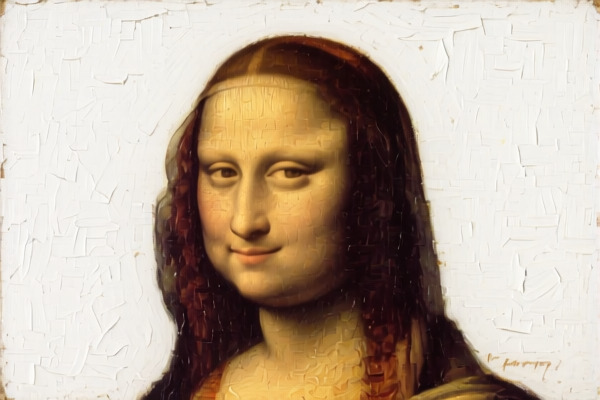
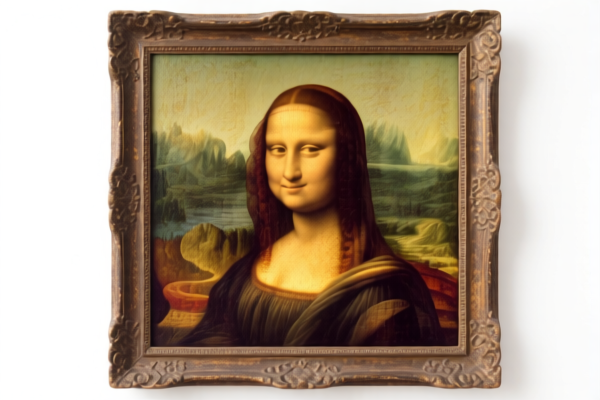
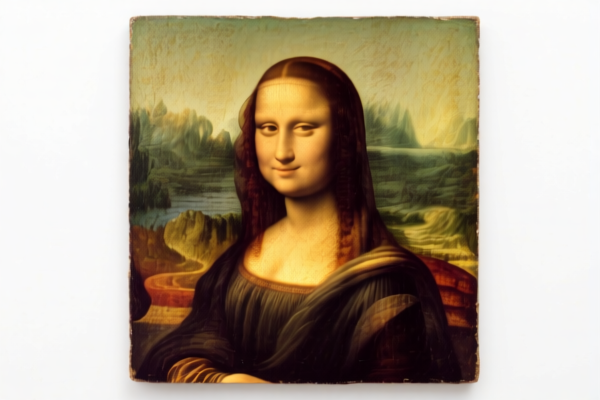
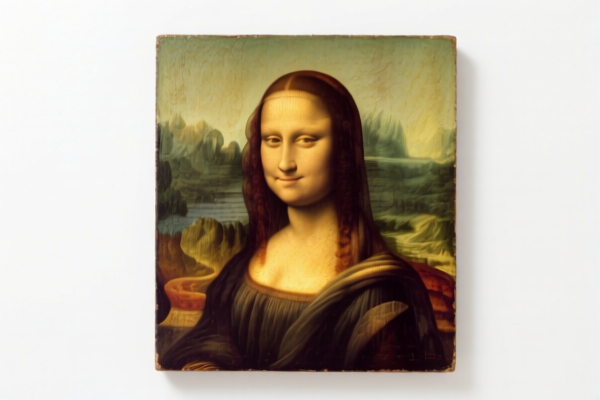
AI Analysis
🖼️ 19th Century Oil Painting (Antique Art & Printed Reproductions)
🌐 HS Code Reference & Customs Clearance Guide | 2026 Latest Tariff Analysis | Professional Clearance Strategy
📌 I. Product Definition & Classification: What Exactly Is a "19th Century Oil Painting"?
In international trade, "19th Century Oil Painting" is a broad term that covers two distinct categories with vastly different tax implications:
- Original Hand-Painted Artworks: Authentic paintings created by hand in the 19th century (1800s), qualifying as Antiques (>100 years old) or Original Paintings.
- Printed Reproductions/Posters: Mass-produced prints, lithographs, or photographic reproductions of 19th-century artworks, classified as Printed Images/Photographs.
⚠️ Key Distinction Point:
- If it is a unique, hand-painted original on canvas/wood → Classified under Chapter 97 (Works of Art, Collectors' Pieces and Antiques).
- If it is a printed copy, poster, or lithograph (even if it looks old) → Classified under Chapter 49 (Printed Books, Newspapers, Pictures and other Products of the Printing Industry).
📦 II. HS Code Classification Details (2026 Latest Tariff Authority Comparison)
Based on the provided data, here are the four possible HS Codes for a "19th Century Oil Painting" and their specific justifications:
| HS Code | Product Description | Application Scenario | Key Classification Logic |
|---|---|---|---|
9701.91.00.00 |
Original Hand-Painted Artworks | Authentic 19th-century oil paintings (hand-drawn, artistic) | Matches "hand-drawn artworks"; meets material and form requirements for painting. |
9706.90.00.60 |
Antiques (>100 Years Old) | 19th-century paintings classified as antiques due to age | Age exceeds 100 years; qualifies as "other" antique category under Chapter 97. |
4911.91.10.00 |
Printed Images/Photographs | Printed reproductions of 19th-century art; created >20 years ago | Classified as "printed pictures, designs, photos"; creation time >20 years. |
4911.91.40.40 |
Other Printed Images | Other printed pictures/designs not classified as posters | Falls under "other printed pictures, designs, photos"; explicitly not a poster. |
🔍 Critical Reminder:
- Originals vs. Prints: Customs will inspect the item. If it is an original hand-painted piece, use 9701 or 9706. If it is a mass-printed reproduction, use 4911.
- Antique Status: If claiming 9706.90.00.60, you must prove the item is >100 years old.
- Print Age: For 4911.91.10.00, the print itself must be >20 years old (which is trivial for a 19th-century source image, but applies to the print's production date if modern, though the data implies specific age criteria).
💰 III. 2026 Latest Tariff Rate Details (Including Surcharges & Policy Add-ons)
✅ Applicable Country: United States (US)
✅ Origin: China (CN)
✅ Effective Time: 2025 November 10 onwards (including subsequent imports)
🎯 1. 9701.91.00.00 – Original Hand-Painted Artworks
| Item | Content |
|---|---|
| Base Tariff | 0.0% (Ad Valorem) |
| Section 301 Surcharge | 0.0% |
| Section 122 Tariff | +10% |
| Total Tariff Rate | 10.0% |
| Tax Calculation | CIF Value × 10.0% |
| De Minimis Exemption | ❌ Not Eligible (Deny De Minimis) |
| Legal Basis Path | Section 122: 10% → USITC: 9701.91.00.00 |
📌 Explanation:
- Base Rate: 0% for original artworks under Chapter 97.
- Section 122: A specific 10% surcharge applies to this category.
- Total: 10%. This is the lowest possible rate for a 19th-century oil painting if it can be proven as an original hand-painted artwork.
🎯 2. 9706.90.00.60 – Antiques (>100 Years Old)
| Item | Content |
|---|---|
| Base Tariff | 0.0% (Ad Valorem) |
| Section 301 Surcharge | +7.5% |
| Section 122 Tariff | +10% |
| Total Tariff Rate | 17.5% |
| Tax Calculation | CIF Value × 17.5% |
| De Minimis Exemption | ❌ Not Eligible (Deny De Minimis) |
| Legal Basis Path | Section 301: 7.5% → Section 122: 10% → USITC: 9706.90.00.60 |
📌 Explanation:
- Base Rate: 0% for antiques.
- Section 301: +7.5% surcharge applies.
- Section 122: +10% surcharge applies.
- Total: 17.5%. Higher than9701because it triggers both Section 301 and Section 122.
🎯 3. 4911.91.10.00 – Printed Images/Photographs
| Item | Content |
|---|---|
| Base Tariff | 0.0% (Ad Valorem) |
| Section 301 Surcharge | +7.5% |
| Section 122 Tariff | +10% |
| Total Tariff Rate | 17.5% |
| Tax Calculation | CIF Value × 17.5% |
| De Minimis Exemption | ❌ Not Eligible (Deny De Minimis) |
| Legal Basis Path | Section 301: 7.5% → Section 122: 10% → USITC: 4911.91.10.00 |
📌 Explanation:
- Base Rate: 0% for printed images.
- Section 301: +7.5% surcharge applies.
- Section 122: +10% surcharge applies.
- Total: 17.5%. Applies to printed reproductions of 19th-century art.
🎯 4. 4911.91.40.40 – Other Printed Images
| Item | Content |
|---|---|
| Base Tariff | 0.0% (Ad Valorem) |
| Section 301 Surcharge | +7.5% |
| Section 122 Tariff | +10% |
| Total Tariff Rate | 17.5% |
| Tax Calculation | CIF Value × 17.5% |
| De Minimis Exemption | ❌ Not Eligible (Deny De Minimis) |
| Legal Basis Path | Section 301: 7.5% → Section 122: 10% → USITC: 4911.91.40.40 |
📌 Explanation:
- Base Rate: 0% for other printed pictures.
- Section 301: +7.5% surcharge applies.
- Section 122: +10% surcharge applies.
- Total: 17.5%. Applies to other printed images not classified as posters or standard photos.
🛠️ IV. Customs Clearance Practical Advice (Battle-Tested Pitfall Guide)
✅ 1. Preparation Checklist (All Required)
| Material | Required? | Explanation |
|---|---|---|
| ✅ Detailed Description | ✔️ | Must specify: "Original Hand-Painted Oil on Canvas" OR "Printed Reproduction of..." |
| ✅ Age Proof | ✔️ | For 9706.90.00.60: Provenance, auction records, or expert appraisal proving >100 years old. |
| ✅ Photos of Item | ✔️ | Show brushstrokes (for originals) or print texture/marks (for reproductions). |
| ✅ Commercial Invoice | ✔️ | Clearly state HS Code and description. Do not just write "Art". |
| ✅ Proof of Origin | ✔️ | Essential for Section 301/122 determination. |
✅ 2. Declaration Strategy (Key Mnemonics)
🔥 "Originals go to 97, Prints go to 49. 9701 is cheaper, 9706 and 4911 are heavier!"
| Scenario | Correct HS Code | Tariff Rate | Risk if Misclassified |
|---|---|---|---|
| Original Hand-Painted Oil Painting | 9701.91.00.00 |
10.0% | If declared as print (4911), might be underpaid tax if deemed original; if declared as antique (9706), overpaid tax. |
| 19th-Century Antique (Original) | 9706.90.00.60 |
17.5% | Must prove >100 years old. If not proven, Customs may reject this code. |
| Printed Reproduction/Poster | 4911.91.10.00 |
17.5% | Ensure it is not a "poster" (different sub-code). |
| Other Printed Art | 4911.91.40.40 |
17.5% | For non-standard printed images. |
📌 Critical Note:
-9701.91.00.00offers the lowest tariff (10%). If your item is an original painting, insist on this classification.
-9706.90.00.60and4911codes carry a higher total tariff (17.5%) due to combined Section 301 (7.5%) and Section 122 (10%) surcharges.
✅ 3. Special Cases Handling
| Scenario | Handling Advice |
|---|---|
| OEM Printed Art | Clearly label as "Printed Reproduction" and use 4911 codes. Do not claim as original. |
| Antique with Damage | If >100 years old, still use 9706.90.00.60, but provide condition report. |
| Modern Print of 19th-Century Art | Use 4911.91.10.00 or 4911.91.40.40. Do not claim as antique (9706). |
| Mixed Shipment (Original + Print) | Must declare separately. Mixing codes can lead to inspection delays and penalties. |
🌍 V. Global Market Comparison (2026 Latest)
| Country/Region | Recommended HS Code | Tariff (China Origin) | Notes |
|---|---|---|---|
| 🇺🇸 United States | 9701.91.00.00 (Original) |
10.0% | Best rate. Requires proof of originality. |
| 🇺🇸 United States | 9706.90.00.60 (Antique) |
17.5% | Higher rate due to Section 301 + 122. |
| 🇺🇸 United States | 4911.91.10.00 (Print) |
17.5% | Same as antique rate. |
| 🇪🇺 EU | 9706.00.00 (Antique) |
0% | No Section 301/122. Lower tariffs generally. |
| 🇨🇳 China | 9701.00.00 (Original) |
0% | No additional surcharges. |
📌 Conclusion:
- USA is the most complex market due to Section 301 and Section 122 surcharges.
-9701.91.00.00is the most cost-effective for original 19th-century oil paintings in the US (10% vs 17.5%).
- Prints are penalized equally as antiques in terms of surcharges, so correct classification is crucial.
📌 VI. Common Mistakes & Pitfalls (Lessons Learned)
❌ Mistake 1: Declaring a Printed Reproduction as an Original Painting
👉 Consequence: Customs may seize the goods for false declaration, or levy higher penalties if they detect fraud.
❌ Mistake 2: Declaring an Original Painting as a Print (4911)
👉 Consequence: You pay 17.5% instead of 10.0%. Overpayment of tax by 7.5% on CIF value.
❌ Mistake 3: Failing to prove Antique Status for 9706.90.00.60
👉 Consequence: Customs may reject the code and reclassify it as 9701 (if original) or 4911 (if print), potentially leading to delays or higher tariffs if documentation is insufficient.
❌ Mistake 4: Using "Painting" without specifying "Original" or "Print"
👉 Consequence: Ambiguity leads to Customs inspection, delays, and potential misclassification.
✅ Correct Practice:
"19th Century Original Oil Painting on Canvas, Hand-Painted, Provenance [Insert Details], Model: ART-19C-ORIG"
OR
"Reproduced 19th Century Oil Painting Print, Paper, [Dimensions], Model: ART-19C-PRINT"
🎯 VII. Conclusion: Professional Declaration, Save Time, Reduce Costs!
🎯 Remember the Mnemonic:
🔹 "Originals to 9701 (10%), Prints to 4911 (17.5%), Antiques to 9706 (17.5%). Declare accurately, save money!"
🔹 "Section 122 hits all, Section 301 hits prints & antiques. 9701 is the sweet spot!"
📌 Pro Tip:
If your oil painting is an original, always provide provenance, artist attribution, or expert appraisal to support the 9701.91.00.00 classification. This ensures you benefit from the lowest possible tariff (10%).
📣 Immediate Action:
📞 Contact a professional customs broker + Provide high-resolution images + Request HS Code Advance Ruling if unsure.
🚀 Ensure your 19th-century oil painting clears customs smoothly, efficiently, and at the lowest cost!
✨ Professional Clearance Starts with Accurate Classification!
💼 Every percentage point of tariff counts!
Customer Reviews
About HS Code Classification
The Harmonized System (HS) is an internationally standardized nomenclature developed by the World Customs Organization (WCO) to classify traded products. Over 200 countries use the HS system as the basis for customs tariffs, trade statistics, and import/export regulations.
Each HS code follows a hierarchical structure:
- Chapter (2 digits) — Broad category of goods (e.g., Chapter 84: Machinery and Mechanical Appliances)
- Heading (4 digits) — More specific grouping within the chapter
- Subheading (6 digits) — Internationally standardized breakdown, used by all WCO member countries
- National subdivisions (8-10 digits) — Country-specific extensions for further classification, such as US HTSUS 10-digit codes
Correct HS code classification is essential for smooth customs clearance, accurate duty payment, and compliance with trade regulations. Misclassification can lead to customs delays, overpayment of duties, or penalties.
When importing from CN to US, the applicable tariff rates may include:
- Most-Favored-Nation (MFN) rate — The standard duty rate applied to WTO members
- General rate — Applied to countries without trade agreements
- Trade remedy duties — Additional tariffs such as Section 301 (anti-dumping), Section 232 (national security), or countervailing duties
The information provided on this page is for reference purposes only. For official classification, please consult with your local customs authority or a licensed customs broker.