2 Stainless Steel Vacuum Champagne Stoppers
CN → US| HS Code | Tariff Rate | Origin | Destination | Doc |
|---|---|---|---|---|
| 7323930080 | 62.0% | CN | US | Official Doc |
| 7323999080 | 88.4% | CN | US | Official Doc |
Product Images
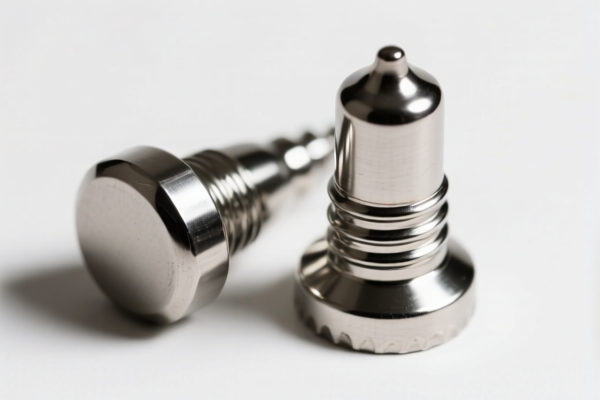
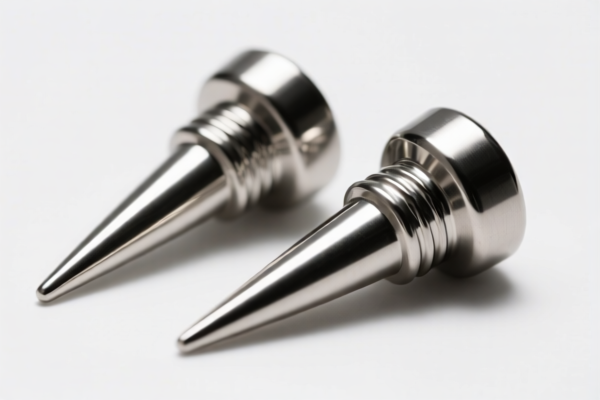
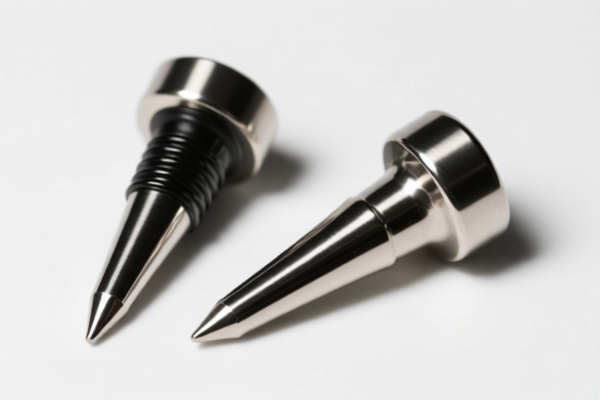
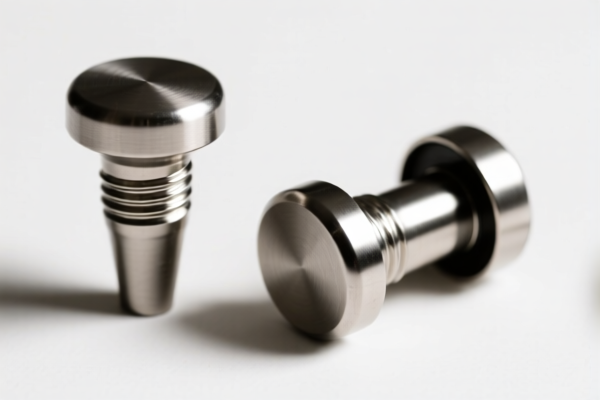
AI Analysis
🍾 Stainless Steel Vacuum Champagne Stoppers (Preservers)
🌐 HS Code Reference & Customs Clearance Guide | 2026 Latest Tariff Breakdown | Professional Clearance Strategy
📌 I. Product Definition & Classification: Are You Using the Right Code?
Stainless Steel Vacuum Champagne Stoppers are small household articles designed to preserve sparkling wines by removing air. In international trade, they fall under Chapter 73: Articles of Iron or Steel. Despite their specific function (vacuum preservation), they are classified based on their material and general household utility.
Key Distinction: * Material: Must be Iron or Steel (specifically Stainless Steel in this case). * Type: Table, kitchen, or other household articles. * Finish: The crucial differentiator is whether the stainless steel is coated/plated with precious metal or not.
⚠️ Critical Classification Point:
- If the stopper is Standard Stainless Steel (304/316) without precious metal coating → Falls under 7323.93 or 7323.99.
- If the stopper is Gold/Platinum Plated Stainless Steel → Would fall under different subheadings (not in current scope).
- Vacuum Mechanism: Does not change the classification to "parts of machines"; it remains a "household article."
📦 II. HS Code Classification Details (Based on Provided Data)
| HS Code | Product Description | Key Attributes | Precious Metal Coating? |
|---|---|---|---|
7323.93.00.80 |
Table, kitchen, or household articles of iron/steel; Other: Of Stainless Steel: Other | Standard stainless steel construction; vacuum seal function; no precious metal plating. | ❌ No |
7323.99.90.80 |
Table, kitchen, or household articles of iron/steel; Other: Other: Not coated/plated with precious metal: Other: Other | General stainless steel articles (fallback if specific "stainless steel" subheading doesn't apply due to shape/design nuances). | ❌ No |
🔍 Why these codes?
- Both codes fall under 7323: Table, kitchen or other household articles and parts thereof, of iron or steel.
- 7323.93 is specifically for Stainless Steel.
- 7323.99 is for Other Iron/Steel (often used when 7323.93 is not applicable, but here both are provided as options. In practice, 7323.93.00 is preferred for pure stainless steel articles unless the design makes it non-specific).
- Note: The ".80" suffix typically indicates "Other" within that specific national subheading (e.g., US HTS).
💰 III. 2026 Tariff Rate Breakdown (Detailed Tax Clauses)
✅ Applicable Country: United States (US)
✅ Origin: China (CN)
✅ Effective Date: Current rates apply (2026 Context)
🎯 1. 7323.93.00.80 – Stainless Steel Household Articles
| Item | Detail |
|---|---|
| Base Tariff | 2.0% (Ad Valorem) |
| Section 301 Additional Tariff | 0.0% (No specific Section 301 list applies to this subheading in the provided data) |
| Steel, Aluminum, Copper Product Additional Tariff | 50% (Note: Check if this specific 50% levy applies to articles or just raw materials. The data states "Steel, aluminum, copper products additional tariff: 50%". If this applies, it is 50%.) |
| Total Effective Tax Rate | 52.0% |
| Tax Calculation | CIF Value × 52.0% |
| De Minimis Eligibility | ❌ No (High tariff rates usually de-qualify from $800 de minimis exemptions under current enforcement trends) |
| Legal Path | HTS: 7323.93.00.80 → Base: 2% + Special Levy: 50% |
📌 Explanation:
- The Base Rate is low at 2%.
- The 50% Additional Tariff is the dominant cost driver. This likely stems from recent executive orders or trade policies targeting steel products.
- Total 52% is extremely high for a small accessory. This significantly impacts profit margins.
🎯 2. 7323.99.90.80 – Other Household Articles (Not Precious Metal Coated)
| Item | Detail |
|---|---|
| Base Tariff | 3.4% |
| Section 301 Additional Tariff | 25.0% |
| Steel, Aluminum, Copper Product Additional Tariff | 50% |
| Total Effective Tax Rate | 78.4% |
| Tax Calculation | CIF Value × 78.4% |
| De Minimis Eligibility | ❌ No |
| Legal Path | HTS: 7323.99.90.80 → Base: 3.4% + Sec 301: 25% + Special Levy: 50% |
📌 Note:
- This code carries a much higher total tax (78.4%) than7323.93.00.80.
- It includes a 25% Section 301 tariff PLUS the 50% steel levy.
- Recommendation: Avoid this code if your product is truly stainless steel. Use7323.93.00.80instead to save 26.4% in taxes.
🛠️ IV. Customs Clearance Practical Advice (Avoid Pitfalls)
✅ 1. Required Documentation Checklist
| Document | Required | Reason |
|---|---|---|
| ✅ Product Photos | ✔️ | Show material (stainless steel shine), vacuum mechanism, and lack of precious metal coating. |
| ✅ Material Composition Certificate | ✔️ | Prove it is Stainless Steel (not just "steel") to justify using 7323.93 instead of 7323.99. |
| ✅ Commercial Invoice | ✔️ | Clearly describe as "Stainless Steel Vacuum Champagne Stopper" – avoid vague terms like "Kitchen Tool". |
| ✅ HS Code Pre-Ruling | ✔️ | Highly recommended due to high tariff rates. Confirm with CBP that 7323.93 applies. |
| ✅ Certificate of Origin | ✔️ | To verify China origin (triggers 50% + 25% levies). |
✅ 2. Declaration Strategy (Key Mantras)
🔥 "Be Specific: Say 'Stainless Steel', Not Just 'Steel'!"
| Scenario | Correct Declaration | Incorrect Declaration | Consequence |
|---|---|---|---|
| Product is Stainless Steel | 7323.93.00.80 |
7323.99.90.80 |
Overpay 26.4% taxes! |
| Product is Gold Plated | 7323.94.xxxx (Not in data) |
7323.93.00.80 |
Misclassification + Penalties |
| Generic "Kitchen Stoppers" | Vague Description | Specific "Vacuum Champagne Stopper" | Customs May Re-classify to Higher Tax Code |
✅ 3. Special Considerations
| Situation | Advice |
|---|---|
| High Tariff Impact | 52–78% is prohibitive for low-cost items. Consider pricing strategy or relocating assembly to a non-China country (e.g., Vietnam, Mexico) if possible. |
| De Minimis Risk | Do NOT rely on $800 de minimis entry. High tariffs and political scrutiny on steel products make these shipments vulnerable to seizure or forced formal entry. |
| Packaging | Ensure packaging doesn't mislead about material (e.g., don't use "Gold" packaging for stainless steel). |
🌍 V. Global Market Comparison (2026 Context)
| Country/Region | Recommended HS Code | Est. Tariff (China Origin) | Notes |
|---|---|---|---|
| 🇺🇸 USA | 7323.93.00.80 |
52.0% | High steel levies apply. |
| 🇨🇳 China | 7323.93.00.80 |
~10–13% (Import) | Domestic production is competitive. |
| 🇪🇺 EU | 7323.93 |
~0–6% (if no carbon tax) | No US-style steel levies. |
| 🇬🇧 UK | 7323.93 |
~0–6% | Post-Brexit trade deals may help. |
| 🇯🇵 Japan | 7323.93 |
~0–3% | Low base tariffs. |
📌 Conclusion:
- The US market is the most challenging due to the 50% steel additional tariff.
- For US exports, cost mitigation is critical.
- EU/UK/Japan are more favorable due to lower or zero base tariffs and no equivalent "steel product" punitive levies.
📌 VI. Common Errors & Pitfalls (Lessons Learned)
❌ Error 1: Classifying as 7323.99 (Other) when it is Stainless Steel
👉 Result: Pay 78.4% instead of 52.0%.
👉 Fix: Provide material certs to prove stainless steel composition.
❌ Error 2: Under-declaring Value to Avoid Tax
👉 Result: Seizure, fines, and potential criminal charges for customs fraud.
👉 Fix: Declare accurate CIF value. 52% is high, but fraud is worse.
❌ Error 3: Assuming "Small Item" = De Minimis Exemption
👉 Result: Package held by CBP, formal entry required, penalties applied.
👉 Fix: Prepare for formal entry documentation for US shipments.
❌ Error 4: Ignoring the "Steel Product" Levy
👉 Result: Unexpected 50% charge at border.
👉 Fix: Factor this into pricing before shipping.
🎯 VII. Conclusion: Professional Clearance, Cost Control
🎯 Key Takeaway:
🔹 Use
7323.93.00.80for stainless steel stoppers.
🔹 Expect 52% Total Tax in the US (2% Base + 50% Steel Levy).
🔹 Avoid7323.99(78.4%) unless necessary.
🔹 Do NOT rely on De Minimis for US shipments of steel products.
📌 Action Plan:
1. Verify Material: Confirm stainless steel composition.
2. Choose HS Code: 7323.93.00.80.
3. Calculate Landed Cost: Add 52% to CIF value.
4. Consider Alternatives: If 52% is too high, explore non-China origins or alternative markets (EU/Asia).
📣 Immediate Action:
📞 Consult a Customs Broker: Confirm the applicability of the 50% steel levy for your specific product design.
🚀 Optimize Supply Chain: Evaluate if production can be shifted to avoid China origin duties.
✨ Precision in Classification Saves Thousands!
💼 Every Percent Counts in High-Tariff Categories!
Customer Reviews
About HS Code Classification
The Harmonized System (HS) is an internationally standardized nomenclature developed by the World Customs Organization (WCO) to classify traded products. Over 200 countries use the HS system as the basis for customs tariffs, trade statistics, and import/export regulations.
Each HS code follows a hierarchical structure:
- Chapter (2 digits) — Broad category of goods (e.g., Chapter 84: Machinery and Mechanical Appliances)
- Heading (4 digits) — More specific grouping within the chapter
- Subheading (6 digits) — Internationally standardized breakdown, used by all WCO member countries
- National subdivisions (8-10 digits) — Country-specific extensions for further classification, such as US HTSUS 10-digit codes
Correct HS code classification is essential for smooth customs clearance, accurate duty payment, and compliance with trade regulations. Misclassification can lead to customs delays, overpayment of duties, or penalties.
When importing from CN to US, the applicable tariff rates may include:
- Most-Favored-Nation (MFN) rate — The standard duty rate applied to WTO members
- General rate — Applied to countries without trade agreements
- Trade remedy duties — Additional tariffs such as Section 301 (anti-dumping), Section 232 (national security), or countervailing duties
The information provided on this page is for reference purposes only. For official classification, please consult with your local customs authority or a licensed customs broker.