2 inch Keychain Photo Album 4 piece Set
CN → US| HS Code | Tariff Rate | Origin | Destination | Doc |
|---|---|---|---|---|
| 4820500000 | 35.0% | CN | US | Official Doc |
| 4820900000 | 35.0% | CN | US | Official Doc |
| 3926904800 | 13.4% | CN | US | Official Doc |
| 4820500000 | 35.0% | CN | US | Official Doc |
| 4820900000 | 35.0% | CN | US | Official Doc |
Product Images
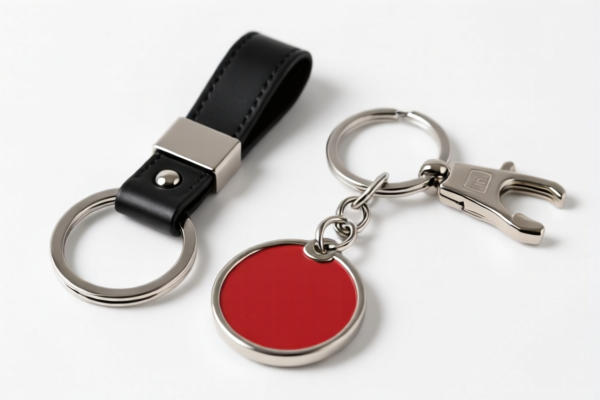
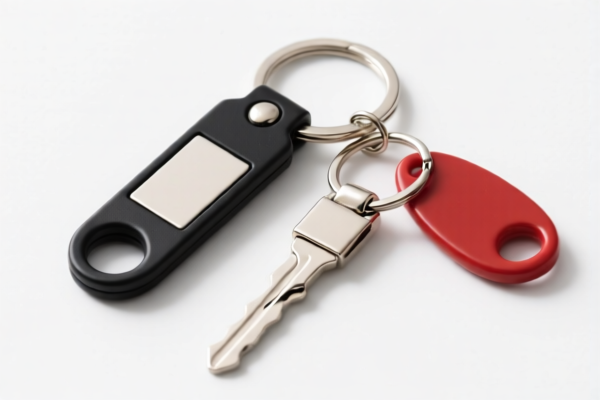
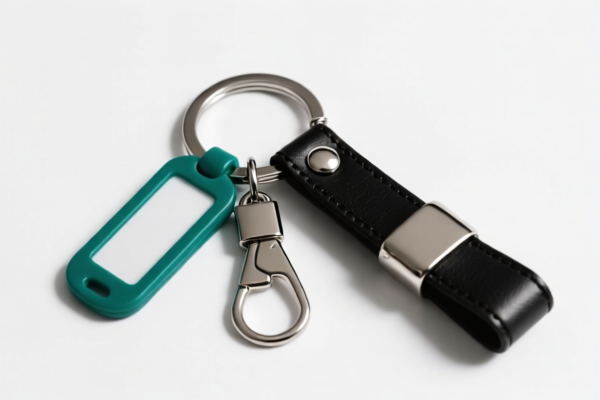
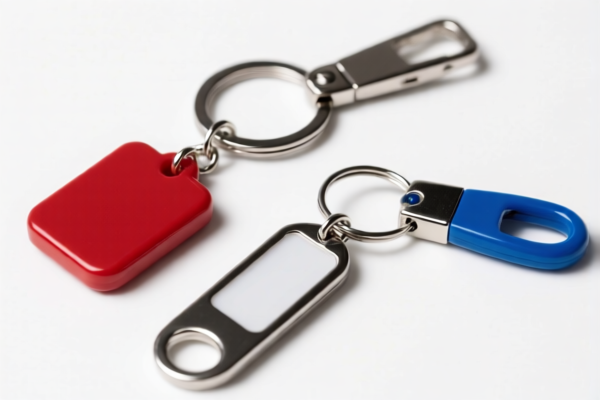
AI Analysis
📸 2-Inch Keychain Photo Album (4-Piece Set)
🎒 Miniature Keepsakes & Travel Companions
🌐 HS Code Reference & Customs Clearance Guide | 2026 Latest Tariff Analysis | Professional Strategy for Mini-Albums
📌 I. Product Definition & Classification: What Exactly Are "Mini Keychain Albums"?
A 2-inch Keychain Photo Album is a miniature binding product, typically constructed from paper, cardboard, or plastic materials, designed to hold small-format photos (standard 2x3 inch or similar). These are often sold as sets (e.g., 4-piece sets) for travel, gifts, or party favors.
In international trade, the classification strictly depends on the primary material and the structural classification. They are NOT considered standard books or notebooks, but rather specific types of binding materials or stationary accessories.
⚠️ Key Distinction Point:
- If made of Paper/Cardboard: Classified under Chapter 48 (Paper products), specifically as "Albums" or "Binding Materials".
- If made of Plastic: Classified under Chapter 39 (Plastics), specifically as "Articles of plastics and articles of other materials of heading 3901 to 3914".
📦 II. HS Code Classification Details (2026 Latest Tariff Authority Comparison)
Based on the provided data, here are the specific HS Codes and their corresponding tax implications for 2-inch Keychain Photo Albums:
| HS Code | Product Description | Material Composition | Applicable Scenario |
|---|---|---|---|
4820.50.00.00 |
Photo Album, Paper/Cardboard | Paper or Cardboard | Standard paper-based keychain albums; "Sample Book" style binding. |
4820.90.00.00 |
Other Albums, Paper/Cardboard | Paper or Cardboard | Albums that don't fit the specific "Photo Album" sub-heading but are still binding/collection books. |
3926.90.48.00 |
Album, Plastic/Related Material | Plastic or similar polymers | Transparent plastic sleeves, vinyl binders, or plastic-coated keychain albums. |
🔍 Critical Note:
- Paper vs. Plastic is the decisive factor.
-4820.50.00.00is the most common for traditional paper-based keychain albums.
-3926.90.48.00applies if the album body or sleeves are primarily plastic (e.g., clear PVC covers).
💰 III. 2026 Latest Tariff Rate Breakdown (Including Surtaxes & Policy Add-ons)
✅ Applicable Country: United States (US)
✅ Origin: China (CN)
✅ Effective Date: 2025/2026 (Current Trade War Era)
🎯 1. 4820.50.00.00 & 4820.90.00.00 —— Paper/Cardboard Photo Albums
| Item | Content |
|---|---|
| Base Tariff Rate | 0.0% (Ad Valorem) |
| USITC Surcharge (Section 301) | +25.0% |
| 122 Clause Tariff (IEEPA/Other) | +10.0% |
| Total Effective Tax Rate | 35.0% |
| Tax Calculation Basis | CIF Value × 35% |
| De Minimis Exemption? | ❌ NO (Deny De Minimis) |
| Legal Basis Path | USITC:4820.50.00.00 → FOOTNOTE:301 → 122 Clause:10% |
📌 Explanation:
- Although the base MFN rate is 0%, the 25% Section 301 tariff applies due to Chinese origin.
- An additional 10% tariff is applied under Section 122 or related emergency powers (as per the provided data).
- Total: 35%. This is a high effective tax rate for a low-value item, significantly impacting profit margins.
🎯 2. 3926.90.48.00 —— Plastic Photo Albums
| Item | Content |
|---|---|
| Base Tariff Rate | 3.4% (Ad Valorem) |
| USITC Surcharge (Section 301) | 0.0% (Exempt or Not Applicable per provided data) |
| 122 Clause Tariff (IEEPA/Other) | +10.0% |
| Total Effective Tax Rate | 13.4% |
| Tax Calculation Basis | CIF Value × 13.4% |
| De Minimis Exemption? | ❌ NO (Deny De Minimis) |
| Legal Basis Path | USITC:3926.90.48.00 → 122 Clause:10% |
📌 Explanation:
- Plastic albums (3926.90.48.00) benefit from a lower total tax rate (13.4%) compared to paper albums (35%).
- The base rate is 3.4%, and only the 10% 122 Clause tariff applies.
- Section 301 (25%) does NOT apply to this specific plastic sub-heading in the provided data.
- Strategy: If feasible, switching to plastic materials can save 21.6% in total tariffs.
🛠️ IV. Customs Clearance Practical Advice (Avoiding Pitfalls)
✅ 1. Required Documentation Checklist
| Document | Required? | Notes |
|---|---|---|
| Commercial Invoice | ✅ | Must specify "Keychain Photo Album, 2-inch, Set of 4". |
| Packing List | ✅ | Detail the quantity (e.g., 100 sets) and net/gross weight. |
| Material Composition Statement | ✅ | CRITICAL: Clearly state if made of Paper or Plastic. Misdeclaration leads to penalties. |
| Product Photos | ✅ | Show the 2-inch size, binding type, and any plastic sleeves. |
| Supply Chain Info | ✅ | Confirm Chinese Origin to apply correct tariffs. |
✅ 2. Declaration Tips (Key Mnemonics)
🔥 "Material is King: Paper = 35%, Plastic = 13.4%!"
| Scenario | Correct HS Code | Incorrect Action | Consequence |
|---|---|---|---|
| Paper Album | 4820.50.00.00 |
Declare as "Plastic Album" | Fraud Penalty + Back Taxes (35% vs 13.4%) |
| Plastic Album | 3926.90.48.00 |
Declare as "Paper Album" | Overpay Tariffs (13.4% vs 35%) |
| Mixed Material | Depends on Primary Material | Vague Description ("Stationery") | Customs Inspection Delay + Re-classification |
📌 Note:
- Do NOT use generic terms like "Gift" or "Souvenir".
- Be specific: "Mini Photo Album, Paper/Cardboard" or "Mini Photo Album, Plastic".
✅ 3. Special Circumstances
| Situation | Advice |
|---|---|
| Plastic Sleeves + Paper Cover | Determine which material constitutes the essential character. Usually, if the binding structure is plastic, it may fall under 3926. Consult a customs broker. |
| Set of 4 | Declare as one unit ("Set of 4 Keychain Albums") to simplify valuation, but ensure the value per set is accurate. |
| De Minimis ($800) | ❌ Not Applicable. Even if under $800, Section 301 and 122 tariffs often deny de minimis exemptions for Chinese goods. Assume tax liability. |
🌍 V. Global Market Comparison (2026)
| Country/Region | Recommended HS Code | Tariff Rate (China Origin) | Key Certification |
|---|---|---|---|
| 🇺🇸 USA | 4820.50.00.00 (Paper) |
35% | None |
| 🇺🇸 USA | 3926.90.48.00 (Plastic) |
13.4% | None |
| 🇪🇺 EU | 4820.50.00.00 |
~4-6% | CE (if plastic) |
| 🇨🇳 China | 4820.50.00.00 |
~5-10% | N/A |
📌 Conclusion:
- The US is the highest-cost market due to 35% total tariff on paper albums.
- Plastic albums offer a significant cost advantage (13.4%) in the US market.
- Consider material substitution if exporting large volumes to the US.
📌 VI. Common Mistakes & Pitfalls (Lessons Learned)
❌ Mistake 1: Declaring plastic albums as paper to avoid plastic-specific duties.
👉 Result: If inspected, customs will seize goods and impose penalties.
❌ Mistake 2: Ignoring the 122 Clause 10% tariff.
👉 Result: Underestimating costs by 10%, leading to unexpected losses.
❌ Mistake 3: Assuming "De Minimis" applies to small keychain items.
👉 Result: 100% Tax Liability. The $800 exemption does not apply to these HS codes from China.
✅ Correct Action:
"2-Inch Keychain Photo Album, Set of 4, Paper/Cardboard, Model XYZ, Origin: China"
OR
"2-Inch Keychain Photo Album, Set of 4, Plastic/PVC, Model XYZ, Origin: China"
🎯 VII. Conclusion: Professional Declaration for Cost Efficiency
🎯 Key Takeaway:
🔹 "Paper = 35%, Plastic = 13.4%. Choose wisely!"
🔹 "No De Minimis Exemption. Tax is mandatory."
🔹 "Be specific about material. Vague declarations lead to delays."
📌 Pro Tip:
If your supply chain allows, shift production to plastic materials for US-bound keychain albums to save 21.6% in tariffs. This is a significant margin saver for low-cost items.
📣 Immediate Action:
📞 Verify material composition with your supplier.
📊 Calculate landed cost with 35% (Paper) or 13.4% (Plastic) tariffs.
🚀 Clear Customs Smoothly, Maximize Profits!
✨ Professional Clearance Starts with Accurate Classification!
💼 Every Dollar of Tax Saved is Profit Added!
Customer Reviews
About HS Code Classification
The Harmonized System (HS) is an internationally standardized nomenclature developed by the World Customs Organization (WCO) to classify traded products. Over 200 countries use the HS system as the basis for customs tariffs, trade statistics, and import/export regulations.
Each HS code follows a hierarchical structure:
- Chapter (2 digits) — Broad category of goods (e.g., Chapter 84: Machinery and Mechanical Appliances)
- Heading (4 digits) — More specific grouping within the chapter
- Subheading (6 digits) — Internationally standardized breakdown, used by all WCO member countries
- National subdivisions (8-10 digits) — Country-specific extensions for further classification, such as US HTSUS 10-digit codes
Correct HS code classification is essential for smooth customs clearance, accurate duty payment, and compliance with trade regulations. Misclassification can lead to customs delays, overpayment of duties, or penalties.
When importing from CN to US, the applicable tariff rates may include:
- Most-Favored-Nation (MFN) rate — The standard duty rate applied to WTO members
- General rate — Applied to countries without trade agreements
- Trade remedy duties — Additional tariffs such as Section 301 (anti-dumping), Section 232 (national security), or countervailing duties
The information provided on this page is for reference purposes only. For official classification, please consult with your local customs authority or a licensed customs broker.