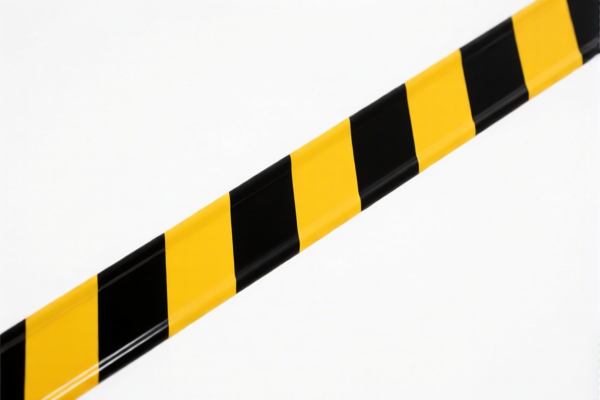
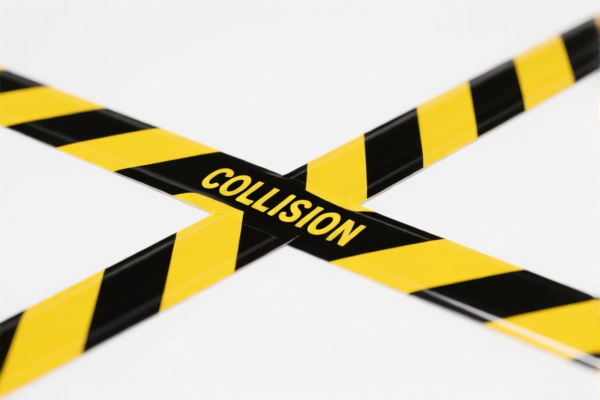
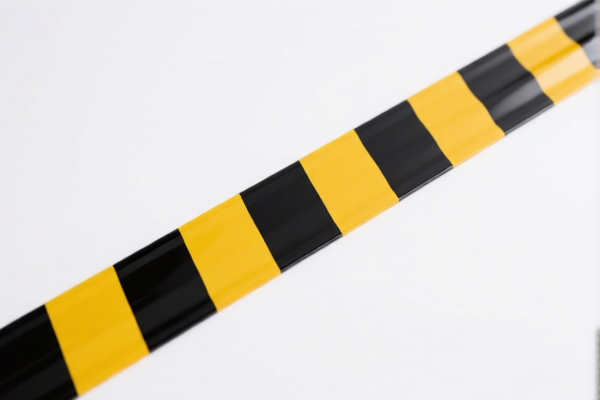
2 meter black anti collision strip
CN → US| HS Code | Tariff Rate | Origin | Destination | Doc |
|---|---|---|---|---|
| 3919101010 | 41.5% | CN | US | Official Doc |
| 3919101050 | 41.5% | CN | US | Official Doc |
| 3926909940 | 22.8% | CN | US | Official Doc |
| 3926906090 | 39.2% | CN | US | Official Doc |
| 4016940000 | 39.2% | CN | US | Official Doc |
Product Images

AI Analysis
🚧 2-Meter Black Anti-Collision Strip
🌐 HS Code Reference & Clearance Guide | 2026 Latest Tariff Breakdown | Professional Logistics Strategy
📌 1. Product Definition & Classification: Do You Really Know What an "Anti-Collision Strip" Is?
A 2-meter black anti-collision strip is a protective bumper or edge guard typically made of rubber, plastic, or metal-reinforced composites. It is installed on walls, door frames, vehicle bumpers, or warehouse racking to prevent damage from impact.
In international trade, its classification depends entirely on its material composition. This is the most critical factor, as it dictates whether the item falls under Chapter 40 (Rubber), Chapter 39 (Plastics), or Chapter 73 (Iron/Steel).
⚠️ Key Distinction:
- Rubber Composition: If the primary material is vulcanized rubber (even if reinforced), it likely falls under Chapter 40.
- Plastic Composition: If it is PVC, PE, or ABS, it falls under Chapter 39.
- Metal/Steel Composition: If it is a steel bar with rubber coating or a metal bumper, it falls under Chapter 73.
📦 2. HS Code Classification Matrix (Based on Provided Data)
| HS Code | Product Description | Material Type | Typical Use Case |
|---|---|---|---|
4016.94.00.00 |
Other articles of vulcanized rubber other than hard rubber: Other: Boat or dock fenders, whether or not inflatable | Vulcanized Rubber | Dock fenders, heavy-duty marine bumpers |
4016.99.00.00 |
Other articles of vulcanized rubber other than hard rubber: Other: Other | Vulcanized Rubber | General-purpose rubber bumpers, strips, seals |
3926.90.60.90 |
Other articles of plastics...: Other: Belting and belts, for machinery: Other Other | Plastic (Belting Type) | Conveyor belts, machinery drive belts (Less likely for simple "strip" unless part of a belt system) |
3926.90.99.40 |
Other articles of plastics...: Other: Other: Covers, rings and frames... | Plastic (Fitting Type) | Plastic corner guards, frames, covers |
3919.10.10.10 |
Self-adhesive plates, sheets... of plastics...: Having a light-reflecting surface... Pavement marking tape | Self-Adhesive Plastic | Reflective road tape, adhesive strips (Not typically for "anti-collision" protection unless specified) |
3919.10.10.50 |
Self-adhesive plates, sheets... of plastics...: Having a light-reflecting surface... Other | Self-Adhesive Plastic | Other adhesive tapes/strip (e.g., double-sided tape, not structural bumper) |
7326.90.86.88 |
Other articles of iron or steel: Other: Other: Other: Other | Iron/Steel | Metal bumpers, steel guards (without specific protrusions described below) |
7326.90.86.35 |
Other articles of iron or steel: Other: Other: Other: Other: Fence posts, studded with corrugations... | Iron/Steel (Specific) | Studded fence posts or metal guards with specific protrusions |
🔍 Critical Note:
The provided data does not include a generic "rubber bumper" code other than4016.99.00.00(Other rubber articles) or4016.94.00.00(Fenders).
- If your "anti-collision strip" is rubber,4016.99.00.00is the most likely fit.
- If it is plastic,3926.90.99.40(Plastic fittings/covers) or3926.90.60.90(Belts) may apply depending on structure.
- If it is metal,7326.90.86.88is the general basket code.
💰 3. 2026 Latest Tariff Rate Breakdown (Detailed Tax Clauses)
✅ Applicable Country: United States (US)
✅ Origin: China (CN)
✅ Effective Date: 2025/2026 Import Regulations
🎯 1. Rubber Anti-Collision Strips
Option A: 4016.94.00.00 (Dock Fenders/Heavy Rubber Bumpers)
| Item | Content |
|---|---|
| Base Tariff | 0.0% |
| Section 301 Surcharge | 0.0% |
| IEEPA Surcharge | 0.0% |
| Total Tariff | 0.0% |
| Tax Note | Highly Favorable. No additional tariffs apply. |
Option B: 4016.99.00.00 (Other Rubber Articles)
| Item | Content |
|---|---|
| Base Tariff | N/A (Data Error/Failed to Retrieve) |
| Status | ⚠️ High Risk |
| Note | The provided data shows "Failed to retrieve tax information". DO NOT USE WITHOUT VERIFICATION. Typically, general rubber articles face 2.5% - 5% base tariff + potential 25% Section 301 tax. Assume 27.5%+ until confirmed. |
🎯 2. Plastic Anti-Collision Strips
Option A: 3926.90.99.40 (Plastic Covers/Frames/Corner Guards)
| Item | Content |
|---|---|
| Base Tariff | 0.0% |
| Section 301 Surcharge | 0.0% |
| IEEPA Surcharge | 0.0% |
| Total Tariff | 0.0% |
| Tax Note | Highly Favorable. No additional tariffs apply. |
Option B: 3926.90.60.90 (Plastic Belts for Machinery)
| Item | Content |
|---|---|
| Base Tariff | 0.0% |
| Section 301 Surcharge | 0.0% |
| IEEPA Surcharge | 0.0% |
| Total Tariff | 0.0% |
| Tax Note | Only if the product is technically a "conveyor belt" or "drive belt". Misclassification risk if it’s just a static strip. |
🎯 3. Metal (Steel/Iron) Anti-Collision Strips
Option A: 7326.90.86.88 (Other Iron/Steel Articles)
| Item | Content |
|---|---|
| Base Tariff | 2.9% |
| Section 301 Surcharge | 25.0% |
| Steel/Aluminum/Copper Surcharge | 50.0% |
| Total Tariff | 77.9% |
| Tax Calculation | CIF Value × 77.9% |
| Legal Basis | USITC Footnote on Steel/Aluminum + Section 301 |
| Warning | EXTREMELY HIGH. This applies to most steel products from China. |
Option B: 7326.90.86.35 (Studded Steel Posts/Guards)
| Item | Content |
|---|---|
| Base Tariff | 2.9% |
| Section 301 Surcharge | 25.0% |
| Steel/Aluminum/Copper Surcharge | 50.0% |
| Total Tariff | 77.9% |
| Tax Calculation | CIF Value × 77.9% |
| Note | Applies if the strip has "protrusions, knobs, studs" and is used as a guard/post. |
🛠️ 4. Customs Clearance Practical Advice (Pitfall Avoidance)
✅ 1. Material Declaration is KEY
| Material | Recommended HS Code | Tariff | Risk Level |
|---|---|---|---|
| Rubber (Vulcanized) | 4016.94.00.00 (if fender-type) or 4016.99.00.00 (if generic) |
0.0% (for 4016.94) / Unknown (for 4016.99) | ✅ Low (if 4016.94) ⚠️ Medium (if 4016.99) |
| Plastic (PVC/ABS) | 3926.90.99.40 |
0.0% | ✅ Low |
| Steel/Metal | 7326.90.86.88 |
77.9% | ❌ HIGH COST |
📌 Crucial Tip:
If your "anti-collision strip" is plastic, declare it as "Plastic Corner Guard" or "Plastic Bumper Strip" and use3926.90.99.40. This yields 0% tariff.
If it is rubber, try to classify it under4016.94.00.00(if it functions like a fender/bumper) for 0% tariff. Avoid4016.99.00.00due to data uncertainty.
AVOID metal classification unless absolutely necessary, as 77.9% is devastating to margins.
✅ 2. Declaration Wording Strategy
| Scenario | Correct Declaration | Incorrect Declaration |
|---|---|---|
| Plastic Strip | "Plastic anti-collision corner guard, PVC material, for warehouse racking protection" | "Metal strip" or "Rubber bumper" |
| Rubber Strip | "Vulcanized rubber dock fender/bumper, not inflatable, for impact protection" | "Steel bar with rubber coating" |
| Steel Strip | "Steel anti-collision guard, painted, no protrusions" | "Studded fence post" (if no studs) |
🔥 Golden Rule:
"Material First, Function Second."
- If it’s plastic, use Chapter 39 (0% tariff).
- If it’s rubber, use Chapter 40 (0% tariff for fenders).
- If it’s metal, expect 77.9%.
✅ 3. Special Handling for "Black" Color
- Color (Black) does not affect HS classification.
- However, if the strip is self-adhesive and reflective, it might fall under
3919.10.10.10(Pavement Marking Tape). - Tariff: 0.0%.
- Use Case: Only if it is a thin, sticky tape for road marking, NOT a structural bumper.
- Warning: Do not misdeclare a heavy rubber bumper as "reflective tape" to save tax. CBP will reject this.
🌍 5. Global Market Comparison (2026)
| Market | Recommended HS Code | Tariff (China Origin) | Notes |
|---|---|---|---|
| 🇺🇸 USA | 3926.90.99.40 (Plastic) |
0.0% | Best option for plastic strips. |
| 🇺🇸 USA | 4016.94.00.00 (Rubber) |
0.0% | Best option for rubber fenders/bumpers. |
| 🇺🇸 USA | 7326.90.86.88 (Steel) |
77.9% | Avoid if possible. |
| 🇪🇺 EU | Various | Varies | No Section 301/IEEPA taxes. Check EU TARIC. |
| 🇨🇳 China | Various | Varies | Import tariffs apply to goods entering China. |
📌 6. Common Mistakes & Pitfalls
❌ Mistake 1: Declaring a plastic strip as steel
👉 Consequence: Paying 77.9% instead of 0%.
❌ Mistake 2: Declaring a rubber strip as plastic
👉 Consequence: Customs may reclassify it, leading to delays or audits. However, both may be 0%, so less financial risk but higher compliance risk.
❌ Mistake 3: Using 4016.99.00.00 for rubber strips
👉 Consequence: Tax Rate Unknown/Error. This is a data gap in the provided dataset. Do not use this code without verifying with CBP or a licensed broker. Use 4016.94.00.00 if it qualifies as a fender/bumper.
🎯 7. Conclusion: Professional Declaration for Cost Optimization
🎯 Final Recommendation:
1. If Plastic: Use 3926.90.99.40 → 0% Tariff.
2. If Rubber: Use 4016.94.00.00 → 0% Tariff (if it functions as a fender/bumper).
3. If Steel: Expect 77.9% → Consider switching to Plastic or Rubber if possible.
📌 Pro Tip:
"Material is King. Plastic/Rubber = 0%. Steel = 77.9%. Declare accurately to save 78%!"
📣 Immediate Action:
📞 Consult your customs broker to confirm if your "strip" qualifies as a "fender" (for rubber) or "cover/frame" (for plastic).
🚀 Optimize your supply chain by choosing non-metal materials to avoid the 77.9% steel tariff.
✨ Smart Classification Saves Big!
💼 Every percentage point matters in 2026.
Customer Reviews
About HS Code Classification
The Harmonized System (HS) is an internationally standardized nomenclature developed by the World Customs Organization (WCO) to classify traded products. Over 200 countries use the HS system as the basis for customs tariffs, trade statistics, and import/export regulations.
Each HS code follows a hierarchical structure:
- Chapter (2 digits) — Broad category of goods (e.g., Chapter 84: Machinery and Mechanical Appliances)
- Heading (4 digits) — More specific grouping within the chapter
- Subheading (6 digits) — Internationally standardized breakdown, used by all WCO member countries
- National subdivisions (8-10 digits) — Country-specific extensions for further classification, such as US HTSUS 10-digit codes
Correct HS code classification is essential for smooth customs clearance, accurate duty payment, and compliance with trade regulations. Misclassification can lead to customs delays, overpayment of duties, or penalties.
When importing from CN to US, the applicable tariff rates may include:
- Most-Favored-Nation (MFN) rate — The standard duty rate applied to WTO members
- General rate — Applied to countries without trade agreements
- Trade remedy duties — Additional tariffs such as Section 301 (anti-dumping), Section 232 (national security), or countervailing duties
The information provided on this page is for reference purposes only. For official classification, please consult with your local customs authority or a licensed customs broker.