2 piece suit dust cover
CN → US| HS Code | Tariff Rate | Origin | Destination | Doc |
|---|---|---|---|---|
| 6307909891 | 24.5% | CN | US | Official Doc |
| 6307908940 | 17.0% | CN | US | Official Doc |
Product Images

AI Analysis
👔 2-Piece Suit Dust Cover (Protective Garment Bag)
🌐 HS Code Reference & Customs Clearance Guide | 2026 Latest Tariff Analysis | Professional Entry Strategy
📌 1. Product Definition & Classification: What Exactly Is a "Suit Dust Cover"?
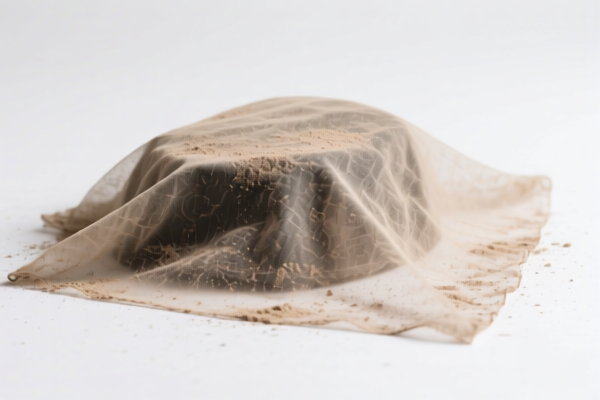
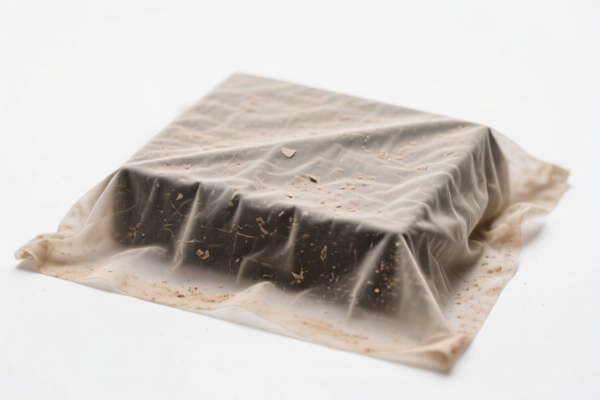
A 2-Piece Suit Dust Cover is a protective accessory designed to shield formal wear (suits, dresses, gowns) from dust, moisture, and creases during storage or transportation. In international trade, it is categorized under "Other made up articles" because it is not a standard garment but an auxiliary textile product.
Key Distinctions in Classification: * General Protective Covers: Simple non-woven or plastic sleeves without specific textile pile structures → Often fall under "Other". * Specialized Textile Accessories: Items that resemble household textiles (like towels or pillowcases) due to material (e.g., cotton terry cloth for luxury garment bags) may fall under "Surgical towels/Cotton towels" categories if they meet specific structural definitions.
⚠️ Critical Classification Point:
- If the cover is made of non-woven fabric, plastic, or simple woven cloth without "pile or tufted construction," it is classified as "Other made up articles."
- If the cover is made of cotton terry cloth or similar pile/tufted fabric (often used for high-end, reusable garment bags that look like towels), it may be misclassified or correctly classified under "Cotton towels of pile or tufted construction" depending on the specific tariff interpretation of the destination country. Note: The data provided suggests two very different tax treatments for these descriptions, highlighting a critical compliance risk.
📦 2. HS Code Classification Details (Based on Provided Data)
The provided dataset indicates two possible HS Codes for similar descriptions, reflecting a divergence in how "made-up articles" vs. "towels" are interpreted for garment protection.
| HS Code | Product Description | Key Characteristics | Tax Rate (Total) |
|---|---|---|---|
6307.90.98.91 |
Other made up articles, including dress patterns: Other: Other: Other: Other: Other | General-purpose suit covers; non-woven, plastic, or simple woven fabrics; not classified as towels. | 14.5% |
6307.90.89.40 |
Other made up articles, including dress patterns: Other: Other: Surgical towels; cotton towels of pile or tufted construction... Cotton towels of pile or tufted construction | Reusable garment bags made of cotton terry/pile fabric (structurally similar to towels); treated as textile accessories rather than generic "made-up articles." | 0.0% |
🔍 Why Two Codes?
-6307.90.98.91: This is the "default" category for generic protective covers. It attracts higher tariffs (14.5%).
-6307.90.89.40: This code specifically captures cotton towels of pile or tufted construction. If your "suit dust cover" is made of terry cloth (like a bath towel) and is marketed as a reusable, luxurious garment bag, it may qualify for this 0% tax rate. This is a crucial optimization opportunity.
💰 3. 2026 Tariff Rate Breakdown (Detailed Analysis)
✅ Applicable Countries: United States (US)
✅ Origin: China (CN)
✅ Effective Date: Based on standard USITC/Section 301 structures (referenced in data)
🎯 1. 6307.90.98.91 — Generic Suit Dust Cover
| Item | Detail |
|---|---|
| Base Tariff | 7.0% |
| Additional Tariff | 7.5% |
| Total Tax Rate | 14.5% |
| Calculation Basis | Ad valorem (based on CIF value) |
| De Minimis Exemption | ❌ Not Eligible (Usually, Section 301 items are excluded from de minimis if over $800, or subject to full tariff if declared as commercial shipment) |
📌 Explanation:
- This is the standard rate for most non-specific textile accessories.
- Total 14.5% includes both the base MFN rate and the additional trade remedy tariffs.
- Risk: If you ship generic non-woven suit covers, this is the likely classification.
🎯 2. 6307.90.89.40 — Cotton Pile/Tufted Suit Cover (Terry Cloth)
| Item | Detail |
|---|---|
| Base Tariff | 0.0% |
| Additional Tariff | 0.0% |
| Total Tax Rate | 0.0% |
| Calculation Basis | Ad valorem (but zero duty) |
| De Minimis Exemption | ✅ Eligible (If value <$800, though 0% duty means no tax anyway) |
📌 Explanation:
- This rate applies only if the product is structurally defined as a towel (pile or tufted construction) made of cotton.
- Opportunity: If you manufacture suit covers using cotton terry fabric, you can claim this 0% duty. This is a significant cost saver compared to 14.5%.
- Compliance Note: You must ensure the product description and material composition clearly state "Cotton Terry Cloth" or "Pile Construction" to justify this classification. Misdeclaration can lead to penalties.
🛠️ 4. Customs Clearance Recommendations (Actionable Advice)
✅ 1. Documentation Checklist
| Document | Required | Purpose |
|---|---|---|
| Commercial Invoice | ✅ | Must clearly state material composition (e.g., "100% Cotton Terry" vs. "Polyester Non-woven"). |
| Product Photographs | ✅ | Show texture. If pile/terry, provide close-up images to prove "tufted construction." |
| Material Specification | ✅ | Confirm fabric type. Crucial for distinguishing between 6307.90.98.91 and 6307.90.89.40. |
| HS Code Pre-Ruling | ✅ | Recommended to apply for an Advance Ruling with US CBP to confirm eligibility for 0% duty. |
✅ 2. Classification Strategy
| Product Type | Recommended HS Code | Duty Rate | Strategy |
|---|---|---|---|
| Non-Woven/Plastic/Simple Woven | 6307.90.98.91 |
14.5% | Accept higher duty; no alternative. |
| Cotton Terry/Reusable Luxury Bag | 6307.90.89.40 |
0.0% | Optimize! Ensure marketing materials describe it as a "towel-like" protective bag. |
🔥 Key Insight:
If you are importing reusable, high-end suit covers made of cotton terry, do not classify them as generic "made-up articles." Use6307.90.89.40to save 14.5%.
If you are importing disposable or cheap non-woven covers, you must use6307.90.98.91.
✅ 3. Avoiding Common Mistakes
❌ Mistake 1: Labeling a cotton terry cover as "Plastic Garment Bag"
👉 Consequence: Misdeclaration → Penalty + Back Duties (14.5%) + Audit.
👉 Solution: Accurately describe material as "100% Cotton Pile/Tufted."
❌ Mistake 2: Using generic description "Suit Cover" without material details
👉 Consequence: CBP may assign the highest general rate or require manual review → Delays.
👉 Solution: Always include material composition in the invoice.
🌍 5. Global Market Comparison (2026)
| Country | Recommended HS Code | Duty Rate | Notes |
|---|---|---|---|
| 🇺🇸 USA | 6307.90.98.91 |
14.5% | Generic covers. |
| 🇺🇸 USA | 6307.90.89.40 |
0.0% | Only if cotton pile/tufted. |
| 🇪🇺 EU | 6307.90.98 |
~4-6% | Varies by material; generally lower than US. |
| 🇨🇳 China | 6307.90.98 |
~5-8% | Import duty for foreign covers. |
📌 Conclusion:
- USA offers a zero-duty opportunity if the product is cotton terry.
- For most standard suit covers, expect 14.5% in the US.
📌 6. Final Verdict & Action Plan
🎯 For Importers of Generic Suit Covers:
- Expect 14.5% duty under 6307.90.98.91.
- No immediate optimization possible unless you change material.
🚀 For Importers of Luxury Reusable Suit Covers:
- Switch to Cotton Terry material if not already.
- Classify under 6307.90.89.40 for 0% duty.
- Ensure all documentation highlights "Cotton Pile/Tufted Construction" to avoid misclassification.
📣 Immediate Action:
1. Check Material: Is your cover made of cotton terry?
2. Update Invoice: Clearly state "100% Cotton Pile/Tufted" if applicable.
3. Apply for Pre-Ruling: If unsure, request a binding ruling from US CBP for 6307.90.89.40.
✨ Pro Tip:
"A small change in fabric (cotton terry vs. non-woven) can save you 14.5% in duties. Don't overlook textile structure!"
💼 Customs Compliance = Cost Savings.
Ensure your product description matches its physical structure.
Customer Reviews
About HS Code Classification
The Harmonized System (HS) is an internationally standardized nomenclature developed by the World Customs Organization (WCO) to classify traded products. Over 200 countries use the HS system as the basis for customs tariffs, trade statistics, and import/export regulations.
Each HS code follows a hierarchical structure:
- Chapter (2 digits) — Broad category of goods (e.g., Chapter 84: Machinery and Mechanical Appliances)
- Heading (4 digits) — More specific grouping within the chapter
- Subheading (6 digits) — Internationally standardized breakdown, used by all WCO member countries
- National subdivisions (8-10 digits) — Country-specific extensions for further classification, such as US HTSUS 10-digit codes
Correct HS code classification is essential for smooth customs clearance, accurate duty payment, and compliance with trade regulations. Misclassification can lead to customs delays, overpayment of duties, or penalties.
When importing from CN to US, the applicable tariff rates may include:
- Most-Favored-Nation (MFN) rate — The standard duty rate applied to WTO members
- General rate — Applied to countries without trade agreements
- Trade remedy duties — Additional tariffs such as Section 301 (anti-dumping), Section 232 (national security), or countervailing duties
The information provided on this page is for reference purposes only. For official classification, please consult with your local customs authority or a licensed customs broker.