200L Steel Drum Brake Fluid
CN → US| HS Code | Tariff Rate | Origin | Destination | Doc |
|---|---|---|---|---|
| 3819000090 | 41.5% | CN | US | Official Doc |
| 3819000010 | 41.5% | CN | US | Official Doc |
| 7310100090 | 85.0% | CN | US | Official Doc |
Product Images
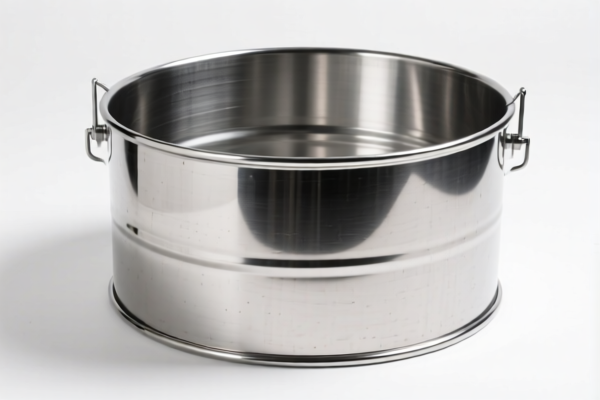
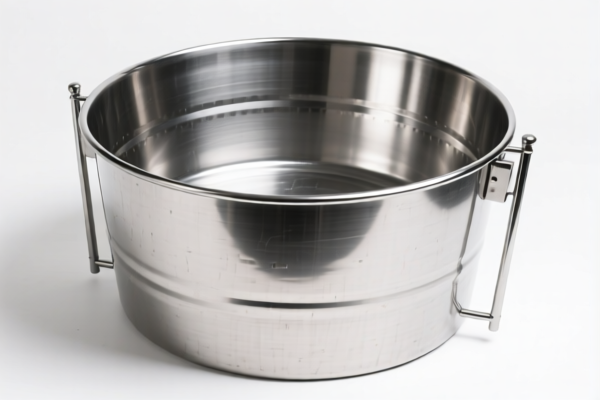
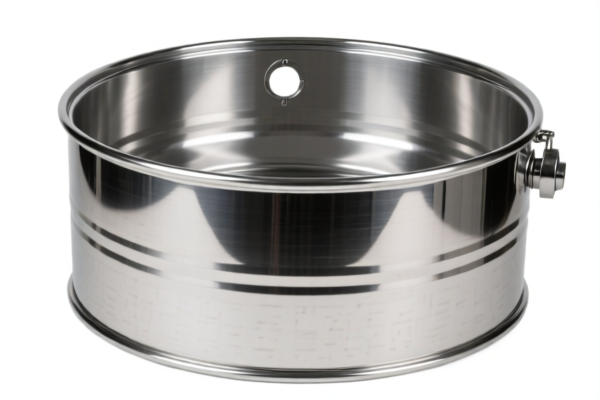
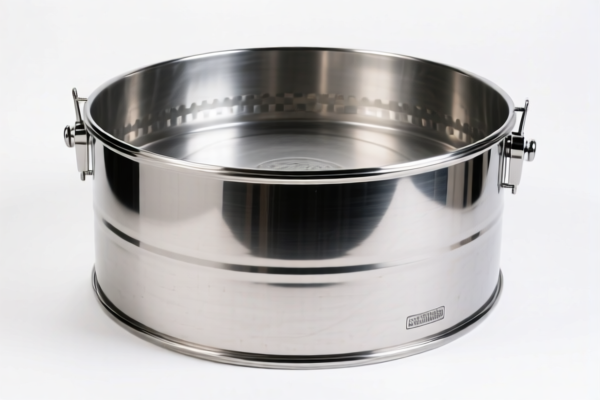
AI Analysis
🚛 200L Steel Drum Brake Fluid: HS Code Classification & Clearance Strategy (2026)
🌐 HS Code Reference & Clearance Guide | Latest 2026 Tariff Analysis | Professional-Level Customs Strategy
📌 I. Product Definition & Classification: Are You Classifying "Brake Fluid" or "Steel Drums"?
Brake Fluid in 200L Steel Drums is a high-risk commodity for customs classification because it involves two distinct components: 1. The Content: Hydraulic brake fluid (Chemical/Mixture). 2. The Container: Steel drum (Metal Packaging).
In international trade, the classification depends entirely on which part is being declared. Is it the fluid itself (sold as chemical goods), or is it the drum (sold as packaging)?
⚠️ Critical Distinction:
- If the Brake Fluid is the primary good → Classify under Chapter 38 (Miscellaneous Chemical Products).
- If the Steel Drum is the primary good (empty or filled for transport as packaging) → Classify under Chapter 73 (Articles of Iron or Steel).
📦 II. HS Code Classification Details (2026 Latest Tariff Authority)
Based on the provided data, here are the three possible classifications and their corresponding tax implications:
| HS Code | Product Description | Scenario / Context | Total Tax Rate |
|---|---|---|---|
3819.00.00.90 |
Hydraulic Transmission Fluids, Other | Brake fluid is packaged in steel drums but declared as chemical goods. This code covers hydraulic brake fluids not specified elsewhere. | 41.5% |
3819.00.00.10 |
Hydraulic Brake Fluids | Brake fluid explicitly declared as hydraulic brake fluid with steel drum packaging. This is the most specific code for the chemical content. | 41.5% |
7310.10.00.90 |
Steel Drums (Containers) | The item is classified as iron/steel containers (capacity 50–300L). This applies if declaring the drum itself as the good, or if the fluid is incidental to the packaging declaration. | 85.0% |
🔍 Key Insight:
- Codes3819.00.00.90and3819.00.00.10both result in a 41.5% total tax rate.
- Code7310.10.00.90results in a significantly higher 85.0% total tax rate due to additional tariffs on steel products.
- Recommendation: Declare as Brake Fluid (HS 3819) to minimize tax burden, unless you are exporting empty drums.
💰 III. 2026 Tariff Rate Breakdown (Including Surtaxes & Policy Add-ons)
✅ Applicable Country: United States (US)
✅ Country of Origin: China (CN)
✅ Effective Date: November 10, 2025 (and subsequent imports)
🎯 1. 3819.00.00.10 & 3819.00.00.90 — Brake Fluid (Hydraulic)
| Item | Content |
|---|---|
| Base Duty Rate | 6.5% (Ad Valorem) |
| Section 301 Surcharge | +25.0% (Standard USITC Footnote for Chinese Chemicals) |
| Section 122 Tariff | +10.0% (Specific provision for certain industrial chemicals) |
| Total Effective Tax Rate | 41.5% |
| Tax Calculation | CIF Value × 41.5% |
| De Minimis Eligibility | ❌ Not Eligible (Denied due to high combined rate) |
| Legal Authority Path | Section 301: 9903.88.01 → Section 122 → USITC: 3819.00.00 |
📌 Explanation:
- The 6.5% is the standard Most Favored Nation (MFN) rate for brake fluids.
- The +25% is the standard Section 301 tariff on Chinese goods in Chapter 38.
- The +10% is the Section 122 tariff, which applies to specific industrial inputs.
- Total: 41.5%. This is a high-cost classification but significantly cheaper than the steel drum classification.
🎯 2. 7310.10.00.90 — Steel Drums (Iron/Steel Containers)
| Item | Content |
|---|---|
| Base Duty Rate | 0.0% (Ad Valorem) |
| Section 301 Surcharge | +25.0% (Standard USITC Footnote for Steel Products) |
| Section 122 Tariff | +10.0% |
| Steel, Aluminum, Copper Surcharge | +50.0% (Specific additional duty on steel articles) |
| Total Effective Tax Rate | 85.0% |
| Tax Calculation | CIF Value × 85.0% |
| De Minimis Eligibility | ❌ Not Eligible |
| Legal Authority Path | Steel/Aluminum/Copper: 9903.04.01 → Section 301 → Section 122 → USITC: 7310.10.00 |
📌 Warning:
- While the base rate is 0%, the additional steel surcharge of 50% makes this classification extremely expensive.
- Only use this code if you are exporting EMPTY steel drums. If the drum is filled with brake fluid, declaring it as a "steel drum" is considered misclassification and may lead to penalties.
🛠️ IV. Clearance Practical Advice (Real-World Pitfall Avoidance)
✅ 1. Documentation Checklist (Mandatory)
| Document | Required | Notes |
|---|---|---|
| Product Specification Sheet | ✔️ | Must clearly state "Brake Fluid" and chemical composition (e.g., DOT 3, DOT 4, DOT 5). |
| Safety Data Sheet (SDS) | ✔️ | Critical for Hazardous Goods. Brake fluid is often classified as flammable or corrosive. |
| UN Number & Packing Group | ✔️ | Must be declared for hazmat clearance (e.g., UN 1206 for Brake Fluids). |
| Commercial Invoice | ✔️ | Must specify: "Hydraulic Brake Fluid, Net Weight X kg, Gross Weight Y kg, Packaged in Steel Drum." |
| Certificate of Origin (CO) | ✔️ | To verify Chinese origin for tariff calculation. |
| Bill of Lading | ✔️ | Must match invoice weight and description. |
✅ 2. Declaration Strategy (Key Mnemonic)
🔥 "Fluid is Fluid, Drum is Drum. Don't Mix Unless Empty!"
| Scenario | Correct Declaration | Risk if Incorrect |
|---|---|---|
| Filled with Brake Fluid | HS 3819.00.00.10 or 3819.00.00.90 |
Misclassification as Steel → 85% Tax + Penalties |
| Empty Steel Drums | HS 7310.10.00.90 |
Declaring as Fluid → 41.5% Tax (Overpaid) |
| Drum + Fluid (Bundle) | Declare as Fluid Only | Splitting into two lines → Complexity + Higher Risk |
✅ 3. Special Handling for Hazmat
- Brake Fluid is Hazardous: Most brake fluids are classified as Class 3 Flammable Liquids or Class 8 Corrosive Substances.
- UN 1206: Ensure the UN number is clearly marked on the steel drum.
- Packaging Certification: The steel drum must meet UN specification packaging standards (e.g., UN 1A1/Y). Provide the UN certification number.
- Customs Inspection: High probability of inspection due to hazmat nature. Have SDS and packaging certs ready for immediate presentation.
🌍 V. Global Market Comparison (2026)
| Country/Region | Recommended HS Code | Tariff Rate (China Origin) | Certification Required | Notes |
|---|---|---|---|---|
| 🇺🇸 USA | 3819.00.00.10 / .90 |
41.5% | UN Packaging, SDS, DOT Compliance | High tariff due to Section 301 + 122. |
| 🇨🇳 China | 3819.00.00 |
~6-8% | CCC (if applicable), GB Standards | Low tariff. |
| 🇪🇺 EU | 3819.00 |
0-6.5% | REACH Registration, CLP Labeling | No Section 301 equivalent, but strict REACH. |
| 🇬🇧 UK | 3819.00 |
0-6.5% | UK REACH, CLP | Post-Brexit, follow UK-specific regulations. |
| 🇯🇵 Japan | 3819.00 |
0-6% | JIS Standards | No major surcharges. |
📌 Conclusion:
- USA is the most expensive market for brake fluid due to combined Section 301 and Section 122 tariffs.
- EU and UK have lower base tariffs but strict chemical registration (REACH/UK REACH).
- Avoid Classifying Filled Drums as Steel (HS 7310) in the US, as the 85% rate is punitive and risks customs seizure.
📌 VI. Common Mistakes & Pitfalls (Lessons Learned)
❌ Mistake 1: Declaring "Steel Drum" for filled brake fluid
👉 Consequence: 85% tax rate + Misclassification penalty. Customs may seize goods for false declaration.
❌ Mistake 2: Ignoring UN Packaging Certification
👉 Consequence: Carrier rejection or customs hold due to hazmat non-compliance. Brake fluid is flammable/corrosive.
❌ Mistake 3: Vague Description ("Chemical Liquid")
👉 Consequence: Customs delay for further classification. Always use "Hydraulic Brake Fluid" and specify DOT type.
❌ Mistake 4: Assuming "Drum" is the primary good when fluid is present
👉 Consequence: If the value of the fluid exceeds the drum, the fluid dictates classification. Use the General Rule of Interpretation (GRI) 3(b): "Essential character" is the brake fluid.
✅ Correct Practice:
"Hydraulic Brake Fluid, DOT 4, Net Weight 180 kg, Gross Weight 200 kg, Packaged in UN 1A1 Steel Drum, Hazmat Class 3/8, SDS Available"
🎯 VII. Conclusion: Professional Declaration, Save Costs!
🎯 Remember the Mnemonic:
🔹 "Fluid is 41.5%, Drum is 85%. Don't fill and call it steel!"
🔹 "SDS is king, UN drum is key. Clear customs fast, avoid being free!"
🔹 "HS Code decides fate. 41% vs 85%? Choose Fluid!"
📌 Pro Tip:
- For US Imports, budget for 41.5% total tax on Brake Fluid.
- Ensure your steel drums are UN-certified and marked correctly.
- If possible, explore Section 301 Exclusions (if applicable) or FTAs (if re-exported from a third country, though brake fluid is hard to qualify for).
- Pre-clearance: Submit a Binding Tariff Information (BTI) or Advance Ruling request to US Customs and Border Protection (CBP) for certainty.
📣 Immediate Action:
📞 Consult a licensed customs broker + Provide SDS + Verify UN Packaging Certification
🚀 Ensure smooth clearance, zero penalties, and optimized costs!
✨ Professional Clearance, Starting with Accurate Classification!
💼 Every dollar saved counts in global trade!
Customer Reviews
About HS Code Classification
The Harmonized System (HS) is an internationally standardized nomenclature developed by the World Customs Organization (WCO) to classify traded products. Over 200 countries use the HS system as the basis for customs tariffs, trade statistics, and import/export regulations.
Each HS code follows a hierarchical structure:
- Chapter (2 digits) — Broad category of goods (e.g., Chapter 84: Machinery and Mechanical Appliances)
- Heading (4 digits) — More specific grouping within the chapter
- Subheading (6 digits) — Internationally standardized breakdown, used by all WCO member countries
- National subdivisions (8-10 digits) — Country-specific extensions for further classification, such as US HTSUS 10-digit codes
Correct HS code classification is essential for smooth customs clearance, accurate duty payment, and compliance with trade regulations. Misclassification can lead to customs delays, overpayment of duties, or penalties.
When importing from CN to US, the applicable tariff rates may include:
- Most-Favored-Nation (MFN) rate — The standard duty rate applied to WTO members
- General rate — Applied to countries without trade agreements
- Trade remedy duties — Additional tariffs such as Section 301 (anti-dumping), Section 232 (national security), or countervailing duties
The information provided on this page is for reference purposes only. For official classification, please consult with your local customs authority or a licensed customs broker.