200gsm Polyester Cotton Trousers Fabric
CN → US| HS Code | Tariff Rate | Origin | Destination | Doc |
|---|---|---|---|---|
| 5512190015 | 48.6% | CN | US | Official Doc |
| 5514120020 | 49.9% | CN | US | Official Doc |
| 5211310035 | 43.1% | CN | US | Official Doc |
| 5211320020 | 43.1% | CN | US | Official Doc |
| 5514220020 | 49.9% | CN | US | Official Doc |
Product Images
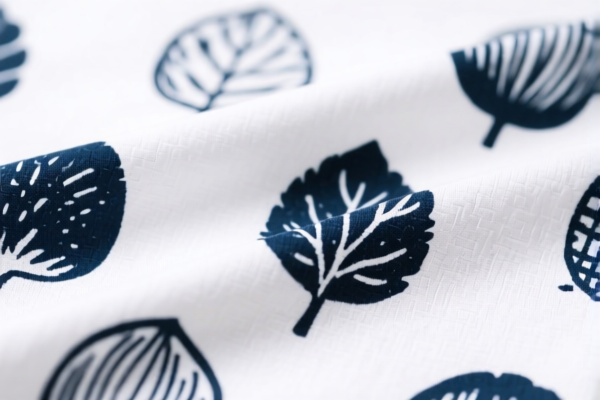
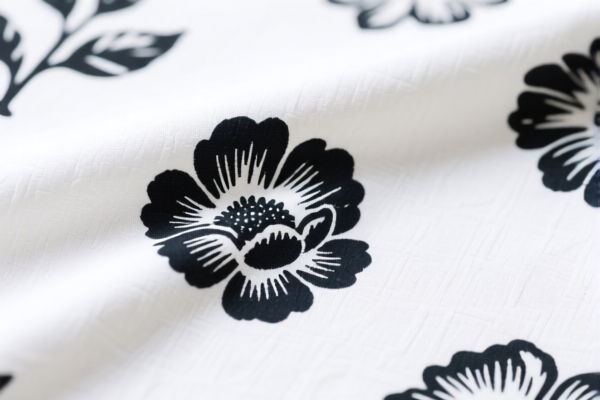
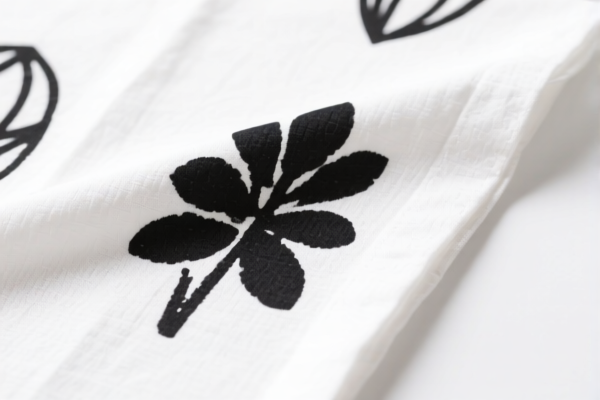
AI Analysis
👖 Polyester-Cotton Trousers Fabric (200gsm)
🌐 HS Code Reference & Customs Clearance Guide | 2026 Latest Tariff Analysis | Professional Clearance Strategy
📌 I. Product Definition & Classification: Are You Misidentifying Your Fabric?
Polyester-cotton blended fabrics are among the most common textile materials used in apparel manufacturing, particularly for trousers, workwear, and casual wear. The key differentiator in customs classification lies in the composition ratio, weight (GSM), and weave structure.
For "200gsm Polyester Cotton Trousers Fabric", the critical factors are: * Composition: Is it a pure polyester blend, or does it meet specific cotton thresholds? * Weight: 200gsm (grams per square meter) is a standard mid-weight fabric, falling into specific tariff brackets for "over 170g/m²" or "over 200g/m²" depending on the exact blend. * Weave: Is it plain weave (shirting/bedding style) or twill/serge (trouser/denim style)?
⚠️ Key Distinction Point:
- If the fabric is mostly polyester with less than specific cotton thresholds (e.g., <85% cotton) and meets weight criteria → It often falls under Chapter 55 (Synthetic Fibers) or Chapter 52 (Cotton) depending on the specific blend rules.
- Warning: Misclassification between "Synthetic Fiber Fabrics" (Ch 55) and "Cotton Fabrics" (Ch 52) can lead to significant duty differences due to Section 301 and Section 122 tariffs.
📦 II. HS Code Classification Details (2026 Latest Tariff Authority Comparison)
Based on the provided data for 200gsm Polyester Cotton Trousers Fabric, here are the possible HS codes and their implications. Note that slight variations in blend percentage or weave description can shift the code.
| HS Code | Product Description | Application Scenario | Key Classification Criteria |
|---|---|---|---|
5512.19.00.15 |
Polyester Cotton Fabric, meeting synthetic fiber ratio requirements, form: Poplin/Taffeta | Plain weave trousers, lightweight summer wear | Synthetic Fiber Dominant: "Poplin/Taffeta" classification implies a specific weave. Base Tariff: 13.6%. |
5514.12.00.20 |
涤棉混纺织物 (Poly-Cotton Blend), Weight 200gsm >170g/m², Twill or Plain | Standard workwear trousers, durable casual wear | Weight >170g/m²: Specifically captures fabrics over 170gsm. Base Tariff: 14.9%. |
5211.31.00.35 |
Polyester-Cotton Blended Woven Fabric, Cotton <85%, Weight 200gsm | Heavy-duty trousers, specific cotton blend <85% | Cotton <85% & Weight >200gsm: Falls under Chapter 52 (Cotton) but with synthetic dominant rules. Base Tariff: 8.1%. |
5211.32.00.20 |
Cotton Content <85% & Dyed Polyester-Cotton Woven Fabric, Weight 200gsm | Dyed twill/plain trousers, specific dyeing process | Dyed & Weight >200gsm: Similar to above, focuses on dyeing status and weight. Base Tariff: 8.1%. |
5514.22.00.20 |
Poly-Cotton Blend, Weight 200gsm >170g/m², Synthetic-Cotton Blend Feature | General purpose poly-cotton blends | Weight >170g/m²: Another entry for heavier blends. Base Tariff: 14.9%. |
🔍 Critical Reminder:
- Weight Matters: Codes under 5514 specifically mention "over 170g/m²," while 5211 codes mention "over 200g/m²." Ensure your 200gsm sample is tested accurately.
- Cotton Threshold: If cotton is <85%, it may still be classified under Chapter 52 if the cotton content is significant, but the duty rate is lower (8.1% base) compared to pure synthetic blends (13.6%-14.9% base).
- Weave Type: "Poplin/Taffeta" (5512) vs. "Twill/Plain" (5514/5211) can change the code even if the GSM is the same.
💰 III. 2026 Latest Tariff Rate Breakdown (Including Additional Taxes, Policy Surcharges)
✅ Applicable Country: United States (US)
✅ Origin: China (CN)
✅ Effective Date: 2025-11-10 onwards (including subsequent imports)
🎯 1. 5512.19.00.15 —— Polyester Cotton Fabric (Poplin/Taffeta)
| Item | Detail |
|---|---|
| Base Tariff | 13.6% (Ad Valorem) |
| Section 301 Surcharge | +25.0% |
| Section 122 Surcharge | +10.0% |
| Total Tariff | 48.6% |
| Tax Calculation | CIF Value × 48.6% |
| De Minimis Eligible? | ❌ No (deny_de_minimis) |
| Legal Basis | Section 301: Footnote 9903.88.01 → Section 122: IEPEA:9903.01.24 → USITC:5512.19.00.15 |
📌 Explanation:
- This code carries a high base tariff (13.6%) due to its classification under Chapter 55 (Synthetic Fibers) for specific weaves.
- Total 48.6% is extremely high. Importers must verify if the fabric truly qualifies as "Poplin/Taffeta" or if a lower-weight/blend code applies.
🎯 2. 5514.12.00.20 & 5514.22.00.20 —— Poly-Cotton Blend (Weight >170g/m²)
| Item | Detail |
|---|---|
| Base Tariff | 14.9% (Ad Valorem) |
| Section 301 Surcharge | +25.0% |
| Section 122 Surcharge | +10.0% |
| Total Tariff | 49.9% |
| Tax Calculation | CIF Value × 49.9% |
| De Minimis Eligible? | ❌ No |
| Legal Basis | Section 301: Footnote 9903.88.01 → Section 122: IEPEA:9903.01.24 → USITC:5514.12.00.20 |
📌 Explanation:
- These codes are for heavier blends (>170gsm). The base tariff is slightly higher (14.9%) than the 5512 code.
- Total 49.9% is the highest rate in the dataset. Avoid this code unless the fabric is strictly >170gsm and fits the Chapter 55 blend rules.
🎯 3. 5211.31.00.35 & 5211.32.00.20 —— Poly-Cotton Blend (Cotton <85%, Weight >200gsm)
| Item | Detail |
|---|---|
| Base Tariff | 8.1% (Ad Valorem) |
| Section 301 Surcharge | +25.0% |
| Section 122 Surcharge | +10.0% |
| Total Tariff | 43.1% |
| Tax Calculation | CIF Value × 43.1% |
| De Minimis Eligible? | ❌ No |
| Legal Basis | Section 301: Footnote 9903.88.01 → Section 122: IEPEA:9903.01.24 → USITC:5211.31.00.35 |
📌 Explanation:
- This is the LOWEST total tariff (43.1%) among the options.
- Key Condition: Cotton content must be <85% but significant enough to keep it in Chapter 52 (Cotton).
- Weight Must Be >200gsm. If your fabric is exactly 200gsm, it qualifies.
- Strategy: If you can prove the fabric is a poly-cotton blend with <85% cotton and weight ≥200gsm, prefer this code to save 6.5% compared to the 5514 codes.
🛠️ IV. Customs Clearance Practical Advice (Real-World Pitfall Avoidance Guide)
✅ 1. Required Documentation List (None Optional)
| Document | Mandatory | Note |
|---|---|---|
| ✅ Product Specification Sheet | ✔️ | Must include: GSM (exact), Composition (e.g., 65% Poly/35% Cotton), Weave Type, Dyeing Method. |
| ✅ Fabric Swatch/Test Report | ✔️ | Third-party lab report confirming GSM and fiber composition. Crucial for 5211 vs 5514 distinction. |
| ✅ Commercial Invoice | ✔️ | Must clearly state "Polyester Cotton Woven Fabric, 200gsm" and HS Code. |
| ✅ Packing List | ✔️ | Details roll length, weight, and dimensions. |
| ✅ Certificate of Origin (CO) | ✔️ | If applicable for other countries, but for US/China, origin declaration is key. |
✅ 2. Declaration Tips (Key Mantra)
🔥 "GSM is King, Composition is Queen, Weave is the Crown!"
| Scenario | Correct Declaration | Incorrect Practice |
|---|---|---|
| Fabric is 200gsm, Cotton 35% | Use 5211.31.00.35 (43.1% total) |
Use 5514... (49.9% total) → Overpay by 6.5%! |
| Fabric is 180gsm | Use 5514.12.00.20 (49.9% total) |
Use 5211... (Requires >200gsm) → Customs Rejection! |
| Fabric is Pure Polyester | Use 5512.19.00.15 (48.6% total) |
Claim it’s poly-cotton → Fraud Risk! |
| Twill Weave vs Plain Weave | Specify "Twill" or "Plain" | Vague description "Trousers Fabric" → Audits & Delays |
✅ 3. Special Case Handling
| Scenario | Handling Advice |
|---|---|
| Borderline GSM (195gsm vs 200gsm) | Get a certified test report. If <200gsm, cannot use 5211 codes. |
| Dyed vs Bleached | 5211.32.00.20 specifies "Dyed." If bleached, the code may differ. Check HS subheadings. |
| OEM Custom Fabric | Provide buyer’s specification sheet to prove exact composition and weight. |
| Mixed Shipment | If you have both <200gsm and >200gsm fabrics, declare separately to avoid incorrect classification of the whole batch. |
🌍 V. Global Market Customs Comparison (2026 Latest)
| Country/Region | Recommended HS Code | Tariff (Base + Add) | Certification | Note |
|---|---|---|---|---|
| 🇺🇸 USA | 5211.31.00.35 (Best) |
43.1% (China Origin) | None | Highest effective tariff globally due to Sec 301 & 122. |
| 🇨🇳 China | 5211.31.00.35 |
8.1% (Base) | None | No additional tariffs for domestic trade. |
| 🇪🇺 EU | 5211.31.00.35 |
8.1% (MFN) | REACH | No Section 301/122 equivalents. Lower cost than US. |
| 🇬🇧 UK | 5211.31.00.35 |
8.1% (MFN) | UKCA | Post-Brexit, similar to EU but independent rules. |
| 🇯🇵 Japan | 5211.31.00.35 |
10.3% (MFN) | JIS | Competitive tariff, no US-style punitive taxes. |
📌 Conclusion:
- USA is the most expensive market for poly-cotton fabrics due to叠加 tariffs (35% total additional).
- Optimize for US Market: Ensure cotton is <85% and weight ≥200gsm to use5211codes (43.1% total) rather than5514(49.9% total).
📌 VI. Common Errors & Pitfall Guide (Blood & Tears Lessons)
❌ Error 1: Declaring 180gsm fabric as 5211.31.00.35 (Requires >200gsm)
👉 Consequence: Customs rejection, fine, and potential seizure.
👉 Fix: Use 5514.12.00.20 for <200gsm blends.
❌ Error 2: Declaring 65% Cotton fabric as 5512.19.00.15
👉 Consequence: Overpayment of 5.5% (48.6% vs 43.1%).
👉 Fix: Verify if it meets Chapter 52 criteria. If cotton is significant (<85% but >some threshold), 5211 is cheaper.
❌ Error 3: Ignoring the "Section 122" 10% surcharge
👉 Consequence: Underestimating landed cost by 10%.
👉 Fix: Always include the +10% in your CIF cost analysis.
❌ Error 4: Vague Description "Trousers Material"
👉 Consequence: Customs may reclassify based on best evidence, potentially leading to a higher code.
👉 Fix: Use precise terms: "Poly-Cotton Woven Fabric, 200gsm, 65/35 Blend, Plain Weave."
✅ Correct Approach:
"Poly-Cotton Woven Fabric, 200gsm, 65% Polyester / 35% Cotton, Plain Weave, Dyed, for Trousers"
→ HS Code:5211.31.00.35
→ Total Duty: 43.1%
🎯 VII. Conclusion: Professional Declaration, Save Money, Ensure Compliance!
🎯 Remember the Mantra:
🔹 "GSM over 200? Cotton under 85%? Use 5211 (43.1%)!"
🔹 "GSM under 200? Use 5514 (49.9%)!"
🔹 "Pure Polyester? Use 5512 (48.6%)!"
🔹 "Don't guess the weave! It changes the code!"
📌 Pro Tip:
If your fabric is originally manufactured in Vietnam, Thailand, or Bangladesh, you may be eligible for preferential tariffs (e.g., under GSP or FTAs), reducing the base tariff significantly. However, Section 301 and 122 tariffs often still apply to Chinese-origin inputs. Always check the Country of Origin rules carefully.
📣 Immediate Action:
📞 Contact a Customs Broker + Provide Lab Test Report + Apply for Advance Ruling (if unsure)
🚀 Let your fabric clear customs smoothly, efficiently, and cost-effectively!
✨ Professional Clearance Starts with Accurate Classification!
💼 Every cent of tax savings counts!
Customer Reviews
About HS Code Classification
The Harmonized System (HS) is an internationally standardized nomenclature developed by the World Customs Organization (WCO) to classify traded products. Over 200 countries use the HS system as the basis for customs tariffs, trade statistics, and import/export regulations.
Each HS code follows a hierarchical structure:
- Chapter (2 digits) — Broad category of goods (e.g., Chapter 84: Machinery and Mechanical Appliances)
- Heading (4 digits) — More specific grouping within the chapter
- Subheading (6 digits) — Internationally standardized breakdown, used by all WCO member countries
- National subdivisions (8-10 digits) — Country-specific extensions for further classification, such as US HTSUS 10-digit codes
Correct HS code classification is essential for smooth customs clearance, accurate duty payment, and compliance with trade regulations. Misclassification can lead to customs delays, overpayment of duties, or penalties.
When importing from CN to US, the applicable tariff rates may include:
- Most-Favored-Nation (MFN) rate — The standard duty rate applied to WTO members
- General rate — Applied to countries without trade agreements
- Trade remedy duties — Additional tariffs such as Section 301 (anti-dumping), Section 232 (national security), or countervailing duties
The information provided on this page is for reference purposes only. For official classification, please consult with your local customs authority or a licensed customs broker.