3 Brown 100ml Bottles
CN → US| HS Code | Tariff Rate | Origin | Destination | Doc |
|---|---|---|---|---|
| 3923300090 | 38.0% | CN | US | Official Doc |
| 7013993000 | 26.5% | CN | US | Official Doc |
| 7013995010 | 40.0% | CN | US | Official Doc |
| 3923300090 | 38.0% | CN | US | Official Doc |
| 7013993000 | 26.5% | CN | US | Official Doc |
Product Images
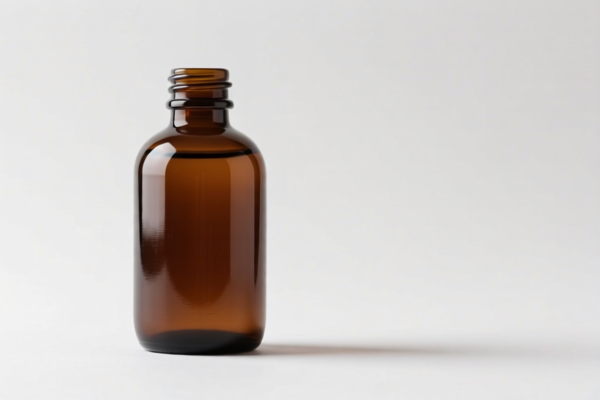
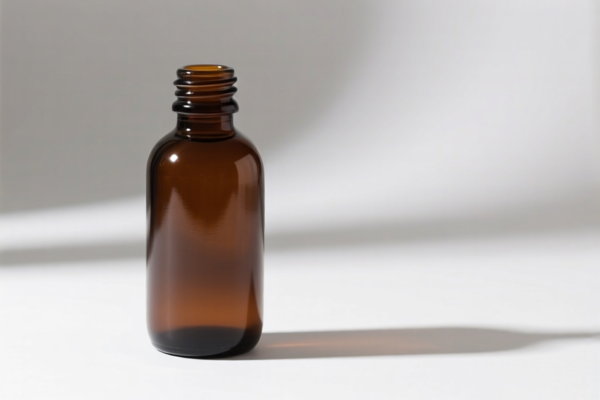
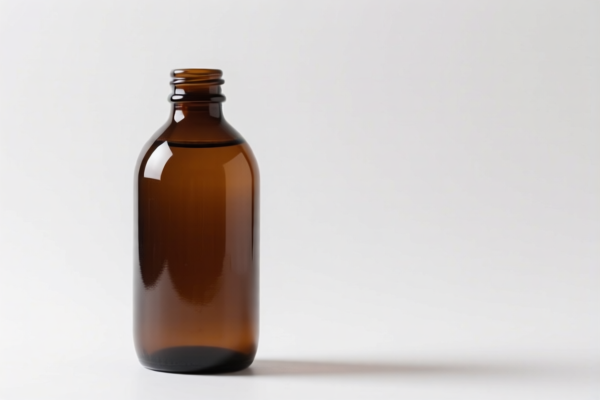
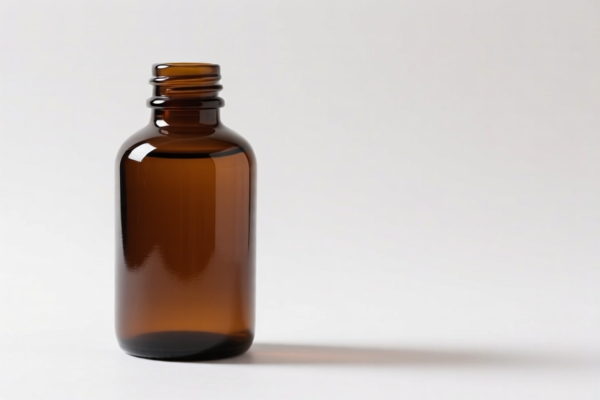
AI Analysis
🧪 Brown 100ml Bottles: Glass vs. Plastic Classification & US Customs Guide
🌐 HS Code Reference & Customs Clearance Guide | 2026 Latest Tariff Analysis | Professional Entry Strategy
📌 I. Product Definition & Classification: Are You Shipping Glass or Plastic?
"Brown 100ml Bottles" are standard containers used in pharmaceuticals, cosmetics, essential oils, and laboratory settings. The key to accurate classification is material composition, as the tax treatment differs significantly between glass and plastic.
Brown Glass Bottles: Made from soda-lime or borosilicate glass, often with a frosted finish or specific closures. Designed for light-sensitive liquids. Brown Plastic Bottles: Made from HDPE, PET, or other polymers. Designed for lightweight, shatter-resistant storage.
⚠️ Critical Distinction:
- If the bottle is Glass → Look at Chapter 70 (Glassware).
- If the bottle is Plastic → Look at Chapter 39 (Plastics).
- Material misclassification is the #1 cause of customs delays and penalties.
📦 II. HS Code Classification Details (2026 Latest Tariff Reference)
Based on the provided data, here are the applicable HS Codes for Brown 100ml Bottles.
| HS Code | Product Description | Material | Tax Rate (Total) | Key Tax Components |
|---|---|---|---|---|
7013.99.30.00 |
Glass bottles with frosted glass stoppers | 🟤 Glass | 26.5% | Base: 9% + Addl: 7.5% + Sec 301: 10% |
7013.99.50.10 |
Other glass articles for holding liquids | 🟤 Glass | 40.0% | Base: 30% + Addl: 0% + Sec 301: 10% |
3923.30.00.90 |
Plastic bottles (>50ml capacity) | 🟤 Plastic | 38.0% | Base: 3% + Addl: 25% + Sec 301: 10% |
🔍 Important Note:
-3923.30.00.90appears twice in the data but applies to the same plastic category:
- Case 1: Plastic bottles >50ml.
- Case 2: Large plastic bottles, flasks, and similar articles.
- Both plastic entries result in a 38.0% total tax rate.
💰 III. 2026 Latest Tariff Rate Breakdown (US Import from China)
✅ Destination: United States (US)
✅ Origin: China (CN) (Assumed based on "Section 301" and "122 Clause" context)
✅ Effective Date: Current rates apply as per 2025-2026 trade policies.
🎯 1. Plastic Bottles: 3923.30.00.90
适用场景: Brown HDPE/PET bottles for oils, drugs, or cosmetics.
| Item | Detail |
|---|---|
| Base Tariff | 3.0% |
| Section 301 Additional Tariff | +25.0% |
| Section 122 Tariff | +10.0% |
| Total Tax Rate | 38.0% |
| Calculation | CIF Value × 38.0% |
| De Minimis Exemption? | ❌ NO (Values >$800 may be subject to scrutiny; < $800 parcels still face duties if classified incorrectly or if carrier refuses clearance). |
📌 Explanation:
- Plastic packaging materials from China are heavily taxed due to Section 301 trade actions.
- The 38% rate is steep and significantly impacts margin.
- Section 122 (10%) is an additional safeguard tariff, often applied to textile/plastic imports during balance-of-payment concerns.
🎯 2. Glass Bottles (Frosted Stopper): 7013.99.30.00
适用场景: Brown glass bottles with frosted glass stoppers, typically for high-end cosmetics or essential oils.
| Item | Detail |
|---|---|
| Base Tariff | 9.0% |
| Section 301 Additional Tariff | +7.5% |
| Section 122 Tariff | +10.0% |
| Total Tax Rate | 26.5% |
| Calculation | CIF Value × 26.5% |
| De Minimis Exemption? | ❌ NO |
📌 Explanation:
- Glassware generally has a lower base tariff but still faces Section 301 and 122 duties.
- 26.5% is lower than plastic in this specific dataset, but the product must have a frosted glass stopper to qualify.
🎯 3. Glass Bottles (General Liquid Containers): 7013.99.50.10
适用场景: Other glass articles used for holding liquids, not specifically with frosted stoppers.
| Item | Detail |
|---|---|
| Base Tariff | 30.0% |
| Section 301 Additional Tariff | 0.0% |
| Section 122 Tariff | +10.0% |
| Total Tax Rate | 40.0% |
| Calculation | CIF Value × 40.0% |
| De Minimis Exemption? | ❌ NO |
📌 Explanation:
- This category has a high base tariff (30%) but no Section 301 additional duty.
- However, the 10% Section 122 brings the total to 40%, making it the most expensive option in this dataset.
- Strategy: Avoid this code if possible. Prefer7013.99.30.00(26.5%) if your glass bottles can be classified as having specific stoppers/features.
🛠️ IV. Customs Clearance Practical Advice
✅ 1. Documentation Checklist (Essential)
| Document | Required? | Purpose |
|---|---|---|
| ✅ Commercial Invoice | ✔️ | Must clearly state "Brown [Glass/Plastic] Bottles, 100ml, Empty." |
| ✅ Packing List | ✔️ | Detail weight, dimensions, and carton count. |
| ✅ Product Photos | ✔️ | Show material texture, stopper type, and volume markings. |
| ✅ Material Declaration | ✔️ | Explicitly state "100% Glass" or "100% Plastic (HDPE/PET)." |
| ✅ Letter of Authorization | ✔️ | If using a broker, authorize them to classify. |
✅ 2. Classification Strategy (Key Tips)
🔥 "Material First, Feature Second!"
| Scenario | Correct HS Code | Reason |
|---|---|---|
| Plastic Bottle >50ml | 3923.30.00.90 |
Direct match for plastic bottles. Tax: 38%. |
| Glass Bottle with Frosted Stopper | 7013.99.30.00 |
Specific subheading for glassware with frosted stoppers. Tax: 26.5%. |
| Glass Bottle (Generic) | 7013.99.50.10 |
Catch-all for other glass liquid containers. Tax: 40%. |
⚠️ Warning:
- Do not declare "Brown Bottles" vaguely. Specify material and capacity.
- If you ship Plastic, expect 38% duty.
- If you ship Glass with Frosted Stoppers, expect 26.5% duty.
- If you ship Generic Glass, expect 40% duty.
✅ 3. Cost Optimization Tips
- Material Substitution:
- If possible, consider if your product can be shipped in Plastic instead of Generic Glass?
- Plastic: 38%
- Generic Glass: 40%
- Frosted Glass: 26.5%
-
Best Case: Use Glass with Frosted Stoppers (
7013.99.30.00) for the lowest tax rate (26.5%). -
Section 122 Awareness:
-
The 10% Section 122 tariff applies to all categories in this dataset. There is no exemption currently visible in the data. Plan for this 10% cost adder.
-
De Minimis Risk:
- While parcels under $800 may enter duty-free under de minimis rules (Section 321), customs is increasingly scrutinizing glass and plastic items from China.
- Recommendation: For bulk shipments, always pay the duty to avoid seizure or return.
🌍 V. Global Market Comparison (Quick Reference)
| Market | Likely HS Code | Est. Duty (China Origin) | Notes |
|---|---|---|---|
| 🇺🇸 USA | 3923.30.00.90 / 7013.99.30.00 |
26.5% - 40% | High Section 301 + 122 duties. |
| 🇨🇳 China | 3923.30.00.00 / 7013.99.00.00 |
~5% - 10% | Lower import duties, no Section 301. |
| 🇪🇺 EU | 3923.30.90 / 7013.99.00 |
~4% - 7% | No Section 301, but VAT applies. |
| 🇬🇧 UK | 3923.30.90 / 7013.99.00 |
~4% - 7% | Post-Brexit duties apply. |
📌 Conclusion:
The USA is the most challenging market due to Section 301 and Section 122 tariffs.
Glass bottles with frosted stoppers offer the lowest tax burden (26.5%) among the given options.
📌 VI. Common Mistakes & Pitfalls
❌ Mistake 1: Declaring "Bottles" without material.
👉 Consequence: Customs will assign the highest default rate or request additional info → Delay.
❌ Mistake 2: Confusing 7013.99.30.00 (Frosted Stopper) with 7013.99.50.10 (Generic).
👉 Consequence: Overpaying 13.5% in duties if you qualify for the lower rate.
❌ Mistake 3: Ignoring Section 122.
👉 Consequence: Underquoting landed cost → Profit Erosion.
✅ Correct Practice:
"Brown HDPE Plastic Bottles, 100ml, Empty, for Cosmetic Use" →
3923.30.00.90(38%)
"Brown Glass Bottles with Frosted Glass Stoppers, 100ml, Empty" →7013.99.30.00(26.5%)
🎯 VII. Final Recommendation
🎯 Action Plan:
1. Identify Material: Is it Glass or Plastic?
2. Check Glass Features: Does it have a frosted glass stopper?
- ✅ Yes → Use 7013.99.30.00 (26.5%).
- ❌ No → Use 7013.99.50.10 (40%) or 3923.30.00.90 if plastic (38%).
3. Calculate Landed Cost: Include CIF + Duty (26.5%-40%) + Handling Fees.
4. Document Clearly: Specify material and capacity on the invoice.
📣 Pro Tip:
If you are shipping Glass, try to design bottles with frosted stoppers to save 11.5%-13.5% in duties compared to other glass or plastic options.
✨ Accurate Classification = Lower Taxes = Higher Profits!
💼 Consult a licensed customs broker for pre-clearance rulings if volume is high.
Customer Reviews
About HS Code Classification
The Harmonized System (HS) is an internationally standardized nomenclature developed by the World Customs Organization (WCO) to classify traded products. Over 200 countries use the HS system as the basis for customs tariffs, trade statistics, and import/export regulations.
Each HS code follows a hierarchical structure:
- Chapter (2 digits) — Broad category of goods (e.g., Chapter 84: Machinery and Mechanical Appliances)
- Heading (4 digits) — More specific grouping within the chapter
- Subheading (6 digits) — Internationally standardized breakdown, used by all WCO member countries
- National subdivisions (8-10 digits) — Country-specific extensions for further classification, such as US HTSUS 10-digit codes
Correct HS code classification is essential for smooth customs clearance, accurate duty payment, and compliance with trade regulations. Misclassification can lead to customs delays, overpayment of duties, or penalties.
When importing from CN to US, the applicable tariff rates may include:
- Most-Favored-Nation (MFN) rate — The standard duty rate applied to WTO members
- General rate — Applied to countries without trade agreements
- Trade remedy duties — Additional tariffs such as Section 301 (anti-dumping), Section 232 (national security), or countervailing duties
The information provided on this page is for reference purposes only. For official classification, please consult with your local customs authority or a licensed customs broker.