3 Pack 6 Inch Transparent Plastic Ruler
CN → US| HS Code | Tariff Rate | Origin | Destination | Doc |
|---|---|---|---|---|
| 9017800000 | 40.3% | CN | US | Official Doc |
| 3916905000 | 40.8% | CN | US | Official Doc |
| 3926100000 | 15.3% | CN | US | Official Doc |
| 3926901000 | 20.9% | CN | US | Official Doc |
Product Images
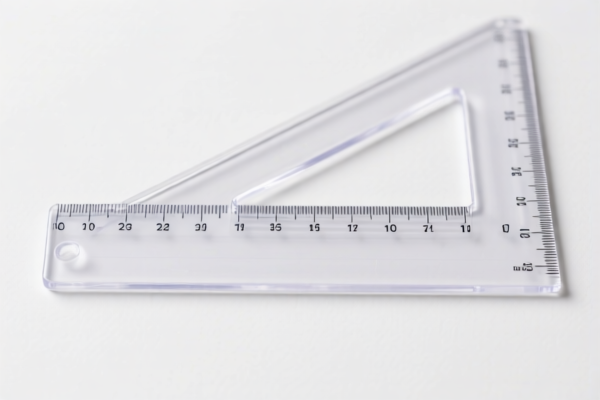
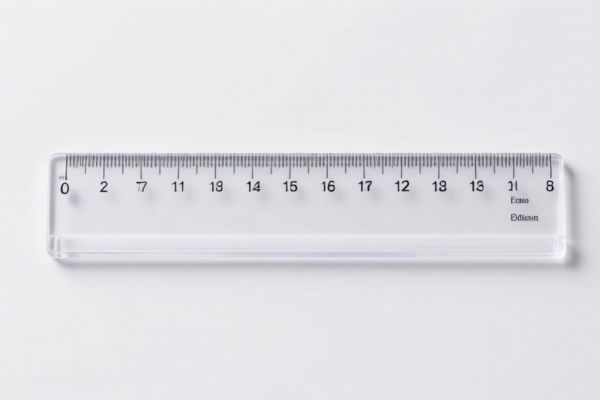
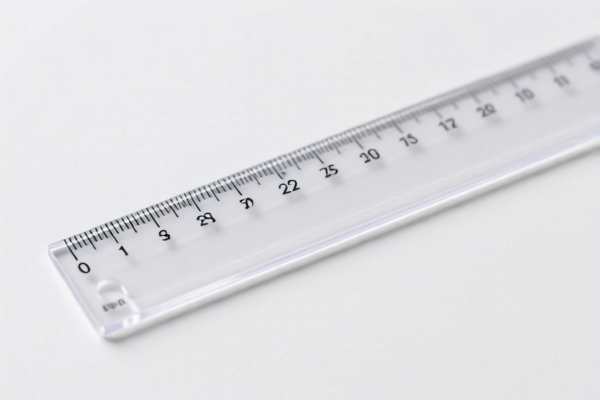
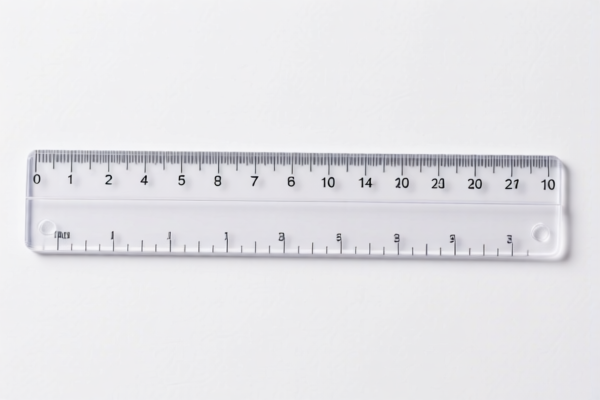
AI Analysis
📏 3 Pack 6 Inch Transparent Plastic Ruler (Measuring Instrument)
🌐 HS Code Classification & Customs Clearance Guide | 2024 Latest Tariff Analysis | Professional Compliance Strategy
📌 I. Product Definition & Core Characteristics: What is a "Plastic Ruler"?
A 6-inch transparent plastic ruler is a basic length-measuring instrument, widely used in education, office work, and drafting. In international trade, its classification depends heavily on material composition, intended use, and degree of processing.
While it seems simple, misclassification can lead to significant tariff differences due to Section 301 and Section 122 additional duties. Below is the detailed breakdown based on the provided data.
⚠️ Key Distinction Point:
- If classified as a "Measuring Instrument" → Higher tariff due to Section 301.
- If classified as "Stationery/Office Supply" → Lower tariff (no Section 301).
- If classified as "Plastic Profile/Product" → Moderate tariff.
📦 II. HS Code Classification Details (2024 Tariff Schedule)
| HS Code | Product Description | Summary from Data | Total Tax Rate | Tax Breakdown |
|---|---|---|---|---|
| 9017.80.00.00 | Transparent Plastic Ruler as a Length Measuring Instrument | Measuring Instrument | 40.3% | Base: 5.3% Sec. 301: 25.0% Sec. 122: 10% |
| 3916.90.50.00 | Plastic Ruler as Unprocessed Plastic Profile | Plastic Extrusion | 40.8% | Base: 5.8% Sec. 301: 25.0% Sec. 122: 10% |
| 3926.10.00.00 | Plastic Ruler as Office/School Supplies | Stationery Item | 15.3% | Base: 5.3% Sec. 301: 0.0% Sec. 122: 10% |
| 3926.90.10.00 | Plastic Ruler as Other Plastic Product | General Plastic Item | 20.9% | Base: 3.4% Sec. 301: 7.5% Sec. 122: 10% |
🔍 Critical Note:
- The tax rate difference between3926.10.00.00(15.3%) and9017.80.00.00(40.3%) is 25%.
- This 25% gap is entirely due to Section 301 Additional Duties.
- Optimal Strategy: Aim for 3926.10.00.00 if the product qualifies as "Office/School Supplies."
💰 III. Detailed Tariff Rate Explanation (2024)
✅ Applicable Country: United States (US)
✅ Origin: China (CN)
✅ Effective Date: Current (Subject to USTR Updates)
🎯 1. 9017.80.00.00 —— Transparent Plastic Ruler as Measuring Instrument
| Item | Content |
|---|---|
| Base Duty Rate | 5.3% |
| Section 301 Duty | +25.0% (USTR List 4A) |
| Section 122 Duty | +10.0% (Emergency Powers) |
| Total Effective Rate | 40.3% |
| Calculation | CIF Value × 40.3% |
| De Minimis Exemption | ❌ Not Eligible (Section 301 goods are excluded from $800 de minimis) |
| Legal Basis | USITC:9017.80.00.00 + USTR:List4A + IEEPA:Sec122 |
📌 Explanation:
- Classifying rulers as "measuring instruments" triggers the full Section 301 burden.
- This is the highest cost option unless the ruler is specifically designed for high-precision scientific use (which a standard 6-inch ruler is not).
🎯 2. 3916.90.50.00 —— Plastic Ruler as Unprocessed Plastic Profile
| Item | Content |
|---|---|
| Base Duty Rate | 5.8% |
| Section 301 Duty | +25.0% |
| Section 122 Duty | +10.0% |
| Total Effective Rate | 40.8% |
| Calculation | CIF Value × 40.8% |
| De Minimis Exemption | ❌ Not Eligible |
| Legal Basis | USITC:3916.90.50.00 + USTR:List4A |
📌 Explanation:
- This classification treats the ruler as a "plastic rod/profile" rather than a finished good.
- It is not recommended for finished rulers, as it incurs the highest total tax (40.8%) and misrepresents the product form.
🎯 3. 3926.10.00.00 —— Plastic Ruler as Office/School Supplies (🏆 BEST OPTION)
| Item | Content |
|---|---|
| Base Duty Rate | 5.3% |
| Section 301 Duty | 0.0% (Exempt) |
| Section 122 Duty | +10.0% |
| Total Effective Rate | 15.3% |
| Calculation | CIF Value × 15.3% |
| De Minimis Exemption | ❌ Not Eligible (Section 122 still applies) |
| Legal Basis | USITC:3926.10.00.00 |
📌 Explanation:
- This is the most cost-effective classification.
- Why? Rulers are standard school and office supplies. Under HTSUS, stationery items often fall under 3926.10 ("Office or school supplies").
- Crucial Benefit: 0% Section 301 Duty saves 25% on the total tax burden compared to other classifications.
🎯 4. 3926.90.10.00 —— Plastic Ruler as Other Plastic Product
| Item | Content |
|---|---|
| Base Duty Rate | 3.4% |
| Section 301 Duty | +7.5% |
| Section 122 Duty | +10.0% |
| Total Effective Rate | 20.9% |
| Calculation | CIF Value × 20.9% |
| De Minimis Exemption | ❌ Not Eligible |
| Legal Basis | USITC:3926.90.10.00 |
📌 Explanation:
- A middle-ground option if the product doesn't strictly qualify as "office supplies" but is a finished plastic good.
- Still significantly cheaper than 40%+ options.
🛠️ IV. Customs Clearance Practical Advice (Avoid Pitfalls)
✅ 1. Preparation Checklist (Must-Have Documents)
| Document | Required | Purpose |
|---|---|---|
| ✅ Product Description | ✔️ | Must explicitly state "Plastic Ruler for Office/School Use" |
| ✅ Photos | ✔️ | Show clear markings, transparency, and packaging (3-pack) |
| ✅ Bill of Lading | ✔️ | Ensure HS Code matches 3926.10.00.00 |
| ✅ Invoice | ✔️ | Declare value accurately; avoid "Free Sample" claims if sold |
| ✅ Origin Certificate | ✔️ | Confirm China origin to apply correct Section 122/301 rules |
✅ 2. Classification Strategy (Key Tactics)
🔥 "Position as Stationery, Not Instrument!"
| Scenario | Recommended HS Code | Reason |
|---|---|---|
| Standard 6-inch clear ruler | 3926.10.00.00 |
Fits "Office/School Supplies" perfectly. Saves 25% in duties. |
| Industrial/mechanical gauge | 9017.80.00.00 |
Only if used for precision engineering (not for this product). |
| Unfinished plastic strips | 3916.90.50.00 |
Not applicable for finished, marked rulers. |
⚠️ Warning:
- Do NOT use the term "Measuring Instrument" in your commercial invoice if you aim for3926.10.00.00.
- Use terms like: "Plastic Ruler, School Supply, 6-inch, Clear".
✅ 3. Special Considerations
| Issue | Handling Advice |
|---|---|
| Section 122 Duty | Still applies (10%) regardless of classification. Cannot be avoided for Chinese origin. |
| De Minimis ($800) | ❌ Excluded. Section 122 and Section 301 goods are not eligible for the $800 de minimis exemption. Even a $100 package must pay duties at customs. |
| Packaging | "3 Pack" is fine. Declare as "Set of 3" or list unit price clearly. |
🌍 V. Global Market Comparison (2024)
| Market | Recommended HS Code | Est. Duty | Notes |
|---|---|---|---|
| 🇺🇸 USA | 3926.10.00.00 |
15.3% | Best option: Avoids Section 301. |
| 🇨🇳 China (Export) | Various | 0-5% | Check export tax rebates. |
| 🇪🇺 EU | 9017.80 or 3917 |
4-6.5% | Lower tariffs, but strict CE/RoHS. |
| 🇬🇧 UK | 9017.80 |
4% | Post-Brexit tariff structure. |
📌 Conclusion:
- USA is the most challenging market due to Section 122 (10%) and potential Section 301 (25%).
- Optimal Strategy: Use3926.10.00.00to minimize US import costs.
📌 VI. Common Mistakes & Pitfalls (Learn from Others)
❌ Mistake 1: Declaring as "Measuring Device"
👉 Result: Pays 40.3% tax. Unnecessary cost increase.
👉 Fix: Change description to "School Stationery."
❌ Mistake 2: Assuming De Minimis Applies
👉 Result: Goods held at customs for duty payment.
👉 Fix: Prepare cash flow for 15.3% duty on all shipments from China.
❌ Mistake 3: Mixed HS Codes in One Shipment
👉 Result: Customs audit, potential penalties.
👉 Fix: Ensure all items in the "3 Pack" are identical and classified under one HS Code.
✅ Correct Practice:
"Plastic Rulers, 6-inch, Transparent, 3-Pack per Box, For School & Office Use, Model XYZ"
🎯 VII. Conclusion: Smart Classification, Lower Costs!
🎯 Remember the Golden Rule:
🔹 "Ruler is Stationery, Not a Gauge!"
🔹3926.10.00.00= 15.3% Total Duty (Best Value)
🔹9017.80.00.00= 40.3% Total Duty (Avoid!)
📌 Pro Tip:
If you are shipping via e-commerce platforms (Amazon, Shopify), ensure your importer of record is aware of the Section 122 duty. Even if the product is cheap, the 10% flat duty can erode margins.
📣 Action Item:
✅ Update product descriptions to emphasize "School/Office Supplies".
✅ Confirm HS Code3926.10.00.00with your freight forwarder.
✅ Budget for 15.3% duty per shipment to the US.
✨ Precise Classification is Your Best Profit Protector!
💼 Save 25% Duties by Choosing the Right HS Code!
Customer Reviews
About HS Code Classification
The Harmonized System (HS) is an internationally standardized nomenclature developed by the World Customs Organization (WCO) to classify traded products. Over 200 countries use the HS system as the basis for customs tariffs, trade statistics, and import/export regulations.
Each HS code follows a hierarchical structure:
- Chapter (2 digits) — Broad category of goods (e.g., Chapter 84: Machinery and Mechanical Appliances)
- Heading (4 digits) — More specific grouping within the chapter
- Subheading (6 digits) — Internationally standardized breakdown, used by all WCO member countries
- National subdivisions (8-10 digits) — Country-specific extensions for further classification, such as US HTSUS 10-digit codes
Correct HS code classification is essential for smooth customs clearance, accurate duty payment, and compliance with trade regulations. Misclassification can lead to customs delays, overpayment of duties, or penalties.
When importing from CN to US, the applicable tariff rates may include:
- Most-Favored-Nation (MFN) rate — The standard duty rate applied to WTO members
- General rate — Applied to countries without trade agreements
- Trade remedy duties — Additional tariffs such as Section 301 (anti-dumping), Section 232 (national security), or countervailing duties
The information provided on this page is for reference purposes only. For official classification, please consult with your local customs authority or a licensed customs broker.