3 pairs 6 black wig caps
CN → US| HS Code | Tariff Rate | Origin | Destination | Doc |
|---|---|---|---|---|
| 6506910060 | 35.0% | CN | US | Official Doc |
| 3926909989 | 22.8% | CN | US | Official Doc |
| 3926903500 | 24.0% | CN | US | Official Doc |
| 6506996000 | 43.5% | CN | US | Official Doc |
Product Images
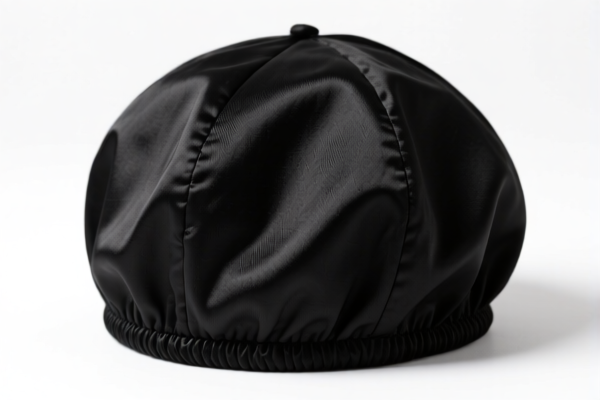
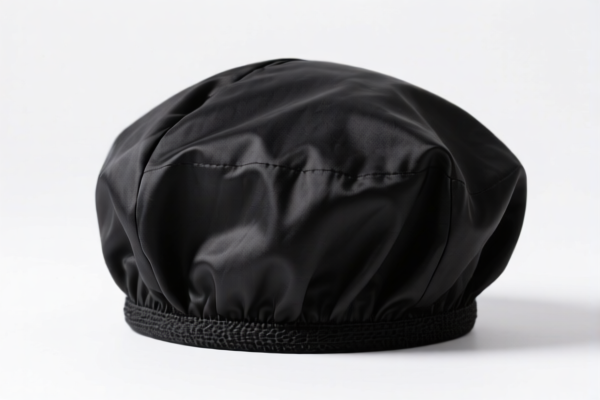
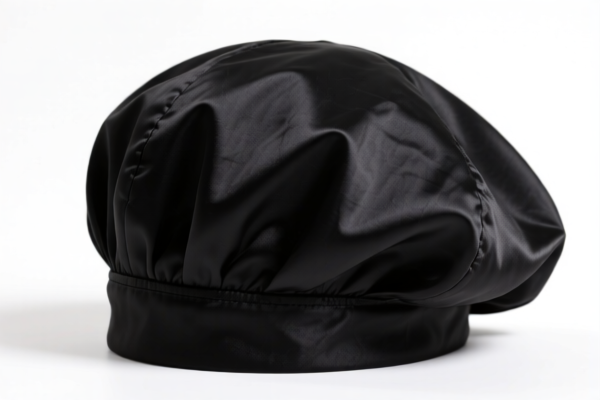
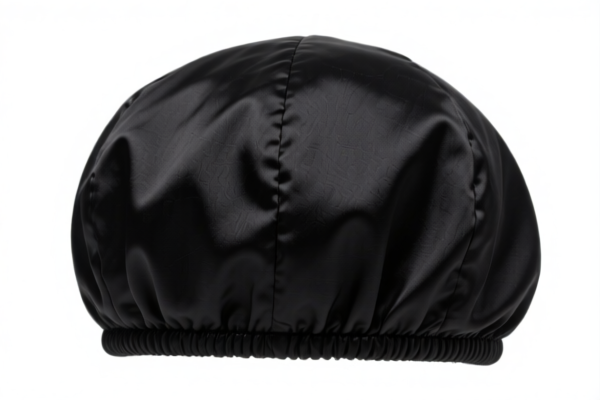
AI Analysis
🧢 Black Wig Caps (3 Pairs)
🌐 HS Code Reference & Customs Clearance Guide | 2026 Latest Tariff Analysis | Professional Entry Strategy
📌 I. Product Definition & Classification: Do You Really Understand "Wig Caps"?
Black wig caps are essential hair accessories used in hairdressing, theatrical makeup, or daily wig wearing. They are designed to secure natural hair and provide a smooth base for wigs. In international trade, their classification depends heavily on material composition (whether they are textile/knitted or made of rubber/plastics) and function.
⚠️ Key Distinction Point:
- If the wig cap is knitted or crocheted (textile, cotton, polyester yarn) → It falls under Chapter 61 (Knitted/Crocheted Articles).
- If the wig cap is made of rubber or plastic (elastic mesh, non-woven synthetic mesh) → It falls under Chapter 65 (Headgear) or Chapter 39 (Plastics).
📦 II. HS Code Classification Details (2026 Latest Tariff Authority Comparison)
Based on the provided <DATA>, here are the applicable HS Codes for "3 pairs of black wig caps":
| HS Code | Product Description | Applicable Scenario | Material Type | Tax Rate |
|---|---|---|---|---|
6117.80.85.00 |
Other made up clothing accessories, knitted or crocheted: Headbands, ponytail holders and similar articles | Knitted/Crocheted Wig Caps (Textile, Yarn-based, elastic knit mesh) | ✅ Knitted/Crocheted Textile | 22.1% |
6506.91.00.60 |
Other headgear, whether or not lined or trimmed: Other: Of rubber or plastics Other | Plastic/Rubber Wig Caps (Non-woven plastic mesh, rubber elastic nets) | ✅ Rubber or Plastics | 25.0% |
6506.99.60.00 |
Other headgear, whether or not lined or trimmed: Other: Of other materials: Other | Wig Caps of Other Materials (e.g., non-knitted, non-rubber/plastic fabrics like silk or specialized synthetic blends not falling under rubber/plastic) | ❌ Other Materials | 0.0% |
3926.90.35.00 |
Other articles of plastics...: Beads, bugles and spangles... | Incorrect Classification | N/A | 14.0% |
3926.90.99.89 |
Other articles of plastics...: Other Other | Incorrect Classification | N/A | 12.8% |
🔍 Important Note:
- The majority of commercial wig caps are either knitted elastic mesh (Textile) or non-woven plastic mesh (Plastic/Rubber).
-6117.80.85.00is the most common classification for textile/knitted wig caps.
-6506.91.00.60applies if the cap is explicitly classified as "headgear of rubber or plastics" (often single-use non-woven plastic caps).
-6506.99.60.00may apply if the material is neither rubber/plastic nor knitted textile (e.g., woven non-knitted fabric), but this is less common for standard elastic wig caps.
-3926codes are likely incorrect for wig caps unless they are specifically "spangles" or decorative plastic bits, which wig caps are not.
💰 III. 2026 Latest Tariff Rate Details (Including Surtaxes & Policy Add-ons)
✅ Applicable Country: United States (US)
✅ Country of Origin: China (CN)
✅ Effective Time: From November 10, 2025 (including subsequent imports)
🎯 1. 6117.80.85.00 —— Knitted/Crocheted Wig Caps (Textile)
| Item | Content |
|---|---|
| Basic Tariff | 14.6% (ad valorem) |
| Surtax (Section 301) | +7.5% |
| Total Tax Rate | 22.1% |
| Tax Calculation | CIF Value × 22.1% |
| De Minimis Exemption Available? | ❌ No (Section 301 goods generally do not qualify for de minimis under current enforcement, though $800 rule exists, Section 301 duties still apply to many categories. Note: Check latest CBP enforcement on Section 301 for de minimis. Based on data provided: Tax applies.) |
| Legal Basis Path | HTSUS:6117.80.85.00 → Section 301 Surtax: 7.5% |
📌 Explanation:
- The "Basic Tariff 14.6%" is the standard MFN rate for knitted clothing accessories.
- The "+7.5%" is the Section 301 surtax on Chinese-origin goods in this category.
- Total: 22.1%. This is a moderate-to-high duty.
- Crucial: Ensure the product is described as "Knitted" or "Crocheted" to qualify for this code.
🎯 2. 6506.91.00.60 —— Wig Caps of Rubber or Plastics
| Item | Content |
|---|---|
| Basic Tariff | 0.0% (ad valorem) |
| Surtax (Section 301) | +25.0% |
| Total Tax Rate | 25.0% |
| Tax Calculation | CIF Value × 25.0% |
| De Minimis Exemption Available? | ❌ No (Subject to Section 301) |
| Legal Basis Path | HTSUS:6506.91.00.60 → Section 301 Surtax: 25.0% |
📌 Explanation:
- Although the basic tariff is 0%, the 25% Section 301 surtax makes it expensive.
- This code applies if the wig cap is made of rubber or plastics (e.g., non-woven synthetic netting, elastic rubber bands).
- Total: 25.0%. This is slightly higher than the knitted version.
🎯 3. 6506.99.60.00 —— Wig Caps of Other Materials
| Item | Content |
|---|---|
| Basic Tariff | 0.0% (ad valorem) |
| Surtax (Section 301) | +0.0% |
| Total Tax Rate | 0.0% |
| Tax Calculation | None |
| De Minimis Exemption Available? | N/A (No tax) |
| Legal Basis Path | HTSUS:6506.99.60.00 |
📌 Explanation:
- If your wig caps are made of materials that do not fall under "rubber/plastics" or "knitted/crocheted" (e.g., woven non-elastic fabric, silk, or other specific textiles not covered by Chapter 61), this code may apply.
- Total: 0.0%. This is the most tax-efficient option if applicable.
- Warning: Misclassification to avoid tariffs is a serious customs violation. Only use if the material truly fits this description.
🛠️ IV. Customs Clearance Practical Advice (Real-World Pitfall Avoidance Guide)
✅ 1. Preparation Checklist (All Documents Required)
| Document | Required | Description |
|---|---|---|
| ✅ Product Specification Sheet | ✔️ | Must specify Material (e.g., "100% Polyester Knitted Mesh" or "Non-woven Polypropylene"). |
| ✅ Product Photos | ✔️ | Clear images showing the texture (knitted vs. woven vs. plastic mesh). |
| ✅ Commercial Invoice | ✔️ | Clearly state "Wig Caps, Black, 3 Pairs". Avoid vague terms like "Hair Net" if it's clearly a wig cap. |
| ✅ Packing List | ✔️ | Weight, dimensions, and number of pairs. |
| ✅ Material Certificate | ✔️ | If claiming 6506.99.60.00 (0% tax), provide proof that material is not rubber/plastic or knitted. |
✅ 2. Declaration Tips (Key Mantra)
🔥 "Material Determines Code, Knitted to 61, Plastic to 65, Don't Guess!"
| Situation | Correct Declaration | Wrong Practice |
|---|---|---|
| Knitted/Crocheted Elastic Cap | HS Code: 6117.80.85.00 |
Misdeclare as Plastic → 25% (if actually knitted, risk of penalty) |
| Non-woven Plastic Mesh Cap | HS Code: 6506.91.00.60 |
Misdeclare as Knitted → 22.1% (lower than 25%, but still risky) |
| Silk/Woven Fabric Cap | HS Code: 6506.99.60.00 |
Misdeclare as Knitted → 22.1% (if not knitted, penalty) |
| Mixed Materials | Analyze main component | Mixed → Risk of reclassification |
📌 Note:
- If the wig cap has elastic bands, check if the elastic is rubber (plastic/rubber category) or textile (knitted category).
- Most standard wig caps are knitted textile, so6117.80.85.00is the most common.
✅ 3. Special Circumstances
| Situation | Handling Advice |
|---|---|
| OEM Custom Wig Caps | Provide design drawings showing material type. |
| Wig Caps with Lace Front | If the lace is the primary component, still likely 6117 or 6506. Consult a broker. |
| Sample Shipments | Even for samples, accurate HS Code is required to establish precedent. |
| Return/Exchange | Ensure HS Code matches original shipment. |
🌍 V. Global Market Comparison (2026 Latest)
| Country/Region | Recommended HS Code | Tariff Rate | Certification | Notes |
|---|---|---|---|---|
| 🇺🇸 USA | 6117.80.85.00 (Knitted) |
22.1% | N/A | High tax due to Section 301 |
| 🇨🇳 China | 6117.80.85.00 (Knitted) |
~3-5% | N/A | Lower import duty |
| 🇪🇺 EU | 6117.80.85.00 (Knitted) |
~12% | CE (if applicable) | No Section 301 |
| 🇬🇧 UK | 6117.80.85.00 (Knitted) |
~12% | UKCA | Post-Brexit rules |
| 🇦🇺 Australia | 6117.80.85.00 (Knitted) |
~5% | N/A | Low tariff |
📌 Conclusion:
- USA has the highest duty (22.1% or 25%) due to Section 301.
- EU and UK have moderate duties (~12%) without Section 301.
- Australia and China have lower duties.
📌 VI. Common Errors & Pitfall Guide (Blood & Tears Lessons)
❌ Error 1: Declaring knitted wig caps as "Plastic Articles" (3926) to avoid tax
👉 Consequence: High tariff risk (14-12.8%) + Penalty. If customs inspects and finds it's knitted, they will reclassify to 6117 (22.1%) or 6506 (25%).
❌ Error 2: Using vague description "Hair Accessories"
👉 Consequence: Customs may assign a default higher rate or reject shipment.
❌ Error 3: Not specifying Material in Invoice
👉 Consequence: Delay in clearance. Customs will hold goods until material is proven.
✅ Correct Declaration Example:
"Women's Wig Caps, Black, Knitted Polyester Elastic Mesh, 3 Pairs per Pack, HS Code: 6117.80.85.00"
🎯 VII. Conclusion: Professional Declaration, Save Time and Money!
🎯 Remember the Mantra:
🔹 "Knitted to 61 (22.1%), Plastic to 65 (25%), Other to 65 (0%), Check Material!"
🔹 "USA Section 301 hits all, Plan Ahead!"
📌 Tips:
- If you are exporting to the USA, calculate the 22.1% or 25% duty into your cost.
- For knitted wig caps, 6117.80.85.00 is the standard.
- For non-woven plastic wig caps, 6506.91.00.60 is standard.
- Do not misclassify to save a few percentage points; the risk of penalty outweighs the savings.
📣 Immediate Action:
📞 Consult a licensed customs broker.
📦 Provide material samples for classification verification.
🚀 Ensure accurate HS Code for smooth customs clearance.
✨ Professional Customs Clearance Starts with Accurate Classification!
💼 Every Percent Matters in International Trade!
Customer Reviews
About HS Code Classification
The Harmonized System (HS) is an internationally standardized nomenclature developed by the World Customs Organization (WCO) to classify traded products. Over 200 countries use the HS system as the basis for customs tariffs, trade statistics, and import/export regulations.
Each HS code follows a hierarchical structure:
- Chapter (2 digits) — Broad category of goods (e.g., Chapter 84: Machinery and Mechanical Appliances)
- Heading (4 digits) — More specific grouping within the chapter
- Subheading (6 digits) — Internationally standardized breakdown, used by all WCO member countries
- National subdivisions (8-10 digits) — Country-specific extensions for further classification, such as US HTSUS 10-digit codes
Correct HS code classification is essential for smooth customs clearance, accurate duty payment, and compliance with trade regulations. Misclassification can lead to customs delays, overpayment of duties, or penalties.
When importing from CN to US, the applicable tariff rates may include:
- Most-Favored-Nation (MFN) rate — The standard duty rate applied to WTO members
- General rate — Applied to countries without trade agreements
- Trade remedy duties — Additional tariffs such as Section 301 (anti-dumping), Section 232 (national security), or countervailing duties
The information provided on this page is for reference purposes only. For official classification, please consult with your local customs authority or a licensed customs broker.