30 piece Black and Gold Cutlery Set
CN → US| HS Code | Tariff Rate | Origin | Destination | Doc |
|---|---|---|---|---|
| 3924104000 | 13.4% | CN | US | Official Doc |
| 8215100000 | 0.0% | CN | US | Official Doc |
| 8211911000 | 17.5% | CN | US | Official Doc |
| 8215200000 | 0.0% | CN | US | Official Doc |
| 8211100000 | 0.0% | CN | US | Official Doc |
Product Images
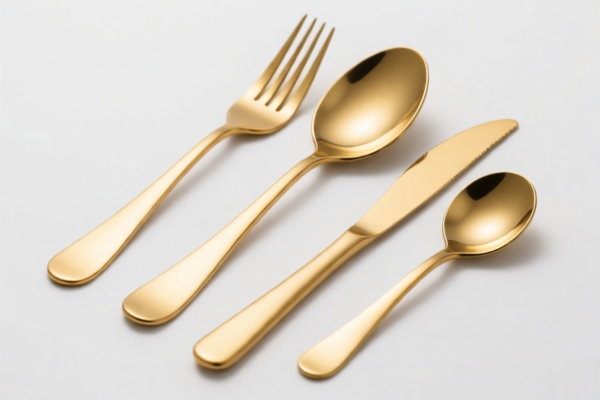
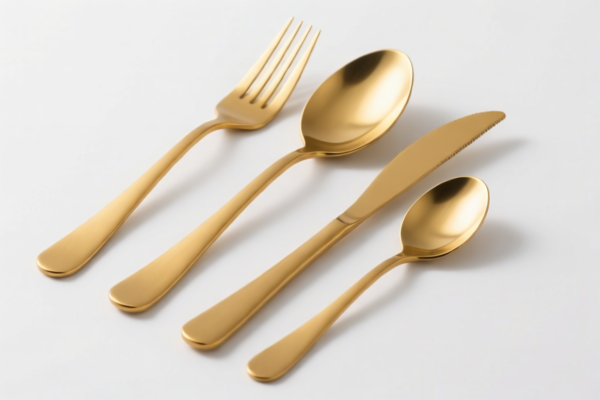
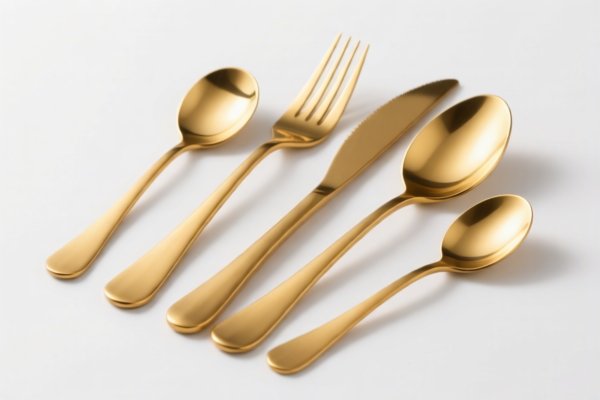
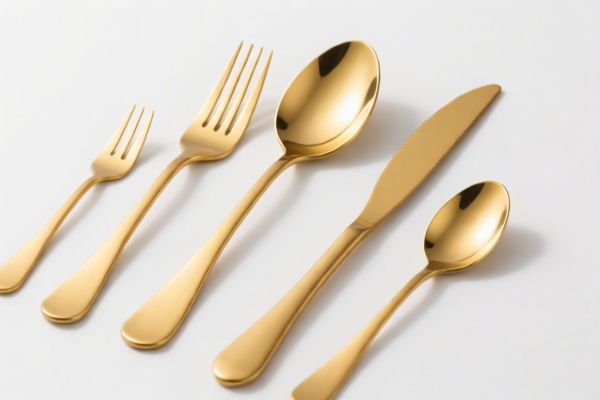
AI Analysis
🍴 30-Piece Black and Gold Cutlery Set (餐具套装)
🌐 HS Code Reference & Clearance Guide | 2026 Latest Tariff Analysis | Professional Clearance Strategy
📌 I. Product Definition & Classification: Is It Just Silverware?
A "30-Piece Black and Gold Cutlery Set" is a composite product typically containing spoons, forks, knives, and potentially serving utensils, packaged together. In international trade, its classification depends heavily on material composition, surface treatment, and specific function (e.g., is the knife functional or decorative?).
Key Distinction Points: * Material Basis: Is the core metal stainless steel (common for black coating) or base metal plated with gold-colored finishes? * Knife Function: Is it a sharp cutting instrument (falls under Knives) or a non-sharp serving utensil (falls under General Cutlery sets)? * Set Composition: Are all items of the same material class, or is it a mix?
⚠️ Critical Note:
- If the set includes sharp knives made of base metal (e.g., stainless steel with black coating), it may fall under Chapter 82 (Articles of Iron or Steel) or Chapter 82 heading 8211/8215 depending on the specific material hierarchy.
- If the set is purely non-cutting (plastic-coated or base metal spoons/forks only) and made of plastic, it falls under Chapter 39.
- "Black and Gold" suggests a plated or coated surface. Under US Harmonized Tariff Schedule (HTSUS), plated articles often retain the classification of the base metal unless the plating is precious metal (Gold/Silver) in significant quantity, but for cutlery, 8215 is often the catch-all for "table, kitchen or other houseware articles of base metal."
📦 II. HS Code Classification Details (Based on Provided Data)
The provided data outlines five potential HS Codes for this product, reflecting different material interpretations and tariff structures. Below is the breakdown of why each code applies.
| HS Code | Summary & Rationale | Tax Rate Structure |
|---|---|---|
| 3924.10.40.00 | Plastic-Coated/Set: If the set is primarily plastic with a black/gold finish or coated items. The summary notes it fits "tableware and household articles." | 13.4% • Base: 3.4% • Section 301 (122): 10% • Note: No 25% additional tariff here. |
| 8215.10.00.00 | Base Metal Set (General): A mixed set of base metal cutlery (spoons, forks, etc.) that doesn't fit specific knife categories. The "Gold" finish might imply a decorative base metal item. | Rate + 17.5% • Base: "Rate applicable to that article in the set subject t" • Section 301 (122): 10% • Plus 7.5% Additional |
| 8211.91.10.00 | Cutlery - Knives: If the set contains sharp knives made of iron/steel. The "Black" is likely a coating on steel blades. | 17.5% • Base: 0.0% • Section 301 (122): 10% • Plus 7.5% Additional |
| 8215.20.00.00 | Base Metal Set (Specific Subhead): Another classification for general base metal tableware. The high additional tariff suggests specific trade remedy impacts on base metal goods. | Rate + 35.0% • Base: "Rate applicable to that article in the set subject t" • Section 301 (122): 10% • Plus 25.0% Additional |
| 8211.10.00.00 | Knives of Base Metal: Specifically for sets dominated by knives made of base metal (non-stainless or specific steel types). | Rate + 35.0% • Base: "Rate applicable to that article in the set subject t" • Section 301 (122): 10% • Plus 25.0% Additional |
🔍 Interpretation of "The rate of duty applicable to that article in the set subject t":
This phrase indicates that if the HS code uses a "set rate" or specific duty calculation, the base tariff is determined by the primary material or function of the items within the set. However, the additional tariffs (Section 301) are fixed percentages added on top.
💰 III. 2026 Latest Tariff Rate Breakdown
✅ Applicable Country: United States (US)
✅ Origin: China (CN)
✅ Relevant Sections: Section 301 (122) & Additional Duties
🎯 1. 3924.10.40.00 – Tableware of Plastics (Lowest Risk)
| Item | Content |
|---|---|
| Total Tax Rate | 13.4% |
| Base Tariff | 3.4% |
| Section 301 (122) | 10% |
| Additional Duty | 0% |
| Calculation | CIF Value × 13.4% |
| De Minimis Eligibility | ❌ No (Likely subject to standard port fees and inspection) |
| Legal Path | HTSUS: 3924.10.40 → Section 301: 122 |
📌 Explanation:
- This is the most cost-effective classification if the set can be defined as primarily plastic or plastic-coated.
- The "Black and Gold" color is treated as a surface finish of the plastic, not metal plating.
- Risk: If customs inspectors determine the items are metal, this classification will be rejected, leading to reclassification and higher taxes.
🎯 2. 8215.10.00.00 – Articles of Base Metal (Mixed Set)
| Item | Content |
|---|---|
| Total Tax Rate | Base Rate + 17.5% |
| Base Tariff | Varies (often 0-5.3% depending on exact item) |
| Section 301 (122) | 10% |
| Additional Duty | 7.5% |
| Calculation | CIF Value × (Base Rate + 17.5%) |
| De Minimis Eligibility | ❌ No |
| Legal Path | HTSUS: 8215.10.00 → Section 301: 122 → Add. Duty: 7.5% |
📌 Explanation:
- Applies if the set is base metal (e.g., stainless steel) but does not contain sharp knives as the primary defining feature, or if the knives are non-sharp/serving knives.
- The "17.5%" total add-on includes 10% (Section 301) + 7.5% (Additional Duty).
🎯 3. 8211.91.10.00 – Knives, Other (Steel/Blade Focus)
| Item | Content |
|---|---|
| Total Tax Rate | 17.5% |
| Base Tariff | 0.0% |
| Section 301 (122) | 10% |
| Additional Duty | 7.5% |
| Calculation | CIF Value × 17.5% |
| De Minimis Eligibility | ❌ No |
| Legal Path | HTSUS: 8211.91.10 → Section 301: 122 |
📌 Explanation:
- This code specifically targets knives that are not of heading 8211.00 (surgical/instrument) or 8211.10 (knives with fixed blades).
- If your "30-piece set" includes standard dinner knives with sharp edges, this is a strong candidate.
- Total Add-on: 17.5% (10% + 7.5%).
🎯 4. 8215.20.00.00 – Base Metal Tableware (High Penalty)
| Item | Content |
|---|---|
| Total Tax Rate | Base Rate + 35.0% |
| Base Tariff | Varies (often 0-5.3%) |
| Section 301 (122) | 10% |
| Additional Duty | 25.0% |
| Calculation | CIF Value × (Base Rate + 35.0%) |
| De Minimis Eligibility | ❌ No |
| Legal Path | HTSUS: 8215.20.00 → Section 301: 122 → Add. Duty: 25.0% |
📌 Explanation:
- This classification carries a massive 25% Additional Duty on top of Section 301.
- It likely applies to specific types of base metal cutlery deemed more sensitive or targeted by trade policies.
- Avoid if possible unless the product strictly fits this narrow definition.
🎯 5. 8211.10.00.00 – Knives with Fixed Blades (Highest Penalty)
| Item | Content |
|---|---|
| Total Tax Rate | Base Rate + 35.0% |
| Base Tariff | Varies (often 0-5.3%) |
| Section 301 (122) | 10% |
| Additional Duty | 25.0% |
| Calculation | CIF Value × (Base Rate + 35.0%) |
| De Minimis Eligibility | ❌ No |
| Legal Path | HTSUS: 8211.10.00 → Section 301: 122 → Add. Duty: 25.0% |
📌 Explanation:
- This is for knives with fixed blades made of base metal.
- If your set contains standard dinner knives, this code may apply.
- Total Add-on: 35.0% (10% + 25%). This is the most expensive classification for metal cutlery in the provided data.
🛠️ IV. Customs Clearance Practical Advice
✅ 1. Documentation Checklist (Essential)
| Document | Required? | Purpose |
|---|---|---|
| Product Photos | ✔️ | Show Black/Gold finish clearly. Distinguish between plastic coating vs. metal plating. |
| Material Breakdown | ✔️ | Specify % of plastic, stainless steel, base metal, gold plating thickness. |
| Knife Sharpness Test | ✔️ | If claiming 3924 or 8215.10, provide proof that knives are non-sharp or if the set is primarily plastic. |
| Commercial Invoice | ✔️ | Must state "30-Piece Cutlery Set, Material: [Specify], Country of Origin: China." |
| Packing List | ✔️ | Detail items: e.g., "6 Dinner Knives, 6 Dinner Forks, 6 Teaspoons, 30 Napkins/Rings" (if included). |
| FCC/CE Certs | Optional | Not typically required for cutlery, but useful if electronic components are present (unlikely). |
✅ 2. Strategic Declaration Tips
🔥 "Material Defines Code, Sharpness Defines Duty!"
| Scenario | Recommended HS Code | Reason |
|---|---|---|
| All Plastic/Coated Plastic (Knives are dull or plastic) | 3924.10.40.00 |
Lowest tax (13.4%). Must prove plastic content. |
| Metal Set, No Sharp Knives (e.g., serving forks/spoons only) | 8215.10.00.00 |
Moderate tax (Base + 17.5%). |
| Metal Set, Sharp Knives Included | 8211.91.10.00 |
Moderate-High tax (17.5%). Most common for "cutlery sets." |
| Metal Set, Specific Base Metal Category | 8215.20.00.00 or 8211.10.00.00 |
High Tax (Base + 35%). Avoid unless mandated. |
⚠️ Critical Warning:
- Do NOT label the product as "Silverware" if it is stainless steel. "Silverware" often implies precious metals. Use "Stainless Steel Cutlery Set" or "Base Metal Cutlery Set."
- If you declare3924.10.40.00(Plastic) but the product contains metal knives, customs may reclassify it to Chapter 82, leading to back taxes + penalties.
✅ 3. Special Case Handling
| Situation | Advice |
|---|---|
| "Gold Plated" Stainless Steel | Declare as Stainless Steel (8211 or 8215). Gold plating does not make it "Precious Metal" unless it meets specific weight/value thresholds (rare for cutlery). |
| Set Includes Non-Cutlery Items (e.g., trays, napkins) | If napkins/textiles are included, the set might be classified by its essential character. Usually, cutlery dominates. |
| OEM/Private Label | Provide a Manufacturer’s Letter stating materials. Customs often questions Chinese-origin black/gold cutlery for hidden metal content. |
| De Minimis (Section 321) | ❌ Not Eligible. Cutlery from China is subject to Section 301 and does not qualify for the $800 de minimis exemption under current rules. |
🌍 V. Market Comparison (2026)
| Market | Recommended HS Code | Est. Total Duty | Notes |
|---|---|---|---|
| 🇺🇸 USA | 3924.10.40.00 (if plastic) |
13.4% | Best option if material allows. |
| 🇺🇸 USA | 8211.91.10.00 (steel knives) |
17.5% | Standard for metal cutlery sets. |
| 🇨🇳 China | 7323.93.00 (Stainless) |
15-20% | Import tax into China for export sets. |
| 🇪🇺 EU | 7323.93.00 |
2.7% | No Section 301 equivalent. |
| 🇬🇧 UK | 7323.93.00 |
2.7% | Post-Brexit tariff. |
📌 Conclusion:
The US market is the most challenging due to Section 301 and additional duties.
- Strategy: If possible, source plastic/coated plastic versions to qualify for3924.10.40.00.
- If Metal: Expect 17.5% (for sharp knives) or higher. Plan pricing accordingly.
📌 VI. Common Errors & Pitfalls (Learn from Mistakes)
❌ Error 1: Declaring "Stainless Steel Cutlery" as 3924.10.40.00 (Plastic).
👉 Result: Customs seizure, penalty of up to 100% of value, and back taxes.
❌ Error 2: Omitting "Made in China" or using vague origin.
👉 Result: Denied entry under Section 301 enforcement; high probability of audit.
❌ Error 3: Classifying "Gold Plated" items as Precious Metal (Chapter 71).
👉 Result: Incorrect code, delayed clearance, and potential misclassification penalties.
✅ Correct Practice:
"30-Piece Stainless Steel Cutlery Set, Black & Gold PVD Coating, Includes Forks, Spoons, Knives, Origin: China."
🎯 VII. Final Recommendation
🎯 Action Plan:
1. Test Material: Confirm if knives are sharp. If not, and body is plastic/coated, pursue 3924.10.40.00.
2. Verify Metal: If metal, assume 8211.91.10.00 (17.5%) as a safe baseline for standard sets.
3. Avoid High-Tax Codes: Do not use 8215.20 or 8211.10 unless your specific product design matches those narrow definitions.
4. Pre-Ruling: Consider filing an HTSUS Pre-Ruling Request with US Customs and Border Protection (CBP) if the volume is high and material composition is ambiguous.
📣 Immediate Action:
📞 Contact a Licensed Customs Broker to review product samples.
📄 Provide Photos & Material Specs to confirm HS Code.
💰 Budget for 13.4%–17.5%+ duties in your landed cost calculation.
✨ Precision in Classification = Profit Protection!
💼 Don't let a 20% tariff difference erase your margin.
Customer Reviews
About HS Code Classification
The Harmonized System (HS) is an internationally standardized nomenclature developed by the World Customs Organization (WCO) to classify traded products. Over 200 countries use the HS system as the basis for customs tariffs, trade statistics, and import/export regulations.
Each HS code follows a hierarchical structure:
- Chapter (2 digits) — Broad category of goods (e.g., Chapter 84: Machinery and Mechanical Appliances)
- Heading (4 digits) — More specific grouping within the chapter
- Subheading (6 digits) — Internationally standardized breakdown, used by all WCO member countries
- National subdivisions (8-10 digits) — Country-specific extensions for further classification, such as US HTSUS 10-digit codes
Correct HS code classification is essential for smooth customs clearance, accurate duty payment, and compliance with trade regulations. Misclassification can lead to customs delays, overpayment of duties, or penalties.
When importing from CN to US, the applicable tariff rates may include:
- Most-Favored-Nation (MFN) rate — The standard duty rate applied to WTO members
- General rate — Applied to countries without trade agreements
- Trade remedy duties — Additional tariffs such as Section 301 (anti-dumping), Section 232 (national security), or countervailing duties
The information provided on this page is for reference purposes only. For official classification, please consult with your local customs authority or a licensed customs broker.