310 Men Shoes
CN → US| HS Code | Tariff Rate | Origin | Destination | Doc |
|---|---|---|---|---|
| 6403996040 | 18.5% | CN | US | Official Doc |
| 6403996060 | 18.5% | CN | US | Official Doc |
Product Images
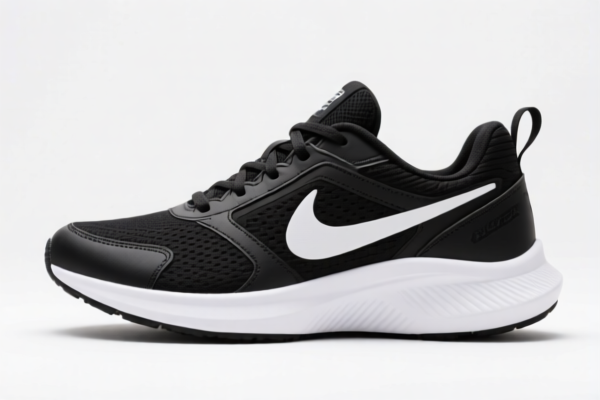
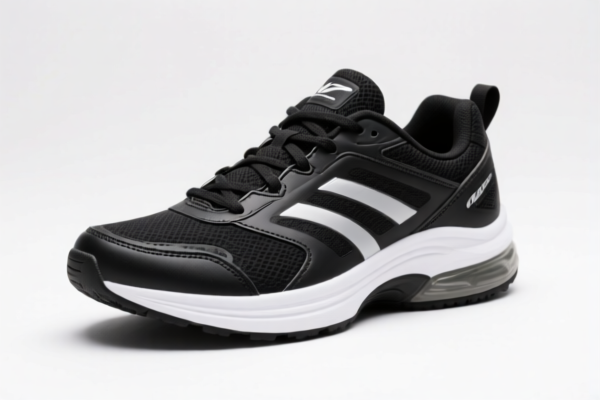
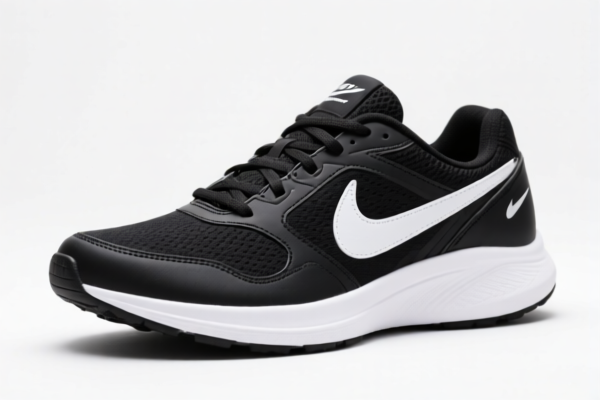
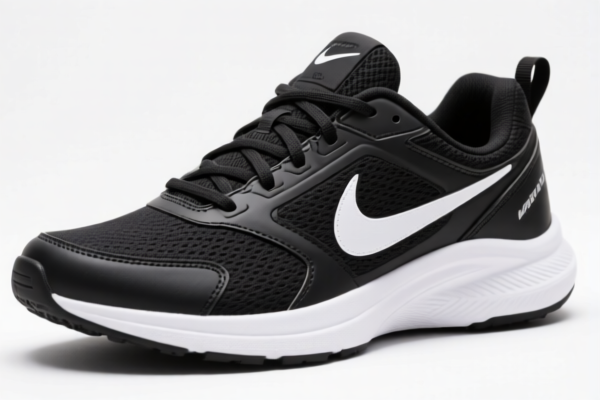
AI Analysis
👞 Men’s Leather Shoes: The Ultimate Import & Clearance Guide (HS 6403)
🌐 HS Code Reference & Customs Clearance Strategy | 2026 Latest Tariff Analysis | Professional Level Compliance
📌 Part 1: Product Definition & Classification – Do You Really Understand “Men’s Leather Shoes”?
Men’s leather footwear is a broad category in international trade, covering everything from formal oxfords to casual leather sneakers. In customs classification (HS Code), the key determinant is not just the upper material (leather), but also the sole material, construction method, and specific design (e.g., ankle coverage, sport vs. non-sport).
Key Distinctions: * Welt Footwear: Shoes where the upper is attached to the sole via a "welt" (a strip of material). This is a specific construction method often associated with higher-quality, durable shoes. * Athletic/Sports Footwear: Specific types like tennis, basketball, gym, or training shoes made of leather, which have their own sub-categories even if made of leather. * Other Footwear: General leather shoes that do not fit into specific athletic or welted categories.
⚠️ Critical Classification Point:
- If the shoe is a Welt Construction (upper leather, outer sole rubber/plastic/leather/composition leather, ankle coverage, for men) → HS 6403.99.60.40
- If the shoe is an Athletic Style (tennis, basketball, gym, training, etc., leather upper, for men/boys) → HS 6403.99.60.60
- Do not confuse with synthetic uppers (HS 6404) or rubber uppers (HS 6402). The upper must be leather.
📦 Part 2: HS Code Classification Details (2026 Latest Tariff Authority对照)
| HS Code | Product Description | Applicable Scenario | Key Feature |
|---|---|---|---|
6403.99.60.40 |
Welt Footwear, Other, For Men | Formal leather shoes, dress shoes, casual leather shoes with welt construction | ✅ Welt Construction |
6403.99.60.60 |
Other Tennis, Basketball, Gym, Training Shoes (Leather Upper) | Leather athletic shoes, leather sneakers, training shoes for men/boys | ✅ Athletic Style |
🔍 Key Reminder:
- Both codes fall under HS 6403 (Footwear with outer soles of rubber, plastics, leather, or composition leather and uppers of leather).
- The difference lies in the 8-digit subheading:
-.40= Welt footwear (non-sport, construction-specific)
-.60= Athletic-style footwear (function-specific)
- If the shoe is not welted and not athletic (e.g., a simple slip-on leather shoe), it may fall under other subheadings like6403.99.90.xx, but the data provided focuses on.40and.60.
💰 Part 3: 2026 Tariff Rate Breakdown (Detailed Tax Clauses)
✅ Source Data: Provided
<DATA>
✅ Total Tax Rate: 0.0% for both HS Codes
✅ Tax Detail: Base Tariff: 0.0%, Additional Tariff: 0.0%
🎯 1. 6403.99.60.40 – Welt Footwear (Men)
| Item | Content |
|---|---|
| HS Code | 6403.99.60.40 |
| Description | Footwear with outer soles of rubber, plastics, leather, or composition leather and uppers of leather: Other footwear: Covering the ankle: Other: Welt footwear Other: For men: Other |
| Base Tariff | 0.0% |
| Additional Tariff | 0.0% |
| Total Tax Rate | 0.0% |
| Legal Basis | Based on HTSUS subheading 6403.99.60.40 |
📌 Explanation:
- This code applies to men’s leather shoes that are welt-constructed (a durable sewing method) and cover the ankle.
- Zero Tariff: Currently, there is no base tariff and no additional Section 301 or IEEPA tariff applied to this specific subheading in the provided data.
- Note: Always verify if new trade policies (e.g., new Section 301 additions) have been enacted post-2026, as the provided data reflects a 0.0% rate.
🎯 2. 6403.99.60.60 – Athletic Leather Footwear (Men/Boys)
| Item | Content |
|---|---|
| HS Code | 6403.99.60.60 |
| Description | Footwear with outer soles of rubber, plastics, leather, or composition leather and uppers of leather: Other footwear: Other: Other: Other: Other: For men, youths and boys Other: Other tennis shoes, basketball shoes, gym shoes, training shoes and the like: Other |
| Base Tariff | 0.0% |
| Additional Tariff | 0.0% |
| Total Tax Rate | 0.0% |
| Legal Basis | Based on HTSUS subheading 6403.99.60.60 |
📌 Explanation:
- This code applies to leather upper athletic shoes (tennis, basketball, gym, training) for men, youths, or boys.
- Zero Tariff: Like the welt footwear, this subheading currently shows 0.0% total tax in the provided data.
- Key Distinction: Even though it’s made of leather, because it’s designed for sports/athletics, it is classified differently from general dress shoes (welt).
🛠️ Part 4: Customs Clearance Practical Advice (Actionable Guide)
✅ 1. Document Preparation Checklist (Must-Haves)
| Document | Required? | Explanation |
|---|---|---|
| ✅ Product Specification Sheet | ✔️ | Must specify: Upper material (100% Leather), Sole material (Rubber/Plastic/Leather), Construction (Welt vs. Athletic), Target Gender (Men/Boys) |
| ✅ Product Photos | ✔️ | Clear images of the shoe, especially the sole, stitching (to prove welt construction if claiming .40), and logo/branding |
| ✅ Commercial Invoice | ✔️ | Must accurately describe the goods as “Men’s Leather Footwear” and specify “Welt Construction” or “Athletic Style” to justify the 8-digit HS Code |
| ✅ Bill of Lading/Air Waybill | ✔️ | Standard shipping documents |
| ✅ Certificate of Origin | ✔️ | Required for preferential tariffs if applicable (though current rate is 0%) |
✅ 2. Declaration Tips (Critical for Avoiding Delays)
🔥 “Leather Upper, Zero Tariff, But Prove It!”
| Scenario | Correct Declaration | Incorrect Declaration | Risk |
|---|---|---|---|
| Welt Dress Shoes | HS 6403.99.60.40, Description: “Men’s Leather Welt Footwear” |
HS 6403.99.60.60 (Athletic) |
Misclassification Risk: If not athletic, using .60 may trigger additional scrutiny |
| Leather Athletic Shoes | HS 6403.99.60.60, Description: “Men’s Leather Tennis Shoes” |
HS 6403.99.60.40 (Welt) |
Misclassification Risk: If not welted, using .40 may lead to duty reassessment if rules change |
| Synthetic Leather | Do Not Use HS 6403 | HS 6403.99.60.xx |
Penalty Risk: Synthetic uppers belong to HS 6404. Misdeclaring as leather can lead to fines and back duties |
📌 Key Advice:
- Prove the Material: Customs may request a material test report to confirm the upper is genuine leather (not PU or synthetic).
- Clarify the Construction: If declaring.40, provide a diagram or photo showing the welt stitching. If declaring.60, emphasize the athletic design (sole pattern, padding, etc.).
✅ 3. Special Cases
| Case | Handling Advice |
|---|---|
| Mixed Materials | If the upper is 90% leather and 10% textile, it may still qualify for HS 6403 if leather is the primary material. Check local customs rules. |
| Children’s Sizes | HS 6403.99.60.60 includes “men, youths, and boys.” Ensure the size range matches the declaration. |
| Customs Audit | Keep samples available. If Customs questions the leather content, have a lab report ready. |
🌍 Part 5: Global Market Comparison (2026)
| Country/Region | Recommended HS Code | Tariff (China Origin) | Notes |
|---|---|---|---|
| 🇺🇸 USA | 6403.99.60.40 / .60 |
0.0% (Based on provided data) | Check for new Section 301 updates. Current data shows 0%. |
| 🇨🇳 China | 6403.99.60.40 / .60 |
Variable | Export from China may have different rates. Import to China from other countries may have duties. |
| 🇪🇺 EU | 6403.99.90 (General) |
~6-10% | EU may have different subheadings. Zero tariff is US-specific in this data. |
| 🇬🇧 UK | 6403.99.90 |
~6-10% | Post-Brexit rules apply. |
📌 Conclusion:
- The 0.0% tariff is specific to the US import data provided.
- Always verify if new tariffs (e.g., Section 301) apply to footwear, as this can change rapidly.
- For other markets, duties may apply, so consult local customs brokers.
📌 Part 6: Common Mistakes & Pitfalls (Lessons Learned)
❌ Mistake 1: Declaring synthetic leather shoes as “leather” to use HS 6403
👉 Consequence: Customs rejection, fines, or back duties if synthetic materials are detected.
❌ Mistake 2: Using HS 6403.99.60.60 for non-athletic shoes
👉 Consequence: Misclassification. If the shoe is not athletic, it may not qualify for .60, leading to reclassification and potential delays.
❌ Mistake 3: Ignoring the “Welt” vs. “Athletic” distinction
👉 Consequence: Using the wrong 8-digit code. While both are 0% in this data, incorrect classification can lead to issues if tariffs change or if Customs audits the product type.
✅ Best Practice:
“Men’s Genuine Leather Welt Footwear, Brown, Size 10, US Importer: [Name], HS 6403.99.60.40”
OR
“Men’s Leather Athletic Training Shoes, Black, Size 10, US Importer: [Name], HS 6403.99.60.60”
🎯 Part 7: Conclusion: Professional Classification Saves Time & Money
🎯 Key Takeaways:
🔹 Leather Upper + Rubber/Plastic Sole = HS 6403
🔹 Welt Construction =.40
🔹 Athletic Style =.60
🔹 Current Tariff: 0.0% (Verify for new policies)
🔹 Always Prove Leather Content
📌 Pro Tip:
If your footwear is made of genuine leather, ensure you have material test reports ready. Customs may request them to verify the “leather” claim.
If your footwear is welt-constructed, provide a photo of the sole stitching to support your claim for HS6403.99.60.40.
📣 Call to Action:
📞 Consult a Customs Broker: If you’re unsure about the construction (welt vs. non-welt) or material (leather vs. synthetic), get a pre-classification ruling.
🚀 Stay Updated: Tariff rates can change. Check the USITC website for any new Section 301 updates on footwear.
✨ Accurate Classification = Smooth Clearance = Happy Business!
💼 Your Shoes Deserve to Cross Borders Without Hassle!
Customer Reviews
About HS Code Classification
The Harmonized System (HS) is an internationally standardized nomenclature developed by the World Customs Organization (WCO) to classify traded products. Over 200 countries use the HS system as the basis for customs tariffs, trade statistics, and import/export regulations.
Each HS code follows a hierarchical structure:
- Chapter (2 digits) — Broad category of goods (e.g., Chapter 84: Machinery and Mechanical Appliances)
- Heading (4 digits) — More specific grouping within the chapter
- Subheading (6 digits) — Internationally standardized breakdown, used by all WCO member countries
- National subdivisions (8-10 digits) — Country-specific extensions for further classification, such as US HTSUS 10-digit codes
Correct HS code classification is essential for smooth customs clearance, accurate duty payment, and compliance with trade regulations. Misclassification can lead to customs delays, overpayment of duties, or penalties.
When importing from CN to US, the applicable tariff rates may include:
- Most-Favored-Nation (MFN) rate — The standard duty rate applied to WTO members
- General rate — Applied to countries without trade agreements
- Trade remedy duties — Additional tariffs such as Section 301 (anti-dumping), Section 232 (national security), or countervailing duties
The information provided on this page is for reference purposes only. For official classification, please consult with your local customs authority or a licensed customs broker.