35mm Color 24 Exposure Film
CN → US| HS Code | Tariff Rate | Origin | Destination | Doc |
|---|---|---|---|---|
| 3702530060 | 38.7% | CN | US | Official Doc |
| 3701910060 | 38.7% | CN | US | Official Doc |
| 3701910030 | 38.7% | CN | US | Official Doc |
| 3707100005 | 38.0% | CN | US | Official Doc |
| 3707100090 | 38.0% | CN | US | Official Doc |
Product Images
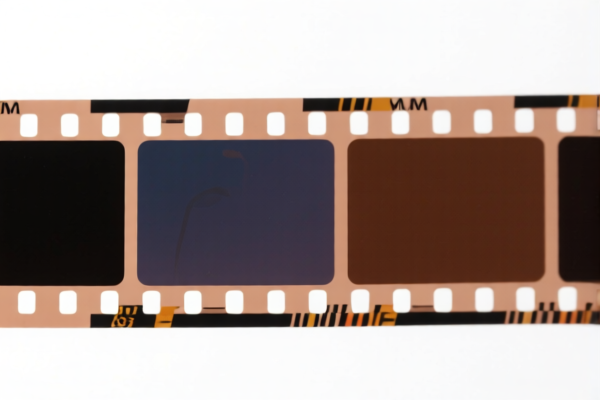
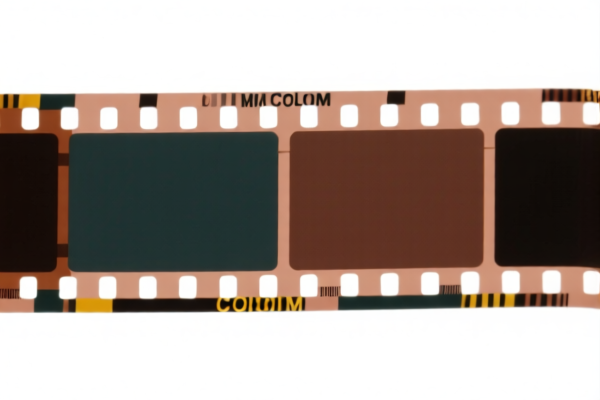
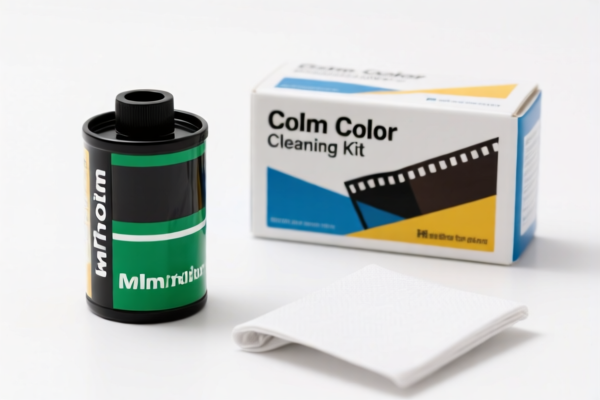
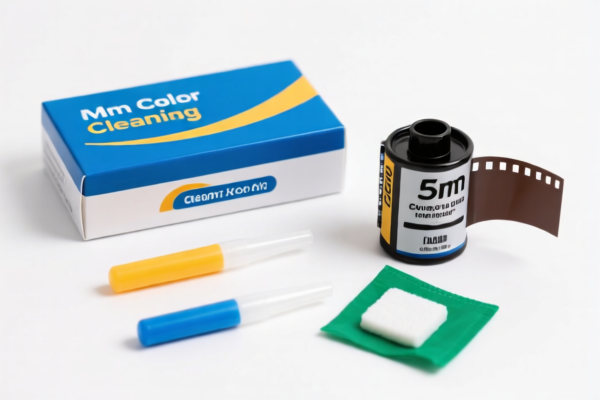
AI Analysis
🎞️ 35mm Color 24 Exposure Film (35mm彩色24感光度胶卷)
🌐 HS Code Reference & Customs Clearance Guide | 2026 Latest Tariff Analysis | Professional Entry Strategy
📌 1. Product Definition & Classification: What exactly is "35mm Color 24 Exposure Film"?
35mm Color Film is a classic photochemical recording medium widely used in consumer photography, journalism, and artistic expression. In international trade, it is strictly regulated under Chapter 37 (Photographic or cinematographic goods).
The key distinction lies in the form factor and chemical state: * Film Rolls (Strip/Roll): Unexposed photographic film on a flexible plastic base, typically sold in canisters or rolls. These fall under 3701 or 3702. * Photographic Paper: Light-sensitive paper for printing images. These fall under 3707 (or similar paper-based codes, though 3707 in the provided data is linked to chemical preparations/paper derivatives).
⚠️ Critical Distinction Point:
- If the product is unexposed film on a flexible plastic base (not paper or textile) → Classified under 3701 or 3702.
- If the product is photographic paper (used for enlarging prints) → Classified under 3707.
- Note: The term "Color Negative" (彩色负片) specifically refers to the color inversion process used in standard color photography.
📦 2. HS Code Classification Details (2026 Latest Tariff Authority Comparison)
Based on the provided data (<DATA>), here are the specific HS Codes and their logical mappings:
| HS Code | Product Description (From Data) | Key Characteristics | Tax Rate (Total) |
|---|---|---|---|
3702.53.00.60 |
35mm Color Negative Film Roll | Roll Format: "35mm彩色负片胶卷", fits "Other light-sensitive rolls" | 38.7% |
3701.91.00.60 |
35mm Color Negative (Non-paper/Non-textile) | Material: "35mm彩色负片", non-paper, non-textile photographic film | 38.7% |
3701.91.00.30 |
Color Photographic Film Roll | Form: "Color Film Roll", consistent with photographic film material/form | 38.7% |
3707.10.00.05 |
Color Negative (Paper/Chemical Prep) | Paper/Chemical: "Used for color negative photographic paper", sensitive material characteristics | 38.0% |
3707.10.00.90 |
Color Negative Chemical Preparations | Chemical/Derivatives: "Photographic chemical products related to color negatives", no material conflict | 38.0% |
🔍 Key Observation:
- Film Rolls (3701/3702) incur a higher total tax rate (38.7%) due to the specific base material (plastic polymer) and classification as "rolls".
- Paper/Chemical-based (3707) incur a slightly lower total tax rate (38.0%).
- Do not mix: Ensure the product is indeed "Film" (plastic base) and not "Paper" (for printing) to avoid misclassification penalties.
💰 3. 2026 Latest Tariff Rate Breakdown (Including Surtaxes & Policy Add-ons)
✅ Applicable Country: United States (US)
✅ Country of Origin: China (CN)
✅ Effective Date: From November 10, 2025 (including subsequent imports)
🎯 1. For Film Rolls: 3702.53.00.60, 3701.91.00.60, 3701.91.00.30
| Item | Detail |
|---|---|
| Base Tariff | 3.7% (ad valorem) |
| Section 301 Surtax | +25.0% (Added tariff for Chinese origin) |
| Section 122 Surtax | +10.0% (Additional 122-Clause Tariff) |
| Total Tax Rate | 38.7% |
| Tax Calculation | CIF Value × 38.7% |
| De Minimis Eligibility | ❌ Not Eligible (High tax rates usually exclude de minimis benefits for certain categories or exceed threshold limits for tax-free entry) |
| Legal Basis Path | Base Tariff: 3.7% → Added Tariff: 25.0% → 122-Clause: 10% |
📌 Explanation:
- The 3.7% is the standard Most Favored Nation (MFN) rate.
- The 25.0% is the Section 301 tariff, a significant penalty on Chinese-manufactured goods.
- The 10% is the additional 122-Clause tariff, further increasing the cost.
- Total 38.7% is a substantial cost burden. This is a high-tax category that must be factored into pricing strategies.
🎯 2. For Paper/Chemical Preparations: 3707.10.00.05, 3707.10.00.90
| Item | Detail |
|---|---|
| Base Tariff | 3.0% (ad valorem) |
| Section 301 Surtax | +25.0% (Added tariff for Chinese origin) |
| Section 122 Surtax | +10.0% (Additional 122-Clause Tariff) |
| Total Tax Rate | 38.0% |
| Tax Calculation | CIF Value × 38.0% |
| De Minimis Eligibility | ❌ Not Eligible |
| Legal Basis Path | Base Tariff: 3.0% → Added Tariff: 25.0% → 122-Clause: 10% |
📌 Note:
- Although the base rate is slightly lower (3.0% vs 3.7%), the surtaxes are identical.
- Total 38.0% is still very high.
- Ensure the product is correctly identified as "Paper/Chemical" and not "Film Roll" to save 0.7%, but do not misdeclare film as paper to avoid customs fraud charges.
🛠️ 4. Customs Clearance Practical Advice (Battle-Tested Pitfall Avoidance Guide)
✅ 1. Required Documentation Checklist (No Exceptions)
| Document | Mandatory? | Explanation |
|---|---|---|
| ✅ Product Specification Sheet | ✔️ | Must specify "35mm", "Color Negative", "24 Exposures", "Roll Format" |
| ✅ Material Composition Proof | ✔️ | Confirm base is Cellulose Acetate/Triacetate (plastic) NOT Paper or Textile |
| ✅ Product Photos (Including Packaging) | ✔️ | Show the canister/roll, label, and "Color Negative" text |
| ✅ Commercial Invoice | ✔️ | Clearly state "Unexposed Photographic Film, 35mm, Color Negative" |
| ✅ Country of Origin Certificate (CO) | ✔️ | Essential for applying/verifying surtaxes |
| ✅ Packing List | ✔️ | Detail the number of rolls/canisters per box |
✅ 2. Declaration Tips (Key Mnemonics)
🔥 "Correct Form, Correct Code, Avoid 38.7% Shock!"
| Scenario | Correct Declaration | Wrong Practice |
|---|---|---|
| 35mm Color Negative Roll (Plastic Base) | 3702.53.00.60 or 3701.91.00.60 |
Misdeclare as 3707 (Paper) → High Risk of Audit & Penalties |
| Photographic Paper (For Printing) | 3707.10.00.05 |
Misdeclare as "Film" → Incorrect Tax Base |
| Mixed Container (Film + Paper) | Separate Line Items | Bundled Declaration → Confusion & Delays |
| Exposure Count (24 Exp) | Specify in Description | Omitting details → Customs May Classify as "Unknown" |
✅ 3. Special Cases Handling
| Scenario | Handling Advice |
|---|---|
| Professional vs. Consumer Film | Both generally fall under 3701/3702 if they are "rolls". Ensure the description matches the physical form. |
| Expired Film | If expired, it may be considered waste. However, for import, it is still treated as "goods" unless declared as waste/scrap. |
| OEM Custom Film | Provide supplier contract and technical specs. Avoid vague terms like "Photo Material". |
| Digital "Film" (Filters/Effects) | If the product is a digital filter or app, it is NOT Chapter 37. It may fall under Software (8523) or Services. |
🌍 5. Global Major Market Comparison (2026 Latest)
| Country/Region | Recommended HS Code | Tariff (China Origin) | Certification Requirements | Notes |
|---|---|---|---|---|
| 🇺🇸 USA | 3702.53.00.60 |
38.7% (Total) | None (Non-technical) | High Surtax: 25% + 10% + 3.7% |
| 🇨🇳 China | 3702.53.00.60 |
5-6% (Import) | CCC (If applicable) | Lower base rate, no US-style surtaxes |
| 🇪🇺 EU | 3702.53.00.60 |
6% | CE (If applicable to packaging) | No Section 301/122 equivalents |
| 🇬🇧 UK | 3702.53.00.60 |
6% | UKCA | Post-Brexit rules apply |
| 🇦🇺 Australia | 3702.53.00.60 |
5% | TGA (If medical use) | Standard GSP may apply if from eligible countries |
📌 Conclusion:
- The US market is the most expensive for 35mm Color Film due to the Section 301 (25%) and Section 122 (10%) tariffs.
- Total Cost Impact: Nearly 39% of the CIF value goes to taxes.
- Strategy: Consider sourcing from non-China origins (e.g., Japan, Germany) if available, to avoid these surtaxes (though base tariffs may still apply).
📌 6. Common Mistakes & Pitfall Guide (Blood-Teaching Lessons)
❌ Mistake 1: Declaring "35mm Color Film" under 3707 (Paper) to get 38.0% instead of 38.7%
👉 Consequence: Customs audit reveals plastic base. Penalty + Back Tax + Possible Fraud Charge.
Correct: Use 3702 or 3701 for plastic-based rolls.
❌ Mistake 2: Ignoring "24 Exposures" in description
👉 Consequence: Customs may classify as "Generic Photographic Material" → Delay & Additional Inspection.
Correct: Always specify "24 Exposures, 35mm, Color Negative".
❌ Mistake 3: Assuming "De Minimis" ($800) applies to high-tariff items
👉 Consequence: De Minimis exemption does NOT apply to goods subject to Section 301/122 surtaxes in many interpretations, or the value exceeds thresholds after tax.
Correct: Prepare for full tax payment.
❌ Mistake 4: Confusing "Color Negative" with "Color Positive (Slide)"
👉 Consequence: Different HS codes may apply. Slide film is often classified differently (e.g., 3701.91 vs 3702).
Correct: Clearly state "Negative" or "Positive" in the description.
✅ Correct Practice:
"35mm Color Negative Photographic Film, 24 Exposures per Roll, Flexible Plastic Base, Unexposed, Model XYZ, Made in China"
🎯 7. Conclusion: Professional Declaration, Save Time, Reduce Costs!
🎯 Remember the Mnemonic:
🔹 "Plastic Base = 3701/3702 (38.7%), Paper = 3707 (38.0%)"
🔹 "Surtax is King: 25% + 10% + Base = High Cost!"
🔹 "De Minimis is Dead for High-Tariff Goods!"
📌 Tips:
- If your 35mm film is originally from Japan or Germany, you may avoid the 25% + 10% surtaxes, reducing the total tax to just the base rate (3.0%-3.7%).
- Recommendation: Apply for an Advance Ruling from US Customs (CBP) if importing large volumes, to ensure the HS code and tax rate are confirmed before shipment.
📣 Take Action Now:
📞 Contact a Professional Broker + Provide Product Photos + Apply for Advance Ruling
🚀 Ensure your 35mm Film clears customs smoothly, efficiently, and with predictable costs!
✨ Professional Customs Clearance Starts with Accurate Classification!
💼 Every Cent of Cost Deserves Precise Calculation!
Customer Reviews
About HS Code Classification
The Harmonized System (HS) is an internationally standardized nomenclature developed by the World Customs Organization (WCO) to classify traded products. Over 200 countries use the HS system as the basis for customs tariffs, trade statistics, and import/export regulations.
Each HS code follows a hierarchical structure:
- Chapter (2 digits) — Broad category of goods (e.g., Chapter 84: Machinery and Mechanical Appliances)
- Heading (4 digits) — More specific grouping within the chapter
- Subheading (6 digits) — Internationally standardized breakdown, used by all WCO member countries
- National subdivisions (8-10 digits) — Country-specific extensions for further classification, such as US HTSUS 10-digit codes
Correct HS code classification is essential for smooth customs clearance, accurate duty payment, and compliance with trade regulations. Misclassification can lead to customs delays, overpayment of duties, or penalties.
When importing from CN to US, the applicable tariff rates may include:
- Most-Favored-Nation (MFN) rate — The standard duty rate applied to WTO members
- General rate — Applied to countries without trade agreements
- Trade remedy duties — Additional tariffs such as Section 301 (anti-dumping), Section 232 (national security), or countervailing duties
The information provided on this page is for reference purposes only. For official classification, please consult with your local customs authority or a licensed customs broker.