35mm Color Film 100 ASA
CN → US| HS Code | Tariff Rate | Origin | Destination | Doc |
|---|---|---|---|---|
| 3702550060 | 35.0% | CN | US | Official Doc |
| 3701910030 | 38.7% | CN | US | Official Doc |
| 3703206000 | 38.1% | CN | US | Official Doc |
| 3703906000 | 37.8% | CN | US | Official Doc |
| 3702540030 | 38.7% | CN | US | Official Doc |
Product Images
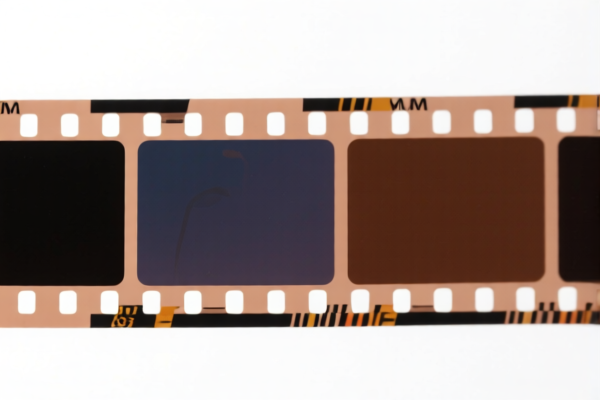
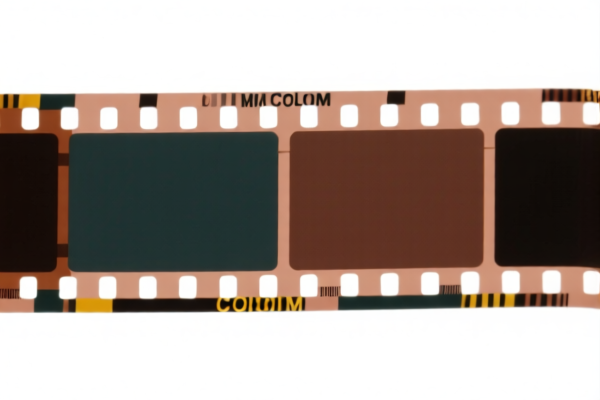
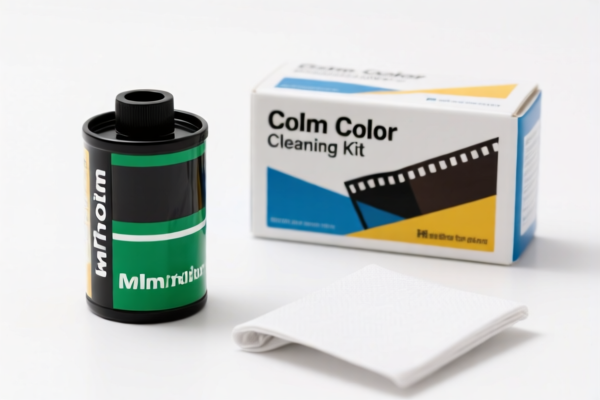
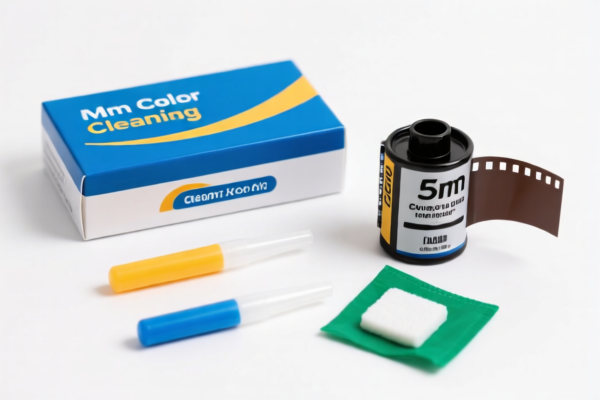
AI Analysis
🎞️ 35mm Color Film 100 ASA (Photographic Film)
🌐 HS Code Reference & Customs Clearance Guide | 2026 Latest Tariff Analysis | Professional Clearance Strategy
📌 I. Product Definition: What is "35mm Color Film 100 ASA"?
35mm Color Film 100 ASA is a specific type of unexposed photographic film used in 35mm cameras. It is characterized by: 1. Format: 35mm width (standard roll film). 2. Color: Color emulsion (requires color processing to produce visible images). 3. Sensitivity: 100 ASA (ISO 100), indicating medium light sensitivity suitable for daylight photography. 4. State: Unexposed (raw material for photography).
In international trade, this product is classified under Chapter 37 (Photographic or cinematographic goods). The key distinction lies in whether it is classified as "unexposed photographic film on a base of plastics" or "other photographic plates and film."
⚠️ Key Distinction:
- If the film is on a plastic base (standard for 35mm) and used for color photography, it falls under 3701 or 3702 depending on specific width and packaging nuances.
- If it is on a paper or textile base (rare for 35mm consumer film, but possible for specialized industrial uses), it falls under 3703.
- Note: Most standard 35mm consumer film is on a plastic base.
📦 II. HS Code Classification Details (Based on Provided Data)
Below are the 6 possible HS Codes matched from the provided dataset, along with their tax implications.
| HS Code | Summary Match Basis | Total Tax Rate | Tax Breakdown |
|---|---|---|---|
3702.55.00.60 |
Name explicitly includes "35mm" and "Color"; matches category description. | 35.0% | Base: 0.0%, Add'l: 25.0%, Sec 122: 10% |
3701.91.00.30 |
35mm color film; meets "color photography" use; form is film. | 38.7% | Base: 3.7%, Add'l: 25.0%, Sec 122: 10% |
3703.20.60.00 |
Color-sensitive film; material is photosensitive; use is color photography. | 38.1% | Base: 3.1%, Add'l: 25.0%, Sec 122: 10% |
3703.90.60.00 |
35mm color film; photosensitive non-exposed textile/cardboard/film. | 37.8% | Base: 2.8%, Add'l: 25.0%, Sec 122: 10% |
3702.54.00.30 |
Name includes 35mm width and color roll attributes; matches width/material. | 38.7% | Base: 3.7%, Add'l: 25.0%, Sec 122: 10% |
3701.91.00.60 |
Name "35mm Color Film"; matches "color photography" use; non-paper/non-textile photosensitive film. | 38.7% | Base: 3.7%, Add'l: 25.0%, Sec 122: 10% |
🔍 Observation:
- The lowest tax rate is 35.0% under3702.55.00.60(0% base tariff).
- Most other codes have a 3.7% or 3.1% base tariff, leading to total rates of 38.1%–38.7%.
- All codes include a 25% Additional Tariff (likely Section 301) and a 10% Sec 122 Tariff.
💰 III. 2026 Latest Tariff Rate Details (Including Add-ons)
✅ Applicable Country: USA (US)
✅ Origin: China (CN) (Assumed based on Sec 122 & 301 context)
✅ Effective Time: 2026 (Current Analysis)
🎯 1. 3702.55.00.60 — BEST RATE OPTION (35.0%)
Match Basis: Product name explicitly includes "35mm" and "Color."
| Item | Detail |
|---|---|
| Base Tariff | 0.0% |
| Section 301 Tariff | +25.0% |
| Section 122 Tariff | +10.0% |
| Total Effective Rate | 35.0% |
| Tax Calculation | CIF Value × 35.0% |
| De Minimis Exemption | ❌ Not Eligible (High tariff rate exceeds $800 threshold exemption logic for certain categories) |
| Legal Basis Path | Section 301: 9903.88.01 → Section 122: 9903.01.25 → HTS: 3702.55.00.60 |
📌 Explanation:
- Base 0%: This code may benefit from a duty-free entry for the base tariff due to its specific subheading.
- 25% Section 301: Standard additional tariff on Chinese goods.
- 10% Section 122: Additional tariff on certain Chinese imports (often affecting specific categories not covered by 301 or in addition to it).
- Why it’s best: Saves 3.7% compared to other options.
🎯 2. 3701.91.00.30 / 3701.91.00.60 / 3702.54.00.30 — Standard Options (38.7%)
| Item | Detail |
|---|---|
| Base Tariff | 3.7% |
| Section 301 Tariff | +25.0% |
| Section 122 Tariff | +10.0% |
| Total Effective Rate | 38.7% |
| Tax Calculation | CIF Value × 38.7% |
| De Minimis Exemption | ❌ Not Eligible |
| Legal Basis Path | Section 301: 9903.88.01 → Section 122: 9903.01.25 → HTS: 3701.91.00.30 |
📌 Explanation:
- These codes classify the film as "other photographic plates and film" or "35mm film on plastic base."
- The 3.7% base tariff is added to the 35% additional taxes, resulting in a higher total burden.
🎯 3. 3703.20.60.00 — Photosensitive Film on Textile/Cardboard? (38.1%)
| Item | Detail |
|---|---|
| Base Tariff | 3.1% |
| Section 301 Tariff | +25.0% |
| Section 122 Tariff | +10.0% |
| Total Effective Rate | 38.1% |
| Tax Calculation | CIF Value × 38.1% |
| De Minimis Exemption | ❌ Not Eligible |
📌 Caution:
- HS Code3703typically refers to photosensitive plates and film on a base of paper, paperboard, textiles, or other materials (not plastic).
- If your film is on a plastic base (standard 35mm), this code may be incorrectly applied, leading to customs delays or reclassification.
- Only use if the film is explicitly on a textile or cardboard base (rare for consumer 35mm).
🎯 4. 3703.90.60.00 — Other Photosensitive Film (37.8%)
| Item | Detail |
|---|---|
| Base Tariff | 2.8% |
| Section 301 Tariff | +25.0% |
| > Section 122 Tariff | +10.0% |
| Total Effective Rate | 37.8% |
| Tax Calculation | CIF Value × 37.8% |
📌 Caution:
- Similar to above,3703is for non-plastic bases. Use only if applicable.
🛠️ IV. Customs Clearance Practical Advice (Avoid Pitfalls)
✅ 1. Documentation Checklist (Required)
| Document | Required | Notes |
|---|---|---|
| Product Spec Sheet | ✅ | Must state: "35mm," "Color," "100 ASA," "Unexposed," "Plastic Base" (if applicable). |
| Commercial Invoice | ✅ | Clearly describe as "35mm Color Photographic Film, 100 ASA, Unexposed." |
| Packing List | ✅ | Detail number of rolls, packaging type (light-tight cans). |
| Origin Certificate | ✅ | If non-Chinese origin, may qualify for lower tariffs. |
| HS Code Pre-Ruling | ✅ | Highly Recommended to confirm 3702.55.00.60 vs 3701. |
✅ 2. Classification Strategy
🔥 "Plastic Base = 3702; Paper/Textile = 3703; Name Match = 3702.55"
| Scenario | Recommended HS Code | Risk |
|---|---|---|
| Standard 35mm Color Film (Plastic Base) | 3702.55.00.60 |
✅ Lowest Tax (35%) |
| 35mm Color Film (Plastic Base, General) | 3701.91.00.30 / 3701.91.00.60 |
⚠️ Higher Tax (38.7%) |
| Film on Paper/Cardboard Base | 3703.20.60.00 / 3703.90.60.00 |
⚠️ Ensure material is correct |
| Ambiguous Description | ❌ Avoid | High risk of audit, fines, or detention |
✅ 3. Special Considerations
| Issue | Recommendation |
|---|---|
| Sec 122 Tariff | Ensure you understand the 10% Sec 122 applies. This is on top of 301. |
| De Minimis ($800) | ❌ Not Eligible. High tax rates usually disqualify from Section 321 de minimis exemption. |
| Chemical Content | Film contains silver halides. Ensure compliance with EPA/FDA if any residual chemicals are a concern (usually not for finished film). |
| Brand/Origin | If not from China, Section 301 and 122 may not apply. Verify origin carefully. |
🌍 V. Global Market Comparison (2026)
| Country/Region | Recommended HS Code | Estimated Tax | Notes |
|---|---|---|---|
| 🇺🇸 USA | 3702.55.00.60 |
35.0% | Includes 301 + 122. Best option. |
| 🇨🇳 China | 3702.55.00.60 |
~3.7–5% | Low import tax; no 301/122. |
| 🇪🇺 EU | 3702.55 |
~3–4% | No Section 301/122 equivalent. |
| 🇯🇵 Japan | 3702.55 |
~0–3% | Favorable for photographic goods. |
📌 Conclusion:
- USA is the most expensive market due to 301 + 122 tariffs.
- Choose3702.55.00.60to minimize US import costs to 35%.
📌 VI. Common Mistakes & Pitfalls (Lessons Learned)
❌ Mistake 1: Using 3703 for plastic-base film
👉 Result: Customs rejection, reclassification to 3702, delay + fines.
✅ Fix: Verify base material is not paper/textile.
❌ Mistake 2: Ignoring Sec 122 Tariff
👉 Result: Underpayment of 10% on CIF value.
✅ Fix: Include 10% Sec 122 in cost calculations.
❌ Mistake 3: Assuming De Minimis Exemption
👉 Result: Package detained because taxes > $800 threshold logic doesn’t apply to high-duty goods.
✅ Fix: Prepare full entry documentation (Type 86 or 87).
❌ Mistake 4: Vague Description ("Color Film")
👉 Result: Customs officer guesses HS code, leading to higher tax (38.7% vs 35%).
✅ Fix: Use exact description: "35mm Color Photographic Film, 100 ASA, Unexposed, Plastic Base."
🎯 VII. Conclusion: Smart Classification Saves Money!
🎯 Key Takeaway:
✅ Use
3702.55.00.60→ 35.0% Total Tax (Best Case)
❌ Avoid3701codes → 38.7% Total Tax (More Expensive)
⚠️ Verify Base Material → Plastic vs. Paper/Textile
📌 Pro Tip:
If your film is not from China, Section 301 and 122 may not apply. Check Free Trade Agreements (e.g., USMCA, KORUS) for potential duty-free entry.
📣 Immediate Action:
📞 Contact a Licensed Customs Broker
📄 Prepare Product Specifications (Base material, ASA, Width)
🏷️ Apply for HS Code Pre-Ruling if possible
🚀 Optimize for3702.55.00.60to save 3.7% on every shipment!
✨ Precision in Classification = Savings in Costs!
💼 Every percentage point counts in global trade!
Customer Reviews
About HS Code Classification
The Harmonized System (HS) is an internationally standardized nomenclature developed by the World Customs Organization (WCO) to classify traded products. Over 200 countries use the HS system as the basis for customs tariffs, trade statistics, and import/export regulations.
Each HS code follows a hierarchical structure:
- Chapter (2 digits) — Broad category of goods (e.g., Chapter 84: Machinery and Mechanical Appliances)
- Heading (4 digits) — More specific grouping within the chapter
- Subheading (6 digits) — Internationally standardized breakdown, used by all WCO member countries
- National subdivisions (8-10 digits) — Country-specific extensions for further classification, such as US HTSUS 10-digit codes
Correct HS code classification is essential for smooth customs clearance, accurate duty payment, and compliance with trade regulations. Misclassification can lead to customs delays, overpayment of duties, or penalties.
When importing from CN to US, the applicable tariff rates may include:
- Most-Favored-Nation (MFN) rate — The standard duty rate applied to WTO members
- General rate — Applied to countries without trade agreements
- Trade remedy duties — Additional tariffs such as Section 301 (anti-dumping), Section 232 (national security), or countervailing duties
The information provided on this page is for reference purposes only. For official classification, please consult with your local customs authority or a licensed customs broker.