35mm Color Film 400 ASA
CN → US| HS Code | Tariff Rate | Origin | Destination | Doc |
|---|---|---|---|---|
| 3702540030 | 38.7% | CN | US | Official Doc |
| 3703906000 | 37.8% | CN | US | Official Doc |
| 3703206000 | 38.1% | CN | US | Official Doc |
Product Images
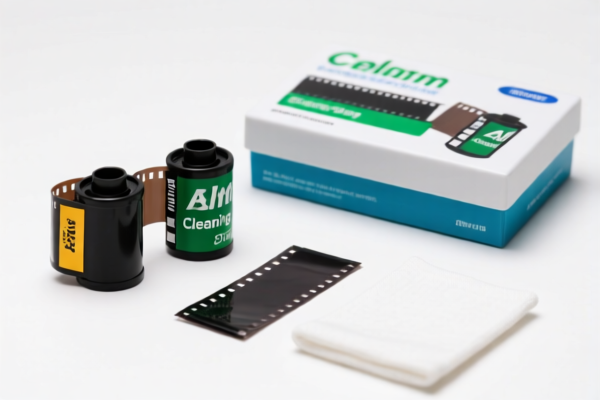
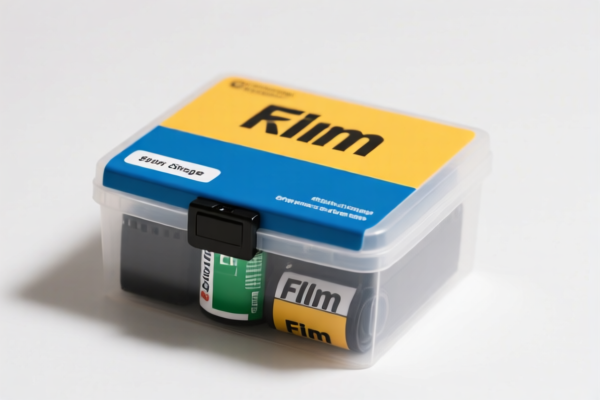


AI Analysis
🎞️ 35mm Color Film 400 ASA (Photographic Film for Polychrome Photography)
🌐 HS Code Reference & Customs Clearance Guide | 2026 Tariff Analysis | Professional Entry Strategy
📌 I. Product Definition: What is "35mm Color Film 400 ASA"?
35mm Color Film 400 ASA refers to sensitized, unexposed photographic film in rolls, designed for color photography (polychrome). The "400 ASA" (ISO 400) indicates its light sensitivity, making it suitable for varied lighting conditions without a flash.
In international trade, this product falls strictly under Heading 3702 of the Harmonized System. The critical classification factor is the length of the roll, which drastically changes the tariff outcome:
- Short Rolls (≤ 30m): Standard consumer or professional rolls (typically 36 exposures).
- Long Rolls (> 30m): Professional, industrial, or cinema film reels.
⚠️ Key Distinction:
- If the roll is ≤ 30 meters: Classify under 3702.54.00.30 → 0.0% Total Tax.
- If the roll is > 30 meters: Classify under 3702.55.00.60 → 25.0% Total Tax (High Penalty).
- Crucial Warning: Misdeclaring a long roll as a short roll is a major compliance risk leading to back-taxes and fines.
📦 II. HS Code Classification Details (Based on Provided Data)
| HS Code | Product Description | Length Criteria | Tax Status |
|---|---|---|---|
| 3702.54.00.30 | Photographic film in rolls, sensitized, unexposed; Other film for color photography; Width >16mm & ≤35mm; Length ≤ 30m; Other than for slides 35mm | ≤ 30 Meters | ✅ 0.0% |
| 3702.55.00.60 | Photographic film in rolls, sensitized, unexposed; Other film for color photography; Width >16mm & ≤35mm; Length > 30 Meters; Other | > 30 Meters | ❌ 25.0% |
🔍 Data Verification:
The provided dataset confirms that "35mm Color Film 400 ASA" is a subset of these two codes. The distinction is purely geometric (length), not chemical or brand-based.
💰 III. 2026 Tariff Rate Detailed Breakdown
✅ Scope: Based on provided tax data (US Tariff Schedule context implied by "Base" + "Additional" structure).
✅ Applicable: Imports of 35mm Color Film (Polychrome).
🎯 Scenario A: Short Rolls (Standard 36 Exp / ≤ 30m)
HS Code: 3702.54.00.30
| Item | Detail |
|---|---|
| Base Tariff | 0.0% (Free Trade / MFN) |
| Additional Tariff | 0.0% (No Section 301 penalty for this specific subheading) |
| Total Duty Rate | 0.0% |
| Effective Cost Impact | Low (Only subject to standard shipping and handling fees) |
| Legal Basis | Derived from 3702.54.00.30 description in data |
📌 Explanation:
Standard 35mm film rolls (like Kodak Gold 400, Fujifilm ColorPlus 400) are almost always under 30 meters in length. Therefore, they enjoy duty-free entry.
🎯 Scenario B: Long Rolls (Professional/Cinema / > 30m)
HS Code: 3702.55.00.60
| Item | Detail |
|---|---|
| Base Tariff | 0.0% |
| Additional Tariff | 25.0% (High Penalty Rate) |
| Total Duty Rate | 25.0% |
| Effective Cost Impact | Very High (Duty is calculated on CIF value) |
| Legal Basis | Derived from 3702.55.00.60 description in data |
📌 Explanation:
If your "35mm Color Film 400 ASA" is sold as a long roll (e.g., 100ft / 30.5m or larger cinema magazines), it triggers the 25% Additional Tariff. This is often a protectionist measure against long-length film imports.
🛠️ IV. Customs Clearance Practical Advice (Avoiding Pitfalls)
✅ 1. Critical Documentation Checklist
To ensure the correct 0% or 25% classification, you must provide: * ✅ Technical Specification Sheet: Must explicitly state ROLL LENGTH in meters or feet. (e.g., "Length: 24 meters" vs "Length: 36 meters"). * ✅ Commercial Invoice: Must clearly describe "35mm Color Negative Film, 400 ASA" and not hide the length. * ✅ Packing List: Must indicate the number of rolls and total footage/meters. * ✅ Product Photos: Show the canister/box with the length printed on the label (e.g., "36 Ex" usually = ~1.7m; "100 ft" = ~30.5m).
✅ 2. Declaration Strategy (The "Golden Rule")
🔥 Rule: "Length Determines the Fate!"
| Situation | Correct Declaration | Risk if Wrong |
|---|---|---|
| Standard 36-Exposure Roll | HS: 3702.54.00.30 (≤30m) |
If misdeclared as >30m, you overpay 25% unnecessarily. |
| Long Professional Roll (>30m) | HS: 3702.55.00.60 (>30m) |
If misdeclared as ≤30m, you face customs penalties, seizure, and back-taxes. |
| Bulk Spools | Declare exact meter count | "Bulk" implies >30m; do not use vague terms. |
✅ 3. Special Scenarios & Handling
- Scenario: "Mixed Bundles"
If shipping a mix of short rolls (≤30m) and long rolls (>30m), they must be separated in the invoice. Mixing them forces the entire shipment to be audited, potentially raising the 25% rate for all items. - Scenario: "Slide Film" (Transparencies)
Note: If the 400 ASA film is specifically for slides (transparencies), it falls under a different category (likely3703or specific3702sub-items not listed in the provided >30m data). Ensure it is Negative Film (Color Negative) for the codes listed above.
🌍 V. Global Market Context (Quick Comparison)
| Region | Standard 35mm (≤30m) | Long Roll (>30m) | Notes |
|---|---|---|---|
| USA (Provided Data) | 0.0% (Duty Free) | 25.0% (High Tax) | Strict length enforcement. |
| EU (General) | ~0% | ~0% | Usually duty-free regardless of length for photography. |
| China (General) | ~0% | ~0% | No additional penalty for film length. |
📌 Conclusion: The 25% Additional Tariff is a specific US-market penalty (implied by the "Additional Tariff" field in the data). If you are importing into the US, the 30-meter cutoff is the most dangerous threshold in the supply chain.
📌 VI. Common Mistakes & How to Fix Them
❌ Mistake 1: Assuming "35mm" = "Short Roll"
👉 Reality: 35mm refers to width. A roll can be 35mm wide and 50 meters long.
👉 Fix: Always calculate: Total Feet / 3.28 = Meters. If > 30m, pay 25%.
❌ Mistake 2: Vague Description "Photographic Film"
👉 Reality: Customs officers cannot guess the length.
👉 Fix: Write: "35mm Color Film, 400 ASA, Length: 24 Meters (Roll)".
❌ Mistake 3: Shipping Film + Cameras together
👉 Reality: Cameras (9006) and Film (3702) have different codes. Do not lump them.
👉 Fix: Split the invoice to avoid "bundle confusion" which can delay the film entry.
🎯 VII. Final Verdict: Action Plan
- Measure Your Product: Verify the exact length of the film rolls in meters.
- Select the HS Code:
- ≤ 30m → Use 3702.54.00.30 (Save 25%!).
- > 30m → Use 3702.55.00.60 (Prepare for 25% tax).
- Document Everything: Ensure the invoice and packing list explicitly state the length to avoid audits.
- Budget Accordingly: If importing long rolls, add 25% to your cost basis immediately.
🚀 Pro Tip: For long rolls (>30m), consider consolidating with other low-tax items or exploring bonded warehouses if available, as the 25% tax is unavoidable but manageable with proper planning.
✨ Classify Correctly, Pay Only What is Due!
💼 Your film business depends on the precision of the "30-meter" line!
Customer Reviews
About HS Code Classification
The Harmonized System (HS) is an internationally standardized nomenclature developed by the World Customs Organization (WCO) to classify traded products. Over 200 countries use the HS system as the basis for customs tariffs, trade statistics, and import/export regulations.
Each HS code follows a hierarchical structure:
- Chapter (2 digits) — Broad category of goods (e.g., Chapter 84: Machinery and Mechanical Appliances)
- Heading (4 digits) — More specific grouping within the chapter
- Subheading (6 digits) — Internationally standardized breakdown, used by all WCO member countries
- National subdivisions (8-10 digits) — Country-specific extensions for further classification, such as US HTSUS 10-digit codes
Correct HS code classification is essential for smooth customs clearance, accurate duty payment, and compliance with trade regulations. Misclassification can lead to customs delays, overpayment of duties, or penalties.
When importing from CN to US, the applicable tariff rates may include:
- Most-Favored-Nation (MFN) rate — The standard duty rate applied to WTO members
- General rate — Applied to countries without trade agreements
- Trade remedy duties — Additional tariffs such as Section 301 (anti-dumping), Section 232 (national security), or countervailing duties
The information provided on this page is for reference purposes only. For official classification, please consult with your local customs authority or a licensed customs broker.