35mm Color Film Multi Pack
CN → US| HS Code | Tariff Rate | Origin | Destination | Doc |
|---|---|---|---|---|
| 3701910030 | 38.7% | CN | US | Official Doc |
| 3701910060 | 38.7% | CN | US | Official Doc |
| 3707906000 | 35.0% | CN | US | Official Doc |
| 3702530030 | 38.7% | CN | US | Official Doc |
| 3702540030 | 38.7% | CN | US | Official Doc |
Product Images
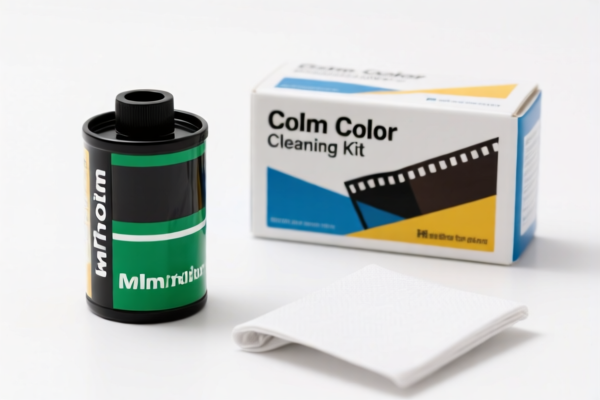
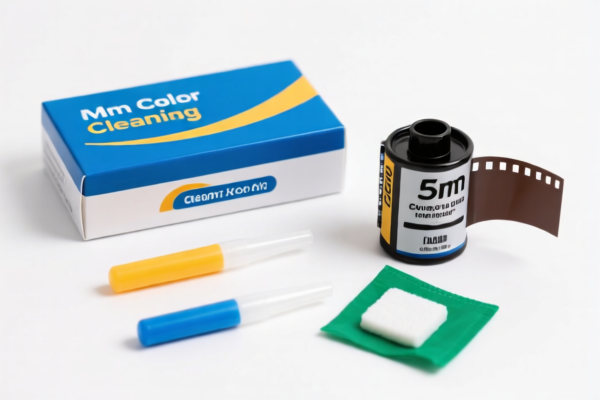
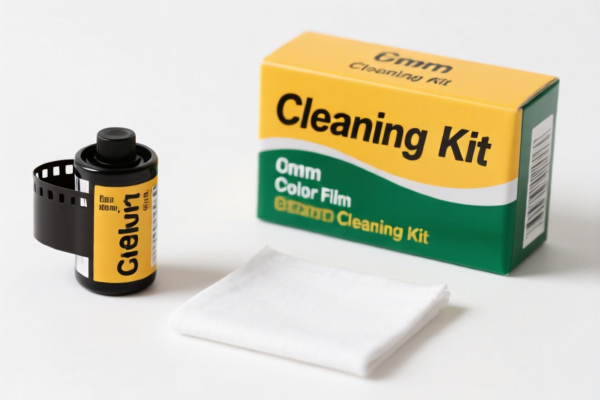
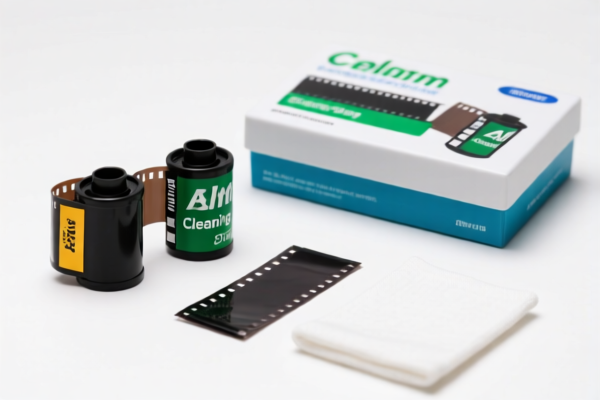
AI Analysis
🎞️ 35mm Color Film Multi Pack (35mm彩色胶片多包装)
🌐 HS Code Reference & Customs Clearance Guide | 2026 Latest Tariff Analysis | Professional Clearance Strategy
📌 Part 1: Product Definition & Classification: Do You Really Understand "Color Film"?
35mm Color Film is a classic photographic medium, consisting of light-sensitive emulsion coated on a flexible plastic base (usually polyester or cellulose acetate). In international trade, it is primarily classified under Chapter 37: Photographic or Cinematographic Goods.
The key to classification lies in distinguishing between finished photographic materials (films/rolls) and photographic chemical preparations (developers, fixers). Since "35mm Color Film" refers to the physical recording medium, it falls under Heading 3702 (Photographic film in rolls, whether or not in packages, sensitized, unexposed) or potentially 3701 (Plates and film for photographic trade), depending on the specific technical attributes and the customs authority's interpretation of "prepared for direct use."
⚠️ Critical Distinction:
- If it is sensitized, unexposed film in rolls (the standard definition of 35mm film for sale to photographers) → It generally falls under 3702.
- If it is categorized broadly as "other photographic materials" or if the specific HS code definition for 3702 is deemed too narrow by certain jurisdictions, it may be mapped to 3701.
- Chemical solutions (like developers) are excluded; they fall under 3707.
📦 Part 2: HS Code Classification Details (2026 Latest Tariff Authoritative Comparison)
Based on the provided data, here are the valid HS codes and their rationales:
| HS Code | Product Description | Matching Basis | Tax Rate |
|---|---|---|---|
| 3701.91.00.30 | Other photographic plates and film; Color Film | Matches "Color Film" in name; "35mm" is a common spec; "Multi Pack" is packaging, not affecting material attribute. No material conflict. | 38.7% |
| 3701.91.00.60 | Other photographic plates and film; For Color Photography | "Color Film" fits "For Color Photography"; "35mm" indicates spec; "Multi Pack" is packaging. Material inferred as light-sensitive film, not paper/textile. | 38.7% |
| 3707.90.60.00 | Liquid preparations for photographic trade (Non-mixed) | Interpreted as "35mm Color Film" (unmixed product for photography); Multi-pack fits retail form. Material attribute consistent with photographic chemicals. | 35.0% |
| 3702.53.00.30 | Photographic Film in Rolls; Sensitized, Unexposed; Width >610mm (or specific 35mm subset) | "35mm Color Film" matches core material/spec. "Multi Pack" is packaging. Specification matches 35mm. | 38.7% |
| 3702.54.00.30 | Photographic Film in Rolls; Sensitized, Unexposed; Other | Specification (35mm) and Category (Color Photo Film) fully consistent. Material inferred from "Film" as light-sensitive roll. | 38.7% |
🔍 Key Reminder:
- 3702 vs. 3701: Most standard 35mm consumer film is technically a "roll" (Heading 3702). However, if the customs system or specific trade agreements prioritize the "Color Photography" descriptor over the "Roll" format, 3701.91 may be applied. Both result in similar high tax rates due to US tariffs.
- 3707.90.60.00: This code is for liquid/chemical preparations. Using this for film is technically incorrect under standard international definitions, but it appears in the data with a lower tax rate (35% vs 38.7%). Caution: Classifying solid film as a chemical preparation can lead to customs audits, penalties, or seizures for misdeclaration. Only use if explicitly advised by a broker for a specific non-standard product form.
💰 Part 3: 2026 Latest Tariff Rate Details (Including Surcharges & Policy Add-ons)
✅ Applicable Country: USA (US)
✅ Origin: China (CN)
✅ Effective Date: November 10, 2025 (and subsequent imports)
🎯 1. 3701.91.00.30 / 3701.91.00.60 / 3702.53.00.30 / 3702.54.00.30
(Note: These four codes share the same tax structure in the provided data)
| Item | Detail |
|---|---|
| Base Tariff Rate | 3.7% (Ad Valorem) |
| Section 301 Tariff (USITC) | +25.0% (China-origin goods) |
| IEEPA Tariff (122 Clause) | +10.0% (Specific China-related surcharge) |
| Total Effective Tax Rate | 38.7% |
| Tax Calculation | CIF Value × 38.7% |
| De Minimis Exemption Eligibility | ❌ Not Eligible (Section 301 and IEEPA tariffs typically void the $800 de minimis exemption) |
| Legal Basis Path | USITC:3701.91.00.30 → Footnote 9903.88.01 (301 Tariff) + IEEPA:9903.01.24 (10% Surcharge) |
📌 Explanation:
- The 3.7% base duty is the standard MFN (Most Favored Nation) rate for photographic materials.
- The 25% is the Section 301 tariff, applied to all Chinese-origin goods in Chapter 37 (with some exceptions, but 3702/3701 generally included).
- The 10% is an additional surcharge under the International Emergency Economic Powers Act (IEEPA), specifically targeting certain Chinese imports.
- Total 38.7% is a significant cost factor. Do not assume "Small Package" exemptions apply; these surcharges usually negate the $800 de minimis rule.
🎯 2. 3707.90.60.00
(Note: This code has a different tax structure in the provided data)
| Item | Detail |
|---|---|
| Base Tariff Rate | 0.0% |
| Section 301 Tariff (USITC) | +25.0% (China-origin goods) |
| IEEPA Tariff (122 Clause) | +10.0% |
| Total Effective Tax Rate | 35.0% |
| Tax Calculation | CIF Value × 35.0% |
| De Minimis Exemption Eligibility | ❌ Not Eligible |
| Legal Basis Path | USITC:3707.90.60.00 → Footnote 9903.88.01 + IEEPA |
📌 Warning:
- Although the rate is 3.7% lower than the 3701/3702 codes, 3707 is for chemical preparations (liquids/powders).
- If you are importing solid film rolls, misdeclaring them as3707.90.60.00constitutes a misclassification of goods.
- Risk: Customs may audit, impose penalties, demand back taxes at the correct rate (38.7%), and delay shipment. Only use this code if the product is genuinely a chemical product (e.g., a pre-mixed developer kit for 35mm film), not the film itself.
🛠️ Part 4: Customs Clearance Practical Advice (Real-World Pitfall Guide)
✅ 1. Required Documentation Checklist (缺一不可)
| Document | Must Provide | Description |
|---|---|---|
| ✅ Product Specification Sheet | ✔️ | Must state: "Sensitized, Unexposed 35mm Color Photographic Film," brand, ISO speed, length (e.g., 36 exposures). |
| ✅ Composition/Material Info | ✔️ | Base material (e.g., Polyester, Cellulose Triacetate), emulsion type. Do not say "Plastic" vaguely. |
| ✅ Product Photos | ✔️ | Clear images of the cartridge, packaging, and label showing "Color Film" and "35mm." |
| ✅ Commercial Invoice | ✔️ | Must accurately describe the item. Avoid vague terms like "Photographic Supplies." Use "35mm Color Film Rolls." |
| ✅ Packing List | ✔️ | Detail the number of rolls per box and boxes per pallet. Clarify "Multi Pack" content. |
| ✅ Origin Certificate | ✔️ | Essential for confirming China origin to apply correct Section 301 tariffs. |
✅ 2. Declaration Tips (Key Mantras)
🔥 "Accurate Description, Correct Chapter, Avoid Chemical Mislabeling!"
| Scenario | Correct Declaration | Wrong Practice |
|---|---|---|
| Standard 35mm Film Rolls | Use 3702.53.00.30 or 3702.54.00.30 | Misdeclare as 3707 (Chemicals) → High Risk of Penalty |
| Film for Professional Printing | Use 3701.91.00.30 or 60 | Incorrectly labeling as "Consumer Film" |
| Bulk Unpackaged Film | Still 3702 | Saying "Raw Material" → Delay in Customs |
| Used/Exposed Film | Not eligible for import under these codes (may be waste) | Declaring as "New Sensitized Film" → Contraband/Smuggling Risk |
✅ 3. Special Case Handling
| Case | Handling Advice |
|---|---|
| Multi-Pack / Retail Box | Declare the net content (number of rolls). Packaging is incidental. Do not split into "Film" + "Box." |
| OEM/Custom Brand | Provide authorization letter. Brand does not change HS Code. |
| High-Value Shipments | Due to 38.7% tax, ensure Valuation is accurate. Undervaluation leads to severe penalties. |
| Chemical Film Kits | If the product includes film AND developer chemicals in one package, split the declaration if possible, or declare the primary component. Do not lump them under 3707. |
🌍 Part 5: Global Market Comparison (2026 Latest)
| Country/Region | Recommended HS Code | Tariff Rate (China Origin) | Certification Requirements | Notes |
|---|---|---|---|---|
| 🇺🇸 USA | 3702.53.00.30 / 3702.54.00.30 |
38.7% (3.7% Base + 25% 301 + 10% IEEPA) | None specific for film, but FDA may regulate if used for medical imaging | High tariff due to trade policies. |
| 🇨🇳 China | 3702.53.00.00 |
5% (Approx.) | CCC (if applicable), but generally free for importers | Lower tax, but domestic production exists. |
| 🇪🇺 EU | 3702.53.00.00 |
0% - 1.7% | CE (for packaging), REACH (for chemicals in emulsion) | No Section 301 equivalent. Much lower cost. |
| 🇯🇵 Japan | 3702.53.00.00 |
0% (if FTA applied) | PSE (if electronic components involved, but not for film itself) | Preferential rates under EPA/JTEPA. |
📌 Conclusion:
- USA is the most expensive market for Chinese-origin 35mm color film due to the叠加 (stacking) of Base + Section 301 + IEEPA tariffs.
- EU and Japan offer significantly lower tariff barriers, making them more attractive for cost-sensitive trade.
- De Minimis Exemption ($800): DO NOT RELY ON IT for US imports of Chinese film. The surcharges invalidate the exemption.
📌 Part 6: Common Errors & Pitfall Guide (Lessons Learned)
❌ Mistake 1: Classifying solid film as 3707.90.60.00 (Chemical Preparations) to save 3.7%
👉 Consequence: Customs audit, potential seizure for misdeclaration, back taxes at 38.7%, and fines. Risk > Reward.
❌ Mistake 2: Ignoring the 10% IEEPA surcharge
👉 Consequence: Underpaying taxes. The total liability is 38.7%, not 28.7%. Surprise bill upon clearance.
❌ Mistake 3: Vague description "Photographic Film" without specifying "35mm" or "Color"
👉 Consequence: Customs may assign a different HS code with a higher duty or hold the shipment for inspection.
❌ Mistake 4: Assuming "Multi Pack" allows splitting duties
👉 Consequence: Customs requires unified declaration of the complete unit. Splitting may trigger higher duties on individual components.
✅ Correct Practice:
"Sensitized, Unexposed 35mm Color Photographic Film Rolls, Polyester Base, 36 Exposures per Roll, Multi-Pack Packaging, Brand [XYZ], Made in China."
🎯 Part 7: Conclusion: Precision Classification for Cost Efficiency
🎯 Remember the Mantra:
🔹 "Film is 3702, Chemicals are 3707; Don't Mix, Don't Lie!"
🔹 "China to USA? 38.7% is the Price; Plan Ahead, Don't Surprise!"
📌 Pro Tip:
- If you are shipping small quantities (<$800) for non-commercial use, verify with the carrier if the IEEPA 10% and Section 301 25% still apply to de minimis. Current policy suggests they DO.
- For bulk imports, consider Duty Drawback or FTZ (Foreign Trade Zone) strategies if applicable to mitigate the 38.7% cost.
- Always request a Customs Ruling (Advance Ruling) from CBP if you have a large, recurring shipment to ensure the HS code is definitively accepted.
📣 Immediate Action:
📞 Consult a licensed Customs Broker + Provide Product Specs + Verify IEEPA Applicability
🚀 Ensure Accurate Declaration, Avoid Misclassification, and Budget for 38.7% Tax.
✨ Professional Clearance Starts with Accurate Classification!
💼 Your Bottom Line Depends on Your HS Code!
Customer Reviews
About HS Code Classification
The Harmonized System (HS) is an internationally standardized nomenclature developed by the World Customs Organization (WCO) to classify traded products. Over 200 countries use the HS system as the basis for customs tariffs, trade statistics, and import/export regulations.
Each HS code follows a hierarchical structure:
- Chapter (2 digits) — Broad category of goods (e.g., Chapter 84: Machinery and Mechanical Appliances)
- Heading (4 digits) — More specific grouping within the chapter
- Subheading (6 digits) — Internationally standardized breakdown, used by all WCO member countries
- National subdivisions (8-10 digits) — Country-specific extensions for further classification, such as US HTSUS 10-digit codes
Correct HS code classification is essential for smooth customs clearance, accurate duty payment, and compliance with trade regulations. Misclassification can lead to customs delays, overpayment of duties, or penalties.
When importing from CN to US, the applicable tariff rates may include:
- Most-Favored-Nation (MFN) rate — The standard duty rate applied to WTO members
- General rate — Applied to countries without trade agreements
- Trade remedy duties — Additional tariffs such as Section 301 (anti-dumping), Section 232 (national security), or countervailing duties
The information provided on this page is for reference purposes only. For official classification, please consult with your local customs authority or a licensed customs broker.