35mm Color Macro Film
CN → US| HS Code | Tariff Rate | Origin | Destination | Doc |
|---|---|---|---|---|
| 3702540030 | 38.7% | CN | US | Official Doc |
| 3707100090 | 38.0% | CN | US | Official Doc |
| 3707100005 | 38.0% | CN | US | Official Doc |
| 3701910060 | 38.7% | CN | US | Official Doc |
| 3701910030 | 38.7% | CN | US | Official Doc |
Product Images
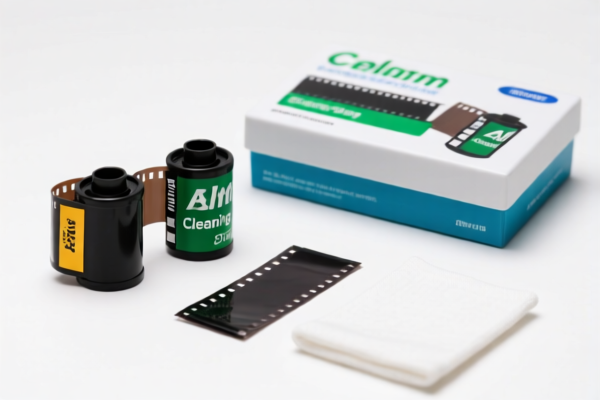
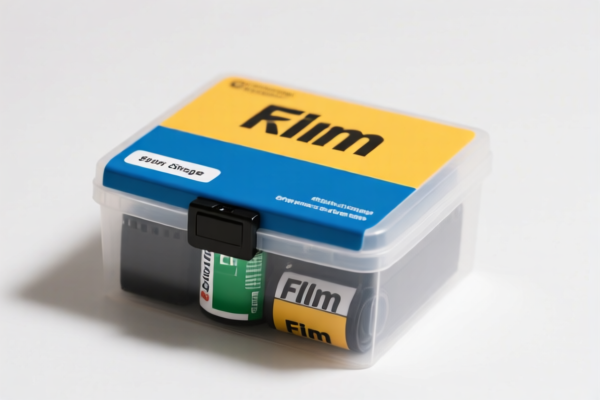
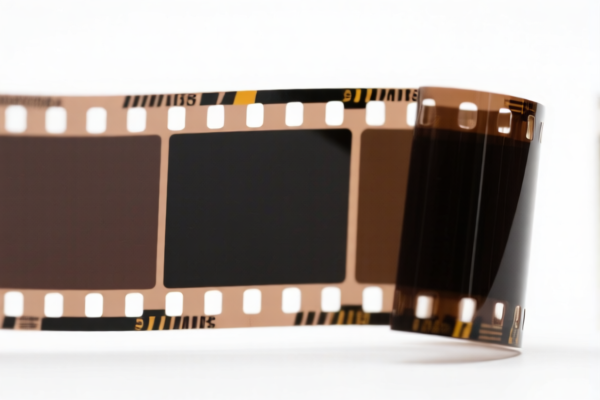

AI Analysis
🎞️ 35mm Color Macro Film (Photographic Film)
🌐 HS Code Reference & Clearance Guide | 2026 Latest Tariff Analysis | Professional Customs Strategy
📌 Product Definition: What is "35mm Color Macro Film"?
This product refers to unexposed, 35mm color negative film specifically designed for macro photography (extreme close-up shots).
- Core Material: Light-sensitive emulsion coated on a flexible plastic base (non-paper/non-textile).
- Primary Function: Captures high-resolution, detailed images of small subjects (insects, jewelry, textures).
- Key Classification Logic: Under the Harmonized System (HS), it falls under Chapter 37 (Photographic/ Cinematographic Goods).
⚠️ Critical Distinction:
- If the film is unexposed (raw rolls for shooting) →归类 to 3701.91 (Other photographic plates/films).
- If the film is exposed (already developed images) or printing paper → Different classification applies (not covered here).
- Macro vs. Standard: While "Macro" describes the application, the physical HS Code is determined by the format (35mm) and type (Color Negative).
📦 II. HS Code Classification Details (2026 Tariff Authority)
Based on the provided data for "35mm Color Macro Film" and related sensitizing materials.
| HS Code | Product Description | Application Scenario | Tax Rate Breakdown |
|---|---|---|---|
3701.91.00.60 |
35mm Color Macro Film | Specialized macro photography, non-paper/textile base. | 38.7% |
3702.54.00.30 |
35mm Color Photographic Film | General 35mm color rolls, same specs. | 38.7% |
3701.91.00.30 |
Unexposed Color Film | General unexposed color film, "other" category. | 38.7% |
3707.10.00.05 |
Color Negative Sensitizing Emulsion | Chemical liquid for creating film (macro/standard). | 38.0% |
3707.10.00.90 |
Color Photography Sensitizing Agent | "Macro" labeled chemicals, general purpose. | 38.0% |
🔍 Key Insight:
-3701.91series is for the finished film rolls (physical product).
-3707.10series is for the chemical emulsion (liquid raw material used to make film).
- All entries incur 38.0% – 38.7% total tax due to the "USITC + 25% + 122 Section 10%" structure.
💰 III. 2026 Tariff Rate Deep Dive (Comprehensive Breakdown)
Applicable to US Imports from China (CN)
🎯 1. Finished Film Rolls (3701.91.00.60, 3702.54.00.30, 3701.91.00.30)
Scenario: Importing ready-to-use 35mm Color Macro Film.
| Item | Content |
|---|---|
| Base Tariff | 3.7% (Standard Most-Favored-Nation) |
| Section 301 (USITC) | +25.0% (Additional duty on Chinese goods) |
| Section 122 | +10.0% (Additional duty for specific tech/chemical categories) |
| Total Tax Rate | 38.7% |
| Calculation Basis | CIF Value (Cost + Insurance + Freight) × 38.7% |
| De Minimis Exemption | ❌ NO (Not eligible for $800 de minimis exemption) |
| Legal Pathway | 3701.91.00 → USITC: Footnote → Section 301 → Section 122 |
📌 Explanation:
- The 25% is a standard punitive tariff on Chinese "301 List" goods.
- The 10% (Section 122) applies to specific sensitive categories, often grouped with photographic or chemical tech.
- Total 38.7% is a very high barrier, significantly impacting profit margins for hobbyist or pro-sumer photography supplies.
🎯 2. Chemical Emulsion (3707.10.00.05, 3707.10.00.90)
Scenario: Importing the liquid "Macro" sensitizing agents.
| Item | Content |
|---|---|
| Base Tariff | 3.0% |
| Section 301 (USITC) | +25.0% |
| Section 122 | +10.0% |
| Total Tax Rate | 38.0% |
| Calculation Basis | CIF Value × 38.0% |
| De Minimis Exemption | ❌ NO |
📌 Note: Slightly lower base tariff (3.0% vs 3.7%) results in a 38.0% total, but the 25% + 10% surcharge remains identical.
🛠️ IV. Clearance Practical Advice (Avoiding Pitfalls)
✅ 1. Documentation Checklist (Must-Have)
| Document | Requirement | Why It Matters |
|---|---|---|
| Product Spec Sheet | ✔️ Required | Must state: "35mm," "Color Negative," "Macro Format," "Unexposed." |
| HS Code Confirmation | ✔️ Required | Must explicitly cite 3701.91 or 3702.54. |
| MSDS (Material Safety) | ✔️ Highly Recommended | Proves content is photographic emulsion, not hazardous chemicals. |
| Commercial Invoice | ✔️ Required | Description must match HS Code logic (e.g., "35mm Color Macro Film, Unexposed"). |
| Packing List | ✔️ Required | Show quantity (rolls/boxes) and net weight. |
✅ 2. Declaration Strategy (Golden Rules)
🔥 Rule: "Description = HS Code Logic"
| Situation | Correct Declaration | Wrong Declaration | Consequence |
|---|---|---|---|
| Roll of 35mm Film | "35mm Color Macro Film, Unexposed, for Macro Photography" | "Photographic Paper" or "Camera Lens" | Rejection / Penalty (Wrong category, wrong tax) |
| Liquid Emulsion | "Color Negative Sensitizing Emulsion (Macro Grade)" | "Chemical Liquid" or "Glue" | Suspicion of Hazardous Goods / Delay |
| Finished vs. Raw | Clearly state "Unexposed" | Just say "Film" | Risk of being classified as Exposed (Lower tax, but fraud risk) |
✅ 3. Special Scenarios & Solutions
| Scenario | Solution |
|---|---|
| OEM Branded Film | Provide contract + design. Do not hide the "Chinese Origin" if applicable. |
| "Macro" Specificity | If the product is generic 35mm film but marketed for macro, classify as 3702.54 (General) unless physically different. |
| High Tax Avoidance | Strategy: Split shipping (if applicable) or explore duty drawback programs. Note: No standard de minimis applies here. |
| Re-export | If re-exporting, ensure bond is used to defer tax until final destination. |
🌍 V. Global Market Comparison (2026)
| Country/Region | Recommended HS Code | Tariff Rate (China Origin) | Key Certification | Notes |
|---|---|---|---|---|
| 🇺🇸 USA | 3701.91.00.60 |
38.7% | FDA (if cosmetic related), USDA | Highest barrier, strict 122 Section enforcement. |
| 🇨🇳 China | 3701.91 |
5% (Import duty) | None | Domestic market has lower tariffs. |
| 🇪🇺 EU | 3701.91 |
0% (Standard) | CE (if applicable) | Generally lower tariff, but strict chemical regulations (REACH). |
| 🇯🇵 Japan | 3701.91 |
4% | JIS | Moderate tariff, no 25%+ surcharge. |
| 🇦🇺 Australia | 3701.91 |
0% (FTA) | RCM | Low barrier, potential duty-free if FTA applies. |
📌 Conclusion:
- USA is the most expensive market for this product due to the 38.7% combined tariff.
- 35mm Color Film is heavily targeted by trade protection policies (Section 301 + 122).
- Alternative Markets: Consider shipping to EU or Japan for better margins if the US market is too costly.
📌 VI. Common Mistakes & How to Avoid Them
❌ Mistake 1: Misdeclaring "Macro" as a Special Category
👉 Result: Trying to classify under a different "Macro" code that doesn't exist → Customs Audit + Penalty.
✅ Fix: Stick to standard 3701/3702 codes; "Macro" is an application, not an HS Class.
❌ Mistake 2: Confusing "Film" with "Paper"
👉 Result: Declaring as "Photographic Paper" (lower tax) → Seizure & False Declaration.
✅ Fix: Ensure physical inspection confirms "Flexible Plastic Base," not "Paper."
❌ Mistake 3: Ignoring the "Unexposed" Status
👉 Result: Declaring as "Exposed Film" (which might have different rules) → Tax Underpayment.
✅ Fix: Always label "Unexposed" on the invoice.
❌ Mistake 4: Splitting Chemical & Film in One Shipment
👉 Result: Confusion on HS Codes → Delay.
✅ Fix: Separate shipments or clearly distinguish in the packing list.
🎯 VII. Conclusion: Strategic Clearance for Film Imports
🎯 Key Takeaways:
🔹 35mm Color Macro Film is not a simple commodity; it is subject to 38.7% total tax in the US.
🔹 HS Code 3701.91 is the correct path for the finished product; 3707.10 for the chemicals.
🔹 Accuracy in Description is vital to avoid "misclassification" penalties.
🔹 No De Minimis applies → Every roll pays the full tax.🔹 Pro Tip:
If you are a photography studio or retailer importing small batches: Factor in 38.7% into your pricing immediately.
If you are a manufacturer: Consider shifting final assembly to a non-China country (e.g., Vietnam, Mexico) to avoid Section 301 tariffs.
📌 Action Plan:
1. Verify product specs (35mm, Color, Unexposed).
2. Assign correct HS Code (3701.91.00.60).
3. Calculate CIF cost + 38.7% tax.
4. Prepare detailed specs for Customs.
5. Ship with full transparency.
✨ Professional Customs Clearance Starts with Precise Classification!
💼 Your profit margin depends on accurate HS Code selection!
Customer Reviews
About HS Code Classification
The Harmonized System (HS) is an internationally standardized nomenclature developed by the World Customs Organization (WCO) to classify traded products. Over 200 countries use the HS system as the basis for customs tariffs, trade statistics, and import/export regulations.
Each HS code follows a hierarchical structure:
- Chapter (2 digits) — Broad category of goods (e.g., Chapter 84: Machinery and Mechanical Appliances)
- Heading (4 digits) — More specific grouping within the chapter
- Subheading (6 digits) — Internationally standardized breakdown, used by all WCO member countries
- National subdivisions (8-10 digits) — Country-specific extensions for further classification, such as US HTSUS 10-digit codes
Correct HS code classification is essential for smooth customs clearance, accurate duty payment, and compliance with trade regulations. Misclassification can lead to customs delays, overpayment of duties, or penalties.
When importing from CN to US, the applicable tariff rates may include:
- Most-Favored-Nation (MFN) rate — The standard duty rate applied to WTO members
- General rate — Applied to countries without trade agreements
- Trade remedy duties — Additional tariffs such as Section 301 (anti-dumping), Section 232 (national security), or countervailing duties
The information provided on this page is for reference purposes only. For official classification, please consult with your local customs authority or a licensed customs broker.