35mm Color Plastic Packaging Film
CN → US| HS Code | Tariff Rate | Origin | Destination | Doc |
|---|---|---|---|---|
| 3923900080 | 38.0% | CN | US | Official Doc |
| 3702540030 | 38.7% | CN | US | Official Doc |
| 3920591000 | 41.0% | CN | US | Official Doc |
| 3923400010 | 40.3% | CN | US | Official Doc |
| 3702540060 | 38.7% | CN | US | Official Doc |
Product Images
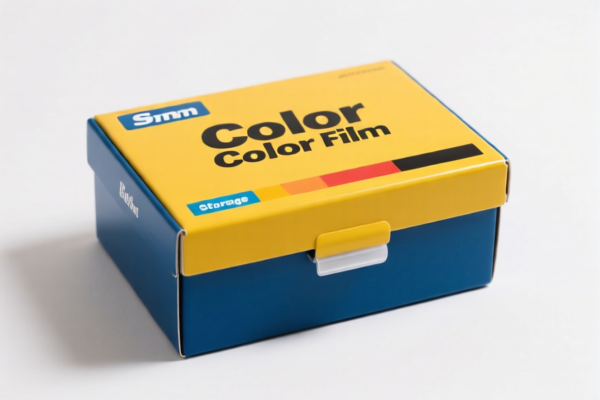
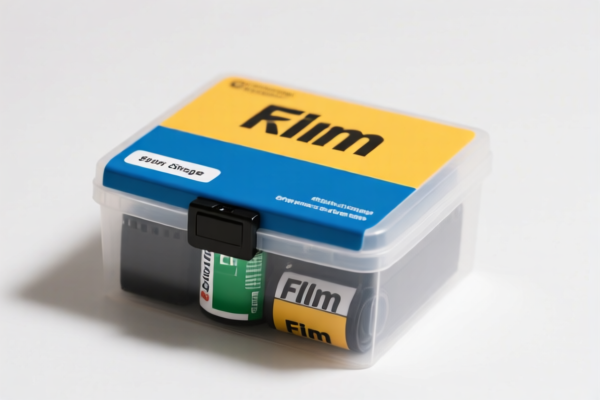
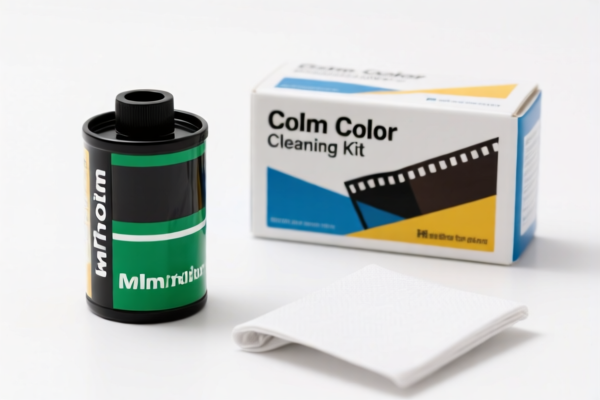
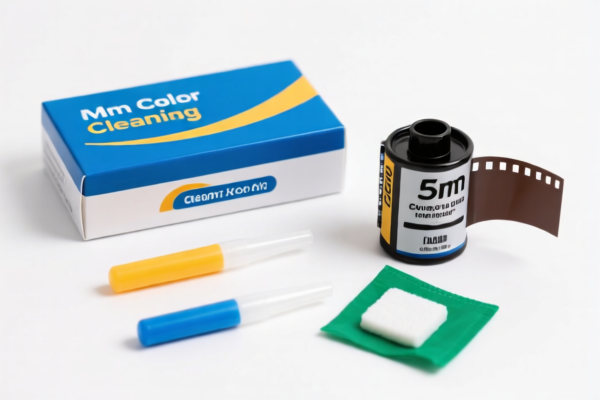
AI Analysis
🎞️ 35mm Color Plastic Packaging Film
🌐 HS Code Reference & Customs Clearance Guide | 2026 Latest Tariff Analysis | Professional Clearance Strategy
📌 I. Product Definition & Classification: Understanding "Film" vs. "Packaging"
"35mm Color Plastic Packaging Film" is a deceptive term in international trade. It sits at the intersection of photographic materials (Section 37) and plastic packaging products (Chapter 39). The core challenge for customs clearance lies in distinguishing whether the item is a functional photographic medium (image-carrying) or a passive packaging material (protective wrapper).
Key Distinctions: * Photographic Film (Section 37): If the film is light-sensitive, coated for image capture, and intended for cameras, it falls under Heading 3702. * Plastic Packaging/Sheets (Chapter 39): If the film is non-light-sensitive, used strictly for wrapping, protecting, or storing goods, it falls under Heading 3920 or 3923. * Special Case: If it is a spool/canister made of plastic holding the film, it may be classified as packaging material (3923.40).
⚠️ Critical Classification Point:
- If the product is unexposed, light-sensitive 35mm film for cameras → HS 3702.54
- If the product is plain plastic film (non-photo) used for wrapping → HS 3920.59
- If the product is plastic reels/canisters for film → HS 3923.40
- If the product is miscellaneous plastic packaging → HS 3923.90
📦 II. HS Code Classification Details (2026 Latest Tariff Authority)
Based on the provided data, here are the four possible classifications depending on the exact physical form and intended use of the "35mm Color Plastic Packaging Film."
| HS Code | Product Description | Applicable Scenario | Key Characteristics |
|---|---|---|---|
3702.54.00.30 |
Other color photographic film, width ≤ 35mm | Unexposed, light-sensitive film for 35mm cameras. | ✅ Light-sensitive, coated, for photography. |
3702.54.00.60 |
Other color photographic film, width ≤ 35mm | Alternative subheading for color photographic film. | ✅ Light-sensitive, coated, for photography. |
3920.59.10.00 |
Other plates, sheets, film, foil and strip, of plastics | Plain plastic film (non-photo), rolls/strips. | ❌ Non-photo, plain plastic, film format. |
3923.40.00.10 |
Reels, spools, and similar supports, of plastics | Plastic spools/canisters holding film. | ✅ Packaging item, not the film itself. |
3923.90.00.80 |
Other articles for the conveyance or packaging of goods | Miscellaneous plastic packaging items. | ✅ General plastic packaging, not specific film. |
🔍 Focus Reminder:
- Most Likely Scenario for "35mm Film": If you are importing actual photographic film, the correct classification is 3702.54.00.30 or 3702.54.00.60.
- If importing "Film Packaging" (e.g., plastic sleeves): It may fall under 3923.90.00.80 or 3920.59.10.00.
- Misclassification Risk: Declaring photo film as "plastic sheets" (3920) or "packaging" (3923) to lower tariffs is high-risk and leads to penalties.
💰 III. 2026 Latest Tariff Rate Details (Including Surtaxes & Policy Add-ons)
✅ Applicable Country: United States (US)
✅ Origin: China (CN)
✅ Effective Date: 2025-11-10 onwards (for subsequent imports)
🎯 1. 3702.54.00.30 & 3702.54.00.60 —— Color Photographic Film (35mm)
| Item | Content |
|---|---|
| Base Rate | 3.7% (ad valorem) |
| Section 301 Surcharge | +25.0% |
| IEEPA Surcharge | +10.0% (针对中国/香港产品,自2025年11月10日起) |
| Total Rate | 38.7% |
| Tax Calculation | CIF Value × 38.7% |
| De Minimis Eligibility | ❌ Not Applicable (deny_de_minimis) |
| Legal Basis Path | IEEPA:9903.01.24 → USITC:3702.54.00.30/60 |
📌 Explanation:
- "Section 301 25%": Additional tariff under U.S. Trade Act Section 301.
- "IEEPA 10%": Additional tariff under the International Emergency Economic Powers Act for Chinese products.
- Total 38.7%: This is a high tariff for photographic materials.
- Note: Both3702.54.00.30and3702.54.00.60share the same total rate of 38.7%.
🎯 2. 3920.59.10.00 —— Plastic Sheets/Film (Non-Packing/Non-Photo)
| Item | Content |
|---|---|
| Base Rate | 6.0% (ad valorem) |
| Section 301 Surcharge | +25.0% |
| IEEPA Surcharge | +10.0% |
| Total Rate | 41.0% |
| Tax Calculation | CIF Value × 41.0% |
| De Minimis Eligibility | ❌ Not Applicable |
| Legal Basis Path | IEEPA:9903.01.24 → USITC:3920.59.10.00 |
📌 Explanation:
- If the film is not photographic and is classified as plastic sheets/film, the base rate is higher (6.0% vs 3.7%).
- Total 41.0% is even higher than photographic film.
- Caution: Do not misdeclare photo film as generic plastic film to avoid scrutiny; the rates are punitive.
🎯 3. 3923.40.00.10 —— Plastic Reels/Spools (Packaging)
| Item | Content |
|---|---|
| Base Rate | 5.3% (ad valorem) |
| Section 301 Surcharge | +25.0% |
| IEEPA Surcharge | +10.0% |
| Total Rate | 40.3% |
| Tax Calculation | CIF Value × 40.3% |
| De Minimis Eligibility | ❌ Not Applicable |
| Legal Basis Path | IEEPA:9903.01.24 → USITC:3923.40.00.10 |
📌 Explanation:
- This code applies if you are importing empty plastic spools/canisters for film, not the film itself.
- Total 40.3% applies to these packaging components.
🎯 4. 3923.90.00.80 —— Other Plastic Packaging Articles
| Item | Content |
|---|---|
| Base Rate | 3.0% (ad valorem) |
| Section 301 Surcharge | +25.0% |
| IEEPA Surcharge | +10.0% |
| Total Rate | 38.0% |
| Tax Calculation | CIF Value × 38.0% |
| De Minimis Eligibility | ❌ Not Applicable |
| Legal Basis Path | IEEPA:9903.01.24 → USITC:3923.90.00.80 |
📌 Explanation:
- This is the lowest total rate (38.0%) among all options.
- However, it only applies to miscellaneous plastic packaging items that do not fit specific film or reel categories.
- Risk: Misdeclaring photographic film or specific plastic sheets as "other packaging" can lead to severe penalties.
🛠️ IV. Customs Clearance Practical Advice (Battle-Proven Pitfall Avoidance)
✅ 1. Documentation Checklist (Mandatory)
| Document | Required | Description |
|---|---|---|
| ✅ Product Specification Sheet | ✔️ | Must specify: Width (35mm), Material (Plastic/Photo-coated), Use (Photographic vs. Packaging). |
| ✅ Photo/Visual Reference | ✔️ | Clear images showing if the film is in canisters, rolls, or sheets. |
| ✅ Bill of Lading / Packing List | ✔️ | Must match HS Code description (e.g., "Color Photographic Film" vs. "Plastic Film Rolls"). |
| ✅ Commercial Invoice | ✔️ | Item name must be precise. Avoid vague terms like "Plastic Film." |
| ✅ Certificate of Origin (CO) | ✔️ | To verify Chinese origin for surtax application. |
| ✅ Third-Party Lab Report | ✔️ | If disputed, a lab test proving light-sensitivity (for HS 3702) or lack thereof (for HS 3920) is crucial. |
✅ 2. Declaration Tips (Key Mantra)
🔥 "Photo Film is Photo, Not Plastic! Spools are Spools, Not Film!"
| Scenario | Correct Declaration | Wrong Declaration |
|---|---|---|
| 35mm Unexposed Camera Film | 3702.54.00.30 (Color Photographic Film) |
3920.59.10.00 (Plastic Film) → 41.0% vs 38.7% + Audit Risk |
| Empty Plastic Reels for Film | 3923.40.00.10 (Plastic Reels) |
3702.54.00.30 → Wrong HS, Delay |
| General Plastic Packaging Bags/Sleeves | 3923.90.00.80 (Other Packaging) |
3702.54.00.30 → Wrong HS, Penalty |
| 35mm Plastic Film Strips (Non-Photo) | 3920.59.10.00 (Plastic Sheets/Film) |
3923.90.00.80 → Misclassification |
✅ 3. Special Case Handling
| Situation | Recommendation |
|---|---|
| Mixed Shipment (Film + Spools + Packaging) | Declare separately. Do not bundle into one HS Code. Film goes to 3702, Spools to 3923.40, Packaging to 3923.90. |
| OEM Custom Film | Provide design specs showing light-sensitive emulsion layers to justify HS 3702. |
| Clear Plastic Sleeves for Film Storage | Classify as 3923.90.00.80 (Packaging), NOT 3702 (unless it's the film itself). |
| "Color" Plastic Film (Non-Photo) | Ensure description says "Non-photographic" or "Decorative Film" to avoid scrutiny under Section 37. |
🌍 V. Global Market Comparison (2026 Latest)
| Country/Region | Recommended HS Code | Tariff (China Origin) | Certifications | Notes |
|---|---|---|---|---|
| 🇺🇸 USA | 3702.54.00.30 |
38.7% | FDA (if food-contact), but mainly Section 301 | High surtaxes apply. |
| 🇨🇳 China | 3702.54.00.30 |
6.0% (Import Duty) | CCC (if applicable) | No Section 301/IEEPA. |
| 🇪🇺 EU | 3702.54.00.00 |
6.5% | REACH (if chemical coatings) | No additional surtaxes. |
| 🇦🇺 Australia | 3702.54.00.00 |
5.0% | TGA (if medical photo) | Standard duties. |
📌 Conclusion:
- USA is the most expensive market due to Section 301 (25%) and IEEPA (10%) surcharges.
- Total cost impact: Nearly 40% tax on CIF value.
- Strategy: Consider sourcing from Vietnam, Mexico, or Thailand to potentially avoid IEEPA surcharges (verify current exemption rules).
📌 VI. Common Mistakes & Pitfall Guide (Lessons Learned)
❌ Mistake 1: Declaring 35mm Camera Film as "Plastic Film Rolls" (HS 3920)
👉 Consequence: Rate increases from 38.7% to 41.0%. Customs may also audit for misdeclaration.
❌ Mistake 2: Declaring Empty Plastic Spools as Film (HS 3702)
👉 Consequence: Wrong HS Code. No photo emulsion exists. Leads to seizure or heavy fines.
❌ Mistake 3: Using vague terms like "Plastic Film" in Invoice
👉 Consequence: Customs officers may classify under the highest duty rate or demand detailed lab tests, causing 30+ days delay.
❌ Mistake 4: Ignoring IEEPA 10% Surtax
👉 Consequence: Underpayment of taxes. Back-taxes + Penalties upon audit.
✅ Correct Approach:
"Color Photographic Film, 35mm, Unexposed, Light-Sensitive, for Camera Use, 24 Exposures, Kodak/Fujifilm Brand"
🎯 VII. Conclusion: Professional Declaration, Cost Efficiency, Smooth Clearance
🎯 Key Takeaways:
🔹 "Photographic Film is Section 37, Not Section 39. Don't confuse it with plastic sheets!"
🔹 "Total Tax for Photo Film: 38.7%. For Plastic Packaging: 38.0%-41.0%. All High!"
🔹 "Always declare separately: Film, Spools, and Packaging!"
📌 Pro Tip:
If your product is not light-sensitive (e.g., clear plastic protective film for lenses), declare it as 3920.59.10.00 or 3923.90.00.80. However, do not use this to misdeclare actual photo film. The risk is not worth the small rate difference (38.7% vs 41.0% or 38.0%).
📣 Immediate Action:
📞 Contact a Licensed Customs Broker
📸 Provide High-Res Photos of the Product & Label
📄 Request an Advance Ruling if Shipment Value is High
🚀 Ensure Your Commercial Invoice Matches the HS Code Description Exactly
✨ Professional Clearance Starts with Accurate Classification!
💼 Your Every Cent is Worth Precisely Calculated!
Customer Reviews
About HS Code Classification
The Harmonized System (HS) is an internationally standardized nomenclature developed by the World Customs Organization (WCO) to classify traded products. Over 200 countries use the HS system as the basis for customs tariffs, trade statistics, and import/export regulations.
Each HS code follows a hierarchical structure:
- Chapter (2 digits) — Broad category of goods (e.g., Chapter 84: Machinery and Mechanical Appliances)
- Heading (4 digits) — More specific grouping within the chapter
- Subheading (6 digits) — Internationally standardized breakdown, used by all WCO member countries
- National subdivisions (8-10 digits) — Country-specific extensions for further classification, such as US HTSUS 10-digit codes
Correct HS code classification is essential for smooth customs clearance, accurate duty payment, and compliance with trade regulations. Misclassification can lead to customs delays, overpayment of duties, or penalties.
When importing from CN to US, the applicable tariff rates may include:
- Most-Favored-Nation (MFN) rate — The standard duty rate applied to WTO members
- General rate — Applied to countries without trade agreements
- Trade remedy duties — Additional tariffs such as Section 301 (anti-dumping), Section 232 (national security), or countervailing duties
The information provided on this page is for reference purposes only. For official classification, please consult with your local customs authority or a licensed customs broker.