35mm Color Positive Film High Sensitivity
CN → US| HS Code | Tariff Rate | Origin | Destination | Doc |
|---|---|---|---|---|
| 3702560030 | 35.0% | CN | US | Official Doc |
| 3702560060 | 35.0% | CN | US | Official Doc |
| 3701910060 | 38.7% | CN | US | Official Doc |
| 3707100090 | 38.0% | CN | US | Official Doc |
| 3701910030 | 38.7% | CN | US | Official Doc |
Product Images
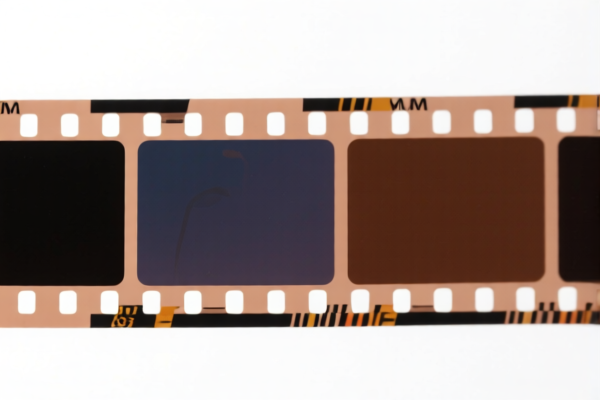
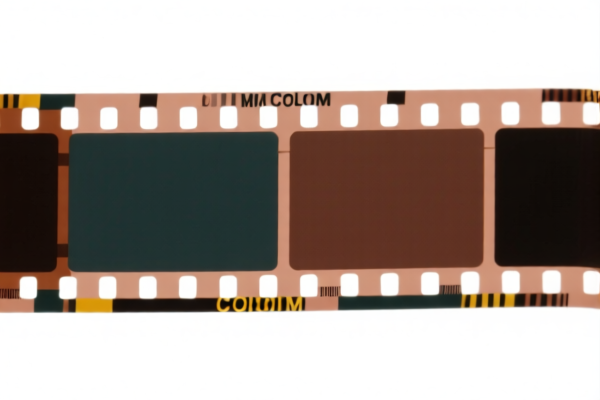


AI Analysis
🎞️ 35mm Color Positive Film High Sensitivity
🌐 HS Code Reference & Customs Clearance Guide | 2026 Latest Tariff Analysis | Professional Customs Strategy
📌 I. Product Definition & Classification: Do You Really Understand "Color Positive Film"?
Color Positive Film (often referred to as Slide Film or Ektachrome-style film) is a specialized photographic medium used for high-fidelity color reproduction. It is distinct from negative film because it produces a direct positive image on the processed film itself, requiring no printing paper.
In international trade, the classification depends heavily on the physical form (roll vs. sheet) and specific chemical composition. For "35mm Color Positive Film," the critical distinction lies in whether it is classified under general "color photographic plates/films" or specific "color reversal films."
⚠️ Key Distinction:
- General Color Film (often negative, but sometimes inclusive in broad descriptions): Often falls under3702.56or3702.39.
- Specific Color Positive/Reversal Film: Falls under3701.91.
- Related Photographic Chemicals: Emulsions or developers fall under3707.10.
- 35mm Roll Specifics: Often grouped under3702.56if not explicitly defined as a separate reversal category in certain customs interpretations, though3701.91is technically more accurate for "positive" slides.
📦 II. HS Code Classification Details (2026 Latest Tariff Authority Comparison)
Based on the provided data, here are the relevant HS Codes for 35mm Color Positive Film, along with their specific tax implications.
| HS Code | Product Description | Application Scenario | Total Tax Rate | Key Tax Components |
|---|---|---|---|---|
3701.91.00.60 |
Color Positive Film – Used for color photography, non-paper/non-textile material. High sharpness is a performance descriptor. | Professional slide photography, fine art, archival images. | 38.7% | Base: 3.7% + Section 301: 25% + Section 122: 10% |
3701.91.00.30 |
Color Photographic Film – Material and form fully match. | General color positive film, 35mm rolls. | 38.7% | Base: 3.7% + Section 301: 25% + Section 122: 10% |
3702.56.00.30 |
Color Photographic Film – High sharpness, unspecified width, fits color film category. | Color films not strictly defined as "positive" in this specific subheading interpretation, or broader category inclusion. | 35.0% | Base: 0.0% + Section 301: 25% + Section 122: 10% |
3702.56.00.60 |
Color Photographic Roll – Implies light-sensitive use, defaults to roll format, infers other material category. | Standard 35mm color rolls, general purpose. | 35.0% | Base: 0.0% + Section 301: 25% + Section 122: 10% |
3707.10.00.90 |
Photographic Sensitizing Emulsion – Color-related category, fits "other" description. | Note: This is for emulsions/chemicals, not finished film. Included for completeness if user confuses raw materials with finished goods. | 38.0% | Base: 3.0% + Section 301: 25% + Section 122: 10% |
🔍 Critical Analysis:
- HS3701.91: Technically the most accurate for "Positive/Reversal" film. It carries a 3.7% Base Duty, making the total 38.7%.
- HS3702.56: Often used for negative films or general color films without specific "positive" designation. It carries a 0% Base Duty, making the total 35.0%.
- Risk: Misclassifying a "Positive" film as "General Color Film" (3702.56) to save the 3.7% base duty is a common audit trigger. Customs may require proof that it is not positive film to accept the lower rate.
💰 III. 2026 Latest Tariff Rate Breakdown (Including Surtaxes & Policy Surcharges)
✅ Applicable Country: USA (US)
✅ Origin: China (CN)
✅ Effective Date: Post-2025 (Including subsequent imports)
🎯 1. 3701.91.00.60 & 3701.91.00.30 —— Color Positive Film (Reversal Film)
| Item | Content |
|---|---|
| Base Duty Rate | 3.7% (ad valorem) |
| USITC Surtax (Section 301) | +25% |
| IEEPA Surtax (Section 122) | +10% |
| Total Duty Rate | 38.7% |
| Tax Calculation | CIF Value × 38.7% |
| De Minimis Eligibility | ❌ Not Eligible (High value goods subject to full duty) |
| Legal Basis Path | IEEPA:9903.01.25 → IEEPA:9903.01.24 → USITC:3701.91 → FOOTNOTE:9903.88.01 |
📌 Explanation:
- The 3.7% base duty reflects the standard MFN rate for photographic reversal films.
- The 25% Section 301 tariff applies to Chinese-origin photographic goods.
- The 10% Section 122 tariff is a recent addition targeting specific Chinese imports, including certain photographic materials.
- Total: 38.7%. This is a high tariff bracket, significantly impacting profit margins for niche film markets.
🎯 2. 3702.56.00.30 & 3702.56.00.60 —— Color Photographic Film (General/Negative)
| Item | Content |
|---|---|
| Base Duty Rate | 0.0% (ad valorem) |
| USITC Surtax (Section 301) | +25% |
| IEEPA Surtax (Section 122) | +10% |
| Total Duty Rate | 35.0% |
| Tax Calculation | CIF Value × 35.0% |
| De Minimis Eligibility | ❌ Not Eligible |
| Legal Basis Path | IEEPA:9901.25 → IEEPA:9903.01.24 → USITC:3702.56 → FOOTNOTE:9903.88.01 |
📌 Note:
- While the base duty is 0%, the 35% total is still substantial.
- This rate applies if the film is classified as "Other Color Photographic Film" (typically negative films like Kodak Portra/Ektar) or if the "positive" nature is not explicitly declared.
- Warning: Do not use this code for positive film without strong justification, as it may be challenged.
🎯 3. 3707.10.00.90 —— Photographic Sensitizing Emulsion (Chemicals)
| Item | Content |
|---|---|
| Base Duty Rate | 3.0% |
| USITC Surtax | +25% |
| IEEPA Surtax | +10% |
| Total Duty Rate | 38.0% |
| Tax Calculation | CIF Value × 38.0% |
📌 Clarification:
- This code is for raw chemical emulsions, not finished 35mm film rolls.
- Only use if importing bulk sensitizing agents, not consumer photographic film.
🛠️ IV. Customs Clearance Practical Advice (Field Avoidance Guide)
✅ 1. Required Document Checklist (Non-negotiable)
| Document | Must Provide | Explanation |
|---|---|---|
| ✅ Product Specification Sheet | ✔️ | Must specify: "Color Positive Film," "Reversal Process," "35mm Format," "High Sensitivity (e.g., ISO 100/50)." |
| ✅ Product Photos (Clear Label) | ✔️ | Must show "Ektachrome," "Velvia," "Kodachrome," or "Positive" explicitly. Avoid ambiguous terms like "Color Film." |
| ✅ Commercial Invoice | ✔️ | Item name: "35mm Color Reversal Film, High Sensitivity." Avoid generic "Photographic Supplies." |
| ✅ Packing List | ✔️ | Detail number of rolls, length, and format. |
| ✅ Certificate of Origin (CO) | ✔️ | Required to confirm CN origin and apply (or dispute) surtaxes. |
| ✅ Material Safety Data Sheet (MSDS) | ✔️ | Often required for chemical-based photographic goods. |
✅ 2. Declaration Tips (Key Mnemonics)
🔥 "Positive Needs 3701, Negative Takes 3702. Be Specific, Or Face the 3.7% Pitfall!"
| Scenario | Correct Declaration | Incorrect Practice |
|---|---|---|
| Professional Slide Film | HS 3701.91 (Color Positive) | Declaring as "Color Film" (3702) → Risk of penalty for misclassification. |
| Negative Color Film | HS 3702.56 (Other Color Film) | Declaring as "Positive" → Unjustified base duty rate. |
| Bulk Emulsion | HS 3707.10 (Chemicals) | Declaring as "Film Rolls" → Major discrepancy in physical form. |
| Mixed Shipments | Split HS Codes | Mixing Positive and Negative in one line item → Custom seizure risk. |
✅ 3. Special Case Handling
| Situation | Handling Advice |
|---|---|
| High Sensitivity (ISO 50/100) | Declare the exact ISO rating. Higher sensitivity often correlates with finer grain but does not change HS code unless it’s a specific specialty film. |
| Kodachrome/Ektachrome Brand Names | Using brand names is fine, but ensure the generic description ("Color Reversal Film") matches the HS code logic. |
| Small Quantity (Personal Use) | Still subject to duty if declared as commercial entry. De Minimis ($800) may apply if shipped directly to an individual via postal service, but risk of inspection is high for photographic chemicals. |
| Vintage/Discontinued Film | If importing old stock, provide purchase invoices. HS code remains the same, but origin verification is critical. |
🌍 V. Global Main Market Clearance Comparison (2026 Latest)
| Country/Region | Recommended HS Code | Tariff (China Origin) | Certification Requirements | Remarks |
|---|---|---|---|---|
| 🇺🇸 USA | 3701.91.00.60 |
38.7% | FDA (if applicable for certain chemicals), USITC Footnote compliance | High surtaxes apply. |
| 🇨🇳 China | 3701.91 |
3.7% | CCC (if applicable) | No Section 301/122. |
| 🇪🇺 EU | 3701.91 |
0-6.5% (Varies) | CE (for packaging), REACH (chemicals) | No Section 301/122. |
| 🇬🇧 UK | 3701.91 |
0-6.5% | UKCA marking | Post-Brexit rules apply. |
| 🇯🇵 Japan | 3701.91 |
3.2% | PSE (if electronic components in cameras) | Low base duty. |
📌 Conclusion:
- USA is the most expensive market for Chinese-origin color positive film due to 38.7% total duties.
- EU/UK/Japan offer significantly lower duties (0-6.5%), making them more attractive for export if supply chain allows.
- Strategic Tip: If possible, source film from non-China origins (e.g., Japan, India) to avoid Section 301 and 122 surtaxes.
📌 VI. Common Errors & Pitfalls (Blood-Lesson Guide)
❌ Error 1: Using HS 3702.56 for Positive/Reversal Film to save the 3.7% base duty.
👉 Consequence: Customs audit, back-duties, fines, and potential blacklisting of the importer.
❌ Error 2: Declaring "Photographic Supplies" or "Camera Accessories" for film.
👉 Consequence: Misclassification, delay in clearance, and seizure of goods.
❌ Error 3: Ignoring Section 122 (10%) surtax.
👉 Consequence: Underpayment of duties. The 10% is applied on top of the 25% Section 301, so the total is not simply 30%, but Base + 25% + 10%.
❌ Error 4: Mixing Emulsions (3707) with Finished Film (3701) in one shipment without separate lines.
👉 Consequence: Customs will reject the entry or demand reclassification of the entire lot.
✅ Correct Practice:
"35mm Color Reversal Film, High Sensitivity (ISO 100), 36 exposures, Kodak/Ektachrome Type, CN Origin, CIF Value $X"
🎯 VII. Conclusion: Precise Classification Saves Thousands!
🎯 Remember the Mantra:
🔹 "Positive is 3701, Negative is 3702. Don't Mix Them Up or Pay the 3.7% Extra!"
🔹 "China Origin + Photo Film = 38.7% Duty. Plan Your Margin Accordingly!"
📌 Pro Tip:
If your film is not of Chinese origin (e.g., manufactured in Japan or India), you can avoid the 25% Section 301 and 10% Section 122 tariffs. The total duty may drop to just 3.7% (US) + Base Duty.
Recommendation: Conduct a Pre-Ruling (Advance Ruling) with US Customs (CBP) to confirm the HS code and duty rate before shipment.
📣 Immediate Action:
📞 Contact a Professional Customs Broker + Provide Film Samples + Apply for HS Code Pre-Ruling
🚀 Ensure Smooth Clearance, Minimize Tax Burden, and Maximize Profit!
✨ Professional Clearance Starts with Accurate Classification!
💼 Every Dollar Saved on Duty is Pure Profit!
Customer Reviews
About HS Code Classification
The Harmonized System (HS) is an internationally standardized nomenclature developed by the World Customs Organization (WCO) to classify traded products. Over 200 countries use the HS system as the basis for customs tariffs, trade statistics, and import/export regulations.
Each HS code follows a hierarchical structure:
- Chapter (2 digits) — Broad category of goods (e.g., Chapter 84: Machinery and Mechanical Appliances)
- Heading (4 digits) — More specific grouping within the chapter
- Subheading (6 digits) — Internationally standardized breakdown, used by all WCO member countries
- National subdivisions (8-10 digits) — Country-specific extensions for further classification, such as US HTSUS 10-digit codes
Correct HS code classification is essential for smooth customs clearance, accurate duty payment, and compliance with trade regulations. Misclassification can lead to customs delays, overpayment of duties, or penalties.
When importing from CN to US, the applicable tariff rates may include:
- Most-Favored-Nation (MFN) rate — The standard duty rate applied to WTO members
- General rate — Applied to countries without trade agreements
- Trade remedy duties — Additional tariffs such as Section 301 (anti-dumping), Section 232 (national security), or countervailing duties
The information provided on this page is for reference purposes only. For official classification, please consult with your local customs authority or a licensed customs broker.