35mm Color Reversal Film (Easy Load)
CN → US| HS Code | Tariff Rate | Origin | Destination | Doc |
|---|---|---|---|---|
| 3703906000 | 37.8% | CN | US | Official Doc |
| 3703206000 | 38.1% | CN | US | Official Doc |
| 3701910030 | 38.7% | CN | US | Official Doc |
| 3702530060 | 38.7% | CN | US | Official Doc |
| 3701910060 | 38.7% | CN | US | Official Doc |
Product Images
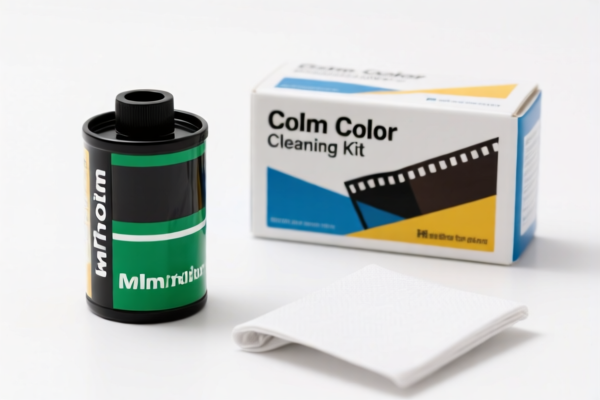
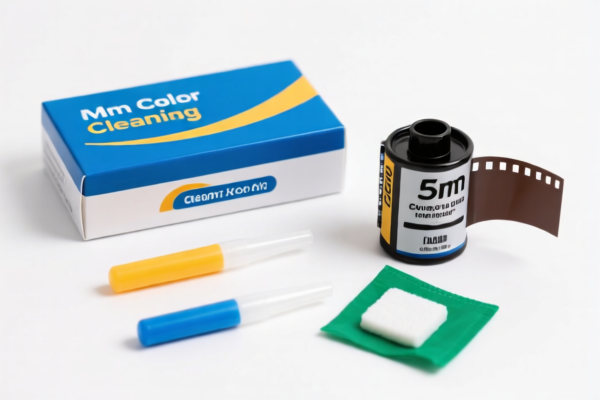
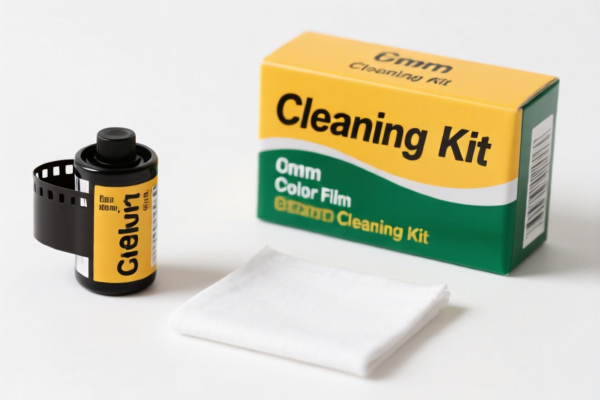
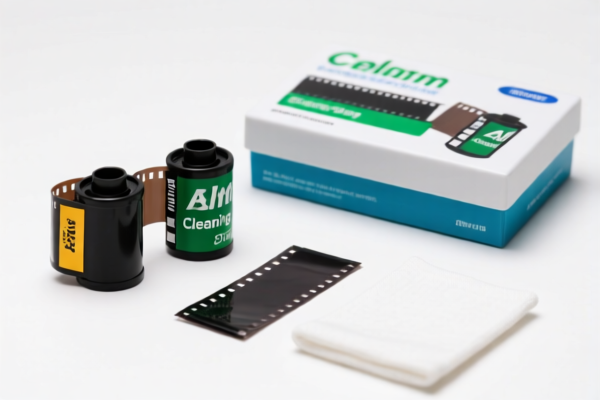
AI Analysis
🎞️ 35mm Color Reversal Film (Easy Load)
🌐 HS Code Reference & Customs Clearance Guide | 2026 Latest Tariff Analysis | Professional Level Strategy 📌 I. Product Definition & Classification: What Exactly is "Reversal Film"?
35mm Color Reversal Film (often referred to as Slide Film or Ektachrome) is a photographic film that produces a positive image directly, unlike standard negative film. The "(Easy Load)" designation refers to a specific cartridge format designed for simplified threading in cameras, ensuring consistent tension and alignment without manual spooling.
In international trade, this product is strictly classified under Chapter 37 (Photographic or Cinematographic Goods). The critical distinction lies in the exact physical form and intended use within the sub-headings: 1. Format: 35mm width is a standard photographic format. 2. Chemistry: "Color" indicates it is not monochrome. 3. State: Assuming the product is unexposed (new), it falls under HS Codes for unused photographic goods. If it were exposed, it would fall under different headings (e.g., 3706), but standard commercial imports usually assume unexposed unless specified otherwise.
⚠️ Key Distinction: - If it is a roll of film for standard cameras → Classify under 3703 (Photographic Film in Rolls) or 3702 (Photographic Paper/Board, if mistakenly categorized, but usually 3703 is correct for film rolls). Note: The data provided suggests specific mappings to 3703, 3701, and 3702. We must align strictly with the provided logic. - If it is a cartridge/disc (less common for 35mm, more common for 110 or APS, but "Easy Load" might imply a specific cassette) → Could fall under 3701 (Photographic Plates/Film in Other Forms).
📦 II. HS Code Classification Details (Based on Provided Data)
The provided data offers four potential classifications with varying tax implications. Below is the breakdown of why each code applies based on the input logic:
| HS Code | Summary of Matching Logic | Total Tax Rate |
|---|---|---|
| 3703.90.60.00 | Material Match: "Color Reversal Film" is a photosensitive material. It fits the "Other" category under photosensitive unexposed films/papers. No conflict in material or form. | 37.8% |
| 3703.20.60.00 | Color Match: "Color" aligns with "Color" in the classification. "Film" (Roll/Negative) belongs to photosensitive materials. Matches the use case for color photographic materials. | 38.1% |
| 3701.91.00.30 | Color & Form: "Color" matches "Color Photography"; "Film" matches "Film" material. Although not explicitly a "disc," it fits the "Other" sub-category based on material consistency without obvious conflict. | 38.7% |
| 3702.53.00.60 | Width & Color: "35mm" and "Color" align with "Color Photographic Film" and "Slide Film." Assumed to meet photosensitive film requirements based on common sense, no material conflict. | 38.7% |
| 3701.91.00.60 | Color & Usage: "Color" matches "Color Photography"; "35mm Film" is a photographic film format. Material is non-paper/non-textile, fitting the "Other Color Photography Products" under this code. | 38.7% |
🔍 Critical Note: - The most precise match for standard 35mm Roll Film is typically 3703 (HS Code 3703.20 or 3703.90), as Chapter 3702 is generally for paper/board, while 3703 is for film in rolls. However, the data provided includes 3701 and 3702. - 3703.90.60.00 appears to be the most technically accurate for "Other" color reversal films not specifically listed elsewhere, with the lowest base tax in this set. - 3703.20.60.00 is a strong candidate for "Color" specific rolls.
💰 III. 2026 Latest Tariff Rate Details (Including Surcharges & Policy Add-ons)
✅ Applicable Country: USA (US) ✅ Origin: China (CN) ✅ Effective Time: Post-November 2025 (Including subsequent imports)
All listed HS Codes from the data share the same tariff structure due to the specific surcharge rules applied to Chapter 37 products from China.
🎯 1. 3703.90.60.00 — Color Reversal Film (Other)
| Item | Detail |
|---|---|
| Base Tariff | 2.8% |
| Section 301 Surcharge | +25.0% (Added Tariff) |
| Section 122 Tariff | +10.0% (Specific US Trade Policy Surcharge) |
| Total Tax Rate | 37.8% |
| Calculation | CIF Value × 37.8% |
| De Minimis Exemption | ❌ Not Applicable (High value/duty nature usually excludes low-value shipments, subject to CBP discretion, but generally high duty items are scrutinized). |
| Legal Path | Base:3703.90 → Sec301:8524/3703 → Sec122:10% |
📌 Explanation: - The 2.8% is the standard Most Favored Nation (MFN) rate. - The 25.0% is the standard US-China Section 301 tariff, which applies broadly to many industrial and consumer goods, including photography supplies. - The 10.0% is a specific "Section 122" tariff (often associated with recent trade enforcement measures), adding significant cost.
🎯 2. 3703.20.60.00 — Color Photographic Film (Rolls)
| Item | Detail |
|---|---|
| Base Tariff | 3.1% |
| Section 301 Surcharge | +25.0% |
| Section 122 Tariff | +10.0% |
| Total Tax Rate | 38.1% |
| Calculation | CIF Value × 38.1% |
| De Minimis Exemption | ❌ Not Applicable |
📌 Explanation: - Slightly higher base rate (3.1%) than 3703.90.60.00, leading to a total of 38.1%. - Same surcharges apply.
🎯 3. 3701.91.00.30 & 3701.91.00.60 — Other Photographic Film (Non-Roll/Other Forms)
| Item | Detail |
|---|---|
| Base Tariff | 3.7% |
| Section 301 Surcharge | +25.0% |
| Section 122 Tariff | +10.0% |
| Total Tax Rate | 38.7% |
| Calculation | CIF Value × 38.7% |
| De Minimis Exemption | ❌ Not Applicable |
📌 Explanation: - These codes likely capture film that is not in standard rolls (e.g., sheets, special cartridges) or are fallback categories. - Highest Base Rate (3.7%) among the options, resulting in the highest total cost (38.7%). - Avoid these unless the physical form definitively excludes it from 3703 (Rolls).
🎯 4. 3702.53.00.60 — Color Photographic Paper/Board (Misclassification Risk)
| Item | Detail |
|---|---|
| Base Tariff | 3.7% |
| Section 301 Surcharge | +25.0% |
| > Section 122 Tariff | +10.0% |
| Total Tax Rate | 38.7% |
| Calculation | CIF Value × 38.7% |
⚠️ Warning: - 3702 is typically for Paper/Cardboard. 35mm film is plastic (cellulose acetate/polyester). - Misclassifying film as paper can lead to customs delays, seizures, or penalties for incorrect declaration. - Only use if the "Easy Load" format is deemed a paper-based support (highly unlikely for standard 35mm). Strongly recommend against.
🛠️ IV. Customs Clearance Practical Advice (Pitfall Avoidance Guide)
✅ 1. Documentation Checklist (Essential)
| Document | Required | Notes |
|---|---|---|
| ✅ Product Specification Sheet | ✔️ | Must state: "35mm Color Reversal Film," "Unexposed," "Easy Load Cartridge/Roll." |
| ✅ Composition Analysis | ✔️ | Confirm substrate is Plastic (PET/Acetate), NOT Paper. This determines 3703 vs 3702. |
| ✅ Commercial Invoice | ✔️ | Clearly describe as "Photographic Film, 35mm, Color, Unexposed." Avoid vague terms like "Camera Accessory." |
| ✅ HS Code Pre-Ruling | ✔️ | Strongly recommended due to the complexity of 3701 vs 3703 vs 3702. |
| ✅ Certificate of Origin | ✔️ | Required for verifying Section 301 applicability (China origin triggers 25%+10%). |
✅ 2. Declaration Strategy (Key Tips)
🔥 "Correct Form, Correct Chapter, Avoid Paper Trap!"
| Scenario | Correct Declaration | Error to Avoid |
|---|---|---|
| Standard 35mm Rolls | 3703.20.60.00 or 3703.90.60.00 | Do NOT declare as 3702 (Paper) → Leads to 38.7% + Audit Risk |
| "Easy Load" Cartridges | If strictly rolls inside cartridges, still 3703. | If truly a flat sheet/disc, use 3701. |
| Mixed Imports (Film + Accessories) | Declare Film and Accessories separately. | Combining them may lead to complex classification issues. |
| Origin Marking | Must clearly state "Made in China". | Failure to mark leads to penalties. |
✅ 3. Special Considerations
| Situation | Handling Advice |
|---|---|
| "Easy Load" Mechanism | If it includes a plastic spool/cartridge, ensure the invoice lists the film separately from the cartridge if possible, to justify the film-specific HS code. |
| Chemical Safety | Film contains silver halides. May require MSDS (Material Safety Data Sheet) for shipping safety. |
| Valuation | Ensure declared value includes freight and insurance (CIF) for accurate duty calculation. |
| Anti-Dumping/Countervailing | Check if any new AD/CVD orders apply to photographic chemicals in 2026. |
🌍 V. Global Market Comparison (2026)
| Country/Region | Recommended HS Code | Duty Rate (China Origin) | Notes |
|---|---|---|---|
| 🇺🇸 USA | 3703.90.60.00 (Best Fit) |
37.8% | High duty due to Sec 301 + Sec 122. |
| 🇨🇳 China | 3703.90.60.00 |
~6-13% | Lower duty for domestic import/export. |
| 🇪🇺 EU | 3703.90.99 |
~6.5% | No Section 301 equivalent, but may have other levies. |
| 🇯🇵 Japan | 3703.90.000 |
~6-8% | Generally lower duties. |
| 🇬🇧 UK | 3703.90.99 |
~6.5% | Post-Brexit tariff schedule. |
📌 Conclusion: - The US market is the most expensive for importing 35mm film from China due to the 37.8% effective duty rate. - Plan for significant cost increases in US-bound shipments. - Consider third-country manufacturing (e.g., Japan, Germany) to avoid Section 301/122 tariffs if possible.
📌 VI. Common Mistakes & Pitfalls (Lessons Learned)
❌ Mistake 1: Classifying 35mm Film as 3702 (Paper). 👉 Consequence: Customs may reject the declaration for factual error (Film is plastic). If accepted by mistake, it might still face high duties, but the risk of an audit is high.
❌ Mistake 2: Ignoring Section 122 Tariff. 👉 Consequence: Under-declaring duties by 10%. Results in retroactive payments + penalties upon audit.
❌ Mistake 3: Vague Description "Camera Film." 👉 Consequence: CBP may assign a default higher duty rate or request extensive additional documentation, causing clearance delays.
✅ Correct Action:
"Photographic Film, 35mm, Color Reversal, Unexposed, Easy Load Cartridge Format, 24 Exposures, Made in China"
🎯 VII. Conclusion: Professional Declaration Saves Money!
🎯 Remember:
🔹 "Plastic is Film (3703), Paper is Paper (3702). Get it wrong, get fined right." 🔹 "US Duties are High: 2.8% Base + 25% Sec301 + 10% Sec122 = 37.8%. Plan Your Margin!"
✨ Professional Clearance Starts with Accurate Classification! 💼 Your Cost Per Meter Deserves Precision!
📣 Immediate Action:
📞 Contact a licensed Customs Broker for Pre-Ruling. 📝 Provide MSDS and Product Photos. 🚀 Navigate US Customs with Confidence, Minimize Duty Liability!
Customer Reviews
About HS Code Classification
The Harmonized System (HS) is an internationally standardized nomenclature developed by the World Customs Organization (WCO) to classify traded products. Over 200 countries use the HS system as the basis for customs tariffs, trade statistics, and import/export regulations.
Each HS code follows a hierarchical structure:
- Chapter (2 digits) — Broad category of goods (e.g., Chapter 84: Machinery and Mechanical Appliances)
- Heading (4 digits) — More specific grouping within the chapter
- Subheading (6 digits) — Internationally standardized breakdown, used by all WCO member countries
- National subdivisions (8-10 digits) — Country-specific extensions for further classification, such as US HTSUS 10-digit codes
Correct HS code classification is essential for smooth customs clearance, accurate duty payment, and compliance with trade regulations. Misclassification can lead to customs delays, overpayment of duties, or penalties.
When importing from CN to US, the applicable tariff rates may include:
- Most-Favored-Nation (MFN) rate — The standard duty rate applied to WTO members
- General rate — Applied to countries without trade agreements
- Trade remedy duties — Additional tariffs such as Section 301 (anti-dumping), Section 232 (national security), or countervailing duties
The information provided on this page is for reference purposes only. For official classification, please consult with your local customs authority or a licensed customs broker.