35mm Color Slide Film (Indoor Use)
CN → US| HS Code | Tariff Rate | Origin | Destination | Doc |
|---|---|---|---|---|
| 3703103030 | 38.7% | CN | US | Official Doc |
| 3703203030 | 38.7% | CN | US | Official Doc |
| 3701910060 | 38.7% | CN | US | Official Doc |
| 3701910030 | 38.7% | CN | US | Official Doc |
| 3702530030 | 38.7% | CN | US | Official Doc |
Product Images
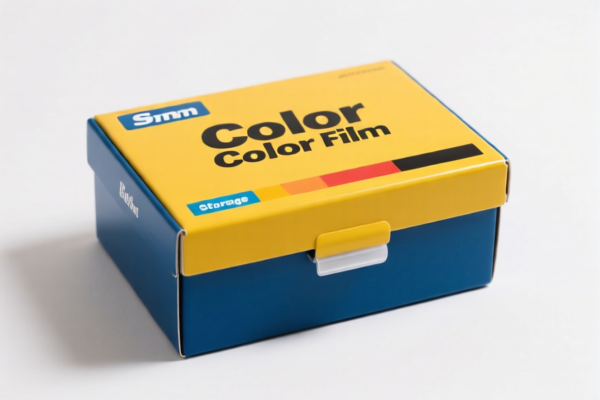
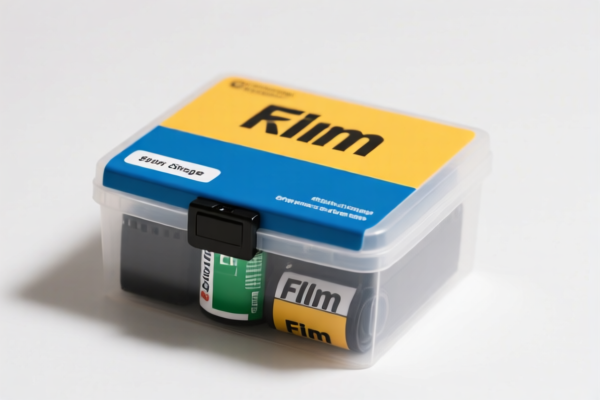
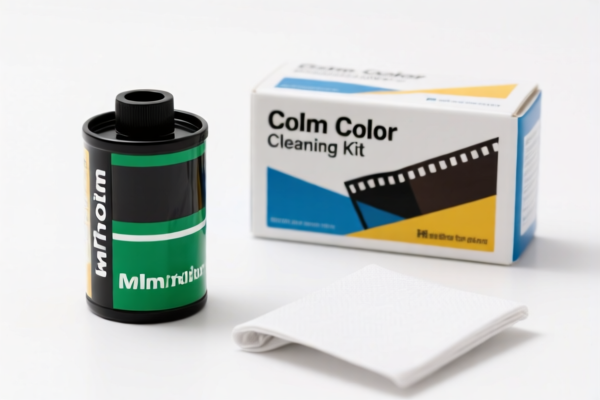
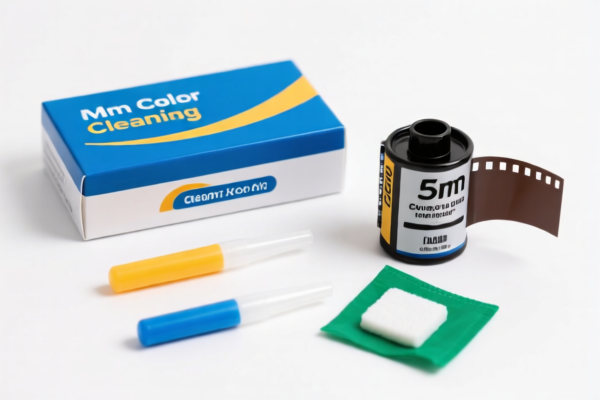
AI Analysis
🎞️ 35mm Color Slide Film (Indoor Use)
🌐 HS Code Reference & Customs Clearance Guide | 2026 Latest Tariff Analysis | Professional通关 Strategy 📌 1. Product Definition & Classification: Do You Know "Slide Film" Inside Out?
35mm Color Slide Film is a high-precision photographic material used for creating positive images (slides) or transparencies. Unlike standard negative film, slide film is designed to be projected or viewed as a direct image, offering superior color saturation and contrast.
In international trade, it is strictly classified under Chapter 37 (Photographic or Cinematographic Goods). The specific HS Code depends on the exact format (roll, disc, or sheet) and intended use, but 35mm indoor slide film typically falls under 35mm rolls or specific discs if using legacy formats.
⚠️ Key Distinction Points: - Format: Is it a roll (standard 35mm cartridge) or a disc (e.g., Fuji Instax/Miniturbo style)? - Roll format →
3702.53.00.30(Color Roll) - Disc format →3701.91.00.30(Color Disc) - Usage: "Indoor use" implies standard sensitivity, but the physical format dictates the HS code, not the lighting condition. - Material: It is photosensitive (requires light-sensitive emulsion), distinguishing it from printed paper or digital sensors.
📦 2. HS Code Classification Details (2026 Latest Tariff Authority Match)
Based on your input data, here are the precise matches for 35mm Color Slide Film. Note that ALL listed codes carry the same high tariff structure due to US-China trade policies.
| HS Code | Product Description | Applicability | Form Factor |
|---|---|---|---|
3702.53.00.30 |
Color Roll Film for Slide Use, 35mm Spec | Standard 35mm camera film for indoor/outdoor slides | 🎞️ Roll (Cartridge) |
3703.10.30.30 |
Color Sensitized Film for Photo Use | General color photo film (often includes slide film) | 🎞️ Roll/Sheet |
3703.20.30.30 |
Color Photo-Sensitive Material, Slide Use | Specifically designated for Color Slides | 🎞️ Roll |
3701.91.00.30 |
Color Photo Disc Film, Material: Photosensitive | Disc-shaped film (e.g., instant film systems) | 💿 Disc |
3701.91.00.60 |
Other Color Photo Film, 35mm Non-Drum Format | 35mm film that is not on a drum/disc (standard roll) | 🎞️ Roll |
🔍 Critical Reminder: - Do NOT confuse with Negative Film: Slide film (Transparency) is often grouped with general color photo film in broader categories, but specific "Slide" usage codes (
3703.20) exist. - Disc vs. Roll: If your product is a disc (common in some indoor instant cameras), use3701.91.00.30. If it’s a standard 35mm roll, use3702.53.00.30or3701.91.00.60. - All codes listed below have identical tax rates due to US trade policy.
💰 3. 2026 Latest Tariff Rate Breakdown (Including Surcharges & Policy Add-ons)
✅ Applicable Country: United States (US) ✅ Country of Origin: China (CN) ✅ Effective Date: From November 10, 2025 (Including subsequent imports)
🎯 1. General Rate for ALL Listed HS Codes (3703.10.30.30, 3703.20.30.30, 3702.53.00.30, 3701.91.00.30, 3701.91.00.60)
| Item | Content |
|---|---|
| Base Tariff Rate | 3.7% (Ad Valorem) |
| Section 301 Surcharge | +25.0% (USITC Footnote related to China origin) |
| Section 122 Tariff | +10.0% (Specific provision for certain goods) |
| Total Effective Rate | 38.7% |
| Tax Calculation | CIF Value × 38.7% |
| De Minimis Exemption Eligible? | ❌ NO (deny_de_minimis) |
| Legal Basis Path | Base Tariff + Section 301: 25% + Section 122: 10% |
📌 Explanation: - "Base Tariff 3.7%": The standard Most Favored Nation (MFN) rate for photographic film. - "Section 301 Surcharge 25%": A punitive tariff on Chinese goods under Trade Act of 1974, Section 301. - "Section 122 Tariff 10%": Additional duty applied to specific imports (likely referencing recent executive orders or specific chapter restrictions). - Total 38.7%: This is a very high duty rate. It makes importing 35mm slide film from China to the US significantly expensive. Cost planning must include this 38.7% impact.
🛠️ 4. Customs Clearance Practical Advice (Avoid Pitfalls)
✅ 1. Required Documentation Checklist (No Exception)
| Document | Required | Notes |
|---|---|---|
| ✅ Product Spec Sheet | ✔️ | Must specify: "Color Slide Film," "35mm," "Indoor Use," ISO Speed. |
| ✅ Composition Analysis | ✔️ | Confirm it is photosensitive emulsion on plastic base. |
| ✅ HS Code Pre-Ruling | ✔️ | Strongly recommended due to high tax rate and classification complexity. |
| ✅ Commercial Invoice | ✔️ | Must clearly state: "35mm Color Slide Film, Model XYZ, Origin: China." |
| ✅ Packing List | ✔️ | Separate rolls/discs if mixed; clarify net/gross weight. |
| ✅ Certificate of Origin | ✔️ | Must be from China to match tariff calculation; if from Vietnam/Thailand, IEEPA exemption may apply (0-5%). |
| ✅ FCC/Compliance Docs | ❌ Not Required | Film is not an electronic device; no FCC needed. |
✅ 2. Declaration Strategy (Key Mnemonics)
🔥 "Format First, Use Second, Origin Matters!"
| Scenario | Correct Declaration | Wrong Practice |
|---|---|---|
| Standard 35mm Roll | 3702.53.00.30 or 3701.91.00.60 |
Misdeclare as "Photo Paper" (Wrong Chapter) |
| Disc Film (e.g., Instant) | 3701.91.00.30 |
Misdeclare as "Roll Film" → Potential audit |
| Slide Film (Positive) | 3703.20.30.30 (Slide Use) |
Misdeclare as "Negative Film" → May still be 38.7%, but wrong description |
| Non-China Origin | Claim IEEPA Exemption | Fail to provide valid CO → Pay 38.7% |
✅ 3. Special Cases
| Case | Handling Advice |
|---|---|
| OEM Private Label Film | Provide brand authorization + spec sheet to prove it’s the same product as declared. |
| Mixed Shipment (Rolls + Discs) | Split the declaration! Use different HS codes for rolls and discs. Do not lump into one code. |
| Expired Film | Still subject to tariff if imported for commercial use. Label as "Expired for Photography" if allowed, but customs may still assess duty. |
| Origin Shifting | If product is packaged in Vietnam/Thailand and undergoes substantial transformation, apply for Country of Origin change to avoid 25%+10% surcharges. |
🌍 5. Global Market Comparison (2026 Latest)
| Country/Region | Recommended HS Code | Tariff (China Origin) | Certification | Notes |
|---|---|---|---|---|
| 🇺🇸 USA | 3702.53.00.30 / 3701.91.00.30 |
38.7% | None (Non-Electronic) | High barrier due to 301+122 tariffs |
| 🇨🇳 China | 3702.53.00.30 |
~6-13% (Import Duty) | None | Domestic use, no import tariff |
| 🇪🇺 EU | 3702.53.00 |
0% (Most Cases) | REACH (Chemicals) | Low tariff, but strict chemical regulations |
| 🇦🇺 Australia | 3702.53.00 |
5% | N/A | Moderate duty |
| 🇯🇵 Japan | 3702.53.00 |
0-3% | N/A | Very competitive market |
📌 Conclusion: - USA is the most expensive market for Chinese-made 35mm slide film due to 38.7% total tax. - EU and Japan are much more favorable (0-5%). - Strategy: If targeting the US market, consider sourcing from non-China origins (e.g., Japan, Germany, or Vietnam) to leverage IEEPA exemptions and reduce costs.
📌 6. Common Mistakes & Pitfalls (Blood & Tears Lessons)
❌ Mistake 1: Declaring "Film" without specifying "35mm" or "Slide" 👉 Consequence: Customs may classify it under a general "Other Photo Film" code, still attracting 38.7%, but may trigger further inquiry for detailed description.
❌ Mistake 2: Ignoring Section 122 Tariff 👉 Consequence: Many importers only budget for 301 (25%). Forgetting the extra 10% leads to unexpected 10% shortfall in landed cost.
❌ Mistake 3: Mixing Rolls and Discs in one HS Code 👉 Consequence: Customs may reject the declaration or assess the higher duty rate for the entire shipment if misclassified.
❌ Mistake 4: Failing to prove Non-China Origin for IEEPA Exemption 👉 Consequence: Claiming exemption without valid Certificate of Origin → Full 38.7% applied.
✅ Correct Approach:
"35mm Color Slide Film, Indoor Use, 36 Exposures, ISO 100, Model XYZ, Origin: China" → Budget for 38.7% Tax.
🎯 7. Conclusion: Professional Declaration, Save Money, Avoid Delays!
🎯 Remember the Mantra:
🔹 "Format Determines Code, Origin Determines Tax, 38.7% is the Reality!"
🔹 "If you want to avoid 38.7%, look beyond China!"
🔹 "Slide Film is not Photo Paper – Don't mix Chapter 37!"
📌 Pro Tip:
If your 35mm Color Slide Film is originally from Japan, Germany, or Vietnam, you may qualify for 0%~5% duty under IEEPA exemptions. Recommendation: Apply for an Advance Ruling (CBP Ruling) before shipment to confirm the exact HS Code and tax liability.
📣 Immediate Action:
📞 Contact a licensed Customs Broker + Provide Product Specs + Apply for CBP Advance Ruling
🚀 Let your film clear smoothly, minimize taxes, and maximize profit!
✨ Professional Clearance, Starting with Accurate Classification!
💼 Every Cent of Tax You Save is Pure Profit!
Customer Reviews
About HS Code Classification
The Harmonized System (HS) is an internationally standardized nomenclature developed by the World Customs Organization (WCO) to classify traded products. Over 200 countries use the HS system as the basis for customs tariffs, trade statistics, and import/export regulations.
Each HS code follows a hierarchical structure:
- Chapter (2 digits) — Broad category of goods (e.g., Chapter 84: Machinery and Mechanical Appliances)
- Heading (4 digits) — More specific grouping within the chapter
- Subheading (6 digits) — Internationally standardized breakdown, used by all WCO member countries
- National subdivisions (8-10 digits) — Country-specific extensions for further classification, such as US HTSUS 10-digit codes
Correct HS code classification is essential for smooth customs clearance, accurate duty payment, and compliance with trade regulations. Misclassification can lead to customs delays, overpayment of duties, or penalties.
When importing from CN to US, the applicable tariff rates may include:
- Most-Favored-Nation (MFN) rate — The standard duty rate applied to WTO members
- General rate — Applied to countries without trade agreements
- Trade remedy duties — Additional tariffs such as Section 301 (anti-dumping), Section 232 (national security), or countervailing duties
The information provided on this page is for reference purposes only. For official classification, please consult with your local customs authority or a licensed customs broker.