35mm Color Slide Film High Sharpness
CN → US| HS Code | Tariff Rate | Origin | Destination | Doc |
|---|---|---|---|---|
| 3701910060 | 38.7% | CN | US | Official Doc |
| 3701910030 | 38.7% | CN | US | Official Doc |
| 3702530030 | 38.7% | CN | US | Official Doc |
| 3703103030 | 38.7% | CN | US | Official Doc |
| 3703203030 | 38.7% | CN | US | Official Doc |
Product Images
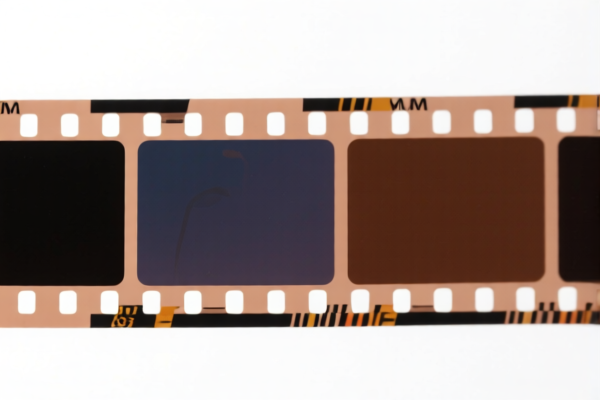
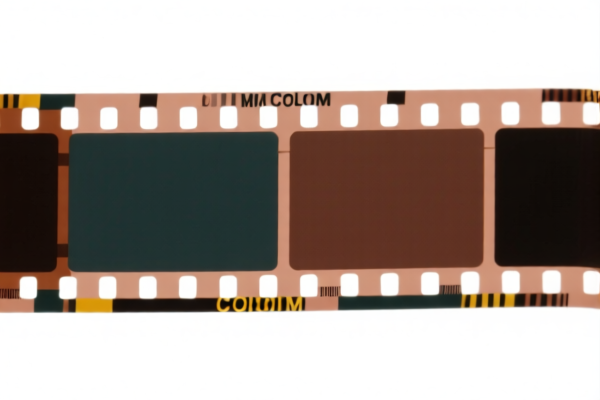
AI Analysis
📸 35mm Color Slide Film High Sharpness (Color Photographic Film)
🌐 HS Code Reference & Customs Clearance Guide | 2026 Latest Tariff Analysis | Professional Clearance Strategy 📌 I. Product Definition & Classification: Do You Really Understand "Color Slide Film"?
35mm Color Slide Film (High Sharpness) is a specialized negative film used to create positive images (slides) with high resolution and color fidelity. In international trade, it is strictly classified under Chapter 37 (Photographic or Cinematographic Goods). It is not standard color negative film (which is typically for prints) but is designed for projection or scanning as a transparency.
⚠️ Key Classification Points: - Format: 35mm (Roll film, not roll-for-roll/disc format). - Type: Color Photographic Film / Slide Film (Transparency). - State: Usually unexposed (raw material) or exposed for specific testing, but typically declared as raw goods for import. - Material: Silver halide based on light-sensitive material.
📦 II. HS Code Classification Details (2026 Latest Tariff Authority Comparison)
Based on the provided data, all relevant 35mm color slide films fall under specific HS codes with identical tax structures. Here is the breakdown:
| HS Code | Product Description | Applicable Scenario | Key Characteristics |
|---|---|---|---|
3701.91.00.60 |
Color Photographic Film, 35mm Form, Non-Revolution Film | Standard 35mm roll slide film for cameras | 35mm, not disc/reel format, light-sensitive material |
3701.91.00.30 |
Color Photographic Disc/Slide Film | Color photographic slide film material | Light-sensitive film material, slide/transparency type |
3702.53.00.30 |
Color Slide Film Roll, 35mm Specification | 35mm color slide film rolls | Meets characteristics of light-sensitive film rolls |
3703.10.30.30 |
Color Sensitized Film, Unexposed | Raw color photographic material | Unexposed, categorized as color photographic light-sensitive material |
3703.20.30.30 |
Color Photographic Silver Halide Film | Based on color slide usage classification | Silver halide basis, intended for color slide applications |
🔍 Important Note: - All these HS codes relate to Color Photographic/Sensitized Films in 35mm format. - The distinction between
3701(Photographic plates/films, other than cinematographic) and3702/3703(Cinematographic/Sensitized papers/films) can be technical, but for 35mm Consumer/Prosumer Slide Film,3701.91and3702.53are most common. The provided data treats them with the same tax outcome. - "High Sharpness" is a product performance claim, not a classification factor. Customs classifies based on physical form (35mm) and chemical nature (Color/Silver Halide).
💰 III. 2026 Latest Tariff Rate Details (Including Surcharges & Policy Add-ons)
✅ Applicable Country: United States (US)
✅ Country of Origin: China (CN) (Based on the 122 Clause reference)
✅ Effective Date: Current US Tariff Structure (Post-2025 updates)
🎯 1. All Listed HS Codes (3701.91.00.60, 3701.91.00.30, 3702.53.00.30, 3703.10.30.30, 3703.20.30.30)
| Item | Content |
|---|---|
| Base Tariff Rate | 3.7% (Ad valorem, from the Most Favored Nation/MFN rate) |
| Section 301 Tariff (Trade War) | +25.0% (Additional tariff under US Trade Representative list) |
| Section 122 Tariff (122 Clause) | +10.0% (Additional tariff under Section 122 of the Trade Expansion Act, often applied to specific strategic or sensitive goods) |
| Total Tariff Rate | 38.7% |
| Tax Calculation | CIF Value (Cost + Insurance + Freight) × 38.7% |
| De Minimis Exemption | ❌ Not Applicable (Section 301 and 122 tariffs generally negate the $800 de minimis exemption for Chinese goods) |
| Legal Basis Path | USITC HTSUS → Section 301 Footnotes → Section 122 Authority → China Origin Rules |
📌 Explanation: - "Base Tariff 3.7%": This is the standard US MFN duty for photographic films. - "Section 301 Tariff 25%": A major additional tariff imposed on a wide range of Chinese imports, including many industrial and consumer goods. - "Section 122 Tariff 10%": A less common but critical addition for certain goods deemed to affect national security or economic stability, specifically highlighted in your data. - Total 38.7%: This is a very high tariff rate. Importers must factor this into their landed cost.
🛠️ IV. Customs Clearance Practical Advice (Battle-Tested Pitfall Guide)
✅ 1. Required Documentation Checklist (Non-Negotiable)
| Document | Must Provide | Description |
|---|---|---|
| ✅ Product Specification Sheet | ✔️ | Must clearly state: "35mm Format", "Color Slide Film", "Silver Halide", "Unexposed/Exposed". |
| ✅ Chemical Composition Data | ✔️ | Details on light-sensitive emulsion layers. Customs may check for hazardous materials (though film is generally low-risk). |
| ✅ Product Photos (Packaging & Label) | ✔️ | Show brand, ISO speed, expiry date, and "Made in China" mark. |
| ✅ Commercial Invoice | ✔️ | Must describe goods accurately: "35mm Color Photographic Slide Film, High Sharpness". Avoid vague terms like "Photo Supplies". |
| ✅ Packing List | ✔️ | Detail number of rolls, weight, and dimensions. |
| ✅ Certificate of Origin (CO) | ✔️ | Essential for verifying Chinese origin to apply the correct Section 122/301 rates. |
✅ 2. Declaration Tips (Key Mantras)
🔥 "Declare 35mm, Not 'Camera Accessory'; Declare Film, Not 'Paper'!"
| Situation | Correct Declaration | Incorrect Practice |
|---|---|---|
| 35mm Color Slide Film | HS: 3701.91.00.60 Description: "35mm Color Photographic Film, Slide Type" |
Misclassified as "Camera Parts" (HS 9006) or "Paper" (HS 48) |
| Unexposed Film | HS: 3703.10.30.30 Description: "Unexposed Color Sensitized Film" |
Described as "Developed Slides" (which may have different classification if exported as finished goods, but import is usually raw) |
| Disc Format vs. Roll | HS: 3701.91.00.30 (if disc) HS: 3701.91.00.60 (if roll) |
Confusing 35mm Roll with 110/APS Disc formats |
| High Sharpness | Do NOT use as HS basis | Use only in marketing name; HS is based on physical/chemical attributes |
✅ 3. Special Handling
| Situation | Handling Advice |
|---|---|
| X-Ray Sensitivity | Film is sensitive to airport X-rays. Inform carrier to use hand inspection if shipped via air passenger service, or use lead-lined packaging for standard freight. |
| Section 122 Specifics | Ensure the supplier confirms the product falls under the specific Section 122 coverage. If the HS code changes slightly, the 10% might not apply, but the 25% (Sec 301) likely will. |
| De Minimis Risk | Do not use USPS/UPS/FedEx small packet for de minimis clearance. The $800 exemption is waived for Section 301/122 goods from China. Use formal entry (CBP Form 7501). |
🌍 V. Global Market Customs Comparison (2026 Latest)
| Country/Region | Recommended HS Code | Tariff (China Origin) | Certification Requirements | Notes |
|---|---|---|---|---|
| 🇺🇸 USA | 3701.91.00.60 / 3702.53.00.30 |
38.7% (Base 3.7% + 301 25% + 122 10%) | No special certs needed for film itself | High Tariff Risk. Formal entry required. |
| 🇨🇳 China | 3701.91.00.60 |
Varies (Import Duty) | None | Domestic market may have different tax structures. |
| 🇪🇺 EU | 3701.91 / 3702.53 |
0% - 4.5% | CE (if packaging claims safety), RoHS | No equivalent to US Section 122/301. |
| 🇬🇧 UK | 3701.91 / 3702.53 |
0% - 4.5% | UKCA (if applicable) | Post-Brexit tariffs mirror EU closely for this category. |
| 🇯🇵 Japan | 3701.91 / 3702.53 |
0% - 3% | PSE (if electronic components in packaging) | Low tariffs, but strict customs inspection for chemicals. |
📌 Conclusion: - The USA is the most expensive market due to the 38.7% total tariff. - Other major markets (EU, UK, Japan) offer significant cost advantages (0-5% tariffs). - Strategy: If exporting to the US, ensure your pricing model fully absorbs the 38.7% duty. Consider sourcing from non-China origins (e.g., Japan, Germany) if tariff burden is too high for the US market.
📌 VI. Common Mistakes & Pitfalls (Blood-Tears Lessons)
❌ Mistake 1: Declaring as "Camera Accessories" (HS 9006.91) 👉 Consequence: Wrong HS code. Penalties for misclassification. If caught, back taxes + interest.
❌ Mistake 2: Ignoring Section 122 Tariff 👉 Consequence: Underpayment of duty by 10%. CBP will assess additional duties + interest upon audit.
❌ Mistake 3: Using De Minimis ($800) for B2B Shipments 👉 Consequence: Shipment held by CBP. Formal entry required. Delay in delivery + storage fees.
❌ Mistake 4: Vague Description "Color Film" 👉 Consequence: Customs may request additional info, delaying clearance. Be specific: "35mm Color Slide Film, Unexposed".
✅ Correct Approach:
"35mm Color Photographic Slide Film, High Sharpness, Silver Halide Emulsion, Unexposed, Made in China, HS 3701.91.00.60"
🎯 VII. Conclusion: Professional Declaration, Save Time & Money!
🎯 Remember the Mantra:
🔹 "35mm Slide, HS 3701/3702, 38.7% US Duty, Formal Entry Required!" 🔹 "Don't Hide Origin, Don't Skip 122, Declare 35mm Clearly!"
📌 Tips:
If your film is originating from Japan, Germany, or China but shipped via a third country (transshipment), be aware that US Customs may still apply China-origin tariffs if the "Country of Origin" remains China. Ensure your supply chain is compliant.
Recommendation: 📞 Contact a Licensed Customs Broker to file an Entry Summary (CBP Form 7501). 🚀 Pre-Calculate Landed Cost: Include 38.7% duty in your pricing model to remain competitive in the US market.
✨ Professional Clearance Starts with Accurate Classification! 💼 Every Cent of Duty Counts!
Customer Reviews
About HS Code Classification
The Harmonized System (HS) is an internationally standardized nomenclature developed by the World Customs Organization (WCO) to classify traded products. Over 200 countries use the HS system as the basis for customs tariffs, trade statistics, and import/export regulations.
Each HS code follows a hierarchical structure:
- Chapter (2 digits) — Broad category of goods (e.g., Chapter 84: Machinery and Mechanical Appliances)
- Heading (4 digits) — More specific grouping within the chapter
- Subheading (6 digits) — Internationally standardized breakdown, used by all WCO member countries
- National subdivisions (8-10 digits) — Country-specific extensions for further classification, such as US HTSUS 10-digit codes
Correct HS code classification is essential for smooth customs clearance, accurate duty payment, and compliance with trade regulations. Misclassification can lead to customs delays, overpayment of duties, or penalties.
When importing from CN to US, the applicable tariff rates may include:
- Most-Favored-Nation (MFN) rate — The standard duty rate applied to WTO members
- General rate — Applied to countries without trade agreements
- Trade remedy duties — Additional tariffs such as Section 301 (anti-dumping), Section 232 (national security), or countervailing duties
The information provided on this page is for reference purposes only. For official classification, please consult with your local customs authority or a licensed customs broker.