35mm Film (Long Roll)
CN → US| HS Code | Tariff Rate | Origin | Destination | Doc |
|---|---|---|---|---|
| 3702540030 | 38.7% | CN | US | Official Doc |
| 3707100090 | 38.0% | CN | US | Official Doc |
| 3707903290 | 35.0% | CN | US | Official Doc |
| 3701996060 | 35.0% | CN | US | Official Doc |
| 3701910060 | 38.7% | CN | US | Official Doc |
Product Images



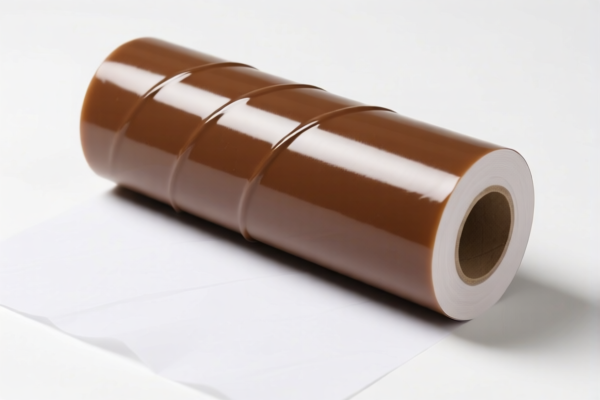
AI Analysis
🎞️ 35mm Film (Long Roll) | The Analog Soul in the Digital Age
🌐 HS Code Reference & Customs Clearance Guide | 2026 Latest Tariff Analysis | Professional Clearance Strategy
📌 I. Product Definition & Classification: What Exactly is "35mm Film"?
35mm film, often referred to as "long roll" or "motion picture film" in bulk formats, is the classic medium for analog photography and cinematography. It is a flexible transparent plastic base coated with a light-sensitive emulsion. In international trade, its classification hinges on its physical state (unexposed) and its specific application (photographic chemical preparation).
Key Distinction: * Unexposed vs. Exposed: Only unexposed film falls under Chapter 37 (Photographic Goods). Once exposed and developed, it becomes a printed photograph or digital data. * Material Composition: It is not paper, cardboard, or textile. It is a synthetic polymer base (usually cellulose acetate or polyester) coated with silver halide crystals suspended in gelatin.
⚠️ Critical Classification Point:
- If the item is photographic plates, films, or sensitized paper/canvas → Chapter 37 applies.
- If it is exposed film (already shot) → It generally does not fall under Chapter 37 for import duties in the same way, or may be classified differently depending on whether it's waste or data storage.
- Note: The provided data focuses on unexposed 35mm film, categorized under Chapter 37 subheadings for photographic chemicals and sensitized materials.
📦 II. HS Code Classification Details (2026 Latest Tariff Authority Alignment)
Based on the provided data, the 35mm Film (Long Roll) is matched to five specific HS Codes, each with a distinct tax implication. Here is the detailed breakdown:
| HS Code | Product Description & Matching Logic | Summary of Match |
|---|---|---|
| 3702.54.00.30 | Photographic Film of Unmeasured Length Width: 35mm. Form: Film Roll. Material: Non-paper/non-textile photosensitive film. |
Matches "Film Roll" format with 35mm width. Inferred as non-paper photosensitive material. |
| 3707.10.00.90 | Prepared Sensitized Chemical Preparations for Photographic Use Category: "Other" photographic chemicals. Form: Roll form. |
Matches "Photographic Chemical Preparation" attribute. Inferred as emulsion-coated substrate, fitting "Other" category after excluding color paper. |
| 3707.90.32.90 | Other Prepared Sensitized Chemical Preparations Category: Photographic chemical agents. Material: Sensitized emulsion. |
Matches "Photographic Use" chemical nature. Inferred as chemical agent with sensitizing emulsion, not a specific coupler. |
| 3701.99.60.60 | Other Photographic Plates and Film, Unexposed Attribute: Sensitized, Unexposed. Material: Non-paper, non-textile, non-woven. |
Matches "Film Roll" form. Inferred as non-paper/non-textile photosensitive material based on 35mm film常识. |
| 3701.91.00.60 | Photographic Plates and Film, Other Than Sensitized Paper, Cardboard or Textile, for Color Photography Category: Color Photography Film. Material: Chemical coated film. |
Matches "35mm Film" photosensitive form. Inferred as non-paper/non-textile chemical coated film for color photography. |
🔍 Key Insight:
- All 5 codes fall under Chapter 37 (Photographic or Cinematographic Goods).
- The variation lies in whether it is classified as film (3701/3702) or chemical preparation/emulsion substrate (3707).
- The "Long Roll" format typically pushes classification toward 3702 (Film of unmeasured length) or specific subcategories of 3701/3707 depending on the exact emulsion type and packaging.
💰 III. 2026 Latest Tariff Rate Breakdown (Including Surtaxes, Policy Add-ons)
✅ Applicable Country: United States (US)
✅ Origin: China (CN)
✅ Effective Date: From November 10, 2025 (including subsequent imports)
🎯 1. 3702.54.00.30 & 3701.91.00.60 —— 35mm Film Roll (Color/Specific Type)
| Item | Content |
|---|---|
| Base Tariff | 3.7% (ad valorem) |
| Section 301 Surtax (USITC) | +25.0% |
| Section 122 Tariff (IEEPA) | +10.0% |
| Total Tax Rate | 38.7% |
| Tax Calculation | CIF Value × 38.7% |
| De Minimis Exemption? | ❌ Not Eligible (deny_de_minimis) |
| Legal Basis Path | IEEPA:9903.01.25 → USITC:3702.54.00.30 / 3701.91.00.60 → FOOTNOTE for surtaxes |
📌 Explanation:
- These codes carry a higher base tariff (3.7%) compared to others.
- The 25% Section 301 and 10% Section 122 are added on top, resulting in a total effective duty of 38.7%.
- This is a high-cost classification. Importers must budget accordingly.
🎯 2. 3707.10.00.90 —— Other Sensitized Chemical Preparations
| Item | Content |
|---|---|
| Base Tariff | 3.0% (ad valorem) |
| Section 301 Surtax (USITC) | +25.0% |
| Section 122 Tariff (IEEPA) | +10.0% |
| Total Tax Rate | 38.0% |
| Tax Calculation | CIF Value × 38.0% |
| De Minimis Exemption? | ❌ Not Eligible |
| Legal Basis Path | IEEPA:9903.01.25 → USITC:3707.10.00.90 |
📌 Note:
- Slightly lower total rate (38.0%) than the previous codes due to a lower base tariff (3.0%).
- Still subject to full surtaxes. Suitable for emulsion-coated films classified as "chemical preparations."
🎯 3. 3707.90.32.90 & 3701.99.60.60 —— Other Sensitized Chemicals / Other Unexposed Film
| Item | Content |
|---|---|
| Base Tariff | 0.0% (ad valorem) |
| Section 301 Surtax (USITC) | +25.0% |
| Section 122 Tariff (IEEPA) | +10.0% |
| Total Tax Rate | 35.0% |
| Tax Calculation | CIF Value × 35.0% |
| De Minimis Exemption? | ❌ Not Eligible |
| Legal Basis Path | IEEPA:9903.01.25 → USITC:3707.90.32.90 / 3701.99.60.60 |
📌 Advantage:
- These are the most cost-effective classifications in the provided list, with a total rate of 35.0%.
- 0% base tariff means all tax burden comes from surtaxes (25% + 10%).
-3707.90.32.90fits if the film is viewed as a generic chemical preparation.
-3701.99.60.60fits if it's "other unexposed film" not specifically for color photography or measured rolls.
🛠️ IV. Customs Clearance Practical Advice (Real-World Pitfall Guide)
✅ 1. Required Documentation Checklist (Non-Negotiable)
| Document | Required? | Description |
|---|---|---|
| ✅ Product Specification Sheet | ✔️ | Must state: Width (35mm), Length/Weight, Type (Black & White / Color), Emulsion Type. |
| ✅ Material Composition Statement | ✔️ | Explicitly state: "Polyester/Acetate Base coated with Silver Halide Emulsion." No paper, no textile. |
| ✅ Product Photos (Unexposed) | ✔️ | Show label, roll format, and warning labels (e.g., "Keep in Cool, Dry Place"). |
| ✅ Commercial Invoice | ✔️ | Clearly describe as "Unexposed 35mm Photographic Film, Long Roll." Avoid vague terms like "Camera Accessories." |
| ✅ Packing List | ✔️ | Detail net/gross weight. Ensure no mixed shipments with exposed film or chemical developers. |
| ✅ Certificate of Origin (CO) | ✔️ | If applicable for other markets, but for US, origin is critical for surtax application. |
✅ 2. Declaration Strategy (Key Mnemonic)
🔥 "Unexposed is Key, Chemical Base is Best, Avoid Paper, Save Taxes!"
| Scenario | Correct Declaration | Risk of Error |
|---|---|---|
| 35mm Long Roll, Unexposed | 3701.99.60.60 or 3707.90.32.90 |
35% Total Rate |
| 35mm Long Roll, Color Photography Specific | 3701.91.00.60 or 3702.54.00.30 |
38.7% Total Rate |
| Emulsion-Coated Film (Chemical Prep) | 3707.10.00.90 |
38.0% Total Rate |
| Exposed Film (Already Shot) | ❌ Do Not Use Chapter 37 | May be classified as waste or other goods, different duties. |
| Paper-Based Film (e.g., Instax) | ❌ Different HS Code | Instax is paper-based; may fall under different subheadings with different rates. |
✅ 3. Special Cases & Handling
| Situation | Handling Advice |
|---|---|
| Mixed Shipment (Film + Developer) | Declare separately! Developer is a chemical; film is photosensitive material. Mixing may trigger inspections. |
| OEM/White Label Film | Provide contract and specification sheet. Ensure the description matches the manufacturer's technical data. |
| Small Quantities (< $800) | ❌ NO De Minimis! Film is denied de minimis exemption. Even small rolls are subject to full duties. |
| Chemical Safety Data Sheet (SDS) | Provide if requested. Emulsions contain gelatin and silver halides; may be subject to DOT/PHA regulations if not inert. |
🌍 V. Global Market Comparison (2026 Latest)
| Country/Region | Recommended HS Code | Tariff (China Origin) | Key Certifications | Notes |
|---|---|---|---|---|
| 🇺🇸 USA | 3701.99.60.60 / 3707.90.32.90 |
35.0% (Best Case) | None specific for film | High Surtaxes Apply. 301 + 122. |
| 🇨🇳 China | 3707.90.32.90 |
0% - 5% | None | No surtaxes. Domestic market-friendly. |
| 🇪🇺 EU | 3707.90.32.90 |
0% | REACH (Chemicals) | REACH registration may be needed for emulsions. |
| 🇬🇧 UK | 3707.90.32.90 |
0% | UK REACH | Post-Brexit regulations apply. |
| 🇯🇵 Japan | 3707.90.32.90 |
3.8% | PSE (if electronic packaging) | Lower base tariff, no surtaxes. |
📌 Conclusion:
- USA is the most expensive market for 35mm film due to 35-38.7% effective duties.
- EU/UK/Japan offer significantly lower barriers, making them more attractive for direct imports.
- Strategy: If importing to the US, consider pre-clearance rulings to confirm the 35% classification and avoid misclassification penalties.
📌 VI. Common Errors & Pitfalls (Blood & Tears Lessons)
❌ Error 1: Declaring "35mm Film" as "Camera Accessories" or "Electronics"
👉 Consequence: Wrong HS Code. If misclassified under Chapter 85, it may face different duties, but more importantly, it triggers customs inspection for misdeclaration. Fines apply.
❌ Error 2: Assuming de minimis ($800) applies
👉 Consequence: DENIED. Film is explicitly listed under goods denied de minimis. Small orders still incur duties and processing fees, eroding profits.
❌ Error 3: Confusing "Exposed" and "Unexposed"
👉 Consequence: Exposed film is not a "photographic good" in the same sense. It may be considered waste or data storage, leading to detention and return.
❌ Error 4: Ignoring the "Material" aspect (Paper vs. Plastic)
👉 Consequence: If customs suspects paper-based film (like instant film) but it's plastic, or vice versa, they may reclassify it, changing the tax rate and triggering additional inspections.
✅ Correct Declaration Example:
"UNEXPOSED 35MM PHOTOGRAFIC FILM, LONG ROLL, POLYESTER BASE WITH SILVER HALIDE EMULSION, FOR COLOR PHOTOGRAPHY, NET WEIGHT 500G."
🎯 VII. Conclusion: Precision Classification Saves Money!
🎯 Remember the Mnemonic:
🔹 "Unexposed is Key, 35% is Best, Paper is Wrong, De Minimis is Gone!"
🔹 "3701/3707: Know your base, avoid the 38.7% trap!"📌 Pro Tip:
For US imports, always apply for an Advance Ruling if the classification between 35% and 38.7% is ambiguous. The cost of a ruling is far less than the cost of misclassification penalties and back-duties.
📣 Immediate Action:
📞 Contact a Professional Customs Broker
📄 Provide Technical Datasheet
🚀 Secure Your HS Code Ruling Before Shipment
✨ Professional Clearance Starts with Accurate Classification!
💼 Every Percent in Duty is Profit in Your Pocket!
Customer Reviews
About HS Code Classification
The Harmonized System (HS) is an internationally standardized nomenclature developed by the World Customs Organization (WCO) to classify traded products. Over 200 countries use the HS system as the basis for customs tariffs, trade statistics, and import/export regulations.
Each HS code follows a hierarchical structure:
- Chapter (2 digits) — Broad category of goods (e.g., Chapter 84: Machinery and Mechanical Appliances)
- Heading (4 digits) — More specific grouping within the chapter
- Subheading (6 digits) — Internationally standardized breakdown, used by all WCO member countries
- National subdivisions (8-10 digits) — Country-specific extensions for further classification, such as US HTSUS 10-digit codes
Correct HS code classification is essential for smooth customs clearance, accurate duty payment, and compliance with trade regulations. Misclassification can lead to customs delays, overpayment of duties, or penalties.
When importing from CN to US, the applicable tariff rates may include:
- Most-Favored-Nation (MFN) rate — The standard duty rate applied to WTO members
- General rate — Applied to countries without trade agreements
- Trade remedy duties — Additional tariffs such as Section 301 (anti-dumping), Section 232 (national security), or countervailing duties
The information provided on this page is for reference purposes only. For official classification, please consult with your local customs authority or a licensed customs broker.