35mm Film Archival
CN → US| HS Code | Tariff Rate | Origin | Destination | Doc |
|---|---|---|---|---|
| 3706106060 | 35.0% | CN | US | Official Doc |
| 3706106030 | 35.0% | CN | US | Official Doc |
| 3702540030 | 38.7% | CN | US | Official Doc |
| 3702530030 | 38.7% | CN | US | Official Doc |
Product Images
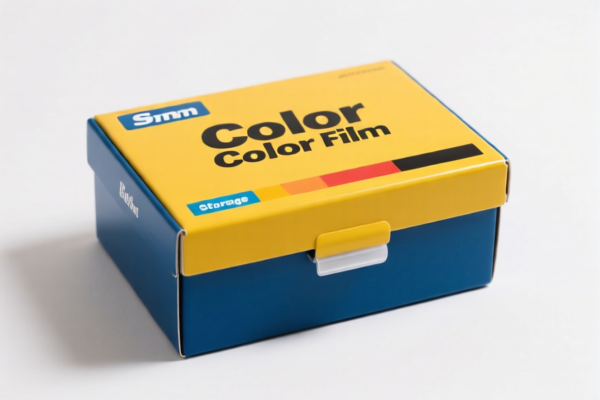
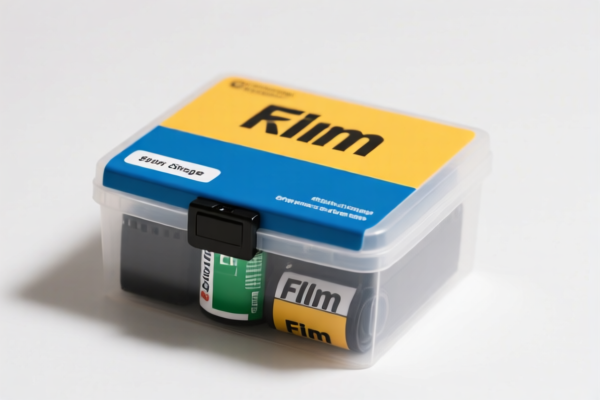


AI Analysis
🎞️ 35mm Film Archival (35mm Cinema & Art Film)
🌐 HS Code Reference & Customs Clearance Guide | 2024/2025 Tariff Analysis | Professional Strategy for Cinematic Media
📌 I. Product Definition & Classification: What is "35mm Film Archival"?
35mm Film Archival refers to photographic or cinematographic media on a 35mm width strip, used for cinema projection, artistic photography, or historical preservation. In international trade, it is strictly categorized by its state of processing (exposed/unexposed) and application (cinema vs. art).
The Critical Distinction: 1. Cinema Film (已曝光并显影/已加工): Films that have already been exposed and developed (processed). These are often treated as finished media or "archives." 2. Art Film/Raw Film (未曝光/感光材料): Unexposed color negative or reversal films for artistic use. These are classified as "photo paper and goods" (photosensitive materials).
⚠️ Key Classification Point:
- If the film is exposed and developed (processed) → It falls under HS 3706.10.60.xx (Cinema film).
- If the film is unexposed (raw stock) for artistic purposes → It falls under HS 3702.53.00.30 / 3702.54.00.30 (Other color photo film).
📦 II. HS Code Classification Details (Exact Match to Data)
Based on the provided dataset, here are the exact HS Codes, summaries, and tax rates for 35mm film products.
| HS Code | Product Summary | Total Tax Rate | Tax Detail Breakdown |
|---|---|---|---|
3706.10.60.60 |
35mm Cinema Film (Processed): Width ≥35mm, exposed and developed cinema film. | 35.0% | Base: 0.0% Add'l: 25.0% Sec 122: 10% |
3706.10.60.30 |
35mm Cinema Film (General): Width ≥35mm, cinema film. | 35.0% | Base: 0.0% Add'l: 25.0% Sec 122: 10% |
3702.54.00.30 |
35mm Art Film (Color/Non-Paper): Color photo film, non-paper/non-textile sensitive material. | 38.7% | Base: 3.7% Add'l: 25.0% Sec 122: 10% |
3702.53.00.30 |
35mm Art Film (Color/General): Color photo film, sensitive film not on paper/textile. | 38.7% | Base: 3.7% Add'l: 25.0% Sec 122: 10% |
🔍 Analysis:
- Cinema Film (3706): Has a 0% Base Duty, but faces heavy surcharges, totaling 35%.
- Art Film (3702): Has a 3.7% Base Duty, plus surcharges, totaling 38.7%.
- Both categories incur the same 35% Add'l Tariff (25%) and 10% Section 122 Tariff.
💰 III. 2024/2025 Tariff Rate Detailed Explanation
✅ Applicable Context: Based on the "Tax Detail" provided, this structure reflects US Import Tariffs on Chinese Origin Goods (or similar jurisdictions applying Section 301/122 measures).
✅ Components of the Tax: 1. Base Duty (基础关税): The standard MFN (Most Favored Nation) rate. 2. Add'l Tariff (加征关税): Typically refers to Section 301 Tariffs (25% on many Chinese goods). 3. Section 122 Tariff (122条款关税): A specific surcharge (10%) applied under specific trade provisions.
🎯 Category A: Cinema Film (HS 3706.10.60.xx)
| Item | Value | Explanation |
|---|---|---|
| Base Duty | 0.0% | Cinema film often enjoys lower base rates due to cultural/artistic import policies. |
| Add'l Tariff | +25.0% | Section 301 surcharge. |
| Sec 122 Tariff | +10.0% | Specific statutory surcharge. |
| Total Effective Rate | 35.0% | High Burden. Must be factored into CIF cost. |
🎯 Category B: Art Film / Raw Stock (HS 3702.53.00.30 / 3702.54.00.30)
| Item | Value | Explanation |
|---|---|---|
| Base Duty | 3.7% | Standard rate for photosensitive goods. |
| Add'l Tariff | +25.0% | Section 301 surcharge. |
| Sec 122 Tariff | +10.0% | Specific statutory surcharge. |
| Total Effective Rate | 38.7% | Highest Burden. Art film stock is more expensive to import. |
📌 Important Note:
- The "Section 122" and "Add'l 25%" are non-negotiable in this dataset.
- There is no de minimis exemption mentioned; full value is taxed.
- Ensure the product description matches the HS Code exactly (e.g., "Exposed/Developed" vs. "Unexposed") to avoid misclassification penalties.
🛠️ IV. Customs Clearance Practical Advice
✅ 1. Documentation Requirements (Critical for Film)
| Document | Required? | Purpose |
|---|---|---|
| Commercial Invoice | ✅ Mandatory | Must clearly state: "35mm Film," "Exposed/Developed" or "Unexposed," and HS Code. |
| Packing List | ✅ Mandatory | Detail roll counts, weight, and protective packaging (film is sensitive to heat/moisture). |
| Material Safety Data Sheet (MSDS) | ✅ Recommended | Film contains chemicals; some carriers require MSDS for air freight safety. |
| Certificate of Origin | ✅ Recommended | To verify country of origin for tariff calculation. |
| Photos of Product | ✅ Helpful | Show label, roll type, and any "Exhibited" or "Archival" markings. |
✅ 2. Classification Strategy (Avoiding Penalties)
| Scenario | Correct HS Code | Risk of Wrong Code |
|---|---|---|
| Used Archival Film (Exposed & Developed) | 3706.10.60.60 |
Misclassifying as "Art Film" (3702) increases tax by 3.7%. |
| New Raw Film Stock (Unexposed) | 3702.53.00.30 or 3702.54.00.30 |
Misclassifying as "Cinema Film" (3706) reduces tax slightly, but customs will reject if film is unexposed. |
| 16mm or 8mm Film | ❌ Not in Data | Do not use these codes. 35mm is specified. Other widths have different codes. |
🔥 Golden Rule:
"Exposed = 3706 (Cinema); Unexposed = 3702 (Art/Sensitive)."
Confusing these leads to ** Customs Rejection and Backdated Duties**.
✅ 3. Packaging & Handling Tips
- Temperature Control: 35mm film is heat-sensitive. Use insulated packaging for air freight.
- Lead Times: Air freight is faster but more expensive. Sea freight is cheaper but longer.
- Declaration Clarity: Use terms like "35mm Color Cinema Film, Exposed & Developed" or "35mm Color Negative Film, Unexposed" to help customs brokers classify correctly.
🌍 V. Global Market Comparison (Quick Reference)
| Region | HS Code (35mm Cinema) | Est. Tax Rate | Notes |
|---|---|---|---|
| 🇺🇸 USA (This Data) | 3706.10.60.60 |
35.0% | High surcharges (25% + 10%). |
| 🇪🇺 EU | 3706.10 | ~0% - 4.5% | Generally lower base duties; no 301-style tariffs. |
| 🇨🇳 China | 3706.10 | ~0% - 5% | Lower import duties for archival/cultural goods. |
| 🇬🇧 UK | 3706.10 | ~0% - 5% | Post-Brexit tariff structures may vary. |
📌 Conclusion:
The US market imposes a significant 35-38.7% tariff burden on 35mm film imports.
- For Archival/Exposed films: Budget 35%.
- For Raw Art Films: Budget 38.7%.
📌 VI. Common Pitfalls & Solutions
❌ Pitfall 1: Declaring "Raw Film" as "Cinema Film" to save 3.7%.
👉 Result: Customs audit, fines, and seizure.
✅ Solution: Always declare the state of exposure (Exposed vs. Unexposed).
❌ Pitfall 2: Ignoring the "Section 122" 10% tariff.
👉 Result: Underpayment of duties, leading to penalties.
✅ Solution: Ensure the tariff calculator includes all three components: Base + Add'l + Sec 122.
❌ Pitfall 3: Using generic terms like "Movie Tape."
👉 Result: Customs delays for clarification.
✅ Solution: Use precise language: "35mm Color Negative Film, Unexposed" or "35mm Cinema DCP/Film, Exposed."
🎯 VII. Final Recommendation for Shippers
- Pre-Classify: Confirm if your film is Exposed/Developed (HS 3706) or Unexposed (HS 3702) before shipping.
- Budget Accurately: Include 35-38.7% in your landed cost calculation for US imports.
- Document Thoroughly: Provide clear invoices and photos to speed up clearance.
- Consult a Broker: Given the complexity of "Section 122" and "Add'l Tariffs," use a licensed customs broker to file the entry.
📌 Pro Tip:
For archival collections, emphasize the "Cultural/Historical" value in communication with brokers, though it does not change the HS Code. It may help in case of disputes.
🚀 Ready to Ship?
Verify your film type → Select the correct HS Code → Calculate the 35-38.7% tax → Prepare docs → Clear Customs!
✨ Precision in Classification, Efficiency in Clearance!
💼 Don't let tariffs bury your archive. Plan ahead.
Customer Reviews
About HS Code Classification
The Harmonized System (HS) is an internationally standardized nomenclature developed by the World Customs Organization (WCO) to classify traded products. Over 200 countries use the HS system as the basis for customs tariffs, trade statistics, and import/export regulations.
Each HS code follows a hierarchical structure:
- Chapter (2 digits) — Broad category of goods (e.g., Chapter 84: Machinery and Mechanical Appliances)
- Heading (4 digits) — More specific grouping within the chapter
- Subheading (6 digits) — Internationally standardized breakdown, used by all WCO member countries
- National subdivisions (8-10 digits) — Country-specific extensions for further classification, such as US HTSUS 10-digit codes
Correct HS code classification is essential for smooth customs clearance, accurate duty payment, and compliance with trade regulations. Misclassification can lead to customs delays, overpayment of duties, or penalties.
When importing from CN to US, the applicable tariff rates may include:
- Most-Favored-Nation (MFN) rate — The standard duty rate applied to WTO members
- General rate — Applied to countries without trade agreements
- Trade remedy duties — Additional tariffs such as Section 301 (anti-dumping), Section 232 (national security), or countervailing duties
The information provided on this page is for reference purposes only. For official classification, please consult with your local customs authority or a licensed customs broker.