35mm Film Correction Tape
CN → US| HS Code | Tariff Rate | Origin | Destination | Doc |
|---|---|---|---|---|
| 3926908300 | 40.3% | CN | US | Official Doc |
| 3703906000 | 37.8% | CN | US | Official Doc |
| 3703206000 | 38.1% | CN | US | Official Doc |
| 3701910030 | 38.7% | CN | US | Official Doc |
| 3702530060 | 38.7% | CN | US | Official Doc |
Product Images
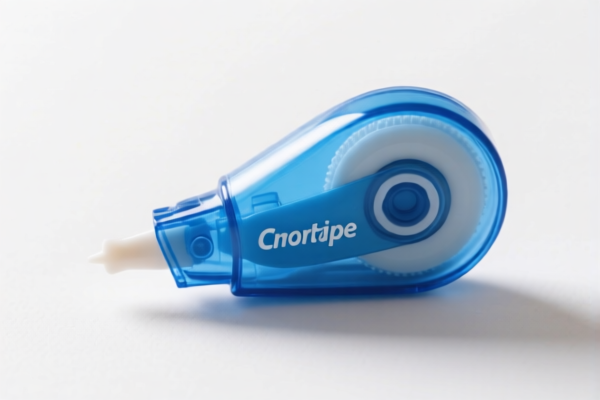
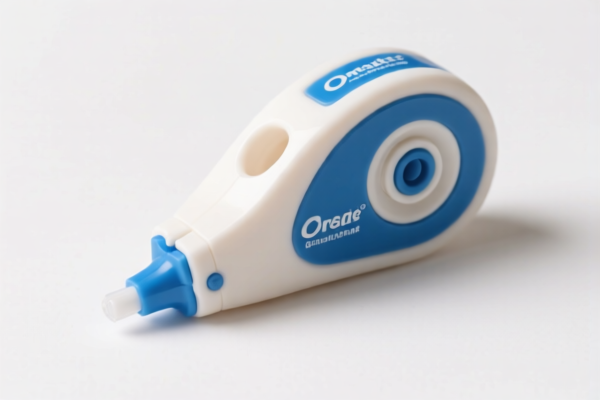
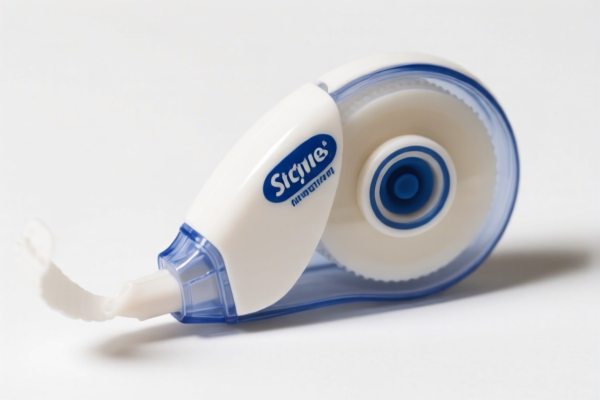
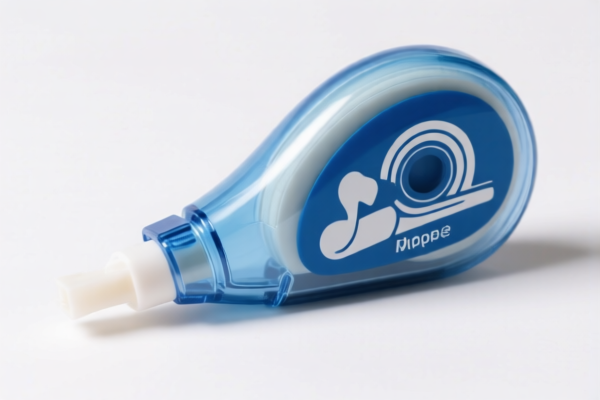
AI Analysis
🎞️ 35mm Film Correction Tape (and Associated Photographic Media)
🌐 HS Code Reference & Customs Clearance Guide | 2026 Latest Tariff Analysis | Professional Strategy for Imaging Materials
📌 I. Product Definition: Beyond "Correction Tape"
"35mm Film Correction Tape" is technically a photo-editing tool used to obscure defects or unwanted areas on negative/positive film before enlargement. However, in international trade and customs classification, these items are often bundled with or confused against the actual exposed/unexposed photographic films they modify or represent.
Because customs authorities classify based on the primary material and function, "correction tape" for film is frequently classified under Chapter 39 (Plastics/Films) rather than Chapter 37 (Photographic Goods) if it is merely a plastic strip with adhesive. However, the provided highlights a critical nuance: different HS codes are suggested for "35mm Color Reversal Film" and "Correction Sheets," implying a split in classification strategy based on whether the item is the film itself or a plastic accessory.
⚠️ Key Distinction:
- If the item is purely plastic/adhesive used for editing → It may fall under Plastic Articles (3926) or Plastic Sheets (3920/3921).
- If the item is light-sensitive emulsion (even if unexposed) → It falls under Chapter 37 (Photographic Goods).
- The Data Provided shows a mix: One code for "Correction Sheet" (Plastic) and four for "Color Reversal Film" (Photographic). We must analyze both paths.
📦 II. HS Code Classification Breakdown (Based on Provided Data)
The provided data splits the classification into two distinct categories: Plastic Correction Sheets and Color Reversal Films.
1. 📄 Plastic Correction Sheet (The Tool)
| HS Code | Summary | Total Tax | Tax Detail Breakdown |
|---|---|---|---|
3926.90.83.00 |
Plastic Correction Sheet Classified as a plastic product, film-type form, material inferred as plastic/polymer. |
40.3% | Base Tariff: 5.3% Additional Tariff: 25.0% Section 122 Tariff: 10% |
💡 Analysis: This code treats the correction tape/sheet as a generic plastic article. It does not benefit from the lower base rates of photographic materials because it lacks photographic emulsion.
2. 🎞️ 35mm Color Reversal Film (The Medium)
Note: The user input "35mm Film Correction Tape" might be a misinterpretation of "35mm Film" or the user is importing film and correction supplies. The data below covers the Film itself, which is the higher-value item.
| HS Code | Summary | Total Tax | Tax Detail Breakdown |
|---|---|---|---|
3703.90.60.00 |
Other Unexposed Photographic Film Classified under "Other" categories of light-sensitive materials. |
37.8% | Base Tariff: 2.8% Additional Tariff: 25.0% Section 122 Tariff: 10% |
3703.20.60.00 |
Color Reversal Film Classified as color photography light-sensitive material, fitting the color film form. |
38.1% | Base Tariff: 3.1% Additional Tariff: 25.0% Section 122 Tariff: 10% |
3701.91.00.30 |
Color Photographic Film Classified as color photographic film based on material consistency. |
38.7% | Base Tariff: 3.7% Additional Tariff: 25.0% Section 122 Tariff |
3702.53.00.60 |
Color Photographic Roll/Slide Film Classified as color photographic roll and slide film, meeting photo-roll requirements. |
38.7% | Base Tariff: 3.7% Additional Tariff: 25.0% Section 122 Tariff: 10% |
🔍 Critical Insight:
- Base Tariffs vary (2.8% – 3.7%): Customs may disagree on whether your film is "Color Reversal" (Slide/Ektachrome) or "Color Negative." Misclassification here leads to compliance risks.
- Section 122 (10%): This is a specific USMCA/Trade Agreement or Section 301 related surcharge often applied to Chinese-origin goods.
- Total Tax Range: 37.8% – 40.3%.
💰 III. 2026 Latest Tariff Rate Detailed Explanation
✅ Applicable Country: USA (US)
✅ Origin: China (CN)
✅ Effective Time: 2025/2026 (Post-Trade War Adjustments)
🎯 1. For Plastic Correction Sheets (3926.90.83.00)
| Item | Content |
|---|---|
| Base Tariff | 5.3% |
| USITC Additional (Section 301) | +25.0% |
| Section 122 Surcharge | +10.0% |
| Total Effective Rate | 40.3% |
| Calculation | CIF Value × 40.3% |
| De Minimis Exemption | ❌ NOT Eligible (High duty rates usually disqualify low-value exemptions in strict customs interpretations) |
📌 Explanation:
- Plastic correction tapes are considered general industrial/commercial supplies.
- The 25% Section 301 tariff is mandatory for Chinese plastics.
- The 10% Section 122 (often linked to specific trade remedies or USMCA enforcement) adds further cost.
- No preferential rate applies unless origin is shifted.
🎯 2. For 35mm Color Reversal Film (3703.* / 3701.* / 3702.*)
| Item | Content |
|---|---|
| Base Tariff | 2.8% – 3.7% (Varies by sub-category) |
| USITC Additional (Section 301) | +25.0% |
| Section 122 Surcharge | +10.0% |
| Total Effective Rate | 37.8% – 38.7% |
| Calculation | CIF Value × 37.8%~38.7% |
| De Minimis Exemption | ❌ NOT Eligible |
📌 Explanation:
- Photographic film has a lower base tariff (2.8-3.7%) compared to plastic (5.3%).
- However, the 25% + 10% surcharges remain the same, making the total difference only ~2.5% between film and plastic correction sheets.
- Risk: If you misdeclare film as "plastic," you pay 40.3% instead of 37.8%. If you misdeclare plastic as "film," you face penalties for false declaration.
🛠️ IV. Customs Clearance Practical Advice (Pitfall Avoidance)
✅ 1. Essential Documentation Checklist
| Document | Required? | Purpose |
|---|---|---|
| ✅ Product Specifications | ✔️ | Must specify: "Unexposed Photographic Film" vs. "Plastic Adhesive Tape". |
| ✅ Composition Analysis | ✔️ | For correction tape: Confirm % of plastic vs. adhesive. For film: Confirm emulsion type (Color Reversal/Negative). |
| ✅ Commercial Invoice | ✔️ | Must clearly state HS Code and Country of Origin. |
| ✅ Certificate of Origin | ✔️ | To verify if any FTA exemptions apply (though unlikely for China/US current tariffs). |
| ✅ Photos of Product | ✔️ | Show packaging, labels, and the item itself to distinguish between "Film Canisters" and "Plastic Tapes". |
✅ 2. Declaration Strategy (Key Mnemonics)
🔥 “Film is Film, Plastic is Plastic – Don’t Mix Up the Emulsion!”
| Scenario | Correct HS Code | Wrong Code | Consequence |
|---|---|---|---|
| Actual 35mm Slide/Negative Film | 3703.20.60.00 or 3702.53.00.60 |
3926.90.83.00 |
Overpaying by 1.5-2.5% OR Underpaying (Penalty if Base Tax is lower). |
| Plastic Correction Tape/Sheets | 3926.90.83.00 |
3703.90.60.00 |
High Compliance Risk: Misdeclaration of Goods. Customs may seize shipment for false value/classification. |
| Mixed Shipment (Film + Tape) | Split Declaration | Single Line Item | If lumped together, Customs may assess the highest duty rate or reject the entry. |
📌 Pro Tip:
- If importing both film and correction tape, declare them separately on the Bill of Lading and Commercial Invoice.
- Use precise descriptions:
- Item 1: “35mm Color Reversal Photographic Film, Unexposed”
- Item 2: “35mm Film Correction Adhesive Tape, Plastic Base”
✅ 3. Special Situations
| Situation | Handling Advice |
|---|---|
| OEM Branding | If the film is branded by a US company but made in China, China Origin still applies. No tariff exemption. |
| Sample Imports | Even for samples, if value > $800 (De Minimis threshold), full duties apply. For values < $800, Section 301 tariffs may still be enforced depending on CBP discretion. |
| Film Expiration | Ensure the film is unexposed and within shelf life. Expired film may be reclassified as “Waste” or “Scrap” with different duties. |
🌍 V. Global Market Comparison (2026 Update)
| Country/Region | Recommended HS Code | Total Est. Duty | Notes |
|---|---|---|---|
| 🇺🇸 USA | 3926.90.83.00 (Tape)3703.20.60.00 (Film) |
37.8% – 40.3% | High Section 301 + Section 122 tariffs. |
| 🇨🇳 China | 3926.90.90.003703.90.00.00 |
~5-8% | No Section 301. Low base rates. |
| 🇪🇺 EU | 3920.90 (Tape)3702.54 (Film) |
~0-6.5% | No Section 301. May require CE/RoHS for plastic. |
| 🇯🇵 Japan | 3926.90.903702.54 |
~0-5% | FTA benefits possible with proper CO. |
📌 Conclusion:
- USA is the most expensive market for these items due to Section 301 (25%) and Section 122 (10%).
- Duty Savings Opportunity: Consider sourcing plastic correction tapes from Vietnam or Thailand to potentially avoid Section 301 tariffs (verify Rules of Origin carefully).
📌 VI. Common Mistakes & Pitfalls
❌ Mistake 1: Declaring Photographic Film as “Plastic Sheet” to save on base tariff?
👉 Result: Customs will inspect and reclassify. Penalty for undervaluation + back taxes.
❌ Mistake 2: Declaring Plastic Tape as “Photographic Material”?
👉 Result: Higher scrutiny. Customs may deny entry for lacking FDA/Photographic safety certifications.
❌ Mistake 3: Ignoring Section 122 (10%)?
👉 Result: Surprise charges at port. This 10% is often overlooked by freight forwarders.
✅ Correct Practice:
Split Declaration:
1. “35mm Color Reversal Film, Unexposed, Kodak/Ektachrome Type” → HS 3703.20.60.00
2. “35mm Film Correction Tape, Plastic Adhesive Strip” → HS 3926.90.83.00
🎯 VII. Conclusion: Precision is Profit
🎯 Remember:
🔹 “Film vs. Plastic: Declare Separately.”
🔹 “Section 301 & 122: Non-Negotiable for China.”
🔹 “Base Tariff Difference (2.8% vs 5.3%) is Small – Don’t Gamble.”
📌 Action Step:
📞 Contact a Licensed Customs Broker to confirm the exact sub-heading for your specific film brand (Reversal vs. Negative).
🚀 Optimize Supply Chain: If importing large volumes, evaluate sourcing correction tapes from non-China origins to save ~35% on the plastic component duties.
✨ Professional Clearance, Start with Accurate Classification!
💼 Your Cost Efficiency Depends on the Right HS Code!
Customer Reviews
About HS Code Classification
The Harmonized System (HS) is an internationally standardized nomenclature developed by the World Customs Organization (WCO) to classify traded products. Over 200 countries use the HS system as the basis for customs tariffs, trade statistics, and import/export regulations.
Each HS code follows a hierarchical structure:
- Chapter (2 digits) — Broad category of goods (e.g., Chapter 84: Machinery and Mechanical Appliances)
- Heading (4 digits) — More specific grouping within the chapter
- Subheading (6 digits) — Internationally standardized breakdown, used by all WCO member countries
- National subdivisions (8-10 digits) — Country-specific extensions for further classification, such as US HTSUS 10-digit codes
Correct HS code classification is essential for smooth customs clearance, accurate duty payment, and compliance with trade regulations. Misclassification can lead to customs delays, overpayment of duties, or penalties.
When importing from CN to US, the applicable tariff rates may include:
- Most-Favored-Nation (MFN) rate — The standard duty rate applied to WTO members
- General rate — Applied to countries without trade agreements
- Trade remedy duties — Additional tariffs such as Section 301 (anti-dumping), Section 232 (national security), or countervailing duties
The information provided on this page is for reference purposes only. For official classification, please consult with your local customs authority or a licensed customs broker.