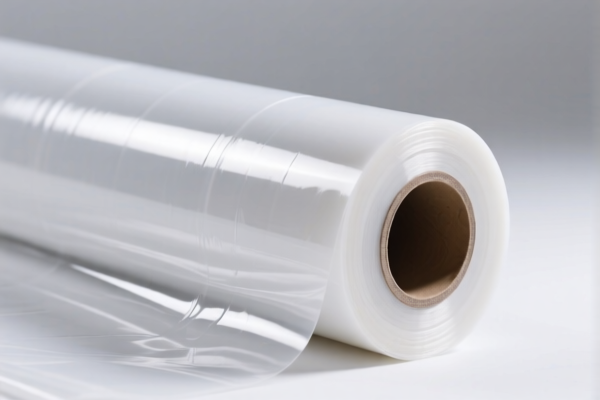
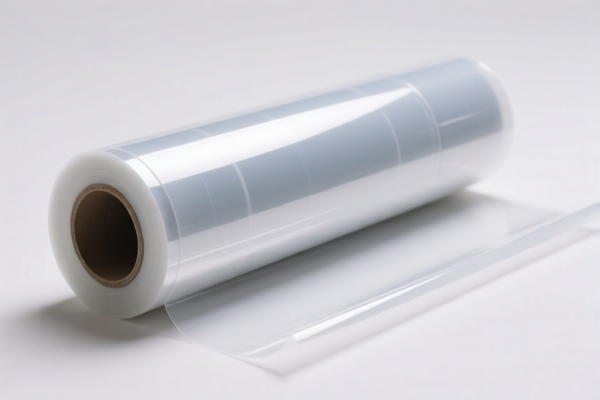
35mm Film Negative Roll
CN → US| HS Code | Tariff Rate | Origin | Destination | Doc |
|---|---|---|---|---|
| 3704000000 | 35.0% | CN | US | Official Doc |
| 3702540030 | 38.7% | CN | US | Official Doc |
| 3702530030 | 38.7% | CN | US | Official Doc |
| 3701910030 | 38.7% | CN | US | Official Doc |
| 3701910060 | 38.7% | CN | US | Official Doc |
Product Images

AI Analysis
🎞️ 35mm Film Negative Roll (Exposure Status & Type Clarification)
🌐 HS Code Reference & Clearance Guide | 2026 Latest Tariff Analysis | Professional Clearance Strategy
📌 I. Product Definition & Classification: Understanding "35mm Film"
"35mm Film Negative Roll" is a critical category in the photographic supplies sector. In international trade, the classification depends heavily on whether the film is exposed, unexposed, and its color type (Black & White vs. Color).
Unexposed Color Film: Raw material for photography. Sub-classified by width and specific use (e.g., slide vs. negative). Exposed Film: Used material, typically for processing. Often treated differently regarding tax rates due to its "used" nature.
⚠️ Key Distinction Point:
- If the film is unexposed and color → Falls under Chapter 3702 (Specific subheadings based on width/type).
- If the film is exposed → Falls under Chapter 3704 (Photographic paper, paperboard, and textile material, exposed).
- Note: The provided data suggests specific sub-entries for "Short Rolls" (短卷) under 3702, indicating specific regulatory treatment for non-standard lengths.
📦 II. HS Code Classification Details (2026 Latest Tariff Authority Comparison)
Based on the provided data, here is the breakdown of potential HS Codes for 35mm film products:
| HS Code | Product Description (Based on Input Data) | Key Characteristics | Exposed Status |
|---|---|---|---|
3704.00.00.00 |
Exposed 35mm Negative Roll | Meets characteristics of exposed but undeveloped film. | ✅ Exposed |
3702.54.00.30 |
35mm Color Film Short Roll | Matches category of color photography film; short roll format. | ❌ Unexposed* |
3702.53.00.30 |
35mm Color Film Short Roll | Width and material match color slide film characteristics. | ❌ Unexposed* |
3701.91.00.30 |
35mm Color Film Short Roll | 'Color film' corresponds to color photography; disc/film shape. | ❌ Unexposed* |
3701.91.00.60 |
35mm Color Film Short Roll | Other category of color photography film; flat characteristics. | ❌ Unexposed* |
🔍 Important Note:
- Codes starting with 3704 apply to exposed film.
- Codes starting with 3701 or 3702 apply to unexposed film (assuming standard photographic supplies). The specific sub-entries (.30,.60) likely refer to specific "short rolls" or niche categories within the broader color film classification.
💰 III. 2026 Latest Tariff Rate Details (Including Surcharges & Policy Surcharges)
✅ Applicable Country: United States (US)
✅ Origin: China (CN)
✅ Effective Time: Current regulations apply (includes Section 301 and IEEPA surcharges).
🎯 1. 3704.00.00.00 —— Exposed 35mm Negative Roll
| Item | Content |
|---|---|
| Base Tariff | 0.0% |
| Section 301 Surcharge | +25.0% |
| Section 122 Tariff (IEEPA) | +10.0% |
| Total Tax Rate | 35.0% |
| Tax Calculation | CIF Value × 35% |
| De Minimis Eligibility | ❌ Not Eligible (High tariff goods usually excluded or scrutinized) |
| Legal Basis Path | USITC:3704.00.00.00 → Section 301: 25% → Section 122/IEEPA: 10% |
📌 Explanation:
- Exposed film is often classified under "other photographic materials."
- The 35% total rate is composed of the 25% Section 301 tariff (on many Chinese goods) and an additional 10% under Section 122 (often related to specific national security or economic emergency provisions).
- High Cost Alert: Even with a 0% base rate, the surcharges make this a high-cost item.
🎯 2. 3702.54.00.30 —— 35mm Color Film Short Roll (Type A)
| Item | Content |
|---|---|
| Base Tariff | 3.7% |
| Section 301 Surcharge | +25.0% |
| Section 122 Tariff (IEEPA) | +10.0% |
| Total Tax Rate | 38.7% |
| Tax Calculation | CIF Value × 38.7% |
| De Minimis Eligibility | ❌ Not Eligible |
| Legal Basis Path | USITC:3702.54.00.30 → Section 301: 25% → Section 122/IEEPA: 10% |
📌 Explanation:
- This code applies to specific "short rolls" of color film.
- The 38.7% rate is higher than the exposed film due to the 3.7% base tariff.
- "Short roll" classification may trigger specific customs scrutiny regarding value per unit length.
🎯 3. 3702.53.00.30 —— 35mm Color Film Short Roll (Type B)
| Item | Content |
|---|---|
| Base Tariff | 3.7% |
| Section 301 Surcharge | +25.0% |
| Section 122 Tariff (IEEPA) | +10.0% |
| Total Tax Rate | 38.7% |
| Tax Calculation | CIF Value × 38.7% |
| De Minimis Eligibility | ❌ Not Eligible |
| Legal Basis Path | USITC:3702.53.00.30 → Section 301: 25% → Section 122/IEEPA: 10% |
📌 Explanation:
- Similar to Type A, but differentiated by specific width or material characteristics matching "color slide film" traits.
- Same tax burden as Type A.
🎯 4. 3701.91.00.30 —— 35mm Color Film Short Roll (Type C)
| Item | Content |
|---|---|
| Base Tariff | 3.7% |
| Section 301 Surcharge | +25.0% |
| Section 122 Tariff (IEEPA) | +10.0% |
| Total Tax Rate | 38.7% |
| Tax Calculation | CIF Value × 38.7% |
| De Minimis Eligibility | ❌ Not Eligible |
| Legal Basis Path | USITC:3701.91.00.30 → Section 301: 25% → Section 122/IEEPA: 10% |
📌 Explanation:
- This code captures "other" color films, potentially including disc-shaped or flat-format 35mm variants.
- The term 'color film' is explicitly linked to color photography needs.
🎯 5. 3701.91.00.60 —— 35mm Color Film Short Roll (Type D)
| Item | Content |
|---|---|
| Base Tariff | 3.7% |
| Section 301 Surcharge | +25.0% |
| Section 122 Tariff (IEEPA) | +10.0% |
| Total Tax Rate | 38.7% |
| Tax Calculation | CIF Value × 38.7% |
| De Minimis Eligibility | ❌ Not Eligible |
| Legal Basis Path | USITC:3701.91.00.60 → Section 301: 25% → Section 122/IEEPA: 10% |
📌 Explanation:
- A residual category for color photography films that do not fit other specific subheadings but meet "flat characteristic" requirements.
- Same high tariff structure as other 3701/3702 short rolls.
🛠️ IV. Practical Clearance Advice (Battle-Tested Pitfall Guide)
✅ 1. Essential Document Checklist (Non-Negotiable)
| Document | Required | Notes |
|---|---|---|
| ✅ Product Specification Sheet | ✔️ | Must clearly state: 35mm, Color/B&W, Exposed/Unexposed, Length (Standard vs. Short Roll). |
| ✅ Commercial Invoice | ✔️ | Must accurately reflect "Exposed" or "Unexposed" status. Misdeclaration leads to severe penalties. |
| ✅ Packing List | ✔️ | Detail number of rolls, weight, and packaging type. |
| ✅ Certificate of Origin (CO) | ✔️ | Confirm Chinese origin to apply correct 301/122 surcharges. |
| ✅ Photos of Product & Label | ✔️ | Show brand, model, and any "Short Roll" markings. |
| ✅ Customs Broker Declaration | ✔️ | Pre-file HS Code with supporting evidence. |
📌 Critical Reminder:
- "Exposed" vs. "Unexposed" is the single most important classification factor.
- If you declare "Unexposed" but the film is "Exposed" (e.g., customer returned shots), it is fraud.
- "Short Rolls" may be subject to additional scrutiny regarding value per meter/foot to prevent under-valuation.
✅ 2. Declaration Strategy (Key Mnemonics)
🔥 “Exposure Dictates Chapter, Length Defines Subcode, Tariffs Are High – Declare Accurately!”
| Scenario | Correct Declaration | Incorrect Action |
|---|---|---|
| Exposed Negative Film | 3704.00.00.00 |
Misdeclare as 3702 (Unexposed) → Smuggling Risk |
| Unexposed Color Short Roll | 3702.54.00.30 or similar |
Use generic 3702.59 → Wrong Tax Rate (38.7% vs others) |
| Standard Length Film | Standard 3702.54/53 | Use "Short Roll" code → Audit Trigger |
| Blank/Unused Film | 3701 or 3702 based on type |
Declare as "Exposed" to avoid base tax → Illegal |
📌 Note: The data shows that all listed HS Codes incur Section 301 (25%) and Section 122 (10%) surcharges. There is no exemption for these photographic supplies from China.
✅ 3. Special Circumstances Handling
| Situation | Handling Advice |
|---|---|
| Sample Shipments | Do not declare as "Commercial Goods" if value is nominal, but be aware of de minimis limits. With 35%+ tax, samples are expensive to import. |
| Returned Goods | If "Exposed" film is returned by a US customer, it may still be classified as 3704.00.00.00. Duty drawbacks may apply if original duty was paid. |
| Mixed Shipments | If a box contains both exposed and unexposed film, must separate. Mixed classification is not allowed. |
| "Short Roll" Definition | Ensure your definition of "short roll" aligns with customs expectations. If it's standard length, do not use .30 subcodes. |
🌍 V. Global Market Comparison (2026 Latest)
| Country/Region | Recommended HS Code | Estimated Tariff (China Origin) | Notes |
|---|---|---|---|
| 🇺🇸 USA | 3704.00.00.00 / 3702/3701 variants |
35.0% - 38.7% | Heavy Section 301 & 122 duties. |
| 🇨🇳 China | 3704.00.00.00 / 3702.54.00.00 |
~3.7% - 6% | No 301/122 surcharges. |
| 🇪🇺 EU | 3704.00.00 / 3702.54 |
~6.5% | No US-style surcharges. |
| 🇬🇧 UK | 3704.00.00 / 3702.54 |
~6.5% | Post-Brexit tariffs apply. |
| 🇯🇵 Japan | 3704.00.00 / 3702.54 |
~3.2% | Low base tariff, no US surcharges. |
📌 Conclusion:
- USA is the most expensive market for 35mm film imports from China due to the 35-39% total effective tax rate.
- Competitors from Vietnam, Thailand, or other non-China origins may have significant cost advantages (0-6%).
- Strategy: Consider sourcing from non-China origins for US market to avoid the 35%+ burden, or absorb the cost if the product is niche/essential.
📌 VI. Common Errors & Pitfall Guide (Lessons Learned)
❌ Error 1: Declaring "Exposed" film as "Unexposed" (3702) to save tax.
👉 Consequence: Severe Penalty + Smuggling Charges. Customs can X-ray or request developer proof.
❌ Error 2: Using a generic HS Code for "Short Rolls" when they are actually standard length.
👉 Consequence: Customs Audit & Delay. Discrepancy in unit price per foot/meter.
❌ Error 3: Ignoring Section 122 (10%) in cost calculation.
👉 Consequence: Profit Margin Erosion. The 10% surcharge is often overlooked by small importers.
❌ Error 4: Mixing "Exposed" and "Unexposed" in one shipment.
👉 Consequence: Rejection or Split Shipment. Must have separate invoices and HS Codes.
✅ Correct Practice:
"35mm Color Negative Film, Unexposed, Short Roll, 24 Exposures, Brand XYZ, Made in China."
OR
"35mm Black & White Negative Film, Exposed, Standard Roll, Brand ABC, Made in China."
🎯 VII. Conclusion: Professional Declaration, Cost Control, Efficiency!
🎯 Remember the Mantra:
🔹 "Exposed is 3704, Unexposed is 3701/3702. Short Rolls have specific codes. 35-39% Tax is Inevitable for China Origin."
🔹 "HS Code Accuracy Saves Money, Misclassification Costs Everything."
📌 Pro Tip:
- If you are importing large volumes, consider Advance Ruling (APA) from CBP to lock in the HS Code and tariff rate.
- Evaluate Supplier Diversification: Shifting production to Vietnam or India could reduce the 35%+ duty burden to <7%.
📣 Immediate Action:
📞 Consult a licensed US Customs Broker.
📸 Provide clear product photos and specifications.
🚀 Ensure Compliance, Avoid Penalties, Protect Margins.
✨ Professional Clearance Starts with Accurate Classification!
💼 Every Percent of Tariff Counts in the Photo Industry!
Customer Reviews
About HS Code Classification
The Harmonized System (HS) is an internationally standardized nomenclature developed by the World Customs Organization (WCO) to classify traded products. Over 200 countries use the HS system as the basis for customs tariffs, trade statistics, and import/export regulations.
Each HS code follows a hierarchical structure:
- Chapter (2 digits) — Broad category of goods (e.g., Chapter 84: Machinery and Mechanical Appliances)
- Heading (4 digits) — More specific grouping within the chapter
- Subheading (6 digits) — Internationally standardized breakdown, used by all WCO member countries
- National subdivisions (8-10 digits) — Country-specific extensions for further classification, such as US HTSUS 10-digit codes
Correct HS code classification is essential for smooth customs clearance, accurate duty payment, and compliance with trade regulations. Misclassification can lead to customs delays, overpayment of duties, or penalties.
When importing from CN to US, the applicable tariff rates may include:
- Most-Favored-Nation (MFN) rate — The standard duty rate applied to WTO members
- General rate — Applied to countries without trade agreements
- Trade remedy duties — Additional tariffs such as Section 301 (anti-dumping), Section 232 (national security), or countervailing duties
The information provided on this page is for reference purposes only. For official classification, please consult with your local customs authority or a licensed customs broker.