35mm Film Positive Print
CN → US| HS Code | Tariff Rate | Origin | Destination | Doc |
|---|---|---|---|---|
| 3705000000 | 35.0% | CN | US | Official Doc |
| 2933193010 | 41.5% | CN | US | Official Doc |
| 2934992000 | 16.5% | CN | US | Official Doc |
| 3703203030 | 38.7% | CN | US | Official Doc |
| 3701910060 | 38.7% | CN | US | Official Doc |
Product Images

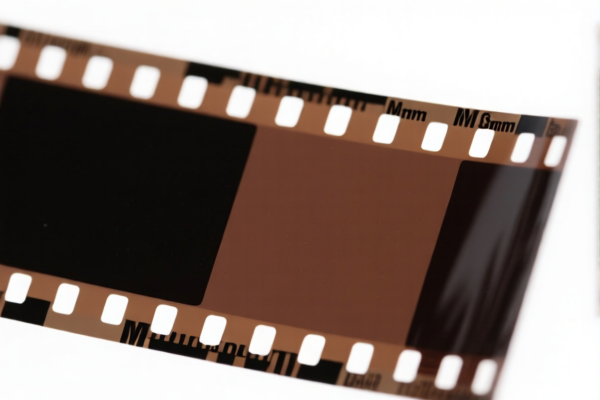
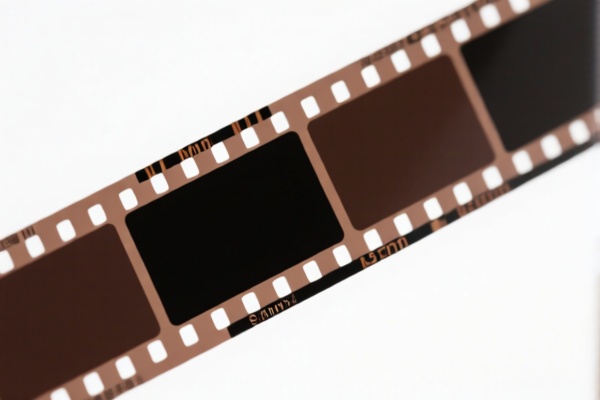
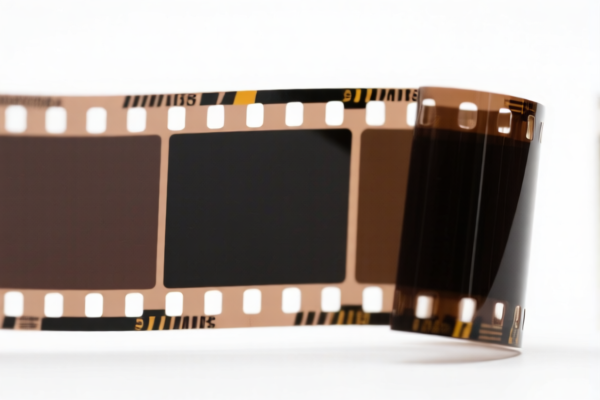
AI Analysis
🎞️ 35mm Film Positive Print (彩色正片胶片)
🌐 HS Code Reference & Customs Clearance Guide | 2026 Updated Tariff Analysis | Professional Classification Strategy
📌 Part 1: Product Definition & Classification Logic: Do You Really Understand "Positive Film"?
"35mm Film Positive Print" refers to Color Positive Film (also known as reversal film or slide film). It is a critical photosensitive material used in professional photography, cinematic archiving, and slide projection. Unlike negative film, it produces an image with colors identical to the original scene.
In international trade, the classification of this product is complex because it sits at the intersection of chemical photography materials and finished photosensitive media.
⚠️ Key Classification Dilemma: - Is it a finished photographic medium (Heading 37.05)? → Best for unexposed film strips. - Is it a chemical preparation (Heading 29.33/29.34)? → Rare, only if explicitly defined as a chemical developer/color agent. - Is it a photosensitive paper/plate variant (Heading 37.03/37.01)? → Incorrect for film, but sometimes misdeclared due to "photosensitive" keyword.
📦 Part 2: HS Code Classification Details (Based on Provided Data)
Below are the potential HS Codes derived from the product description "35mm Film Positive Print", with detailed tax implications and logic.
| HS Code | Product Description | Classification Logic Summary | Estimated Total Tax Rate |
|---|---|---|---|
| 3705.00.00.00 | Photosensitive Plates, Film and Paper (Matching material: Film; Form: Photographic/Cinema Film) |
✅ Most Likely Match. Matches the physical form (film) and use (photography/cinema). Even if not explicitly stated as "exposed," its nature as a photographic medium aligns with Heading 37.05. |
35.0% |
| 2933.19.30.10 | Organic Chemicals (Color Positive Film treated as photographic chemicals) |
⚠️ Alternative/Debatable. Arguments: "Color Positive Film" falls under photographic chemicals like color developers. Material: Film form fits chemical形态. Risk: Misclassification if not specifically a chemical agent. |
41.5% |
| 2934.99.20.00 | Organic Chemicals (Other) (Aromatic/Modified Aromatic Chemicals) |
⚠️ Alternative/Debatable. Arguments: "Film" fits aromatic chemical morphology; "Color Positive" fits photographic chemical use. Risk: Lower tax but higher scrutiny on chemical composition. |
16.5% |
| 3703.20.30.30 | Photographic Paper, Pulpboard, etc. (Color Positive treated as photosensitive paper variant) |
❌ Likely Incorrect. Arguments: "Color Positive Film" is functionally similar to photosensitive paper. However, film is distinct from paper. Risk: Misclassification due to "photosensitive" attribute. |
38.7% |
| 3701.91.00.60 | Other Plates, Film and Paper (Other Color Photographic Products) |
❌ Less Specific. Arguments: "Color Positive Film" fits "Other Color Photographic Products." Material inferred as non-paper/non-textile photosensitive material. Risk: Too broad; 3705 is more specific to film. |
38.7% |
🔍 Key Insight:
- HS Code 3705.00.00.00 is the most standard and defensible classification for unexposed photographic film. - HS Code 2934.99.20.00 offers the lowest tax (16.5%) but requires strong justification that the product is a chemical substance rather than a manufactured photographic medium. - Codes under 29.33/29.34 are risky unless the product is explicitly a chemical solution or developer, not the film base itself.
💰 Part 3: 2026 Latest Tariff Rate Breakdown (Including Surtaxes & Policy Surcharges)
✅ Applicable Country: United States (US)
✅ Origin: China (CN)
✅ Effective Date: November 10, 2025 (and subsequent imports)
🎯 1. 3705.00.00.00 — Photosensitive Plates, Film and Paper
This is the primary recommendation for unexposed 35mm color positive film.
| Item | Content |
|---|---|
| Base Tariff | 0.0% |
| Section 301 Surtax | +25.0% |
| IEEPA Surtax (122) | +10.0% |
| Total Tax Rate | 35.0% |
| Tax Calculation | CIF Value × 35% |
| De Minimis Exemption | ❌ Not Applicable (deny_de_minimis) |
| Legal Basis Path | IEEPA:9903.01.25 → IEEPA:9903.01.24 → USITC:3705.00.00.00 → FOOTNOTE:9903.88.01 |
📌 Explanation:
- The 25% Section 301 surtax applies to Chinese-origin goods under this heading. - The 10% IEEPA surtax (122 Clause) specifically targets Chinese products in this category. - Total: 35%. This is a high-duty category. No de minimis exemption (e.g., for small parcels) applies.
🎯 2. 2933.19.30.10 — Organic Chemicals (Color Developers/Agents)
If classified as a chemical preparation.
| Item | Content |
|---|---|
| Base Tariff | 6.5% |
| Section 301 Surtax | +25.0% |
| IEEPA Surtax (122) | +10.0% |
| Total Tax Rate | 41.5% |
| Tax Calculation | CIF Value × 41.5% |
| De Minimis Exemption | ❌ Not Applicable |
| Legal Basis Path | IEEPA:9903.01.25 → IEEPA:9903.01.24 → USITC:2933.19.30.10 → FOOTNOTE:9903.88.01 |
📌 Note:
- Higher total tax (41.5%) makes this less favorable unless there is a specific regulatory advantage or if the product is chemically distinct from standard film. - Risk of misclassification is high if declared as "film" but HS Code suggests "chemicals."
🎯 3. 2934.99.20.00 — Other Organic Chemicals
If classified as an aromatic photographic chemical.
| Item | Content |
|---|---|
| Base Tariff | 6.5% |
| Section 301 Surtax | 0.0% |
| IEEPA Surtax (122) | +10.0% |
| Total Tax Rate | 16.5% |
| Tax Calculation | CIF Value × 16.5% |
| De Minimis Exemption | ❌ Not Applicable |
| Legal Basis Path | IEEPA:9903.01.25 → IEEPA:9903.01.24 → USITC:2934.99.20.00 → FOOTNOTE:9903.88.01 |
📌 Note:
- Lowest tax rate (16.5%) among options. - High Risk: Must prove the product is a "chemical substance" (aromatic/modifed aromatic) rather than a "photosensitive medium." Customs may challenge this if the product is clearly a physical film strip. - Only consider if product is not a standard photographic film but a chemical component.
🎯 4. 3703.20.30.30 & 3701.91.00.60 — Other Photosensitive Materials
If misclassified as paper or other photographic products.
| Item | Content |
|---|---|
| Base Tariff | 3.7% |
| Section 301 Surtax | +25.0% |
| IEEPA Surtax (122) | +10.0% |
| Total Tax Rate | 38.7% |
| Tax Calculation | CIF Value × 38.7% |
| De Minimis Exemption | ❌ Not Applicable |
| Legal Basis Path | IEEPA:9903.01.25 → IEEPA:9903.01.24 → USITC:[Code] → FOOTNOTE:9903.88.01 |
📌 Note:
- Higher tax (38.7%) than the correct HS Code 3705. - Incorrect Classification: Film is not paper (3703) or generic other products (3701). This leads to penalties and delays.
🛠️ Part 4: Customs Clearance Practical Advice
✅ 1. Documentation Checklist (Essential)
| Document | Required | Description |
|---|---|---|
| ✅ Product Specifications | ✔️ | Detailed sheet: Type (Reversal/Positive), Size (35mm), Sensitivity (ISO), Format. |
| ✅ Product Photos | ✔️ | Clear images of the canister, labeling, and film leader. Show "Color Positive" or "Ektachrome" etc. |
| ✅ Commercial Invoice | ✔️ | Must clearly state "35mm Color Positive Film" or "Reversal Film". Avoid vague terms like "Photographic Materials." |
| ✅ Packing List | ✔️ | Specify quantity, weight, and package type. |
| ✅ Certificate of Origin | ✔️ | To confirm Chinese origin for surtax calculation. |
| ✅ MSDS (If applicable) | ✔️ | If any chemical components are present, though film usually doesn't require this unless it's a chemical kit. |
✅ 2. Declaration Strategy (Key Tips)
🔥 "Be Specific, Be Accurate, Avoid Ambiguity!"
| Scenario | Correct Declaration | Incorrect Declaration |
|---|---|---|
| Standard Unexposed Film | 35mm Color Positive Film, Reversal Type, Unexposed |
Photographic Supplies or Film |
| Exposed/Developed Film | Developed Photographic Film (May have different duties) |
Raw Film Material |
| Chemical Developer Kit | Photographic Chemical Developer Solution |
35mm Film |
📌 Critical Point:
- Do NOT declare as "Paper" or "Other Chemicals" unless strictly justified. - Do NOT omit "Positive/Reversal" distinction if possible, as it helps identify the specific use.
✅ 3. Special Cases
| Case | Handling Advice |
|---|---|
| Sample Shipments | Even small samples are subject to 35% tariff if declared as film. No de minimis. |
| OEM/Custom Branding | Provide brand authorization if applicable, but duty is based on product nature, not brand. |
| Mixed Shipments | If film is mixed with non-dutiable accessories, declare separately to avoid misclassification. |
| Exempted Entities | Government or nonprofit entities may apply for exemptions, but requires specific documentation. |
🌍 Part 5: Global Market Comparison (2026)
| Country/Region | Recommended HS Code | Base Duty | Surtaxes | Total Duty | Notes |
|---|---|---|---|---|---|
| 🇺🇸 USA | 3705.00.00.00 |
0% | 25% + 10% | 35% | High surtax for Chinese origin. |
| 🇨🇳 China | 3705.00.00.00 |
Varies | 0% | Low/0% | Check current Chinese import tariffs. |
| 🇪🇺 EU | 3705.00.00.00 |
0% | 0% | 0% | No surtaxes for China. |
| 🇬🇧 UK | 3705.00.00.00 |
0% | 0% | 0% | Post-Brexit, no US-style surtaxes. |
| 🇯🇵 Japan | 3705.00.00.00 |
0% | 0% | 0% | Generally low duty. |
📌 Conclusion:
- USA is the highest duty market due to Section 301 and IEEPA surtaxes. - EU/UK/Japan are significantly cheaper for Chinese-origin film. - Consider supply chain diversification if shipping to the US is cost-prohibitive.
📌 Part 6: Common Mistakes & Pitfalls
❌ Mistake 1: Declaring as "Photographic Paper" (3703)
👉 Result: Misclassification, potential 38.7% duty, and customs delay.
❌ Mistake 2: Omitting "Positive/Reversal" in description
👉 Result: Customs may treat it as generic "film," leading to further examination.
❌ Mistake 3: Claiming De Minimis Exemption for small shipments
👉 Result: Denied. Film is explicitly excluded from de minimis under IEEPA.
❌ Mistake 4: Misdeclaring as "Chemicals" (2933/2934) to save tax
👉 Result: High risk of penalty, fines, and seizure if physical form is clearly film.
✅ Correct Approach:
"35mm Color Positive Reversal Film, Unexposed, 100ft Reel, ISO 100, Brand: [Brand], Model: XYZ"
🎯 Part 7: Conclusion: Professional Declaration Saves Money!
🎯 Remember the Key Points:
🔹 "35mm Positive Film → HS 3705.00.00.00"
🔹 "Total Duty: 35% for China Origin to US"
🔹 "No De Minimis Exemption!"
🔹 "Accurate Description is Crucial!"
📌 Pro Tip:
If your film is produced in Vietnam, Thailand, or Malaysia, you may qualify for lower or zero surtaxes under US trade agreements.
Consider pre-ruling (Advance Ruling) with US CBP to confirm the HS Code before shipping.
📣 Immediate Action:
📞 Contact a licensed customs broker + Provide product photos + Apply for HS Code Pre-ruling
🚀 Ensure smooth clearance, avoid delays, and optimize costs!
✨ Professional Customs Clearance Starts with Accurate Classification!
💼 Every Penny Counts in Global Trade!
Customer Reviews
About HS Code Classification
The Harmonized System (HS) is an internationally standardized nomenclature developed by the World Customs Organization (WCO) to classify traded products. Over 200 countries use the HS system as the basis for customs tariffs, trade statistics, and import/export regulations.
Each HS code follows a hierarchical structure:
- Chapter (2 digits) — Broad category of goods (e.g., Chapter 84: Machinery and Mechanical Appliances)
- Heading (4 digits) — More specific grouping within the chapter
- Subheading (6 digits) — Internationally standardized breakdown, used by all WCO member countries
- National subdivisions (8-10 digits) — Country-specific extensions for further classification, such as US HTSUS 10-digit codes
Correct HS code classification is essential for smooth customs clearance, accurate duty payment, and compliance with trade regulations. Misclassification can lead to customs delays, overpayment of duties, or penalties.
When importing from CN to US, the applicable tariff rates may include:
- Most-Favored-Nation (MFN) rate — The standard duty rate applied to WTO members
- General rate — Applied to countries without trade agreements
- Trade remedy duties — Additional tariffs such as Section 301 (anti-dumping), Section 232 (national security), or countervailing duties
The information provided on this page is for reference purposes only. For official classification, please consult with your local customs authority or a licensed customs broker.