35mm Film Roll
CN → US| HS Code | Tariff Rate | Origin | Destination | Doc |
|---|---|---|---|---|
| 3706106060 | 35.0% | CN | US | Official Doc |
| 3706106030 | 35.0% | CN | US | Official Doc |
| 3706106090 | 35.0% | CN | US | Official Doc |
| 3702540030 | 38.7% | CN | US | Official Doc |
| 3702530030 | 38.7% | CN | US | Official Doc |
Product Images
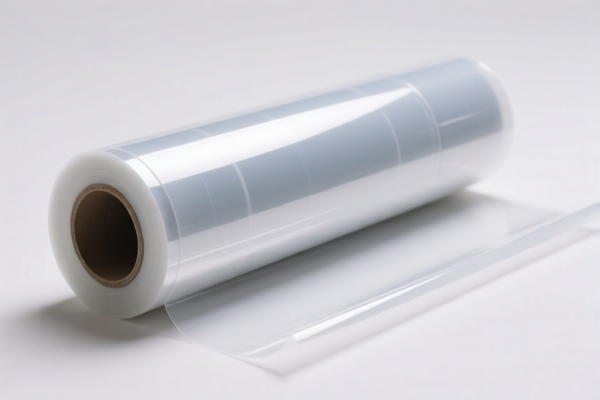

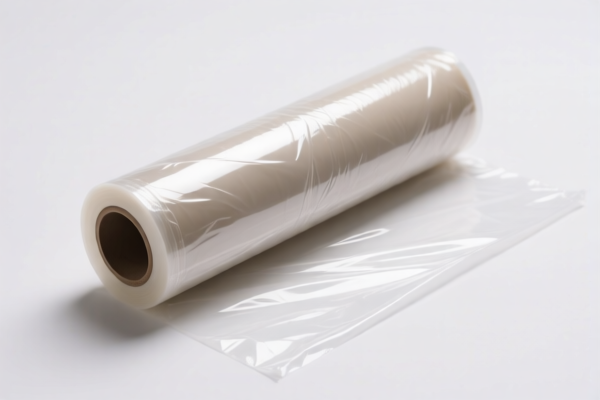
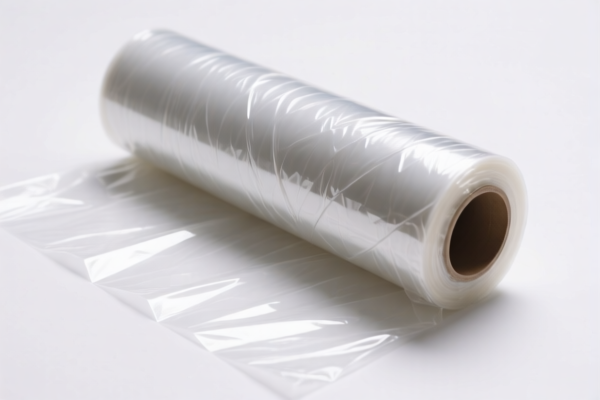
AI Analysis
🎬 35mm Film Roll: The Golden Standard of Cinematic History
🌐 HS Code Classification & Customs Clearance Guide | 2025/2026 Tariff Analysis | Professional Strategy for Film Imports
📌 I. Product Definition: What is "35mm Film Roll"?
The 35mm Film Roll is the historic and still widely used physical medium for motion pictures. It consists of a flexible plastic strip coated with light-sensitive emulsion, rolled onto a spool. In international trade, its classification hinges on two critical factors:
1. Width: Must be 35mm or wider (strictly defined in HS Chapter 37).
2. State: Is it Exposed/Developed (containing a final image) or Unexposed/Raw (blank emulsion)?
⚠️ The Critical Pivot Point:
- "Cinema Film" (Exposed/Developed): Goes to 3706.10.60.xx (Movie Films).
- "Unexposed Roll" (Blank/General): Goes to 3702.53/54.00.xx (Photographic Film).
- Ambiguity: If the state isn't clear, customs often default to the "Residual/Bottom-Clad" category (3706.10.60.90) based on the width.
📦 II. HS Code Classification Breakdown (2026 Latest Tariff Schedule)
Based on the provided data, here is the precise mapping of 35mm Film Roll to its potential HS Codes and tax implications.
| HS Code | Product Description & Logic | Tax Rate | Tax Detail Breakdown |
|---|---|---|---|
3706.10.60.60 |
Movie Film (Cinema) – Explicitly matches "Cinema Film" and "35mm". Logic: "35mm width" meets the "35mm or wider" requirement. Assumed "Exposed & Developed" based on "Cinema Film" terminology. |
35.0% | Base: 0% + Section 232/Add-on: 25% + Section 301 (122 Clause): 10% |
3706.10.60.30 |
Movie Film (Cinema) – Explicitly mentions "Cinema Film" and "35mm". Logic: Direct match for "Width ≥ 35mm" and "Movie Film" material. |
35.0% | Base: 0% + Section 232/Add-on: 25% + Section 301 (122 Clause): 10% |
3706.10.60.90 |
Residual Movie Film – "35mm width" matches requirements. Logic: Used as a "Catch-all" if the "Exposed/Developed" status is not explicitly stated. No conflict with material/usage. |
35.0% | Base: 0% + Section 232/Add-on: 25% + Section 301 (122 Clause): 10% |
3702.54.00.30 |
Photographic Film (Unexposed) – Matches "35mm" and "Film". Logic: Assumed "Color" film (common for 35mm rolls). Base on "Film" category, no obvious material conflict. |
38.7% | Base: 3.7% + Section 232/Add-on: 25% + Section 301 (122 Clause): 10% |
3702.53.00.30 |
Color Slide Film – Matches "35mm Wide". Logic: Assumed non-paper/non-textile material; inferred "Color Slide" characteristics based on common usage. |
38.7% | Base: 3.7% + Section 232/Add-on: 25% + Section 301 (122 Clause): 10% |
🔍 Key Insight:
- The 3.7% Difference: Moving from a "Movie Film" (3706) to a "Photographic Film" (3702) increases the Base Tariff from 0% to 3.7%.
- The "Cinema" Label: If your product is explicitly labeled "Cinema Film," you are likely stuck in the 35% bracket (3706). If it is "Unexposed Photo Film," you might aim for the 38.7% bracket (3702), but be aware that 3706 is often safer if the film is meant for projection.
💰 III. Detailed Tax Rate Analysis (China to US Context)
✅ Applicable Market: USA (US)
✅ Origin: China (CN)
✅ Effective Date: Post-November 2025 (Current Tariff Structure)
🎯 Category A: Movie Films (3706.10.60.xx)
Scenario: Film is already exposed/developed or explicitly for Cinema.
| Tax Component | Rate | Legal Basis |
|---|---|---|
| Base Tariff | 0.0% | General MFN Rate for Chapter 37 |
| Section 232 / "Add-on" Tariff | +25.0% | USITC Footnote 9903 (Steel/Aluminum context or specific trade remedy) |
| Section 301 (122 Clause) | +10.0% | IEEPA / Section 301 (China-specific punitive tariff) |
| TOTAL | 35.0% | 0 + 25 + 10 |
📌 Explanation:
- Even though the Base Tariff is 0%, the 25% "Add-on" and 10% "Section 301" taxes are non-negotiable and apply strictly to Chinese-origin films.
- De Minimis Exemption: ❌ NOT APPLICABLE. This is a high-value commercial good, not a small parcel.
🎯 Category B: Photographic/Slide Film (3702.53/54.00.xx)
Scenario: Unexposed, blank, or photo film.
| Tax Component | Rate | Legal Basis |
|---|---|---|
| Base Tariff | 3.7% | Standard MFN Rate for Photographic Film |
| Section 232 / "Add-on" Tariff | +25.0% | Same as above |
| Section 301 (122 Clause) | +10.0% | Same as above |
| TOTAL | 38.7% | 3.7 + 25 + 10 |
📌 Explanation:
- Here, the Base Tariff is 3.7%. Combined with the punitive 35% taxes, the total climbs to 38.7%.
- Strategic Note: Unless you are certain it is unexposed, the risk of misclassification from 3706 to 3702 could result in underpayment (since 3706 has 0% base, but 3702 has 3.7% base) or audits.
🛠️ IV. Practical Customs Clearance Strategies
✅ 1. Preparation Checklist (Non-Negotiable)
| Document | Requirement | Why it Matters |
|---|---|---|
| Product Specification Sheet | Must state: Width (35mm), Format (Roll), State (Exposed/Unexposed). | Determines if it's 3706 (Movie) or 3702 (Photo). |
| Commercial Invoice | Must explicitly say "Cinema Film" OR "Unexposed 35mm Film". | "Cinema Film" forces 3706. "Unexposed" allows 3702. |
| Material Composition | Confirm it is Plastic/Cellulose, NOT Paper/Cardboard. | Avoids classification under textile/paper chapters (higher risk). |
| Intended Use Statement | "For Movie Projection" vs. "For Photography". | Critical for distinguishing 3706 from 3702. |
| Batch/Exposure Status | Crucial: Is the film blank or developed? | If "Developed", it must be 3706. If blank, it could be 3702. |
✅ 2. Declaration Techniques (Pro Tips)
🔥 Golden Rule: "State the State of Development!"
| Situation | Correct Declaration | Incorrect Declaration | Risk |
|---|---|---|---|
| Developed Movie | "35mm Cinema Film, Exposed & Developed" | "35mm Film" | ❌ Under-declared Base Rate (0% vs 3.7%) if misclassified as 3702. |
| Blank Photo Film | "Unexposed 35mm Color Negative Film" | "Cinema Film" | ❌ Over-declared Tax (35% vs 38.7%? No, 3702 is 38.7%, but 3706 is 35%. Wait, 3706 is 35%, 3702 is 38.7%. So declaring "Cinema" for blank film is Cheaper but Risky). |
| Unclear Status | "35mm Film, State Undetermined" (with disclaimer) | No status mentioned | ✅ Safe → Default to 3706.10.60.90 (35%). |
📌 Critical Note on "35mm":
- All codes above require Width ≥ 35mm.
- If the width is < 35mm (e.g., 16mm), the tax logic changes entirely (different HS codes). Ensure your invoice explicitly states "35mm".
✅ 3. Special Scenarios & Mitigation
| Scenario | Advice |
|---|---|
| "Cinema Film" with unknown exposure | Best Guess: Classify as 3706.10.60.90 (35% total). It is safer to pay 35% than to risk a penalty for misclassifying exposed film as 3702 (38.7%). |
| Unexposed Film | If you are certain it is blank, classify as 3702.54.00.30 (38.7%). However, if the label says "Cinema", you may be forced into 3706. |
| High-Value Artistic Film | Provide a Declaration of Use (e.g., "For Museum Exhibition"). Sometimes exemptions exist for non-commercial art, but Section 301 taxes usually apply regardless of use. |
| Misclassification Risk | If you declare 3702 (38.7%) but the film is actually "Cinema", Customs may audit. If you declare 3706 (35%) and it is unexposed, you pay slightly less, which is financially better but legally risky. |
🌍 V. Global Market Comparison (2026 Snapshot)
| Region | Recommended HS Code | Base Tariff | Add-ons (China) | Total Effective Rate |
|---|---|---|---|---|
| 🇺🇸 USA | 3706.10.60.60 (Movie) |
0% | +25% +10% | 35.0% |
| 🇺🇸 USA | 3702.54.00.30 (Photo) |
3.7% | +25% +10% | 38.7% |
| 🇪🇺 EU | 3706.10.60 |
0% | No Section 301 | ~0-5% |
| 🇨🇳 China | 3706.10.60 |
0% | No Add-ons | 0% |
| 🇯🇵 Japan | 3706.10.60 |
0% | No Add-ons | 0% |
📌 Conclusion:
- The USA is the most expensive market for 35mm film due to the Section 301 (10%) + Add-on (25%) combo.
- No De Minimis Relief: Small shipments of film still pay 35%. Do not try to split shipments to avoid taxes.
🚫 VI. Common Mistakes & Pitfalls (Avoid These!)
❌ Mistake 1: Ignoring "Exposed/Developed" Status
👉 Consequence: Declaring "Cinema Film" as "Unexposed" to save the 3.7% base? WRONG. If it's exposed, you must declare 3706. If it's unexposed but labeled "Cinema", you might get flagged.
Fix: Be honest about the state of the film.
❌ Mistake 2: Not Specifying Width
👉 Consequence: If the width is not clearly stated as "35mm", Customs might guess "16mm" or "Other" → Higher or Different Tariff.
Fix: Always state "35mm" on the invoice.
❌ Mistake 3: Splitting Shipments to Avoid "Cinema" Label
👉 Consequence: If you label as "Photographic Film" but the content is "Cinema", Customs will seize or reclassify.
Fix: Use accurate product descriptions.
🎯 VII. Final Strategic Recommendation
🔹 "For 35mm Film: If in Doubt, Declare
3706.10.60.90."
🔹 "If you are certain it is blank (unexposed), declare3702.54.00.30but prepare for 38.7%."
🔹 "Never hide the '35mm' width or the 'Cinema' nature."
🚀 Action Plan for Shippers:
- Verify if the film is Exposed or Unexposed.
- Label the invoice clearly: "35mm Cinema Film" or "Unexposed 35mm Photo Film".
- Budget for 35% to 38.7% total duty (including all US add-ons).
- Prepare a Declaration of Intended Use to support your classification choice.
- Contact a professional Customs Broker before shipping to file an Advance Ruling if possible.
📌 Pro Tip:
"35mm is the width that matters. 3706 is the code for movies. 3702 is the code for photos. Don't mix them. If you mix them, you pay for both the mistake and the tax."
✨ Clear Customs, Protect Your Profit!
💼 Precision in Declaration = Success in Trade!
Customer Reviews
About HS Code Classification
The Harmonized System (HS) is an internationally standardized nomenclature developed by the World Customs Organization (WCO) to classify traded products. Over 200 countries use the HS system as the basis for customs tariffs, trade statistics, and import/export regulations.
Each HS code follows a hierarchical structure:
- Chapter (2 digits) — Broad category of goods (e.g., Chapter 84: Machinery and Mechanical Appliances)
- Heading (4 digits) — More specific grouping within the chapter
- Subheading (6 digits) — Internationally standardized breakdown, used by all WCO member countries
- National subdivisions (8-10 digits) — Country-specific extensions for further classification, such as US HTSUS 10-digit codes
Correct HS code classification is essential for smooth customs clearance, accurate duty payment, and compliance with trade regulations. Misclassification can lead to customs delays, overpayment of duties, or penalties.
When importing from CN to US, the applicable tariff rates may include:
- Most-Favored-Nation (MFN) rate — The standard duty rate applied to WTO members
- General rate — Applied to countries without trade agreements
- Trade remedy duties — Additional tariffs such as Section 301 (anti-dumping), Section 232 (national security), or countervailing duties
The information provided on this page is for reference purposes only. For official classification, please consult with your local customs authority or a licensed customs broker.