35mm Low Sensitivity Film
CN → US| HS Code | Tariff Rate | Origin | Destination | Doc |
|---|---|---|---|---|
| 3707100090 | 38.0% | CN | US | Official Doc |
| 3707100005 | 38.0% | CN | US | Official Doc |
| 3701996060 | 35.0% | CN | US | Official Doc |
| 3701910060 | 38.7% | CN | US | Official Doc |
| 3702540030 | 38.7% | CN | US | Official Doc |
Product Images
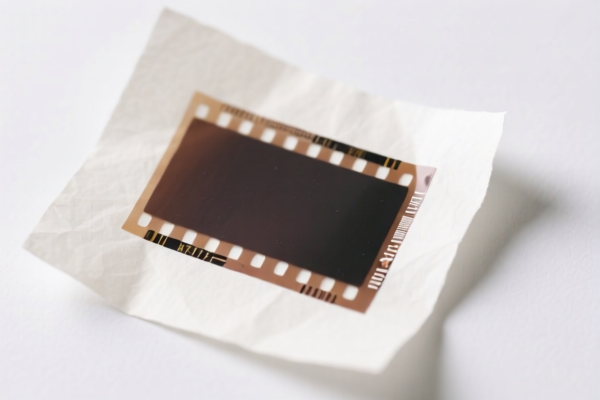
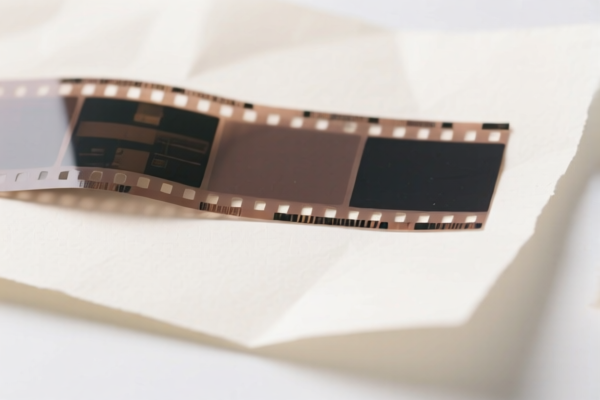
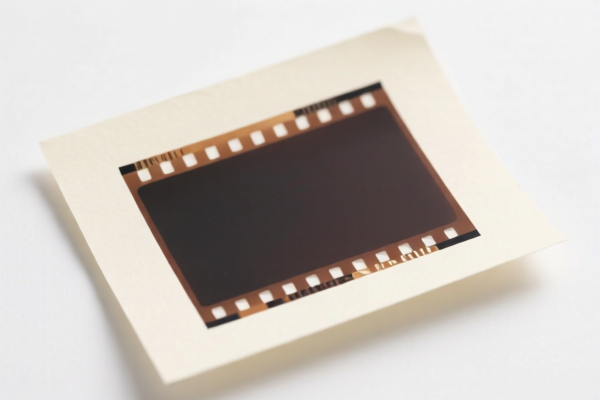
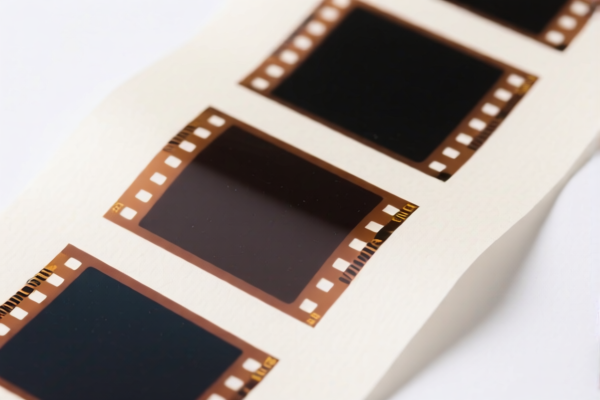
AI Analysis
📸 35mm Low Sensitivity Film – HS Code & Tariff Guide (2026 Update)
🌐 HS Code Classification & Customs Clearance Strategy | 2026 Latest Tariff Rules | Expert-Level Compliance Advice
📌 One Product, Multiple Codes? Let’s Clarify the Real Classification!
You’re importing 35mm low sensitivity film — a classic photographic medium used in film cameras, especially for daylight shooting, portrait photography, or high-detail applications. But here’s the catch: this product is not one-size-fits-all in customs classification.
The correct HS Code depends on whether it’s an unexposed film, whether it contains a sensitizing layer, and its specific technical use — even small differences trigger major tariff changes.
Let’s break down why each HS Code applies, how the taxes stack up, and how to clear customs without a headache.
📦 1. HS Code Breakdown: Why Each Code Applies to Your 35mm Low Sensitivity Film
| HS Code | Product Description | Why It Applies | Key Trigger |
|---|---|---|---|
3707.10.00.90 |
Photographic sensitized materials, other than those in 3707.10.00.00, used in other增感乳剂 (other sensitizing emulsions) |
Applies when the film uses non-standard or custom emulsion layers not covered by the "unspecified color" category | Emulsion type not specified; used for low-sensitivity, high-resolution film |
3707.10.00.05 |
Photographic emulsions, for unspecified color film, typically black & white or multi-spectral | Applies if the film is not color-specific, and is low sensitivity (e.g., ISO 100 or lower) | Standard for general-purpose low-speed films; no color specification |
3701.99.60.60 |
Photographic film not on paper or textile, classified under other photographic films | Applies if the film is on non-paper, non-fabric base (e.g., polyester, cellulose acetate) and not otherwise specified | Base material ≠ paper/fabric; film is not color or special-purpose |
3701.91.00.60 |
Color photographic film, on non-paper, non-fabric base, for other materials | Applies if the film is color, low sensitivity, and used in specialized or industrial applications | Even if low sensitivity, if it's color film, this code applies |
3702.54.00.30 |
Photographic film (including 35mm), classified under “other” due to lack of specific subheading | Applies when no other subheading fits — default “catch-all” for film not otherwise specified | Used when emulsion type, base, or color doesn’t match other codes |
✅ Key Insight:
- Low sensitivity does not exempt you from high tariffs — it’s the classification, not the ISO speed, that determines the rate. - Color vs. non-color is the biggest differentiator. - Base material (paper vs. plastic) matters for subheading.
💰 2. 2026 Tariff Breakdown: The Hidden Tax Explosion
✅ Applicable Country: United States (US)
✅ Origin: China (CN)
✅ Effective Date: November 10, 2025 (with retroactive enforcement)
🎯 1. 3707.10.00.90 – Other Sensitizing Emulsions (Low Sensitivity Film)
| Item | Detail |
|---|---|
| Base Tariff | 3.0% (ad valorem) |
| USITC Section 301 Tariff | +25.0% (from US Trade Act 301) |
| Section 122 Tariff (IEEPA) | +10.0% (International Emergency Economic Powers Act) |
| Total Effective Tariff | 38.0% |
| Tax Calculation | CIF Value × 38.0% |
| De Minimis Exemption? | ❌ No (denied under US law) |
| Legal Basis Path | IEEPA:9903.01.25 → USITC:3707.10.00.90 → FOOTNOTE:9903.88.01 |
📌 Why This Applies:
- The film uses non-standard emulsion layers (e.g., low-sensitivity, high-resolution, or specialized for scientific/industrial use). - Even if it’s black & white, if it’s not covered by3707.10.00.05, it falls here.
🎯 2. 3707.10.00.05 – Emulsions for Unspecified Color Film (Low Sensitivity)
| Item | Detail |
|---|---|
| Base Tariff | 3.0% |
| USITC Section 301 Tariff | +25.0% |
| Section 122 Tariff (IEEPA) | +10.0% |
| Total Effective Tariff | 38.0% |
| Tax Calculation | CIF × 38.0% |
| De Minimis Exemption? | ❌ No |
| Legal Basis Path | IEEPA:9903.01.25 → USITC:3707.10.00.05 → FOOTNOTE:9903.88.01 |
📌 Why This Applies:
- The film is not color-specific (e.g., B&W or multi-spectral). - Low sensitivity (e.g., ISO 50–100) is common for this category. - This is the most common code for standard 35mm low-speed film.
🎯 3. 3701.99.60.60 – Other Photographic Film (Non-Paper Base)
| Item | Detail |
|---|---|
| Base Tariff | 0.0% |
| USITC Section 301 Tariff | +25.0% |
| Section 122 Tariff (IEEPA) | +10.0% |
| Total Effective Tariff | 35.0% |
| Tax Calculation | CIF × 35.0% |
| De Minimis Exemption? | ❌ No |
| Legal Basis Path | IEEPA:9903.01.24 → USITC:3701.99.60.60 → FOOTNOTE:9903.88.01 |
📌 Why This Applies:
- The film is on polyester or acetate base, not paper. - Not color-specific, not used in specialized emulsions. - Lower base tariff, but still high total due to 25% + 10% add-ons.
🎯 4. 3701.91.00.60 – Color Photographic Film (Non-Paper Base)
| Item | Detail |
|---|---|
| Base Tariff | 3.7% |
| USITC Section 301 Tariff | +25.0% |
| Section 122 Tariff (IEEPA) | +10.0% |
| Total Effective Tariff | 38.7% |
| Tax Calculation | CIF × 38.7% |
| De Minimis Exemption? | ❌ No |
| Legal Basis Path | IEEPA:9903.01.25 → USITC:3701.91.00.60 → FOOTNOTE:9903.88.01 |
📌 Why This Applies:
- The film is color film, even if low sensitivity. - Base is non-paper (e.g., polyester). - Higher base tariff (3.7%) due to color film classification.
🎯 5. 3702.54.00.30 – Other Photographic Film (Catch-All)
| Item | Detail |
|---|---|
| Base Tariff | 3.7% |
| USITC Section 301 Tariff | +25.0% |
| Section 122 Tariff (IEEPA) | +10.0% |
| Total Effective Tariff | 38.7% |
| Tax Calculation | CIF × 38.7% |
| De Minimis Exemption? | ❌ No |
| Legal Basis Path | IEEPA:9903.01.25 → USITC:3702.54.00.30 → FOOTNOTE:9903.88.01 |
📌 Why This Applies:
- No other subheading fits — used as a default. - Often triggered when the film’s emulsion, base, or use case is ambiguous. - Highest risk of audit due to vague classification.
🛠️ 3. Customs Clearance Best Practices (Real-World Tips)
✅ 1. Required Documents (Must-Have)
| Document | Why It’s Critical |
|---|---|
| ✅ Product Specification Sheet | Must state: ISO speed, base material, emulsion type, color type (color/B&W), and intended use |
| ✅ Technical Drawings / Emulsion Data | Proves whether it’s color, low sensitivity, or custom emulsion |
| ✅ Product Photos (Clear, with Label) | Shows film spool, base, and packaging — crucial for customs verification |
| ✅ Commercial Invoice | Must include exact product name, e.g., “35mm Black & White Photographic Film, ISO 100, Polyester Base, Unexposed” |
| ✅ Certificate of Origin (CO) | If from China, no relief — but if from Vietnam/Mexico, possible IEEPA exemption |
| ✅ Third-Party Test Report | Optional but helpful: ISO 9001, RoHS, or CE (if applicable) |
✅ 2.申报技巧(申报口诀)
🔥 “Color or not? Base matters! Emulsion type? That’s the key!”
| Scenario | Correct HS Code | Common Mistake |
|---|---|---|
| Black & white, low sensitivity, polyester base | 3707.10.00.05 or 3701.99.60.60 |
Misclassified as 3701.91.00.60 (color) |
| Color film, low sensitivity, non-paper base | 3701.91.00.60 |
Misclassified as 3707.10.00.05 |
| Custom emulsion, no color, unknown base | 3707.10.00.90 |
Misclassified as 3702.54.00.30 |
| Unclear emulsion type | 3702.54.00.30 (last resort) |
Avoid — triggers audit risk |
✅ 3. Special Cases & Workarounds
| Case | Solution |
|---|---|
| Film used in medical/industrial imaging | Apply for non-commercial use or special-purpose exemption — requires documentation |
| OEM film for camera brands | Provide brand agreement + design specs — may qualify for custom classification |
| Film from Vietnam/Mexico | Apply for IEEPA exemption — 0% additional tariff (if origin is eligible) |
| Small shipment (<$800) | ❌ No de minimis — still pay 35–38.7% in US |
📌 Pro Tip:
- Pre-apply for a binding ruling (Advance Ruling) — avoids disputes. - Use a customs broker with film expertise — many don’t know the nuances.
🌍 4. Global Tariff Comparison (2026)
| Country | Recommended HS Code | Tariff | Certification | Notes |
|---|---|---|---|---|
| 🇺🇸 USA | 3707.10.00.05 / 3701.99.60.60 |
35–38.7% | None (FCC not required) | No de minimis |
| 🇨🇳 China | 3707.10.00.05 |
5% | CCC | No extra tariffs |
| 🇪🇺 EU | 3707.10.00.05 |
0% (if CE) | CE | No 301/IEEPA |
| 🇦🇺 Australia | 3707.10.00.05 |
5% | RCM | No extra |
| 🇯🇵 Japan | 3707.10.00.05 |
0% | PSE | No extra |
📌 Bottom Line:
- The US is the only market with 301 + IEEPA tariffs. - China-origin film pays 35–38.7% — no escape. - Vietnam/Mexico-origin film may be exempt — switch suppliers if possible.
🚨 5. Common Mistakes & Costly Errors
❌ Mistake 1: Calling it “film” without specifying color, base, or emulsion
👉 Result: Customs assigns 3702.54.00.30 → 38.7% tax + audit risk
❌ Mistake 2: Assuming low sensitivity = low tariff
👉 Result: Same high tariff — sensitivity doesn’t reduce tax
❌ Mistake 3: Not including emulsion type in invoice
👉 Result: Misclassification, delays, penalties
❌ Mistake 4: Using “35mm film” as the only description
👉 Result: Too vague — customs may reclassify as “other” → higher tax
✅ Correct Description Example:
“35mm Black & White Photographic Film, ISO 100, Polyester Base, Unexposed, for Still Photography, Emulsion Type: Standard Silver Halide, Not Color-Specific”
🎯 6. Final Verdict: How to Win at Customs
🔹 “Color? Base? Emulsion? That’s the key.”
🔹 “No de minimis in US — pay the full 35–38.7%.”
🔹 “Pre-apply for a ruling — avoid the audit trap.”
📌 Pro Tip:
If your film is from Vietnam, Mexico, or Thailand, apply for IEEPA exemption — tariff drops to 0–5%.
Switch origin? It’s worth it.
📣 Take Action Now:
📞 Contact a specialized customs broker with film & photographic materials experience
📄 Submit product specs + photos + invoice for HS Code pre-ruling
🚀 Avoid $10k+ in surprise tariffs — declare right the first time!
✨ Expert Tip:
Your film may be low-sensitivity — but the tariff is high.
Precision in classification = Profit protection.
💼 Your next shipment starts with the right HS Code.
🚀 Declare smart. Pay less. Ship faster.
Customer Reviews
About HS Code Classification
The Harmonized System (HS) is an internationally standardized nomenclature developed by the World Customs Organization (WCO) to classify traded products. Over 200 countries use the HS system as the basis for customs tariffs, trade statistics, and import/export regulations.
Each HS code follows a hierarchical structure:
- Chapter (2 digits) — Broad category of goods (e.g., Chapter 84: Machinery and Mechanical Appliances)
- Heading (4 digits) — More specific grouping within the chapter
- Subheading (6 digits) — Internationally standardized breakdown, used by all WCO member countries
- National subdivisions (8-10 digits) — Country-specific extensions for further classification, such as US HTSUS 10-digit codes
Correct HS code classification is essential for smooth customs clearance, accurate duty payment, and compliance with trade regulations. Misclassification can lead to customs delays, overpayment of duties, or penalties.
When importing from CN to US, the applicable tariff rates may include:
- Most-Favored-Nation (MFN) rate — The standard duty rate applied to WTO members
- General rate — Applied to countries without trade agreements
- Trade remedy duties — Additional tariffs such as Section 301 (anti-dumping), Section 232 (national security), or countervailing duties
The information provided on this page is for reference purposes only. For official classification, please consult with your local customs authority or a licensed customs broker.