35mm Positive Film
CN → US| HS Code | Tariff Rate | Origin | Destination | Doc |
|---|---|---|---|---|
| 3706106060 | 35.0% | CN | US | Official Doc |
| 3706106090 | 35.0% | CN | US | Official Doc |
| 3702540030 | 38.7% | CN | US | Official Doc |
| 3702530030 | 38.7% | CN | US | Official Doc |
| 3701996060 | 35.0% | CN | US | Official Doc |
Product Images

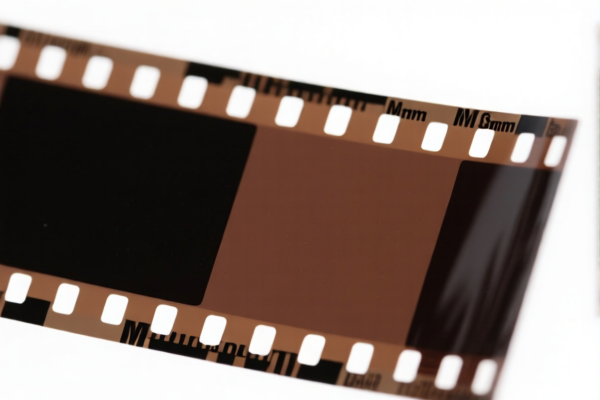
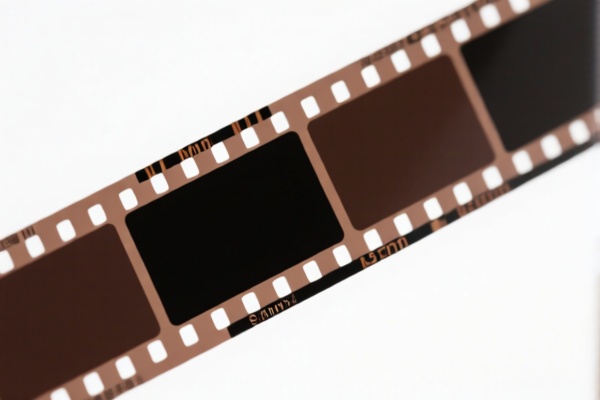
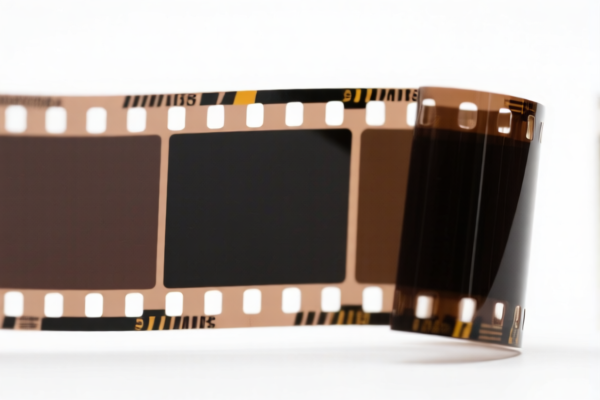
AI Analysis
🎞️ 35mm Positive Film (Slides/Reversal Film)
🌐 HS Code Reference & Clearance Guide | 2026 Latest Tariff Analysis | Professional Customs Strategy
📌 1. Product Definition & Classification: What is "35mm Positive Film"?
35mm Positive Film, also known as Reversal Film or Slide Film, is a type of photographic film that produces a direct positive image (transparency) upon development, rather than a negative. It is primarily used for: * Professional Photography: High-quality prints, publications, and archival purposes. * Projecting Slides: Traditional slide projectors (though declining, still niche). * Digital Scanning: The original source for high-resolution digital slides.
In international trade, classification depends on whether the film is unexposed (raw material) or exposed/processed (finished good), and its specific physical form (rolls vs. sheets).
⚠️ Key Distinction:
- Unexposed Raw Film: Classified under Chapter 37 (Photographic Film), typically 3702 (Unexposed photographic film) or 3706 (Exposed photographic film).
- Processed/Exposed Film: Often falls under 3706 if considered "processed," but many jurisdictions classify all 35mm film rolls initially under 3702 until proven otherwise, or specifically under 3706 if marketed as "ready-to-use" or "pre-loaded."
- Format: 35mm width is a critical differentiator from 120/110/medium format films.
📦 2. HS Code Classification Details (Based on Provided Data)
| HS Code | Product Description | Applicable Scenario | Key Characteristics |
|---|---|---|---|
| 3706.10.60.60 | 35mm Width Film (Unclassified Other) | Unexposed or unspecified state; generic 35mm rolls | ✅ Width ≥ 35mm; No specific use/material specified |
| 3706.10.60.90 | 35mm Width Film (Catch-all) | Unexposed; generic 35mm rolls; fallback category | ✅ Width ≥ 35mm; General purpose |
| 3702.54.00.30 | 35mm Unexposed Photographic Film | Unexposed raw film; standard 35mm rolls | ✅ Unexposed; Based on common sense for this width |
| 3702.53.00.30 | 35mm Unexposed Color Slide Film | Unexposed; material non-paper/non-textile | ✅ Color Reversal; specific material match |
| 3701.99.60.60 | 35mm Sensitized Film (Graphic Art) | Graphic arts; film plates; non-paper/non-textile | ✅ Non-photographic or Graphic Art use |
🔍 Critical Note:
- 3702 codes are for UNEXPOSED film.
- 3706 codes are for EXPOSED film.
- 3701 is for photographic plates and film for graphic arts (e.g.,制版 film), not consumer photography.
- If your 35mm film is consumer-grade photo film (unexposed), 3702.53.00.30 or 3702.54.00.30 are most likely correct.
- If it is industrial/scientific or graphic arts, 3701.99.60.60 may apply.
- If the state (exposed/unexposed) is unclear, customs may default to 3706.10.60.60/90.
💰 3. 2026 Latest Tariff Rate Breakdown (Including Surtaxes & Policies)
✅ Applicable Country: United States (US)
✅ Country of Origin: China (CN)
✅ Effective Date: From November 10, 2025 (for subsequent imports)
🎯 1. 3702.53.00.30 & 3702.54.00.30 – Unexposed 35mm Photographic Film (Color/Standard)
| Item | Content |
|---|---|
| Base Tariff Rate | 3.7% (ad valorem) |
| USITC Additional Tariff (Section 301) | +25% |
| IEEPA Additional Tariff (China-specific) | +10% |
| Total Tariff Rate | 38.7% |
| Tax Calculation | CIF Value × 38.7% |
| De Minimis Exemption | ❌ Not Eligible (deny_de_minimis) |
| Legal Path | USITC:3702.53.00.30 / 3702.54.00.30 → FOOTNOTE:9903.88.01 → IEEPA:9903.01.24 |
📌 Explanation:
- These codes apply to unexposed 35mm film, whether color or standard.
- The 3.7% base rate is standard for photographic film under HTSUS.
- Total 38.7% is significant for low-value consumer goods, impacting profitability.
🎯 2. 3706.10.60.60 & 3706.10.60.90 – 35mm Film (Unclassified/Exposed)
| Item | Content |
|---|---|
| Base Tariff Rate | 0.0% (ad valorem) |
| USITC Additional Tariff (Section 301) | +25% |
| IEEPA Additional Tariff (China-specific) | +10% |
| Total Tariff Rate | 35.0% |
| Tax Calculation | CIF Value × 35.0% |
| De Minimis Exemption | ❌ Not Eligible (deny_de_minimis) |
| Legal Path | USITC:3706.10.60.60 / 90 → FOOTNOTE:9903.88.01 → IEEPA:9903.01.24 |
📌 Explanation:
- These codes often serve as catch-all or exposed film categories.
- Base rate is 0%, but the 35% total is still high due to surtaxes.
- Use only if the film is exposed or unclear in state. Misclassification risks penalties.
🎯 3. 3701.99.60.60 – 35mm Sensitized Film (Graphic Art/Plates)
| Item | Content |
|---|---|
| Base Tariff Rate | 0.0% (ad valorem) |
| USITC Additional Tariff (Section 301) | +25% |
| IEEPA Additional Tariff (China-specific) | +10% |
| Total Tariff Rate | 35.0% |
| Tax Calculation | CIF Value × 35.0% |
| De Minimis Exemption | ❌ Not Eligible (deny_de_minimis) |
| Legal Path | USITC:3701.99.60.60 → FOOTNOTE:9903.88.01 → IEEPA:9903.01.24 |
📌 Explanation:
- Applies only if the film is for graphic arts, printing plates, or technical imaging, NOT consumer photography.
- Misusing this for consumer film will lead to customs seizure and fines.
🛠️ 4. Clearance Operational Advice (Practical Pitfall Guide)
✅ 1. Required Documentation Checklist (Non-negotiable)
| Document | Mandatory | Description |
|---|---|---|
| ✅ Product Specification Sheet | ✔️ | Must specify: Width (35mm), Type (Positive/Reversal), State (Exposed/Unexposed), Base Material (Cellulose Acetate/Polyester) |
| ✅ Declaration of Use | ✔️ | Clearly state: "For Consumer Photography" or "For Graphic Arts/Printing" |
| ✅ Product Photos (Label & Roll) | ✔️ | Show brand, model, box art, and format markings (e.g., "35mm," "Slide Film") |
| ✅ Safety Data Sheet (SDS) | ✔️ | If chemical emulsions are present, ensure compliance |
| ✅ Commercial Invoice | ✔️ | Item name: "35mm Positive Reversal Film, Unexposed" (do NOT use generic "Film") |
| ✅ Packing List | ✔️ | Quantity in rolls, weight, dimensions |
✅ 2. Classification Strategy (Key Tips)
🔥 “Know the State, Know the Code. Unexposed = 3702, Exposed = 3706.”
| Scenario | Correct HS Code | Incorrect Code | Risk |
|---|---|---|---|
| Unexposed 35mm Slide Film (e.g., Kodak Ektachrome) | 3702.53.00.30 or 3702.54.00.30 | 3706.10.60.60 | Higher base rate (3.7% vs 0%), but more accurate. Risk of penalty if misdeclared as exposed. |
| Exposed 35mm Slide Film (e.g., scanned slides) | 3706.10.60.60 or 90 | 3702.53.00.30 | Illegal misclassification. Exposed film is not raw material. |
| 35mm Film for Printing Plates | 3701.99.60.60 | 3702.53.00.30 | High Risk. Must prove non-photographic use. |
| Unclear State | 3706.10.60.90 | 3702.53.00.30 | Safe fallback, but 0% base rate may be challenged if unexposed. |
📌 Critical Advice:
- Most commercial shipments are unexposed consumer film. Use 3702 codes.
- Do NOT declare as "3706" to save the 3.7% base rate if it’s actually unexposed. Customs audits are strict on "value declaration" vs. "product state."
- 3701 is only for industrial/technical film. Consumer slides cannot use this.
✅ 3. Special Cases Handling
| Case | Recommendation |
|---|---|
| Mixed Shipment (Consumer + Industrial) | Separate Bills of Lading. Do not mix HS Codes in one line item. |
| OEM Branded Film | Provide Authorization Letter from manufacturer to prove origin and specs. |
| Bulk Wholesale vs. Retail | Same HS Code applies. Declaration should reflect commercial quantity. |
| Returned/Recycled Film | If exposed, classify as 3706. If unexposed but damaged, still 3702 (declared as "Damaged"). |
🌍 5. Global Market Comparison (2026)
| Country/Region | Recommended HS Code | Base Tariff | Total Tariff (China) | Notes |
|---|---|---|---|---|
| 🇺🇸 USA | 3702.53.00.30 / 3702.54.00.30 |
3.7% | 38.7% | High surtaxes apply. |
| 🇨🇳 China | 3702.53.00.00 |
5.0% | 5.0% | No surtaxes for imports into China. |
| 🇪🇺 EU | 3702.53.00 |
0.0% | 0.0% | No additional duties. |
| 🇬🇧 UK | 3702.53.00 |
0.0% | 0.0% | Post-Brexit alignment with EU. |
| 🇦🇺 Australia | 3702.53.00 |
5.0% | 5.0% | No US-style surtaxes. |
📌 Conclusion:
- USA is the most expensive market due to Section 301 and IEEPA tariffs.
- Cost Impact: A $100 shipment pays $38.70 in tariffs in the US vs. $5.00 in China/EU.
- Strategy: Consider transshipment (if eligible) or value engineering to mitigate US tariff impact.
📌 6. Common Errors & Pitfalls (Lessons Learned)
❌ Error 1: Declaring Unexposed Film as 3706 to get 0% base rate.
👉 Consequence: Customs audit → Back taxes (3.7%) + Penalties + Delay.
👉 Correct: Always declare 3702 for unexposed film.
❌ Error 2: Using 3701 for Consumer Slide Film.
👉 Consequence: Rejection at customs. 3701 is for graphic arts, not photos.
👉 Correct: Use 3702 for consumer photography film.
❌ Error 3: Vague Description: "Photographic Film."
👉 Consequence: Customs holds for inspection.
👉 Correct: Use "35mm Positive Reversal Film, Unexposed, for Consumer Photography."
✅ Best Practice Declaration:
"35mm Positive Reversal Photographic Film, Unexposed, Roll Format, Cellulose Acetate Base, for Consumer Photography, Brand [Name], Model [XYZ], Net Weight [X]kg, Quantity [X] Rolls."
🎯 7. Conclusion: Precision Classification for Cost Efficiency
🎯 Key Takeaways:
🔹 "Unexposed = 3702 (38.7% total), Exposed = 3706 (35% total)."
🔹 "Never mix consumer film with graphic arts codes (3701)."
🔹 "35mm width is critical for correct sub-classification."
📌 Pro Tip:
If your film is originating from Vietnam, India, or Thailand, you may qualify for lower or zero tariffs under FTAs (e.g., CPTPP, IPEF).
Request a Certificate of Origin to verify eligibility.
📣 Action Required:
📞 Verify HS Code with your freight forwarder.
📄 Prepare SDS & Product Specs.
🚀 Plan for 38.7% Tariff in US shipments.
✨ Accurate Classification = Lower Risk = Faster Clearance.
💼 Don’t let tariffs eat your margin!
Customer Reviews
About HS Code Classification
The Harmonized System (HS) is an internationally standardized nomenclature developed by the World Customs Organization (WCO) to classify traded products. Over 200 countries use the HS system as the basis for customs tariffs, trade statistics, and import/export regulations.
Each HS code follows a hierarchical structure:
- Chapter (2 digits) — Broad category of goods (e.g., Chapter 84: Machinery and Mechanical Appliances)
- Heading (4 digits) — More specific grouping within the chapter
- Subheading (6 digits) — Internationally standardized breakdown, used by all WCO member countries
- National subdivisions (8-10 digits) — Country-specific extensions for further classification, such as US HTSUS 10-digit codes
Correct HS code classification is essential for smooth customs clearance, accurate duty payment, and compliance with trade regulations. Misclassification can lead to customs delays, overpayment of duties, or penalties.
When importing from CN to US, the applicable tariff rates may include:
- Most-Favored-Nation (MFN) rate — The standard duty rate applied to WTO members
- General rate — Applied to countries without trade agreements
- Trade remedy duties — Additional tariffs such as Section 301 (anti-dumping), Section 232 (national security), or countervailing duties
The information provided on this page is for reference purposes only. For official classification, please consult with your local customs authority or a licensed customs broker.