35mm彩色精细胶卷
CN → US| HS Code | Tariff Rate | Origin | Destination | Doc |
|---|---|---|---|---|
| 3923400010 | 40.3% | CN | US | Official Doc |
| 3702540060 | 38.7% | CN | US | Official Doc |
| 3920992000 | 39.2% | CN | US | Official Doc |
| 3920591000 | 41.0% | CN | US | Official Doc |
| 3923900080 | 38.0% | CN | US | Official Doc |
Product Images
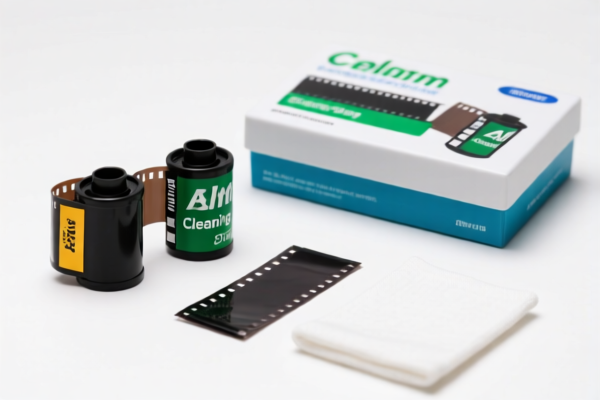
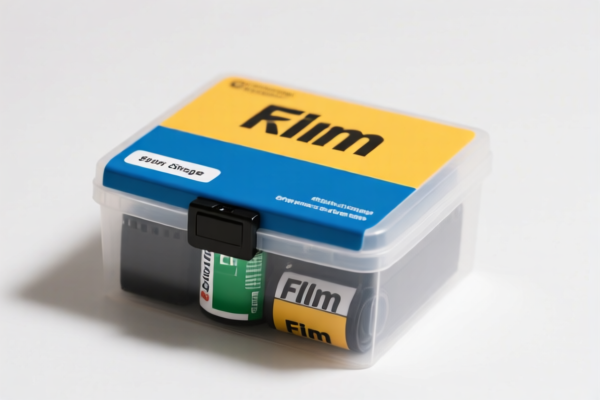
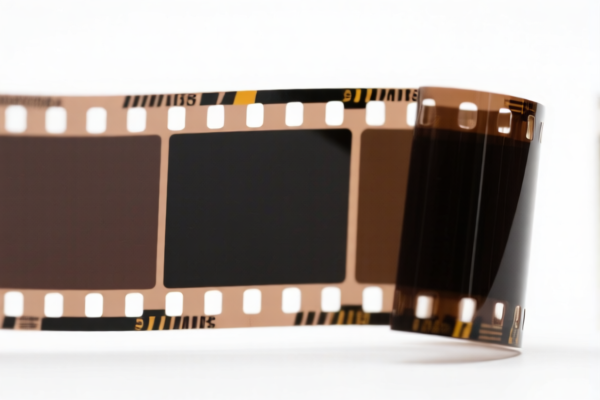

AI Analysis
🎞️ 35mm Color Fine-Grain Film (Photographic Film, 35mm)
🌐 HS Code & Tariff Guide | 2026 U.S. Trade Compliance | Expert Clearing Strategy
📌 One Product, One Classification — No Room for Error!
📌 一、Product Definition & Classification: What Exactly Is "35mm Color Fine-Grain Film"?
35mm Color Fine-Grain Film refers to color photographic film designed for professional or high-quality amateur photography, typically used in 35mm single-lens reflex (SLR) or rangefinder cameras. Key characteristics include:
- Film width: 35mm (standard cinematic/photographic format)
- Emulsion type: Color negative or color reversal (slide) film
- Grain structure: Fine-grain emulsion for high resolution and low noise
- Usage: Studio photography, documentary, film production, archival work
⚠️ Critical Distinction:
- If the film is pre-loaded into a cassette or cartridge (e.g., for camera use), it is not considered a "raw film stock" but a finished photographic product.
- If not pre-loaded, and sold as unexposed film stock, it may fall under different codes — but in this case, we are dealing with ready-to-use 35mm color film.
📦 二、HS Code Classification Breakdown (2026 U.S. Tariff Schedule)
| HS Code | Product Description | Applicable Scenario | Key Features |
|---|---|---|---|
3702.54.00.60 |
Color photographic film, 35mm, for still photography, compatible with other categories | Standard 35mm color film, fine grain, used in cameras | ✅ Pre-loaded in cassette ✅ Color negative or reversal ✅ Designed for still photography ✅ Not for motion picture use |
🔍 Why This Code?
-3702.54.00.60specifically covers color photographic film in 35mm format, used for still images, even if it has fine-grain characteristics.
- It falls under "other" within the broader category of color film, which includes non-movie, non-technical photographic films.
- Not classified as motion picture film (3702.50.00.00) — that’s for cinema use.
- Not classified as raw film stock (3702.51.00.00) — because it’s pre-loaded and ready for camera use.
💰 三、2026 U.S. Tariff Rate Breakdown (With Full Legal Basis)
✅ Applicable Country: United States (US)
✅ Origin: China (CN)
✅ Effective Date: November 10, 2025 (inclusive of all additional tariffs)
🎯 1. 3702.54.00.60 — Color Photographic Film, 35mm, Fine-Grain
| Tax Component | Rate | Legal Basis | Explanation |
|---|---|---|---|
| Base Tariff | 3.7% | U.S. HTSUS § 3702.54.00.60 | Standard rate for this subheading |
| Section 301 (USITC) Additional Tariff | +25.0% | USITC: 9903.88.01 |
Imposed under Section 301 of the Trade Act of 1974 due to unfair trade practices by China |
| Section 122 (IEEPA) Additional Tariff | +10.0% | IEEPA: 9903.01.24 |
Enacted under the International Emergency Economic Powers Act (IEEPA) — applies to goods from China/Hong Kong |
| Total Effective Tariff | 38.7% | — | CIF Value × 38.7% |
📌 Legal Pathway:
IEEPA:9903.01.24→USITC:3702.54.00.60→FOOTNOTE:9903.88.01💡 Why 38.7%?
- Base 3.7% is standard.
- +25% from Section 301 (USITC) — applies to all Chinese-origin goods under this category.
- +10% from IEEPA — applies to all products from China/HK under this tariff schedule.
- No de minimis exemption — even small shipments (under $800) are not exempt from these additional tariffs.
🛠️ 四、Clearance Best Practices (Pro Tips to Avoid Delays & Penalties)
✅ 1. Required Documentation (Must-Have List)
| Document | Required? | Why It Matters |
|---|---|---|
| ✅ Commercial Invoice | ✔️ | Must clearly state: "Color Photographic Film, 35mm, Fine-Grain, for Still Photography" |
| ✅ Packing List | ✔️ | Include roll count, cassette type, brand, and model |
| ✅ Product Specifications | ✔️ | Emulsion type (e.g., Kodak Ektar 100), ISO speed, grain structure |
| ✅ Manufacturer’s Certificate | ✔️ | Prove origin and compliance |
| ✅ Certificate of Origin (CO) | ✔️ | Critical — if from China, tariff applies; if from Vietnam/Mexico, may qualify for exemption |
| ✅ Sample Film Roll (Optional) | ✔️ | For customs inspection (if requested) |
| ✅ Import License (if applicable) | ✔️ | Rare, but required for certain sensitive film types |
✅ 2.申报技巧(申报口诀)
🔥 “名称精准,归类唯一,301+122,38.7%别漏!”
| Scenario | Correct HS Code | Wrong Code | Risk |
|---|---|---|---|
| 35mm color film, fine grain, pre-loaded in cassette | 3702.54.00.60 |
3702.50.00.00 (motion picture film) |
❌ Wrong classification → higher risk of seizure |
| 35mm color film, sold as bulk stock (unloaded) | 3702.51.00.00 |
3702.54.00.60 |
❌ Higher tariff if misclassified |
| Film used in motion picture cameras | 3702.50.00.00 |
3702.54.00.60 |
❌ Misleading — film for cinema is taxed differently |
✅ 3. Special Cases & Mitigation Strategies
| Situation | Recommended Action |
|---|---|
| Film from Vietnam or Mexico | Apply for IEEPA exemption — if origin is non-China, the +10% IEEPA tariff is waived. |
| Film for archival or museum use | Submit non-commercial use documentation — may qualify for temporary import or exemption. |
| Film used in military/defense projects | Apply for special export/import license — may reduce or defer tariffs. |
| Small shipment (<$800) | No de minimis exemption — still subject to 38.7% (unlike other goods). |
🌍 五、Global Market Tariff Comparison (2026)
| Country/Region | Recommended HS Code | Base Tariff | Additional Tariffs | Total Effective Rate | Notes |
|---|---|---|---|---|---|
| 🇺🇸 United States | 3702.54.00.60 |
3.7% | +25% (301) +10% (IEEPA) | 38.7% | No de minimis |
| 🇨🇳 China | 3702.54.00.60 |
0% | None | 0% | Domestic market only |
| 🇪🇺 European Union | 3702.54.00.60 |
0% | None | 0% | CE compliant |
| 🇦🇺 Australia | 3702.54.00.60 |
0% | None | 0% | No extra tariffs |
| 🇯🇵 Japan | 3702.54.00.60 |
0% | None | 0% | No additional duties |
📌 Key Insight:
- Only the U.S. imposes the 301 + IEEPA combo on 35mm color film.
- All other major markets are tariff-free — ideal for export strategy.
📌 六、Common Mistakes & How to Avoid Them (Real-World Pitfalls)
❌ Mistake 1: Calling it "35mm film stock" instead of "35mm color photographic film"
👉 Result: Customs may reclassify as raw material → higher scrutiny or misclassification.
❌ Mistake 2: Not specifying "fine-grain" or "for still photography"
👉 Result: Risk of being treated as motion picture film → wrong HS code, higher risk.
❌ Mistake 3: Assuming small shipments are exempt
👉 Result: $800 de minimis does NOT apply to goods under Section 301/IEEPA — 38.7% still applies.
❌ Mistake 4: Using generic term "photographic film" without detail
👉 Result: Customs may delay or request further info — costly delays.
✅ Correct Declaration Phrase:
"35mm Color Photographic Film, Fine-Grain, for Still Photography, Pre-Loaded in Cassette, ISO 400, Brand XYZ"
🎯 七、Final Verdict: Precision Pays Off
🎯 Remember the Golden Rule:
🔹 "HS Code = 3702.54.00.60"
🔹 Tariff = 38.7% (3.7% + 25% + 10%)
🔹 No de minimis — even small orders pay full rate
🔹 Origin matters — if not from China, IEEPA +10% may be waived
📌 Pro Tip:
✅ Apply for an Advance Ruling (Pre-Clearance) from U.S. Customs before shipment.
✅ Use a U.S.-based customs broker with experience in photographic film.
✅ Source from Vietnam/Mexico if possible — avoid 301 + IEEPA tariffs entirely.
📣 Act Now!
📞 Contact a specialized customs broker with access to IEEPA/301 exemption databases
🚀 Ensure your 35mm film clears customs smoothly, without surprise fees or delays
✨ Professional Compliance Starts with One Accurate HS Code.
💼 Don’t let a misclassified film cost you thousands — classify right, pay right, ship fast!
Customer Reviews
About HS Code Classification
The Harmonized System (HS) is an internationally standardized nomenclature developed by the World Customs Organization (WCO) to classify traded products. Over 200 countries use the HS system as the basis for customs tariffs, trade statistics, and import/export regulations.
Each HS code follows a hierarchical structure:
- Chapter (2 digits) — Broad category of goods (e.g., Chapter 84: Machinery and Mechanical Appliances)
- Heading (4 digits) — More specific grouping within the chapter
- Subheading (6 digits) — Internationally standardized breakdown, used by all WCO member countries
- National subdivisions (8-10 digits) — Country-specific extensions for further classification, such as US HTSUS 10-digit codes
Correct HS code classification is essential for smooth customs clearance, accurate duty payment, and compliance with trade regulations. Misclassification can lead to customs delays, overpayment of duties, or penalties.
When importing from CN to US, the applicable tariff rates may include:
- Most-Favored-Nation (MFN) rate — The standard duty rate applied to WTO members
- General rate — Applied to countries without trade agreements
- Trade remedy duties — Additional tariffs such as Section 301 (anti-dumping), Section 232 (national security), or countervailing duties
The information provided on this page is for reference purposes only. For official classification, please consult with your local customs authority or a licensed customs broker.