3D Brick Texture Wall Panel
CN → US| HS Code | Tariff Rate | Origin | Destination | Doc |
|---|---|---|---|---|
| 6811820000 | 35.0% | CN | US | Official Doc |
| 6810191400 | 44.0% | CN | US | Official Doc |
| 3925305000 | 22.8% | CN | US | Official Doc |
| 3925900000 | 40.3% | CN | US | Official Doc |
| 6810191200 | 39.9% | CN | US | Official Doc |
Product Images
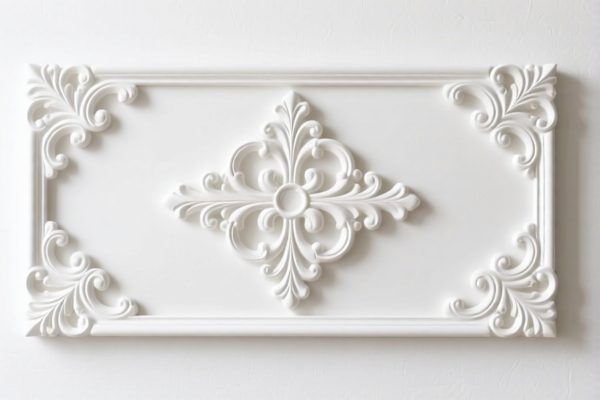
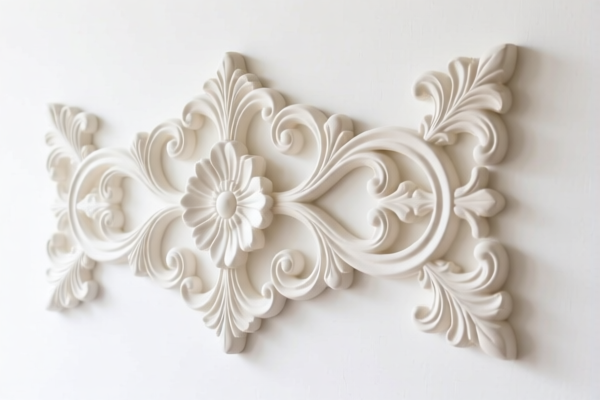
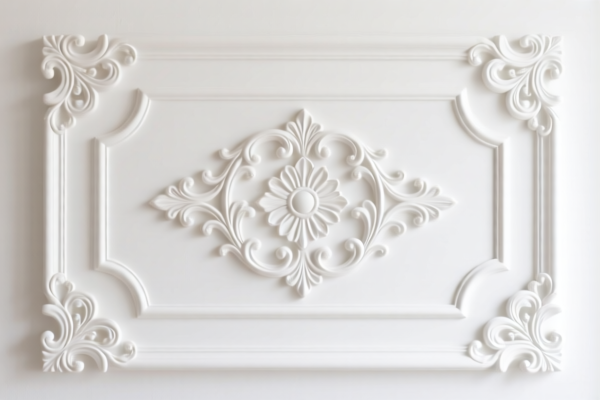
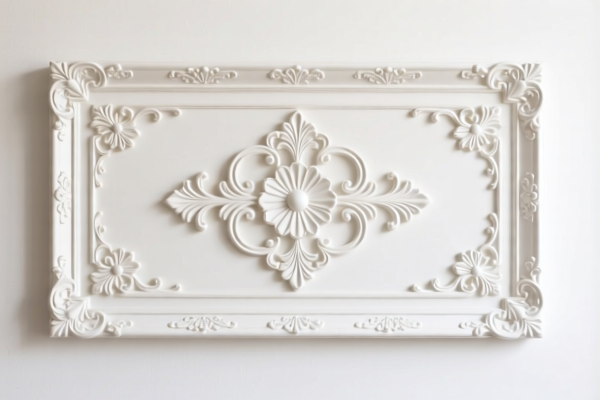
AI Analysis
🧱 3D Brick Texture Wall Panel (Decorative Wall Panels)
🌐 HS Code Reference & Customs Clearance Guide | 2026 Latest Tariff Analysis | Professional Customs Strategy
📌 I. Product Definition & Classification: What Exactly Is a "Wall Panel"?
A 3D Brick Texture Wall Panel is a decorative architectural component designed to mimic the appearance of brick or stone for interior or exterior wall finishing. In international trade, classification depends entirely on the core material and binding agent, not just the visual "brick" texture.
These panels generally fall into three main categories: 1. Stone-based (Non-Cement): Natural stone or engineered stone bonded with non-cement adhesives. 2. Fiber Cement/Lime: Compressed sheets containing cellulose fibers and cement (asbestos-free). 3. Plastic/Polymer: PVC, PE, or other synthetic polymers molded into brick shapes.
⚠️ Key Distinction Point:
- If the panel is rigid, heavy, and stone-like but bound with non-cement resins → HS 6810.19.12.00
- If the panel is a sheet/board made of fiber-cement (like siding or cladding) → HS 6811.82.00.00
- If the panel is plastic (PVC/Plasterboard substitute) → HS 3925.30.50.00
- If the panel is specifically a ceramic/stoneware tile for walls/floors → HS 6810.19.14.00
📦 II. HS Code Classification Details (2026 Latest Tariff Authority Reference)
| HS Code | Product Description | Material Inference | Application Scenario |
|---|---|---|---|
6810.19.12.00 |
Wall panel形态,符合墙砖用途,材质推断为非水泥粘合剂胶结的石材制品 | Non-cement bonded stone/stone-like | Natural stone veneer, engineered stone panels, decorative stone cladding |
6811.82.00.00 |
Wall panel形态,材质推断为不含石棉的纤维水泥或类似材料制品 | Asbestos-free fiber cement | Cementitious siding, fiber cement boards, rigid cement-based decorative panels |
6810.19.14.00 |
砖纹与墙面装饰用途,符合地面及墙面瓷砖分类,材质为人造石或水泥基复合材料 | Ceramic/Stoneware or Cement-based composite | Ceramic tiles, porcelain tiles, stoneware bricks for walls/floors |
3925.30.50.00 |
建筑装饰附件,材质推断为塑料(如PVC或聚合物),形态为墙板 | Plastic (PVC/Polymer) | PVC wall panels, polymer-based 3D decorative panels, lightweight synthetic siding |
🔍 Key Reminder:
- "3D Brick Texture" alone is not enough for classification. Customs will inspect the binding agent. - If it is ceramic/porcelain, it usually goes to 6810.19.14.00 (higher base tariff). - If it is plastic (PVC), it goes to 3925.30.50.00 (lower tariff). - If it is stone-based but not ceramic, it goes to 6810.19.12.00.
💰 III. 2026 Latest Tariff Rate Breakdown (Including Surtaxes, Policy Add-ons)
✅ Applicable Country: United States (US)
✅ Country of Origin: China (CN)
✅ Effective Date: From November 10, 2025 (including subsequent imports)
🎯 1. 6810.19.12.00 —— Stone-Based Wall Panels (Non-Cement Bonded)
| Item | Content |
|---|---|
| Base Tariff | 4.9% (ad valorem) |
| Section 301 Surtax | +25% |
| Section 122 Tariff | +10% (Specific to China-origin goods under IEEPA provisions) |
| Total Tariff | 39.9% |
| Tax Calculation | CIF Value × 39.9% |
| De Minimis Eligibility | ❌ No (deny_de_minimis) |
| Legal Basis Path | Base: 4.9% → Section 301: +25% → Section 122: +10% |
📌 Explanation:
- "Base 4.9%" is the standard Most Favored Nation (MFN) rate for stone products not elsewhere specified. - "Section 301 +25%" applies to all Chinese stone/ceramic/brick products under List 4A. - "Section 122 +10%" is an additional surcharge applied to specific Chinese goods, bringing the total to nearly 40%. - This is a HIGH tariff category. Cost control is critical.
🎯 2. 6811.82.00.00 —— Fiber Cement Wall Panels (Asbestos-Free)
| Item | Content |
|---|---|
| Base Tariff | 0.0% (ad valorem) |
| Section 301 Surtax | +25% |
| Section 122 Tariff | +10% |
| Total Tariff | 35.0% |
| Tax Calculation | CIF Value × 35.0% |
| De Minimis Eligibility | ❌ No (deny_de_minimis) |
| Legal Basis Path | Base: 0.0% → Section 301: +25% → Section 122: +10% |
📌 Note:
- The base rate is 0%, making this the most tariff-efficient option among stone/cement categories. - If your product is made of fiber cement (e.g., HardieBoard style), use this code to save 4.9% compared to stone-based panels. - However, the total 35% is still significant due to surtaxes.
🎯 3. 6810.19.14.00 —— Ceramic/Stone Tiles (Wall/Floor)
| Item | Content |
|---|---|
| Base Tariff | 9.0% (ad valorem) |
| Section 301 Surtax | +25% |
| Section 122 Tariff | +10% |
| Total Tariff | 44.0% |
| Tax Calculation | CIF Value × 44.0% |
| De Minimis Eligibility | ❌ No (deny_de_minimis) |
| Legal Basis Path | Base: 9.0% → Section 301: +25% → Section 122: +10% |
📌 Warning:
- This is the highest tax category in the provided data. - If your "3D brick panel" is actually a ceramic tile or porcelain slab, it will be taxed at 44%. - Do not misdeclare ceramic tiles as "stone panels" to avoid this. Customs inspections will check for ceramic characteristics (glaze, firing process).
🎯 4. 3925.30.50.00 —— Plastic Wall Panels (PVC/Polymer)
| Item | Content |
|---|---|
| Base Tariff | 5.3% (ad valorem) |
| Section 301 Surtax | +7.5% |
| Section 122 Tariff | +10% |
| Total Tariff | 22.8% |
| Tax Calculation | CIF Value × 22.8% |
| De Minimis Eligibility | ❌ No (deny_de_minimis) |
| Legal Basis Path | Base: 5.3% → Section 301: +7.5% → Section 122: +10% |
📌 Opportunity:
- This is the LOWEST tax category at 22.8%. - If your product is made of PVC, PE, or other plastics with a brick texture, classify it here. - Ensure the product is not classified as "ceramic" or "stone" despite its appearance. - Strategy: If possible, use plastic-based materials to reduce tariff burden significantly.
🛠️ IV. Customs Clearance Practical Advice (Battle-Tested Pitfall Guide)
✅ 1. Documentation Checklist (Mandatory)
| Document | Must Provide | Description |
|---|---|---|
| ✅ Product Specification Sheet | ✔️ | Includes material composition (e.g., "PVC Resin 90%, Fillers 10%"), dimensions, weight |
| ✅ Material Safety Data Sheet (MSDS) | ✔️ | Crucial for fiber cement or chemical-based panels |
| ✅ Product Photos (Labeled) | ✔️ | Clear shots of front, back, edge (to show material thickness/composition) |
| ✅ Certificate of Origin | ✔️ | For determining eligibility for any potential exemptions (though currently limited for China) |
| ✅ Commercial Invoice | ✔️ | Clearly state "Decorative Wall Panel, Material: [Specify: PVC/Ceramic/Fiber Cement]" |
| ✅ Packing List | ✔️ | Detail net/gross weight, packaging type |
✅ 2. Declaration Tips (Key Mantras)
🔥 “Material Dictates Code, Appearance Deceives, Be Precise, Save Money!”
| Scenario | Correct Declaration | Wrong Practice |
|---|---|---|
| PVC Panel with Brick Texture | 3925.30.50.00 |
Misdeclare as "Stone Panel" → 39.9% |
| Fiber Cement Board | 6811.82.00.00 |
Misdeclare as "Plastic" → 35% (higher than 22.8%) |
| Ceramic Tile with 3D Texture | 6810.19.14.00 |
Misdeclare as "Stone" → 44% |
| Natural Stone Veneer | 6810.19.12.00 |
Misdeclare as "Ceramic" → 44% |
✅ 3. Special Situation Handling
| Situation | Handling Advice |
|---|---|
| Composite Panels (e.g., Aluminum + Stone) | Check if the stone layer is >50% by weight/value. If so, it may still be 6810.19.12.00. Consult customs broker for "essential character" determination. |
| "Asbestos-Free" Claim | For 6811.82.00.00, provide a laboratory report confirming asbestos content is 0%. Failure to do so may result in rejection or misclassification. |
| Plastic Panels with Stone Fillers | If the binding agent is plastic (PVC/PE), use 3925.30.50.00. Do not let the "stone-like appearance" mislead the classifier. |
| Import from Non-China Origins | If the product is made in Vietnam, Mexico, or Thailand, Section 301 surtaxes may not apply. Check USITC rulings for country-specific exemptions. |
🌍 V. Global Market Comparison (2026 Latest)
| Country/Region | Recommended HS Code | Tariff (China Origin) | Certification Required | Notes |
|---|---|---|---|---|
| 🇺🇸 USA | 3925.30.50.00 (Plastic) |
22.8% | No major certs | Lowest US Tariff |
| 🇺🇸 USA | 6810.19.12.00 (Stone) |
39.9% | No major certs | High tax |
| 🇺🇸 USA | 6810.19.14.00 (Ceramic) |
44.0% | No major certs | Highest tax |
| 🇨🇳 China | 3925.30.50.00 |
5.3% | CCC (if applicable) | Low domestic tax |
| 🇪🇺 EU | 3925.30.50.00 |
0-4% | CE Mark | No Section 301 |
| 🇯🇵 Japan | 3925.30.50.00 |
0-5% | PSE (if electrical) | Low tax |
📌 Conclusion:
- Plastic-based panels (3925.30.50.00) offer the best tariff advantage for US imports. - Ceramic/Stone panels face heavy tariffs (39.9%–44.0%) due to Section 301 and Section 122. - If your product is fiber cement, it sits in the middle at 35.0%.
📌 VI. Common Mistakes & Pitfall Guide (Lessons Learned)
❌ Mistake 1: Declaring PVC panels as "Stone Panels"
👉 Consequence: Tariff jumps from 22.8% to 39.9% → Loss of 17.1% profit margin!
❌ Mistake 2: Declaring Ceramic Tiles as "Fiber Cement"
👉 Consequence: Tariff drops from 44.0% to 35.0%, but risk of fraud investigation if material test fails. High risk.
❌ Mistake 3: Ignoring "Section 122" Tariff
👉 Consequence: Forgetting to declare the 10% surcharge → Customs penalty + Back taxes.
❌ Mistake 4: Using "Wall Panel" as a generic description without material specification
👉 Consequence: Customs will classify based on highest possible tariff (e.g., Ceramic at 44%) → Unexpected high costs.
✅ Correct Approach:
"Decorative Wall Panel, 3D Brick Texture, Material: 100% PVC, Size: 12x24 inches, Model: XYZ, Intended for Interior Wall Cladding"
🎯 VII. Conclusion: Professional Declaration, Save Time, Reduce Costs!
🎯 Remember the Mantra:
🔹 "Plastic wins with 22.8%, Stone pays 39.9%, Ceramic bleeds 44.0%!"
🔹 "Material is King, Appearance is Deceiving, Declare Accurately, Save Dollars!"
📌 Pro Tip:
If your product is plastic-based, ensure it is not classified as "construction machinery parts" or "other plastics" which might have different surtax rules.
If you are importing from Vietnam or Mexico, investigate USMCA or de minimis exemptions (if applicable for low-value shipments), as Section 301 may not apply.
📣 Immediate Action:
📞 Contact a licensed customs broker
📸 Provide high-res photos + material composition
🚀 Secure your HS Code ruling before shipment!
✨ Professional Customs Clearance Starts with Accurate Classification!
💼 Every Percent of Tax Saved is Pure Profit!
Customer Reviews
About HS Code Classification
The Harmonized System (HS) is an internationally standardized nomenclature developed by the World Customs Organization (WCO) to classify traded products. Over 200 countries use the HS system as the basis for customs tariffs, trade statistics, and import/export regulations.
Each HS code follows a hierarchical structure:
- Chapter (2 digits) — Broad category of goods (e.g., Chapter 84: Machinery and Mechanical Appliances)
- Heading (4 digits) — More specific grouping within the chapter
- Subheading (6 digits) — Internationally standardized breakdown, used by all WCO member countries
- National subdivisions (8-10 digits) — Country-specific extensions for further classification, such as US HTSUS 10-digit codes
Correct HS code classification is essential for smooth customs clearance, accurate duty payment, and compliance with trade regulations. Misclassification can lead to customs delays, overpayment of duties, or penalties.
When importing from CN to US, the applicable tariff rates may include:
- Most-Favored-Nation (MFN) rate — The standard duty rate applied to WTO members
- General rate — Applied to countries without trade agreements
- Trade remedy duties — Additional tariffs such as Section 301 (anti-dumping), Section 232 (national security), or countervailing duties
The information provided on this page is for reference purposes only. For official classification, please consult with your local customs authority or a licensed customs broker.