4 Black Lounge Chair Elastic Straps
CN → US| HS Code | Tariff Rate | Origin | Destination | Doc |
|---|---|---|---|---|
| 3926909905 | 22.8% | CN | US | Official Doc |
| 5604909000 | 40.0% | CN | US | Official Doc |
| 5604100000 | 41.3% | CN | US | Official Doc |
| 9403999040 | 85.0% | CN | US | Official Doc |
| 5604909000 | 40.0% | CN | US | Official Doc |
Product Images
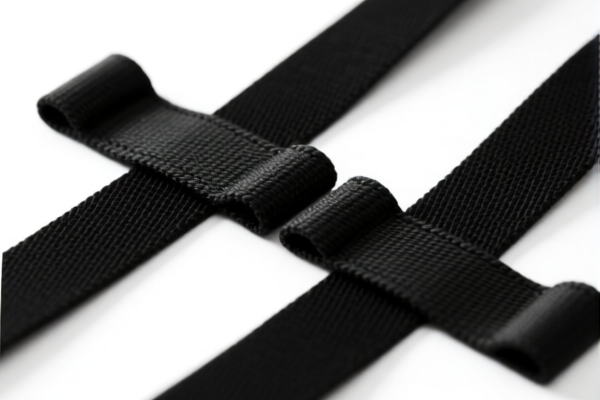
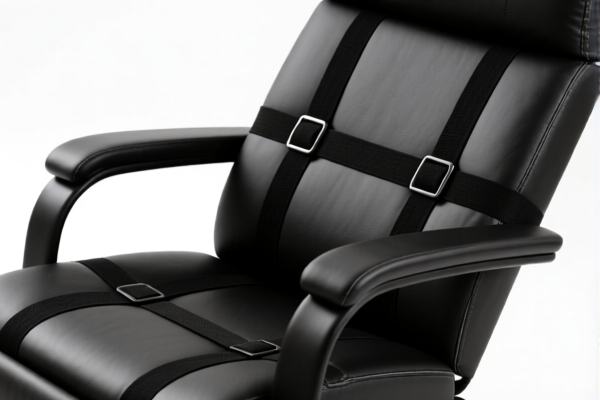
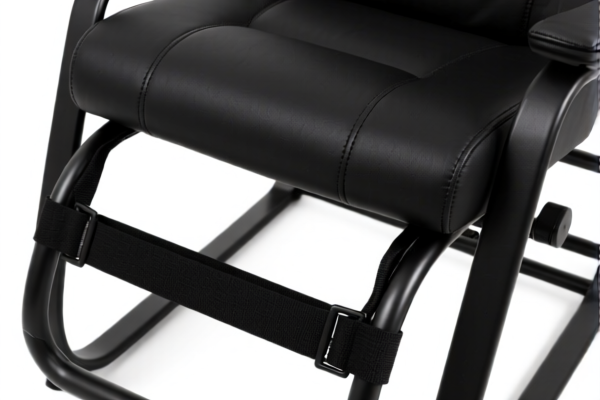
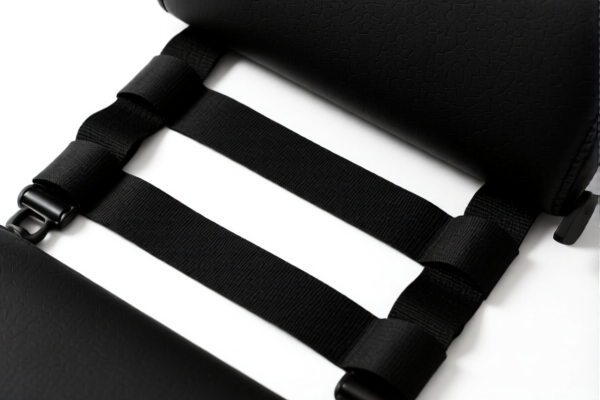
AI Analysis
🪑 4 Black Lounge Chair Elastic Straps (休闲椅黑色弹性带)
🌐 HS Code Reference & Customs Clearance Guide | 2026 Latest Tariff Analysis | Professional Customs Strategy
📌 I. Product Definition & Classification: What Are "Lounge Chair Elastic Straps"?
Black lounge chair elastic straps are critical structural components used in the manufacturing or repair of outdoor and indoor lounge chairs. They consist of flexible webbing, rubberized cords, or textile-covered springs designed to provide tension and support for the chair’s seating surface.
In international trade, these items are classified based on their primary material composition and functional state:
1. Pure Plastic/Elastic Webbing: If the strap is made entirely of plastic polymers (e.g., polypropylene, nylon) without textile or rubber cores.
2. Textile/Rubber Composite: If the strap consists of textile materials covered with rubber or containing rubber threads (common in high-resilience outdoor furniture).
3. Furniture Parts: If the item is specifically identified as a "part of furniture" and does not fit the specific definitions of raw elastic materials.
⚠️ Critical Distinction:
- If it is a raw elastic band/webbing → Classify under Chapter 39 (Plastics) or Chapter 56 (Textile/Rubber).
- If it is a finished assembly/clip-integrated part specifically for chairs → Classify under 9403.99.90.40 (Parts of Furniture).
- Misclassification Risk: Declaring finished parts as raw materials to lower duties is a common customs violation.
📦 II. HS Code Classification Matrix (2026 Latest Tariff Authority)
Based on the provided data, here are the four potential HS Codes and their specific tax implications:
| HS Code | Product Description (Summary) | Material Composition | Primary Use |
|---|---|---|---|
| 3926.90.99.05 | All-plastic elastic bands for lounge chair accessories | 100% Plastic | Plastic webbing, straps without textile/rubber core |
| 5604.90.90.00 | Rubber-coated textile cords/strings for chair elastic straps | Textile + Rubber Coating | Covered textile cords, general rubberized threads |
| 5604.10.00.00 | Textile-covered rubber cords for lounge chair elastic straps | Textile + Rubber Core | Rubber threads with textile covering (high resilience) |
| 9403.99.90.40 | Other furniture and parts (for lounge chair elastic straps) | Any / Finished Part | Specific parts of furniture, often integrated with clips/hooks |
🔍 Key Insight:
- Ch 39 (Plastic) has the lowest total tax due to lower base rates.
- Ch 56 (Textile/Rubber) incurs significant additional tariffs due to higher base rates and Section 301/122 clause add-ons.
- Ch 94 (Furniture Parts) has a base rate of 0%, but attracts massive Section 301/122 surcharges, leading to the highest total tax.
💰 III. 2026 Latest Tariff Rate Breakdown (Including Surcharges & Policy Add-ons)
✅ Applicable Country: United States (US)
✅ Origin: China (CN)
✅ Effective Date: Current trade restrictions (Section 301 & 122 Clauses)
🎯 1. 3926.90.99.05 —— All-Plastic Elastic Bands (Best Cost Efficiency)
| Item | Details |
|---|---|
| Base Tariff | 5.3% |
| Section 301 Surcharge | 7.5% |
| Section 122 Surcharge | 10% |
| Total Tax Rate | 22.8% |
| Tax Calculation | CIF Value × 22.8% |
| Legal Path | HTSUS:3926.90.99 → Sec301:5.3% → Sec122:10% |
📌 Explanation:
- This is the most cost-effective classification IF the product is genuinely made of 100% plastic.
- Base rate is low (5.3%), and while surcharges apply, the total remains significantly lower than textile-based options.
🎯 2. 5604.90.90.00 —— Rubber-Coated Textile Cords
| Item | Details |
|---|---|
| Base Tariff | 5.0% |
| Section 301 Surcharge | 25.0% |
| Section 122 Surcharge | 10% |
| Total Tax Rate | 40.0% |
| Tax Calculation | CIF Value × 40.0% |
| Legal Path | HTSUS:5604.90.90 → Sec301:25% → Sec122:10% |
📌 Explanation:
- Higher base rate than plastic, plus a hefty 25% Section 301 tariff.
- Applicable if the strap contains textile fibers with a rubber coating but is not a "rubber thread" per se.
🎯 3. 5604.10.00.00 —— Textile-Covered Rubber Cords
| Item | Details |
|---|---|
| Base Tariff | 6.3% |
| Section 301 Surcharge | 25.0% |
| Section 122 Surcharge | 10% |
| Total Tax Rate | 41.3% |
| Tax Calculation | CIF Value × 41.3% |
| Legal Path | HTSUS:5604.10.00 → Sec301:25% → Sec122:10% |
📌 Explanation:
- Highest base rate (6.3%) among the material-based codes.
- Often applied to high-quality outdoor furniture straps that are specifically "rubber threads covered with textile."
- Total 41.3% makes this the most expensive material-based option.
🎯 4. 9403.99.90.40 —— Parts of Furniture (High Risk/High Cost)
| Item | Details |
|---|---|
| Base Tariff | 0.0% |
| Section 301 Surcharge | 25.0% |
| Section 122 Surcharge | 10% |
| Steel/Aluminum/Copper Surcharge | +50% (If applicable) |
| Total Tax Rate | 85.0% (Standard) |
| Tax Calculation | CIF Value × 85.0% |
| Legal Path | HTSUS:9403.99.90 → Sec301:25% → Sec122:10% |
📌 Explanation:
- Although the base duty is 0%, the Section 301 (25%) and 122 (10%) surcharges, combined with potential metal surcharges (50%) if clips/hooks are metal, result in an astronomical 85% tax.
- Only use this code if the item is legally defined as a "part of furniture" under US Customs definitions and cannot be classified as raw elastic material.
- ⚠️ Warning: Many importers try to use this to avoid 301 tariffs on textiles, but customs often rejects this if the item is clearly a generic elastic strap.
🛠️ IV. Customs Clearance Practical Advice (Avoiding Pitfalls)
✅ 1. Material Verification is Key
| Material Check | Recommended HS Code | Reason |
|---|---|---|
| 100% Plastic Webbing | 3926.90.99.05 |
Lowest tax (22.8%). Prove no textile/rubber core. |
| Textile + Rubber Coating | 5604.90.90.00 |
Middle tax (40.0%). Common for basic elastic bands. |
| Rubber Thread + Textile Cover | 5604.10.00.00 |
High tax (41.3%). Premium outdoor furniture straps. |
| Finished Part with Metal Clips | 9403.99.90.40 |
Highest tax (85.0%). Avoid unless strictly necessary. |
🔥 Pro Tip:
If your elastic straps have metal springs or metal clips attached, customs may view them as "parts of furniture" (9403) or add the 50% metal surcharge to other codes. Ensure you separate components if possible or declare the primary material accurately.
✅ 2. Documentation Checklist
| Document | Requirement | Purpose |
|---|---|---|
| Product Specification Sheet | Must detail material composition (e.g., "Polypropylene webbing," "Rubber core covered with polyester") | Justifies HS Code selection |
| Material Test Report | From a third-party lab (e.g., SGS, Intertek) | Proves "100% Plastic" for 3926 classification |
| Commercial Invoice | Clearly state "Elastic Straps for Lounge Chairs" | Avoids ambiguity that leads to 9403 |
| Photos of Product | Show cross-section of strap | Visual proof of material layers |
| Origin Certificate | If applicable | For any potential FTZ benefits (rare for China origin) |
✅ 3. Strategic Classification Advice
🚫 Avoid 9403.99.90.40 if possible
- Why? 85% tax is prohibitive.
- Exception: Only use if the item is a custom-engineered part specifically for a unique chair design and cannot be sold as generic elastic.
- Risk: Customs may reclassify generic straps as
5604anyway, leading to penalties.
✅ Opt for 3926.90.99.05 if material allows
- Why? 22.8% is significantly lower than 40-85%.
- Action: Ensure the supplier confirms the strap is plastic-based (e.g., nylon, polypropylene) without rubber or textile cores.
⚖️ If Rubber/Textile is Unavoidable
- Choose between
5604.90.90.00(40%) and5604.10.00.00(41.3%) based on exact construction. 5604.90.90.00is slightly cheaper if the rubber is a coating rather than a core.
🌍 V. Global Market Comparison (2026)
| Market | Recommended HS Code | Est. Total Tax (China Origin) | Notes |
|---|---|---|---|
| 🇺🇸 USA | 3926.90.99.05 |
22.8% | Best option if plastic. |
| 🇪🇺 EU | 3926.90 | ~5-7% | No Section 301/122. Standard EU duties. |
| 🇨🇳 China | 3926.90 | ~5% | Low import duty for raw materials. |
| 🇬🇧 UK | 3926.90 | ~5-8% | Post-Brexit tariffs similar to EU. |
📌 Conclusion:
The US market is highly punitive due to Section 301 and 122 tariffs.
- Plastic straps (3926) are the most viable for cost control.
- Furniture parts (9403) are a tax trap (85%).
- Textile/Rubber straps (5604) are in the middle but still costly (40%+).
📌 VI. Common Mistakes & Pitfalls (Blood Lessons)
❌ Mistake 1: Declaring "Plastic Straps" when they contain rubber cores.
👉 Consequence: Customs audits will reclassify to 5604 → Back taxes + penalties (22.8% → 41.3%).
❌ Mistake 2: Declaring "Furniture Parts" (9403) to avoid material duties.
👉 Consequence: 85% tax! Much higher than 5604. Only use if truly necessary.
❌ Mistake 3: Ignoring metal components (clips/hooks).
👉 Consequence: If metal clips are present, customs may apply the 50% steel/aluminum surcharge to the entire shipment.
✅ Correct Action:
"Elastic Strap, Material: 100% Polypropylene, Width: 2cm, No Rubber/Textile Core, For Lounge Chairs."
🎯 VII. Conclusion: Professional Classification Saves Money!
🎯 Remember the Golden Rule:
🔹 "Plastic is King (22.8%), Rubber/Textile is Expensive (40%+), Furniture Parts are Suicide (85%)!"
🔹 "Prove your material, not just your function."
📌 Final Recommendation:
1. Verify Material: Ask suppliers for a material composition report.
2. Aim for 3926.90.99.05: If 100% plastic, this is your best friend.
3. Avoid 9403: Unless you have no other choice, the 85% tax will erase profits.
4. Pre-Clearance: If unsure, apply for an Advance Ruling from US Customs to lock in the HS Code.
📣 Immediate Action:
📞 Contact your supplier: "Is the strap 100% plastic? Any rubber or textile?"
📄 Prepare Material Test Report.
🚀 Declare under 3926.90.99.05 if true → Save 20-60% in taxes!
✨ Accurate Classification, Profitable Clearance!
💼 Every percentage point matters in global trade!
Customer Reviews
About HS Code Classification
The Harmonized System (HS) is an internationally standardized nomenclature developed by the World Customs Organization (WCO) to classify traded products. Over 200 countries use the HS system as the basis for customs tariffs, trade statistics, and import/export regulations.
Each HS code follows a hierarchical structure:
- Chapter (2 digits) — Broad category of goods (e.g., Chapter 84: Machinery and Mechanical Appliances)
- Heading (4 digits) — More specific grouping within the chapter
- Subheading (6 digits) — Internationally standardized breakdown, used by all WCO member countries
- National subdivisions (8-10 digits) — Country-specific extensions for further classification, such as US HTSUS 10-digit codes
Correct HS code classification is essential for smooth customs clearance, accurate duty payment, and compliance with trade regulations. Misclassification can lead to customs delays, overpayment of duties, or penalties.
When importing from CN to US, the applicable tariff rates may include:
- Most-Favored-Nation (MFN) rate — The standard duty rate applied to WTO members
- General rate — Applied to countries without trade agreements
- Trade remedy duties — Additional tariffs such as Section 301 (anti-dumping), Section 232 (national security), or countervailing duties
The information provided on this page is for reference purposes only. For official classification, please consult with your local customs authority or a licensed customs broker.