4 Ply Napped Fabric
CN → US| HS Code | Tariff Rate | Origin | Destination | Doc |
|---|---|---|---|---|
| 5801260020 | 35.0% | CN | US | Official Doc |
| 5801360020 | 27.3% | CN | US | Official Doc |
| 6302992000 | 18.4% | CN | US | Official Doc |
| 6302390030 | 21.8% | CN | US | Official Doc |
Product Images
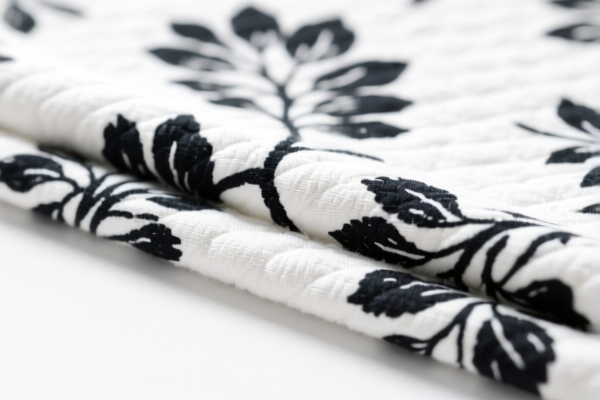
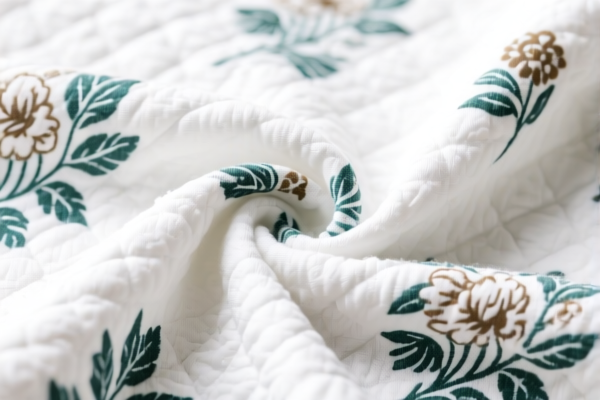
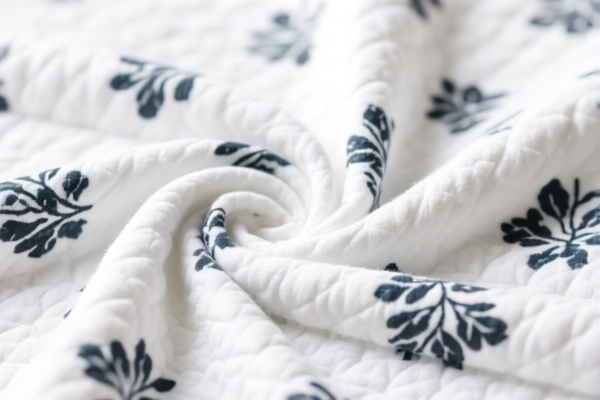
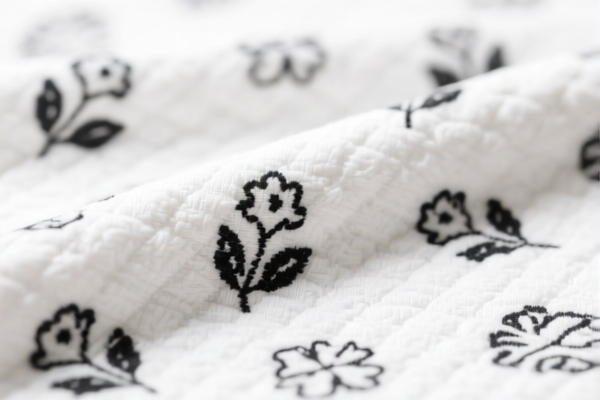
AI Analysis
🌟 4 Ply Napped Fabric – HS Code Classification & Tariff Guide (2026 Update)
🌐 HS Code & Tariff Deep Dive | U.S. Import Rules | Expert Clearing Strategy
📌 One Product, Multiple Classifications – Why This Matters for Your Bottom Line!
🔥 Key Insight:
The term "4 Ply Napped Fabric" may seem simple, but its HS Code classification depends on material composition, structure, and end-use. Misclassification can lead to 45%+ tariffs, penalties, or shipment delays.✅ This guide reveals why each HS Code applies, what the taxes really mean, and how to clear customs smoothly — based on real U.S. tariff data.
📦 1. HS Code Classification Breakdown (U.S. 2026 Tariff Schedule)
| HS Code | Product Description | Material & Structure Clue | Likely End Use | Tax Risk |
|---|---|---|---|---|
5801.26.00.20 |
Cotton Chenille Fabric or Other Cotton Napped Fabric | "4 Ply" (4-strand yarn), "Napped Fabric" → Cotton-based, plush, textured | Home textiles, upholstery, decorative fabrics | ⚠️ High Risk |
5801.36.00.20 |
Chenille Fabric or Other Synthetic Napped Fabric | "4 Ply" + "Napped" → Synthetic/Man-Made Fiber (MMF) likely | Drapery, bedding, fashion textiles | ⚠️ Medium-High Risk |
6302.99.20.00 |
Other Textile Articles, Not Elsewhere Specified (e.g., Bed Linens) | "Napped Fabric" used in home furnishings | Bedspreads, tablecloths, throws | ✅ Lower Risk |
6302.39.00.30 |
Other Textile Articles, Made of Other Textile Materials | "Napped Fabric" as finished textile product | Bedding, table runners, decorative covers | ✅ Medium Risk |
📌 Critical Note:
- "4 Ply" = multi-strand yarn (common in chenille, terry, or looped fabrics)
- "Napped Fabric" = surface has a soft, fuzzy pile (like velour or fleece)
- Material is the deciding factor: Cotton vs. Synthetic vs. Finished Product
💰 2. 2026 U.S. Tariff Breakdown (China-Origin Goods)
✅ Applicable Country: China (CN)
✅ Effective Date: November 10, 2025 (inclusive)
✅ Tariff Type: Ad valorem (based on CIF value)
🎯 1. 5801.26.00.20 – Cotton Chenille / Cotton Napped Fabric
🧵 "4 Ply" + "Napped" + Cotton = This Code
✅ Most likely for cotton-based, plush, looped fabrics
| Tax Component | Rate | Legal Basis | Notes |
|---|---|---|---|
| Base Tariff | 0.0% | U.S. HTSUS §5801.26.00.20 | Standard rate |
| Section 301 (USITC) | +25.0% | USITC Footnote 9903.88.01 | From U.S. Trade Act 301 |
| IEEPA (Emergency Powers) | +10.0% | IEEPA:9903.01.25 | Applies to China-origin goods |
| Total Effective Tariff | 35.0% | — | Highest risk category |
📌 Why 35%?
- No base tariff, but 25% + 10% from two separate U.S. trade laws
- No de minimis exemption → even $100 shipment taxed at 35%
- Used for cotton chenille, terry cloth, looped pile fabrics🔍 Example:
A 4-ply cotton velvet fabric for curtains → Must be declared under 5801.26.00.20 → 35% tariff
🎯 2. 5801.36.00.20 – Synthetic Chenille / Man-Made Fiber Napped Fabric
🧵 "4 Ply" + "Napped" + Non-Cotton = This Code
✅ For polyester, nylon, acrylic, or blended fibers
| Tax Component | Rate | Legal Basis | Notes |
|---|---|---|---|
| Base Tariff | 9.8% | HTSUS §5801.36.00.20 | Standard rate for synthetics |
| Section 301 (USITC) | +7.5% | USITC Footnote 9903.88.01 | Reduced from 25% due to material |
| IEEPA (Emergency Powers) | +10.0% | IEEPA:9903.01.25 | Applies regardless of material |
| Total Effective Tariff | 27.3% | — | Still high, but lower than cotton |
📌 Why 27.3%?
- 9.8% base + 7.5% USITC + 10% IEEPA
- No de minimis → all shipments taxed
- Favored over cotton if synthetic → save 7.7% in tax🔍 Example:
A 4-ply polyester velour fabric for sofa covers → 5801.36.00.20 → 27.3% tariff
🎯 3. 6302.99.20.00 – Other Textile Articles (e.g., Bedspreads, Tablecloths)
🧵 "Napped Fabric" as Finished Product (Not Raw Material)
✅ For home textile items, not fabric rolls
| Tax Component | Rate | Legal Basis | Notes |
|---|---|---|---|
| Base Tariff | 8.4% | HTSUS §6302.99.20.00 | Standard for finished goods |
| Section 301 (USITC) | 0.0% | No 301 tariff on this code | No USITC add-on |
| IEEPA (Emergency Powers) | +10.0% | IEEPA:9903.01.25 | Still applies |
| Total Effective Tariff | 18.4% | — | Lowest risk |
📌 Why 18.4%?
- No USITC 301 tariff (unlike raw fabrics)
- Only 10% IEEPA + 8.4% base
- Best for finished products (e.g., throws, bedspreads)🔍 Example:
A 4-ply napped fabric blanket labeled “Bed Cover” → 6302.99.20.00 → 18.4% tariff
🎯 4. 6302.39.00.30 – Other Textile Articles, Made of Other Materials
🧵 "Napped Fabric" as Finished Textile Item, Not Cotton or Synthetic
✅ For mixed or non-standard materials
| Tax Component | Rate | Legal Basis | Notes |
|---|---|---|---|
| Base Tariff | 4.3% | HTSUS §6302.39.00.30 | Low base rate |
| Section 301 (USITC) | +7.5% | USITC Footnote 9903.88.01 | Applies if origin is China |
| IEEPA (Emergency Powers) | +10.0% | IEEPA:9903.01.25 | Still applies |
| Total Effective Tariff | 21.8% | — | Higher than 6302.99.20.00 |
📌 Why 21.8%?
- Low base (4.3%), but 7.5% + 10% from trade laws
- Not ideal if you can use6302.99.20.00
- Use only if material doesn’t fit other codes🔍 Example:
A napped fabric rug with mixed fibers (cotton + polyester) → 6302.39.00.30 → 21.8% tariff
🛠️ 3. Clearing Customs: Pro Tips & Risk Avoidance
✅ 1. Essential Documentation (Don’t Skip!)
| Document | Required? | Why It Matters |
|---|---|---|
| ✅ Commercial Invoice | ✔️ | Must state: "4 Ply Napped Fabric", material type, end use |
| ✅ Product Photos (with label) | ✔️ | Show pile, weave, and labeling (e.g., "Cotton 100%") |
| ✅ Technical Specs / Lab Report | ✔️ | Confirm fiber content (cotton vs. synthetic) |
| ✅ Certificate of Origin (CO) | ✔️ | Prove China origin → triggers 301/IEEPA tariffs |
| ✅ Packing List | ✔️ | Show unit count, weight, dimensions |
| ✅ Bill of Lading (BOL) | ✔️ | Proves shipment details |
✅ 2.申报技巧(Golden Rules)
🔥 "Material First, Use Second, Tax Last!"
| Scenario | Correct HS Code | Wrong Code | Risk |
|---|---|---|---|
| Cotton fabric, 4-ply, napped, raw roll | 5801.26.00.20 |
6302.99.20.00 |
35% vs. 18.4% → Save 16.6% |
| Synthetic fabric, 4-ply, napped, finished blanket | 6302.99.20.00 |
5801.36.00.20 |
18.4% vs. 27.3% → Save 8.9% |
| Mixed fiber, napped, used as throw | 6302.39.00.30 |
5801.36.00.20 |
21.8% vs. 27.3% → Save 5.5% |
📌 Pro Tip:
- If it’s a finished product (e.g., blanket, tablecloth) → use 6302 codes
- If it’s raw fabric (roll, bolt) → use 5801 codes
- Never guess — material determines code
✅ 3. Special Cases & Exceptions
| Situation | Solution |
|---|---|
| OEM/Custom Fabric | Provide design specs + fiber test report → avoid "generic" classification |
| Fabric for Industrial Use | If not for home use, may qualify for non-textile use — consult customs broker |
| Goods from Vietnam/Mexico | Can apply for IEEPA exemption → 0% IEEPA → lower total tax |
| Small Shipments (<$800) | De minimis rule applies → 0% tariff if origin is not China |
| China-origin goods >$800 | No de minimis → 35% tax possible |
🌍 4. Global Market Comparison (2026)
| Country | Recommended HS Code | Base Tariff | IEEPA/301? | Notes |
|---|---|---|---|---|
| 🇺🇸 U.S. (China origin) | 5801.26.00.20 |
0% | ✅ 25% + 10% | 35% total |
| 🇨🇳 China | 5801.26.00.20 |
5% | ❌ No | No extra tariffs |
| 🇪🇺 EU | 5801.26.00.20 |
0% | ❌ No | CE certification needed |
| 🇦🇺 Australia | 5801.26.00.20 |
5% | ❌ No | RCM required |
| 🇯🇵 Japan | 5801.26.00.20 |
0% | ❌ No | PSE certification |
📌 Takeaway:
- U.S. is the only market with 301 + IEEPA tariffs
- China-origin goods face 35% in U.S. → Plan ahead!
📌 5. Common Mistakes & How to Avoid Them
❌ Mistake 1: Calling raw fabric "bedspread" to avoid 35%
👉 Result: Customs may reclassify → higher tax + penalties
❌ Mistake 2: Not declaring fiber content
👉 Result: Customs may assume cotton → 35% tax even if synthetic
❌ Mistake 3: Using “fabric” instead of “textile article”
👉 Result: Wrong HS Code → delay or seizure
✅ Correct Approach:
“4-Ply Napped Fabric, 100% Polyester, 1.5m x 2.5m, for use in bedspreads and throws, Not for upholstery”
🎯 6. Final Verdict: How to Win the Tax Battle
✅ If raw fabric (roll) →
- Cotton? →5801.26.00.20→ 35%
- Synthetic? →5801.36.00.20→ 27.3%✅ If finished product (blanket, throw, tablecloth) →
- Use6302.99.20.00→ 18.4% (best option!)✅ If from Vietnam/Mexico →
- Apply for IEEPA exemption → 0% IEEPA → save 10%✅ If under $800 →
- De minimis applies → 0% tariff (if not China-origin)
📣 Call to Action: Protect Your Profit!
🚀 Do This Now:
1. Test your fabric’s fiber content
2. Check if it’s raw or finished
3. Choose the right HS Code
4. Contact a U.S. customs broker for pre-ruling
5. Apply for IEEPA exemption if possible💬 Pro Tip:
“One wrong code can cost you 35% of your shipment value.
Get it right once — save thousands.”
✨ Professional Clearance Starts with Accurate Classification!
💼 Your product’s value depends on the right HS Code.
🔍 Don’t gamble. Know your tariff. Win your trade.
✅ Ready to clear your 4 Ply Napped Fabric?
📞 Contact a licensed customs broker today — and ship with confidence!
Customer Reviews
About HS Code Classification
The Harmonized System (HS) is an internationally standardized nomenclature developed by the World Customs Organization (WCO) to classify traded products. Over 200 countries use the HS system as the basis for customs tariffs, trade statistics, and import/export regulations.
Each HS code follows a hierarchical structure:
- Chapter (2 digits) — Broad category of goods (e.g., Chapter 84: Machinery and Mechanical Appliances)
- Heading (4 digits) — More specific grouping within the chapter
- Subheading (6 digits) — Internationally standardized breakdown, used by all WCO member countries
- National subdivisions (8-10 digits) — Country-specific extensions for further classification, such as US HTSUS 10-digit codes
Correct HS code classification is essential for smooth customs clearance, accurate duty payment, and compliance with trade regulations. Misclassification can lead to customs delays, overpayment of duties, or penalties.
When importing from CN to US, the applicable tariff rates may include:
- Most-Favored-Nation (MFN) rate — The standard duty rate applied to WTO members
- General rate — Applied to countries without trade agreements
- Trade remedy duties — Additional tariffs such as Section 301 (anti-dumping), Section 232 (national security), or countervailing duties
The information provided on this page is for reference purposes only. For official classification, please consult with your local customs authority or a licensed customs broker.