4 in 1 Pink Paint Brush Cleaner
CN → US| HS Code | Tariff Rate | Origin | Destination | Doc |
|---|---|---|---|---|
| 9603404020 | 14.0% | CN | US | Official Doc |
| 9603404060 | 14.0% | CN | US | Official Doc |
Product Images
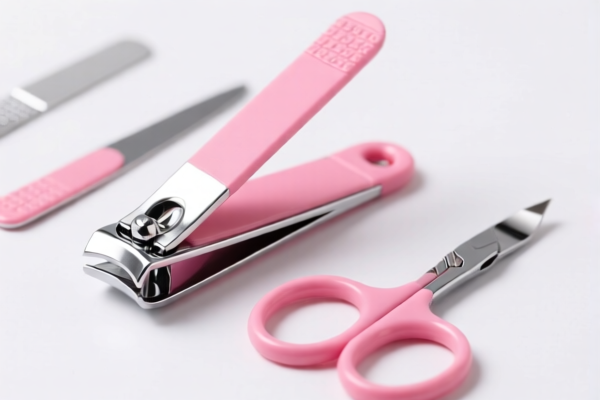
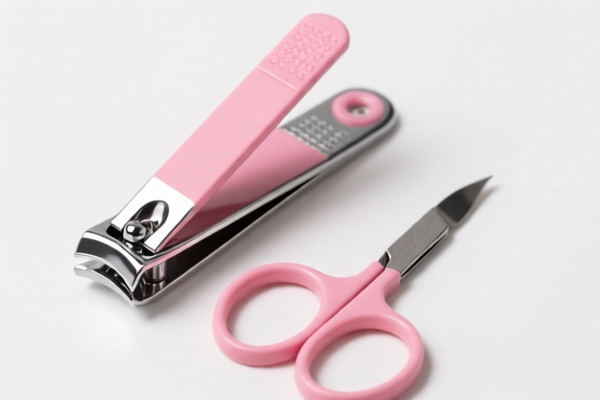
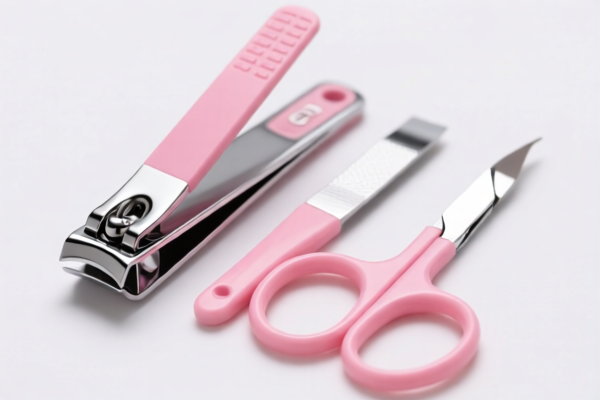
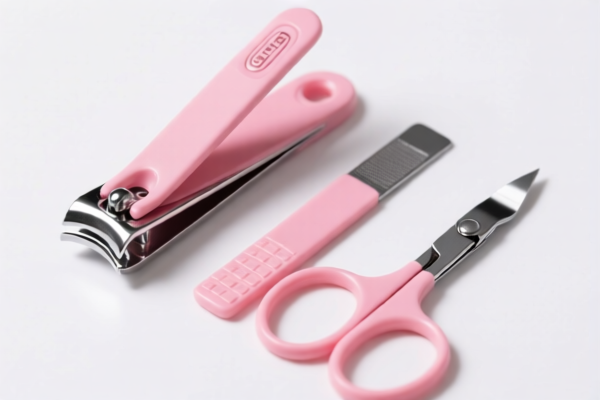
AI Analysis
🖌️ 4-in-1 Pink Paint Brush Cleaner
🌐 HS Code Reference & Customs Clearance Guide | 2026 Latest Tariff Analysis | Professional Compliance Strategy
📌 I. Product Definition & Classification: What is a "4-in-1 Pink Paint Brush Cleaner"?
The "4-in-1 Pink Paint Brush Cleaner" is a specialized tool designed for painters and decorators. Despite its marketing name ("Cleaner"), it is mechanically classified as a paint pad or roller accessory or a cleaning implement for brushes, depending on its specific mechanical action.
In international trade, the key distinction is whether the item is: 1. A Cleaning Fluid/Chemical: Which would fall under Chapter 34 or 38 (e.g., paint removers). 2. A Mechanical Tool: Which falls under Chapter 96 (Miscellaneous manufactured articles), specifically heading 9603 (Brooms, brushes, paint pads, rollers, squeegees).
Since the product is described as a "Brush Cleaner" (implying a physical tool, likely with bristles or a textured pad to clean bristles) and not a liquid chemical, it is categorized under 9603.40**.
⚠️ Critical Distinction:
- If the product is a liquid bottle of solvent → Do NOT use 9603 codes. Use Chapter 34/38.
- If the product is a physical device (plastic/metal frame with bristles/pads) to clean brushes → Use 9603.40.
📦 II. HS Code Classification Details (2026 Official Tariff Data)
Based on the provided <DATA>, the product falls under two specific subheadings within 9603.40 (Paint pads and rollers / Other paint pads).
| HS Code | Product Description | Key Characteristics | Applicable Scenario |
|---|---|---|---|
9603.40.40.20 |
Other Paint pads (Specific definition: "Other Paint pads") | Typically refers to foam pads, sponge rollers, or specialized cleaning pads made of felt/synthetic fibers. | If the "4-in-1" tool uses a pad, sponge, or foam component to absorb/clean paint from brushes. |
9603.40.40.60 |
Other Other (General residual category) | Covers other paint-related tools not explicitly listed as "standard" paint pads or rollers. | If the tool is a unique mechanical device (e.g., a rotating brush cleaner, a specialized comb-like tool) that doesn't fit the standard "pad" definition but is still a brush/paint accessory. |
🔍 Key Takeaway:
Both codes fall under 9603.40.40 (Paint pads and rollers).
-.20is for "Other Paint pads" (likely the sponge/cleaning pad part of the tool).
-.60is the "Other Other" bucket (for miscellaneous brush accessories).
You must choose based on the primary cleaning mechanism: Is it a pad/sponge? →.20. Is it a bristle/combo tool? →.60(or.20if deemed a pad-like device). For safety,.60is often used for unique "tool" devices, while.20is for pad-style items.
💰 III. 2026 Tariff Rate Breakdown (Detailed Tax Policy)
✅ Applicable Country: United States (US)
✅ Origin: China (CN)
✅ Effective Date: Current 2026 Tariff Schedule
🎯 1. 9603.40.40.20 & 9603.40.40.60 —— Paint Pads & Brushes Accessories
| Item | Content |
|---|---|
| Base Tariff (MFN) | 0.0% (Ad valorem) |
| Section 301 Additional Tariff | 0.0% |
| IEEPA Additional Tariff | 0.0% |
| Total Tax Rate | 0.0% |
| Tax Calculation | CIF Value × 0% = $0 |
| De Minimis Eligibility | ✅ YES (If shipped under $800 via informal entry, though 0% rate makes this irrelevant) |
| Legal Basis | HTSUS 9603.40.40.xx; USITC Footnotes |
📌 Explanation:
- Base Rate: The Harmonized Tariff Schedule of the United States (HTSUS) lists "Paint pads and rollers" under 9603.40 with a general duty rate of 0%.
- No Additional Taxes: Unlike electronics (8528) or steel (72), painting tools and accessories (Chapter 96) are NOT subject to Section 301 (25%) or IEEPA (10%) tariffs in the provided data.
- Cost Advantage: This is a zero-duty import category, making it highly competitive for US importers.
🛠️ IV. Customs Clearance Practical Advice (Real-World Pitfalls)
✅ 1. Documentation Checklist (Must-Haves)
| Document | Required | Notes |
|---|---|---|
| ✅ Commercial Invoice | ✔️ | Must clearly state: "4-in-1 Paint Brush Cleaner, Non-Chemical, Mechanical Tool" |
| ✅ Product Photos | ✔️ | Show the tool without any liquid. If liquid is present, reclassify to Chapter 34. |
| ✅ Material Description | ✔️ | Specify: Plastic handle, nylon bristles/sponge pad. NO chemical content. |
| ✅ HS Code Declaration | ✔️ | Declare as 9603.40.40.20 or 9603.40.40.60 |
| ✅ OEM/Contractor Info | ✔️ | If branded, provide brand authorization. |
✅ 2. Declaration Tips (Golden Rules)
🔥 "Mechanical, Not Chemical! No Liquid!"
| Scenario | Correct Declaration | Error to Avoid |
|---|---|---|
| Dry Tool Only | 9603.40.40.xx (Paint Pad/Accessory) |
Misdeclaring as "Cleaning Chemical" → Chapter 34 (higher scrutiny) |
| Tool + Cleaning Fluid | Split Line Items | Combine them → Customs may reject or reclassify entire shipment |
| Foam Sponge Part | 9603.40.40.20 |
Misdeclaring as "Sponge" (Chapter 40) → Incorrect chapter |
| Bristle Comb Part | 9603.40.40.60 |
Misdeclaring as "Broom" (9603.21) → Wrong subheading |
✅ 3. Special Handling
| Situation | Recommendation |
|---|---|
| OEM Private Label | Ensure invoice lists both Manufacturer and Importer of Record. |
| Packaging with Fluids | If the "4-in-1" set includes a small bottle of solvent, declare separately. The solvent goes to Chapter 34/38; the tool goes to 9603. Do not mix. |
| Sample Shipments | Even samples must have accurate HS codes. 0% tax means no duty risk, but wrong code causes delays. |
🌍 V. Global Market Comparison (2026)
| Country/Region | Recommended HS Code | Tariff Rate | Certification Required | Notes |
|---|---|---|---|---|
| 🇺🇸 USA | 9603.40.40.20 / .60 |
0.0% | None (General) | Zero Duty! |
| 🇨🇳 China (Export) | 9603.40 | 0% (Export) | N/A | China encourages export of light manufacturing. |
| 🇪🇺 EU | 9603.40 | 0% | CE (if plastic meets REACH) | Low duty, but strict chemical/plastic regulations. |
| 🇬🇧 UK | 9603.40 | 0% | UKCA | Post-Brexit alignment with EU tariffs. |
| 🇦🇺 Australia | 9603.40 | 5% | None | Standard MFN rate. |
📌 Conclusion:
- USA offers the best tariff advantage (0%) for this product.
- No Section 301 impact on Chapter 96 items like this.
- Key Risk: Misclassification as a "chemical cleaner" due to the name "Cleaner." Always emphasize the mechanical nature.
📌 VI. Common Mistakes & Pitfalls (Lessons Learned)
❌ Mistake 1: Declaring as "Paint Cleaner Liquid"
👉 Consequence: If declared as liquid (Chapter 34), it may face higher duties or EPA/chemical regulations.
✅ Fix: Declare as "Mechanical Paint Brush Cleaning Tool."
❌ Mistake 2: Ignoring the "Pad" component
👉 Consequence: If the tool is mostly foam, customs may question why it’s not a simple sponge (Chapter 40).
✅ Fix: Use 9603.40.40.20 which explicitly covers "Paint pads."
❌ Mistake 3: Combining Tool + Solvent in One HS Code
👉 Consequence: Customs will split the line item, potentially delaying clearance or applying incorrect tax to the whole shipment.
✅ Fix: Always separate physical tools from liquids in the commercial invoice.
✅ Correct Declaration Example:
"Mechanical 4-in-1 Paint Brush Cleaning Tool, Plastic Handle with Nylon Bristles and Foam Pad, No Chemicals Included, Model ABC-123"
🎯 VII. Conclusion: Maximize Profit with Zero Duty!
🎯 Key Takeaway:
🔹 "It’s a Tool, Not a Liquid → 0% Duty!"
🔹 "Use 9603.40.xx for Mechanical Cleaners"
🔹 "Separate Liquids from Tools in Invoices"
📌 Pro Tip:
Since the tariff is 0%, focus on logistics cost rather than duty savings. Use this competitive tax advantage to market your product as "Low-Landed Cost" in the US market.
📣 Action Item:
📞 Confirm with your supplier: "Does the 4-in-1 set include any liquid solvent?"
🚀 If NO → Use9603.40.40.20or.60→ 0% Tax.
🚀 If YES → Split invoice → Tool:9603...(0%) + Liquid:3402...(Variable Tax).
✨ Smart Classification, Smooth Customs, Higher Margins!
💼 Let the 0% tariff work for you!
Customer Reviews
About HS Code Classification
The Harmonized System (HS) is an internationally standardized nomenclature developed by the World Customs Organization (WCO) to classify traded products. Over 200 countries use the HS system as the basis for customs tariffs, trade statistics, and import/export regulations.
Each HS code follows a hierarchical structure:
- Chapter (2 digits) — Broad category of goods (e.g., Chapter 84: Machinery and Mechanical Appliances)
- Heading (4 digits) — More specific grouping within the chapter
- Subheading (6 digits) — Internationally standardized breakdown, used by all WCO member countries
- National subdivisions (8-10 digits) — Country-specific extensions for further classification, such as US HTSUS 10-digit codes
Correct HS code classification is essential for smooth customs clearance, accurate duty payment, and compliance with trade regulations. Misclassification can lead to customs delays, overpayment of duties, or penalties.
When importing from CN to US, the applicable tariff rates may include:
- Most-Favored-Nation (MFN) rate — The standard duty rate applied to WTO members
- General rate — Applied to countries without trade agreements
- Trade remedy duties — Additional tariffs such as Section 301 (anti-dumping), Section 232 (national security), or countervailing duties
The information provided on this page is for reference purposes only. For official classification, please consult with your local customs authority or a licensed customs broker.