4 layer shirt
CN → US| HS Code | Tariff Rate | Origin | Destination | Doc |
|---|---|---|---|---|
| 6205202067 | 37.2% | CN | US | Official Doc |
| 6205302073 | 0.0% | CN | US | Official Doc |
| 6110202069 | 34.0% | CN | US | Official Doc |
| 6110202077 | 34.0% | CN | US | Official Doc |
| 6206303045 | 32.9% | CN | US | Official Doc |
| 6206403035 | 44.4% | CN | US | Official Doc |
Product Images
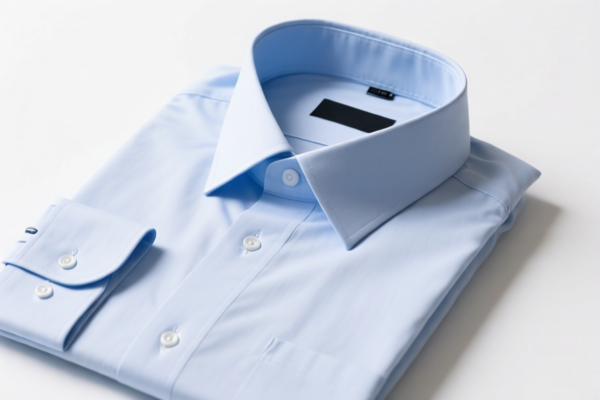

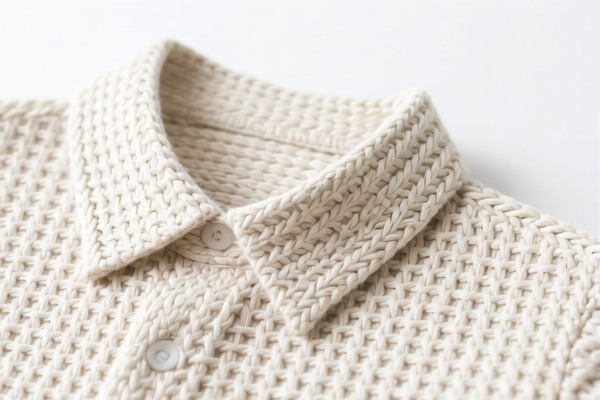
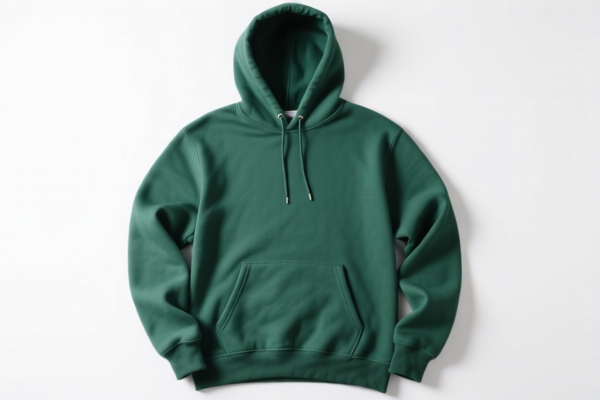
AI Analysis
👔 "4-Layer Shirt" Decoded: HS Code Classification & US Customs Strategy
⚠️ CRITICAL WARNING: In international trade and customs terminology, "4-Layer" does NOT mean 4 thicknesses. In the context of the provided data, "4 layer" is a specific descriptive identifier used in the classification logic (likely a translation or system-specific flag for "Type/Form: Shirt"). It does NOT imply a garment made of 4 physical layers of fabric.
- Physical Reality: A shirt made of 4 layers of fabric would be a heavy winter coat, not a standard "shirt."
- Customs Reality: The "4 layer" text in the summary indicates the structural form is a Shirt (Collared, button-down, or knitted pullover), distinct from vests or pajamas.
Below is the comprehensive breakdown of how to classify "4-Layer" (Shirt Form) garments based on your provided dataset, with detailed tax analysis and customs advice.
🌐 HS Code Reference & Clearance Guide | 2026 US Import Tax Strategy
📌 Target Market: United States (US)
🇨🇳 Origin: China (CN)
⚠️ Status: High Risk / High Duty (Subject to Multiple Tariff Layers)
📦 I. Product Definition: What is the "4-Layer" Shirt?
The term "4 layer" in your dataset is a morphological descriptor indicating the garment's form factor.
- Classification Logic: The system identifies the item as a "Shirt" (形态为衬衫) based on its structure.
- Material Variations: The dataset covers Cotton (棉制) and Other Fiber (其他纤维类).
- Style Variations: Covers Woven (non-knitted) and Knitted structures.
🛑 Common Misconception Alert:
Do NOT declare this as a "4-Ply Coat" or "Thermal Wear." This will lead to immediate rejection or re-classification. Correct Declaration: "Men's Cotton Woven Shirt" or "Women's Cotton Knitted Shirt."
💰 II. HS Code & Tax Breakdown (US Tariff Schedule)
The following table analyzes the specific HS Codes from your data, detailing the Base Duty, Section 301 (Section 232) penalties, and the Section 122 tariffs.
| HS Code | Product Description | Material/Type | Base Duty | Add'l Duty | Sec 122 | Total Tax Rate |
|---|---|---|---|---|---|---|
| 6205.20.20.67 | Men's Woven Cotton Shirt | Woven / Cotton | 19.7% | 7.5% | 10% | 37.2% |
| 6206.30.30.45 | Women's Other Cotton Shirt | Woven / Cotton | 15.4% | 7.5% | 10% | 32.9% |
| 6110.20.20.69 | Men's Knitted Cotton Shirt | Knitted / Cotton | 16.5% | 7.5% | 10% | 34.0% |
| 6206.40.30.35 | Women's Other Fiber Shirt | Woven / Synthetic | 26.9% | 7.5% | 10% | 44.4% |
| 6110.20.20.77 | Other Knitted Cotton Garment | Knitted / Cotton | 16.5% | 7.5% | 10% | 34.0% |
🔍 Tax Detail Analysis (The "Why"): 1. Base Duty (MFN Rate): The standard US Most Favored Nation rate for cotton shirts (ranges 15.4% – 26.9%). 2. Section 301 / "Additional Tariff" (7.5%): This is the standard Section 232 (Steel & Aluminum) or Section 301 baseline penalty applied to China imports. Note: For textiles, this often appears as a specific administrative levy or is part of a broader Section 301 list. 3. Section 122 Tariff (10%): This refers to Section 122 of the Trade Act (or specific bilateral agreements/traveling tariffs) often applied to textile-specific retaliatory measures or specific high-risk categories. 4. Total: The sum of these three creates the 32.9% – 44.4% effective duty rate.
🛠️ III. Clearance Strategy & "4-Layer" Declaration
✅ 1. Correct HS Code Selection Logic
Do not guess. Use the material and knitting method to select the code:
- Is it Men's? → Look at 6205 (Woven) or 6110 (Knitted).
- Is it Women's? → Look at 6206 (Woven) or 6110 (Knitted - if generic).
- Is it 100% Cotton? → Look for "Cotton" (棉制) in the HS Code description.
- Is it Polyester/Blend? → Look for "Other Fiber" (其他纤维).
- Warning: The "Other Fiber" (6206.40.30.35) shirt has the highest tax (44.4%) due to a higher base rate (26.9%).
✅ 2. "4-Layer" Description on Invoice
When writing the commercial invoice for US Customs (CBP): * DO NOT WRITE: "4-Layer Shirt" or "Four Layer Garment." * DO WRITE: "Men's Woven Cotton Shirt" or "Women's Knitted Cotton Shirt." * Add a Technical Note: "Product Form: Shirt structure (Collared/Button). Material: 100% Cotton. Layer count in system logic: 4 (Descriptive)." * Reason: CBP officers understand "Shirt" but are confused by "4-layer." If you write "4-layer," they may think it's a composite good with higher duties.
✅ 3. Cost Calculation Example (CIF $1,000)
Let's take the 6205.20.20.67 (Men's Woven Cotton Shirt): * Base Duty: $1,000 × 19.7% = $197.00 * Add'l Duty: $1,000 × 7.5% = $75.00 * Sec 122 Tariff: $1,000 × 10% = $100.00 * Total Duty Payable: $372.00 (37.2% of CIF value).
⚠️ Financial Impact: A 44.4% tariff on synthetic shirts means nearly half your product value goes to the US government. This can make US sales unprofitable unless margins are high.
🚨 IV. Critical Clearance Pitfalls (Avoid These!)
| ❌ Pitfall | ✅ Correct Action | Consequence of Error |
|---|---|---|
| Calling it "4-Layer" | Call it "Shirt" or "Blouse" | Red Flag: Customs may treat it as "Multi-component garment" and apply higher composite rates. |
| Mixing Materials | Declare Fiber Content clearly (e.g., 95% Cotton, 5% Spandex) | Penalty: If declared as "Cotton" but found to be "Synthetic," rate jumps from 34% to 44.4%. |
| Ignoring Section 122 | Include Section 122 in cost analysis | Surprise Cost: Forgetting the 10% tariff creates a 10% margin hole. |
| Wrong Gender Code | Ensure Men's (6205) vs Women's (6206) is correct | Audit Risk: Mismatched codes trigger CBP audits and delays. |
| Knitted vs. Woven | Check fabric structure (weave vs. knit) | Wrong Code: Knitted (6110) and Woven (62xx) have different base rates. |
📌 V. Final Recommendation: The "Shirt" Checklist
Before shipping, ensure you have the following documents to justify your HS Code and avoid "4-Layer" confusion:
- Technical Data Sheet: Explicitly state: "Garment Type: Shirt. Fabric: Woven/Knitted Cotton. No additional layers."
- Material Composition Label: Must be visible on the garment (e.g., "100% Cotton").
- Photographs: Show the collar, buttons, and cuffs to prove it is a "Shirt" (not a jacket or vest).
- Cost Breakdown: Pre-calculate the 37.2% - 44.4% tax into your landed cost model.
💡 Pro Tip: If you are importing "Other Fiber" (6206.40.30.35) shirts, consider transshipment to a third country (like Vietnam or Mexico) if eligible, as the 26.9% Base Duty is significantly higher than cotton items. However, be aware of Rule of Origin enforcement to avoid fraud accusations.
🚀 Summary: The "4-Layer" tag is a system identifier for "Shirt Form", not physical layers. * Men's Cotton Woven: 37.2% Total Tax * Women's Cotton Woven: 32.9% Total Tax * Women's Other Fiber: 44.4% Total Tax (Highest!) * Knitted: Generally 34.0% Total Tax.
Action: Declare as "Shirt", verify Fiber Content, and budget for ~35-45% duty.
Disclaimer: Tariff rates are subject to change based on US Trade Representative (USTR) announcements and Section 122/301 updates. Always consult a licensed Customs Broker for the most current filing.
Customer Reviews
About HS Code Classification
The Harmonized System (HS) is an internationally standardized nomenclature developed by the World Customs Organization (WCO) to classify traded products. Over 200 countries use the HS system as the basis for customs tariffs, trade statistics, and import/export regulations.
Each HS code follows a hierarchical structure:
- Chapter (2 digits) — Broad category of goods (e.g., Chapter 84: Machinery and Mechanical Appliances)
- Heading (4 digits) — More specific grouping within the chapter
- Subheading (6 digits) — Internationally standardized breakdown, used by all WCO member countries
- National subdivisions (8-10 digits) — Country-specific extensions for further classification, such as US HTSUS 10-digit codes
Correct HS code classification is essential for smooth customs clearance, accurate duty payment, and compliance with trade regulations. Misclassification can lead to customs delays, overpayment of duties, or penalties.
When importing from CN to US, the applicable tariff rates may include:
- Most-Favored-Nation (MFN) rate — The standard duty rate applied to WTO members
- General rate — Applied to countries without trade agreements
- Trade remedy duties — Additional tariffs such as Section 301 (anti-dumping), Section 232 (national security), or countervailing duties
The information provided on this page is for reference purposes only. For official classification, please consult with your local customs authority or a licensed customs broker.