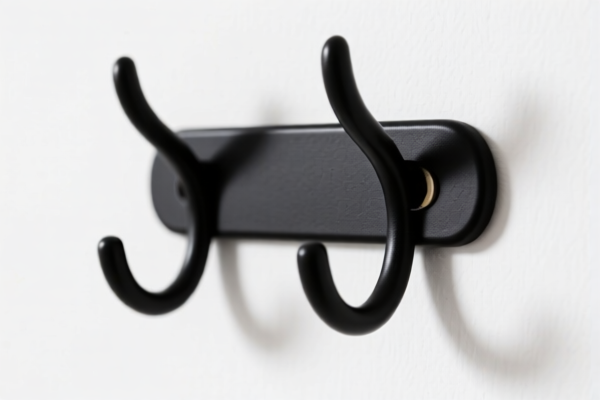
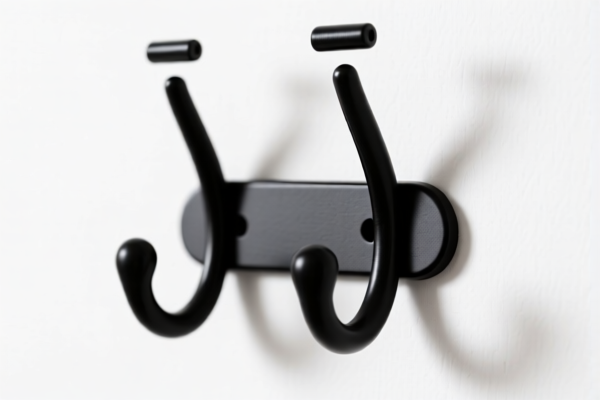
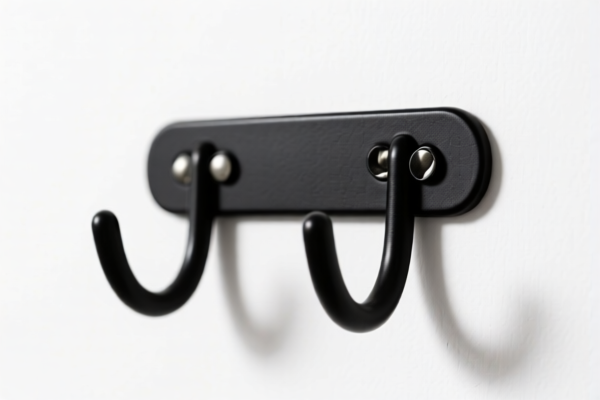
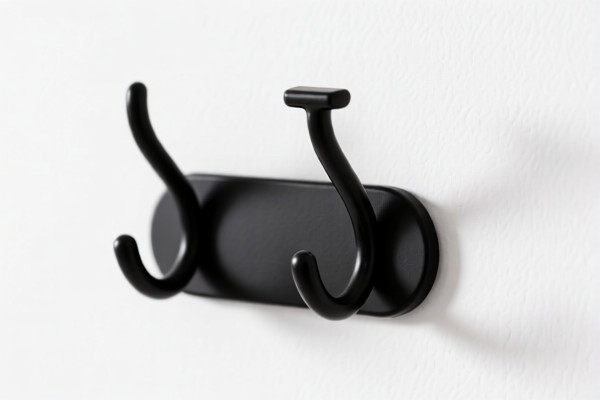
4 piece double pronged coat hook white
CN → US| HS Code | Tariff Rate | Origin | Destination | Doc |
|---|---|---|---|---|
| 7616109090 | 91.0% | CN | US | Official Doc |
| 8302500000 | 85.0% | CN | US | Official Doc |
| 8302423065 | 71.4% | CN | US | Official Doc |
| 3926305000 | 22.8% | CN | US | Official Doc |
| 3926301000 | 24.0% | CN | US | Official Doc |
Product Images
AI Analysis
🪝 4-Piece Double-Pronged Coat Hook, White (2026 Customs & Tariff Breakdown)
🌐 HS Code Reference & Clearance Guide | 2026 Latest Tariff Analysis | Strategic Entry Strategy
📌 I. Product Definition & Classification: What Exactly Is a "Double-Pronged Hook"?
The 4-piece double-pronged coat hook (White) is a household and office accessory used for hanging garments, bags, or hats. In international trade, the classification depends heavily on material composition (Metal vs. Plastic) and specific usage (Furniture fitting vs. General hardware).
Since the input does not specify the material, we must evaluate the top 5 potential HS Codes based on common manufacturing materials and functional interpretations.
⚠️ Critical Distinction Point:
- Metal Hooks (Steel, Aluminum, Iron): Subject to higher "Section 232" or "122 Clause" tariffs (up to 50% for aluminum/steel).
- Plastic Hooks: Subject to standard general tariffs + moderate Section 301/IEEPA add-ons (lower overall rate).
- Furniture Fittings vs. General Hardware: Usage determines if it falls under "Base Fittings" (lower tax) or "General Hardware" (higher tax).
📦 II. HS Code Classification Matrix (2026 Latest Tariff Authority Comparison)
| HS Code | Product Description | Applicable Scenario | Material Assumption | Total Tax Rate |
|---|---|---|---|---|
7616.10.90.90 |
Other articles of aluminum | General aluminum hooks, not elsewhere specified | Aluminum Alloy | 91.0% |
8302.50.00.00 |
Hat or coat hooks, of base metal | General metal coat hooks, generic hardware | Base Metal (Steel/Iron) | 85.0% |
8302.42.30.65 |
Base metal fittings for furniture | Hooks attached to/worn on furniture (closet systems) | Metal (Furniture Grade) | 71.4% |
3926.30.50.00 |
Other plastic articles (connectors/fittings) | Plastic hooks, wall-mounted accessories | Plastic | 22.8% |
3926.30.10.00 |
Plastic handles, knobs, similar articles | Plastic hooks classified as "handles/knobs" or general plastic goods | Plastic | 24.0% |
🔍 Key Reminder:
- If the product is Aluminum, expect the highest duty (91.0%) due to Section 232/122 Clause penalties.
- If the product is Plastic, the duty is significantly lower (~23-24%), making it more cost-effective for import.
- Furniture Fittings (8302.42) offer a middle ground for metal hooks if explicitly marketed for closet/furniture systems.
💰 III. 2026 Latest Tariff Rate Details (Including Surcharges & Policy Add-ons)
✅ Applicable Country: United States (US)
✅ Origin: China (CN)
✅ Effective Date: November 10, 2025 (and subsequent imports)
🎯 1. 7616.10.90.90 — Other Articles of Aluminum
| Item | Content |
|---|---|
| Base Duty | 6.0% |
| Section 301 Add-on | +25.0% |
| 122 Clause (Aluminum/Steel/Copper) | +50.0% |
| Total Rate | 91.0% |
| Calculation | CIF Value × 91.0% |
| De Minimis Exemption | ❌ Not Allowed |
📌 Explanation:
- Aluminum products are heavily penalized under trade policies. The 50% 122 Clause tariff is specific to aluminum, steel, and copper articles.
- This is the most expensive classification. Avoid if possible.
🎯 2. 8302.50.00.00 — Hat or Coat Hooks, of Base Metal
| Item | Content |
|---|---|
| Base Duty | 0.0% |
| Section 301 Add-on | +25.0% |
| 122 Clause (Aluminum/Steel/Copper) | +50.0% |
| Total Rate | 85.0% |
| Calculation | CIF Value × 85.0% |
| De Minimis Exemption | ❌ Not Allowed |
📌 Explanation:
- Although the base duty is 0%, the 122 Clause adds 50%.
- Total impact is 85%, still extremely high.
- This code is for generic base metal hooks not specifically for furniture.
🎯 3. 8302.42.30.65 — Base Metal Fittings for Furniture
| Item | Content |
|---|---|
| Base Duty | 3.9% |
| Section 301 Add-on | +7.5% |
| 122 Clause (Aluminum/Steel/Copper) | +50.0% |
| Total Rate | 71.4% |
| Calculation | CIF Value × 71.4% |
| De Minimis Exemption | ❌ Not Allowed |
📌 Explanation:
- Lower Section 301 rate (7.5% vs 25%) makes this more favorable than8302.50.
- Only applicable if the hook is clearly marketed and used as a furniture/closet fitting.
- Still subject to the heavy 50% 122 Clause.
🎯 4. 3926.30.50.00 — Other Plastic Articles (Connectors/Fittings)
| Item | Content |
|---|---|
| Base Duty | 5.3% |
| Section 301 Add-on | +7.5% |
| 122 Clause | N/A (Plastic) |
| Total Rate | 22.8% |
| Calculation | CIF Value × 22.8% |
| De Minimis Exemption | ❌ Not Allowed (Note: Data implies no de minimis for this category in this context) |
📌 Explanation:
- Significantly lower tax burden.
- No heavy "122 Clause" penalty for plastics.
- Ideal if the white hooks are plastic.
🎯 5. 3926.30.10.00 — Plastic Handles, Knobs, etc.
| Item | Content |
|---|---|
| Base Duty | 6.5% |
| Section 301 Add-on | +7.5% |
| 122 Clause | N/A (Plastic) |
| Total Rate | 24.0% |
| Calculation | CIF Value × 24.0% |
| De Minimis Exemption | ❌ Not Allowed |
📌 Explanation:
- Similar to3926.30.50, but classified under "handles/knobs."
- Total rate 24.0%, very competitive.
- Use if the hook’s shape/function aligns more with "handles" or general plastic accessories.
🛠️ IV. Customs Clearance Practical Advice (Real-World Pitfall Guide)
✅ 1. Documentation Checklist (Mandatory)
| Document | Required | Notes |
|---|---|---|
| ✅ Product Specification Sheet | ✔️ | Must clearly state Material (Plastic vs. Metal) and Dimensions. |
| ✅ Product Photos | ✔️ | Show the "Double-Pronged" design and mounting mechanism. |
| ✅ Commercial Invoice | ✔️ | Clearly describe as "Plastic Coat Hooks" or "Metal Coat Hooks." Do NOT use vague terms like "Hardware Parts." |
| ✅ HS Code Determination Letter | ✔️ | If available, provide pre-ruling evidence for 8302.42 (Furniture Fitting). |
| ✅ Country of Origin Certificate | ✔️ | Essential for calculating correct surcharges. |
✅ 2. Declaration Strategy (Key Mantras)
🔥 “Material First, Function Second, Name Precise, Tax Reduced!”
| Scenario | Correct Declaration | Wrong Practice |
|---|---|---|
| White Plastic Hooks | 3926.30.50.00 or 3926.30.10.00 |
Declaring as "Metal" → 71-91% Tax |
| Metal Hooks for Closets | 8302.42.30.65 |
Declaring as "General Hooks" → 85% Tax |
| Aluminum Hooks | 7616.10.90.90 |
Any other code → Risk of Penalty |
| Mixed Materials | Separate by material | Mixed declaration → Confiscation/Audit |
✅ 3. Special Handling for "White" Finish
| Scenario | Handling Advice |
|---|---|
| Plastic (White) | Standard cosmetic. No special license needed. |
| Metal (Painted/Epoxy Coated) | Ensure coating is non-toxic (RoHS compliant) to avoid environmental inspections. |
| Aluminum (Anodized) | Highlight "Aluminum Alloy" to justify 7616.10. |
🌍 V. Global Market Comparison (2026 Latest)
| Country/Region | Recommended HS Code | Tariff (China Origin) | Certification Required | Notes |
|---|---|---|---|---|
| 🇺🇸 USA | 3926.30.50.00 (Plastic) |
22.8% | None (General) | Lowest Tax Option |
| 🇺🇸 USA | 8302.42.30.65 (Metal) |
71.4% | None (General) | High due to 122 Clause |
| 🇪🇺 EU | 8302.50.00.00 |
~4-6% | CE (if electrical, not applicable here) | No Section 232 equivalent |
| 🇨🇳 China | 8302.50.00.00 |
~0-5% | CCC (if applicable) | Low duty for export back |
📌 Conclusion:
- USA is the most challenging market due to Section 301 and 122 Clause tariffs.
- Plastic hooks (3926.30) are the most economical choice for US import (~23% total).
- Metal hooks face 71-91% tariffs, significantly impacting margin.
📌 VI. Common Errors & Pitfall Guide (Lessons Learned)
❌ Error 1: Declaring Plastic Hooks as Metal Hooks to avoid "Plastic" restrictions
👉 Result: If inspected, customs will reclassify to Metal → Tax jumps from 23% to 71-91% + Penalties.
❌ Error 2: Declaring Aluminum Hooks as General Hardware (8302.50)
👉 Result: Missing the "Aluminum" specificity may lead to audits. However, even 8302.50 carries 50% 122 Clause for Aluminum. No saving here.
❌ Error 3: Ignoring the 122 Clause for Metal/Aluminum
👉 Result: Underestimating duty by 50%. Budget must include this surcharge.
✅ Correct Practice:
"Plastic Coat Hooks, White, Double-Pronged, 4-Piece Set, Model WH-2026, Non-Metallic"
🎯 VII. Conclusion: Professional Declaration, Cost Savings, Efficiency!
🎯 Remember the Mantra:
🔹 "Plastic is King (23%), Metal is Suffering (71-91%)."
🔹 "Specify 'Furniture Fitting' for Metal to Save 13.6%, but Still High."
🔹 "Never Guess Material. If it’s Aluminum, Pay 91%. If it’s Plastic, Pay 23%."
📌 Pro Tip:
If you are importing Plastic Hooks, ensure the description explicitly states "Polypropylene" or "ABS Plastic" to lock in the 3926 code.
If you are importing Metal Hooks, consider shifting supply chain to non-China origins (Vietnam, Thailand) to avoid Section 301 (25%) and 122 Clause (50%) if possible, or explore HS Code Pre-Rulings for 8302.42.30.65 to minimize the 301 portion.
📣 Immediate Action:
📞 Contact your Customs Broker NOW.
📸 Provide Photos + Material Spec.
🚀 Choose Plastic if cost is priority. Accept High Tax if Metal/Aluminum is required.
✨ Precise Classification Saves Thousands!
💼 Don’t let a 50% surcharge eat your profit!
Customer Reviews
About HS Code Classification
The Harmonized System (HS) is an internationally standardized nomenclature developed by the World Customs Organization (WCO) to classify traded products. Over 200 countries use the HS system as the basis for customs tariffs, trade statistics, and import/export regulations.
Each HS code follows a hierarchical structure:
- Chapter (2 digits) — Broad category of goods (e.g., Chapter 84: Machinery and Mechanical Appliances)
- Heading (4 digits) — More specific grouping within the chapter
- Subheading (6 digits) — Internationally standardized breakdown, used by all WCO member countries
- National subdivisions (8-10 digits) — Country-specific extensions for further classification, such as US HTSUS 10-digit codes
Correct HS code classification is essential for smooth customs clearance, accurate duty payment, and compliance with trade regulations. Misclassification can lead to customs delays, overpayment of duties, or penalties.
When importing from CN to US, the applicable tariff rates may include:
- Most-Favored-Nation (MFN) rate — The standard duty rate applied to WTO members
- General rate — Applied to countries without trade agreements
- Trade remedy duties — Additional tariffs such as Section 301 (anti-dumping), Section 232 (national security), or countervailing duties
The information provided on this page is for reference purposes only. For official classification, please consult with your local customs authority or a licensed customs broker.