4 ply Twill Denim Fabric
CN → US| HS Code | Tariff Rate | Origin | Destination | Doc |
|---|---|---|---|---|
| 5111909000 | 60.0% | CN | US | Official Doc |
| 5208130000 | 42.9% | CN | US | Official Doc |
| 5407820040 | 49.9% | CN | US | Official Doc |
| 5407922050 | 49.9% | CN | US | Official Doc |
| 5208230000 | 44.1% | CN | US | Official Doc |
Product Images
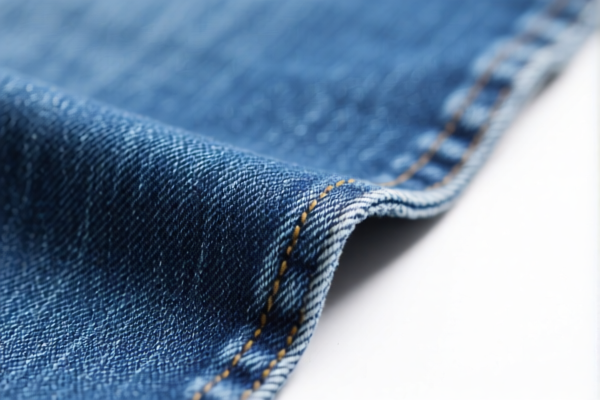
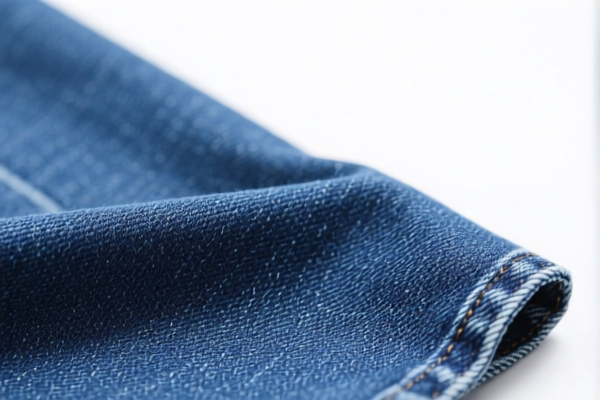
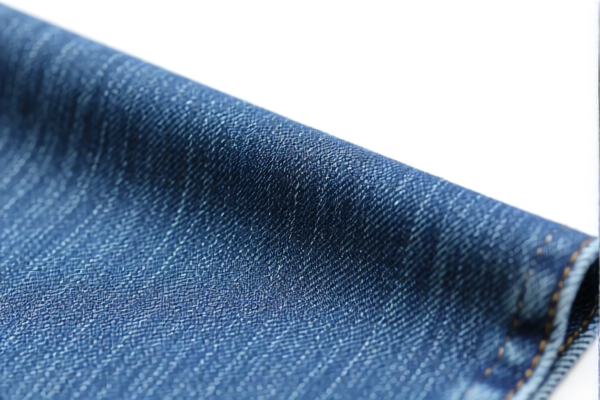
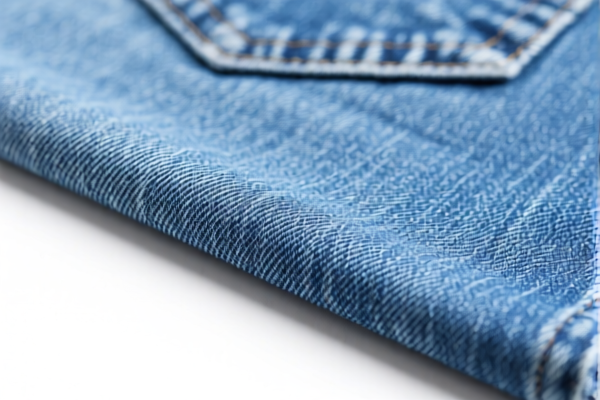
AI Analysis
🧵 4 Ply Twill Denim Fabric: HS Code Classification & Tariff Deep Dive (2026 Update)
🌐 HS Code Reference & Customs Clearance Guide | 2026 Latest Tariff Analysis | Professional Import Strategy
📌 I. Product Definition: What is "4 Ply Twill Denim"?
In the global textile trade, "4 Ply Twill Denim" refers to a robust fabric woven in a twill pattern (characterized by diagonal ribs) using multiple yarns twisted together for strength. The term "4 Ply" typically implies a heavy-weight construction or specific yarn twisting method, common in workwear, heavy-duty jeans, and upholstery.
Under the Harmonized System (HS), denim is primarily classified under Chapter 52 (Cotton) or Chapter 54 (Man-Made Filaments/Textiles), depending on the material composition. Since the input data focuses on Twill Weaves with specific tax structures (Base + 25% Section 301 + 10% IEEPA), we must analyze the specific material compositions provided in the dataset.
⚠️ Key Distinction Point:
- If the fabric is 100% Cotton → It falls under Chapter 52.
- If the fabric contains Synthetic Fibers (Polyester, Nylon, etc.) → It falls under Chapter 54.
- If the fabric is Wool → It falls under Chapter 51.
📦 II. HS Code Classification Details (Based on Provided Data)
The following HS Codes and tax rates are derived strictly from the provided <DATA> set. Note that the total tax rates are high due to the combination of Base Duties, Section 301 tariffs (25%), and IEEPA Section 122 tariffs (10%).
| HS Code | Product Description | Material Composition | Total Tax Rate | Tax Breakdown |
|---|---|---|---|---|
5111.90.90.00 |
Twill Fabric, Wool/Fine Animal Hair Other woven fabrics of wool or fine animal hair. |
Wool / Fine Animal Hair (e.g., Merino, Cashmere blends) |
60.0% | • Base: 25.0% • Sec 301: 25.0% • IEEPA 122: 10% |
5208.13.00.00 |
Cotton Twill Fabric Weight < 200g/m², plain weave or twill. |
100% Cotton (Light to Medium weight denim) |
42.9% | • Base: 7.9% • Sec 301: 25.0% • IEEPA 122: 10% |
5208.23.00.00 |
Cotton Twill Fabric Weight 200-250g/m², twill. |
100% Cotton (Standard weight denim) |
44.1% | • Base: 9.1% • Sec 301: 25.0% • IEEPA 122: 10% |
5407.82.00.40 |
Synthetic Fiber Twill/Satin Woven fabrics of synthetic filaments, blended with cotton. |
Synthetic + Cotton Blend (e.g., Poly-Cotton Twill) |
49.9% | • Base: 14.9% • Sec 301: 25.0% • IEEPA 122: 10% |
5407.92.20.50 |
Other Synthetic Twill Fabric Woven fabrics of synthetic filaments, other. |
100% Synthetic Fiber (e.g., Polyester Twill, not blended) |
49.9% | • Base: 14.9% • Sec 301: 25.0% • IEEPA 122: 10% |
🔍 Critical Note on "Denim" vs. "Twill":
While "Denim" usually implies a cotton twill, the dataset includes Wool and Synthetic twills. If your "4 Ply Twill Denim" is made of wool or synthetics, it cannot be classified under Cotton HS codes (52xx). Misclassification leads to severe penalties.
💰 III. 2026 Tariff Rate Detailed Analysis (US Market)
✅ Applicable Country: United States (US)
✅ Origin: China (CN)
✅ Effective Date: Tariffs apply to imports from China.
🎯 1. Cotton Twill Fabrics (5208.13.00.00 & 5208.23.00.00)
These are the most common classifications for traditional Cotton Denim.
| Item | Detail |
|---|---|
| Base Duty | 7.9% - 9.1% (Varies by weight) |
| Section 301 Tariff | +25% (USITC Footnote 9903.88.01) |
| IEEPA Tariff (122) | +10% (Executive Order 14117 / Section 122) |
| Total Effective Rate | 42.9% - 44.1% |
| Calculation Base | CIF Value (Cost, Insurance, Freight) |
| De Minimis Exemption | ❌ NOT APPLICABLE |
📌 Explanation:
- The 25% is the standard Section 301 tariff on Chinese textiles.
- The 10% is a new/additional tariff under IEEPA Section 122.
- Total Tax > 40%: This is a high-cost import. Profit margins will be significantly impacted unless priced accordingly.
🎯 2. Synthetic Twill Fabrics (5407.82.00.40 & 5407.92.20.50)
Used for Polyester Denim, Stretch Denim (with elastane/poly blend), or Workwear Fabrics.
| Item | Detail |
|---|---|
| Base Duty | 14.9% (Higher base than cotton) |
| Section 301 Tariff | +25% |
| IEEPA Tariff (122) | +10% |
| Total Effective Rate | 49.9% |
| Calculation Base | CIF Value |
| De Minimis Exemption | ❌ NOT APPLICABLE |
📌 Explanation:
- Synthetic fibers have a higher base duty than cotton.
- Total Tax ~50%: Even more expensive than cotton denim.
- Key Risk: If the fabric is a blend (e.g., 65% Polyester / 35% Cotton), it is classified based on the chief material (usually synthetic if >50%), leading to the higher 49.9% rate.
🎯 3. Wool Twill Fabric (5111.90.90.00)
Rare for "denim" but possible for Heavy Wool Twill coats or uniforms.
| Item | Detail |
|---|---|
| Base Duty | 25.0% |
| Section 301 Tariff | +25% |
| IEEPA Tariff (122) | +10% |
| Total Effective Rate | 60.0% |
| Calculation Base | CIF Value |
| De Minimis Exemption | ❌ NOT APPLICABLE |
📌 Explanation:
- Highest Tax Bracket (60%).
- Only use this code if the product is 100% Wool or primarily wool.
- Do not use this for cotton or synthetic fabrics.
🛠️ IV. Customs Clearance Practical Advice (Risk Avoidance Guide)
✅ 1. Documentation Checklist (Must-Have)
| Document | Required? | Purpose |
|---|---|---|
| ✅ Commercial Invoice | ✔️ | Must specify: "4 Ply Twill [Material] Fabric", Weight, Width, Price. |
| ✅ Packing List | ✔️ | Roll lengths, gross/net weights. |
| ✅ Fabric Composition Statement | ✔️ | CRITICAL: Must state % Cotton, % Polyester, % Wool, etc. |
| ✅ Test Report | ✔️ | Third-party lab report confirming fiber content (e.g., ASTM D276). |
| ✅ Picture of Fabric | ✔️ | Show weave structure (Twill diagonal) and label (if any). |
| ✅ Bill of Lading | ✔️ | Ensure "China Origin" is clear. |
📌 Pro Tip:
The customs broker must know the exact fiber content. If you say "Denim" but it's 50% Polyester, customs may reclassify it to5407(Synthetic) instead of5208(Cotton), increasing your tax from 42.9% to 49.9%.
✅ 2. Declaration Strategy (Key Rules)
| Scenario | Correct Declaration | Wrong Declaration | Consequence |
|---|---|---|---|
| 100% Cotton Twill | 5208.13.00.00 or 5208.23.00.00 |
5209.12.00.00 (Heavy Cotton) |
Under/Over-payment. Audit risk. |
| Polyester-Cotton Blend | 5407.82.00.40 (If Synth > 50%) |
5208.xx (Cotton) |
Tax Jump from 42.9% → 49.9% |
| 100% Polyester Twill | 5407.92.20.50 |
5208.xx |
Illegal Misclassification |
| Wool Twill | 5111.90.90.00 |
5208.xx |
60% Tax Applied |
🔥 Golden Rule:
"Check the Fiber, Not Just the Look!"
Just because it looks like denim (blue, twill) doesn't mean it's cotton. If it's stretchy, it likely has synthetic fibers → Higher Tax!
✅ 3. Special Cases & Pitfalls
| Case | Handling Advice |
|---|---|
| Stretch Denim | Contains Spandex/Elastane. If Synth % > 50%, use 5407 codes. If < 50%, may still be 5208 depending on country rules, but US usually classifies by chief material. Assume Synthetic Tax (49.9%) if unsure. |
| Dyed vs. Yarn-Dyed | Does not change HS code for 5208. Focus on material. |
| Roll vs. Cut Length | Declare as "Fabric" not "Garment". If declared as "Jeans", HS code changes completely (6203/6204). |
| Origin Marking | Ensure "Made in China" is on the fabric roll label to avoid origin fraud claims. |
🌍 V. Global Market Comparison (2026)
| Market | HS Code (Cotton Twill) | Total Tax (China Origin) | Key Certification |
|---|---|---|---|
| 🇺🇸 USA | 5208.13.00.00 / 5208.23.00.00 |
42.9% - 44.1% | None specific, but anti-dumping checks |
| 🇨🇳 China | 5208.13.00.00 |
~5-7% (Import Duty) | N/A |
| 🇪🇺 EU | 5208.13.00.00 |
~10-12% (No Sec 301) | REACH, OEKO-TEX (often required) |
| 🇬🇧 UK | 5208.13.00.00 |
~10-12% | UKCA Mark (if apparel, not fabric) |
| 🇨🇦 Canada | 5208.13.00.00 |
~12-18% | CBSA Audit Risk |
📌 Conclusion:
- USA is the most expensive market for Chinese textile imports due to Section 301 + IEEPA 122.
- EU/UK do not have these specific US-style punitive tariffs, making them more cost-effective for Chinese fabric exports.
- Strategy: If targeting the US, consider supply chain diversification (e.g., fabric made in Vietnam/Mexico) to avoid the 35% total additional tax.
📌 VI. Common Errors & Blood-Teaching Lessons
❌ Error 1: Calling "Stretch Denim" 100% Cotton to save tax.
👉 Result: Customs test reveals Polyester/Spandex. Reclassified to 5407. Tax jumps to 49.9% + Penalties.
❌ Error 2: Using HS Code 6203 (Men's Jeans) for Fabric.
👉 Result: Customs rejects as "Garment" when it's "Roll of Fabric". Delay + Demurrage Fees.
❌ Error 3: Ignoring the 10% IEEPA Tariff.
👉 Result: Under-declaring tax. Audit & Back Payment with Interest.
✅ Correct Declaration Example:
"4 Ply Twill Fabric, 100% Cotton, Blue Dyed, Weight 120gsm, HS Code 5208.13.00.00, Origin: China"
🎯 VII. Final Advice: Professional Classification is Profit Protection!
🎯 Remember the Mantra:
🔹 "Fiber Content is King, Twill Weave is Queen!"
🔹 "Cotton = 42.9%, Synth = 49.9%, Wool = 60%!"
🔹 "Don't Guess the HS, Test the Fabric!"
📌 Action Item:
🧪 Send a fabric sample for lab testing to confirm % Cotton vs. % Synthetic.
📄 Prepare a detailed packing list with precise weight and dimensions.
🚀 Calculate landed cost including the ~43-50% tax before pricing your product.
✨ Clear Customs, Clear Profits!
💼 Every penny saved on classification is pure profit!
Customer Reviews
About HS Code Classification
The Harmonized System (HS) is an internationally standardized nomenclature developed by the World Customs Organization (WCO) to classify traded products. Over 200 countries use the HS system as the basis for customs tariffs, trade statistics, and import/export regulations.
Each HS code follows a hierarchical structure:
- Chapter (2 digits) — Broad category of goods (e.g., Chapter 84: Machinery and Mechanical Appliances)
- Heading (4 digits) — More specific grouping within the chapter
- Subheading (6 digits) — Internationally standardized breakdown, used by all WCO member countries
- National subdivisions (8-10 digits) — Country-specific extensions for further classification, such as US HTSUS 10-digit codes
Correct HS code classification is essential for smooth customs clearance, accurate duty payment, and compliance with trade regulations. Misclassification can lead to customs delays, overpayment of duties, or penalties.
When importing from CN to US, the applicable tariff rates may include:
- Most-Favored-Nation (MFN) rate — The standard duty rate applied to WTO members
- General rate — Applied to countries without trade agreements
- Trade remedy duties — Additional tariffs such as Section 301 (anti-dumping), Section 232 (national security), or countervailing duties
The information provided on this page is for reference purposes only. For official classification, please consult with your local customs authority or a licensed customs broker.