4 ply Twill Fabric (No Velvet, 200g+)
CN → US| HS Code | Tariff Rate | Origin | Destination | Doc |
|---|---|---|---|---|
| 5514120020 | 49.9% | CN | US | Official Doc |
| 5514220020 | 49.9% | CN | US | Official Doc |
| 5111196020 | 60.0% | CN | US | Official Doc |
| 5111196060 | 60.0% | CN | US | Official Doc |
| 5211120020 | 42.7% | CN | US | Official Doc |
| 5211320020 | 43.1% | CN | US | Official Doc |
Product Images
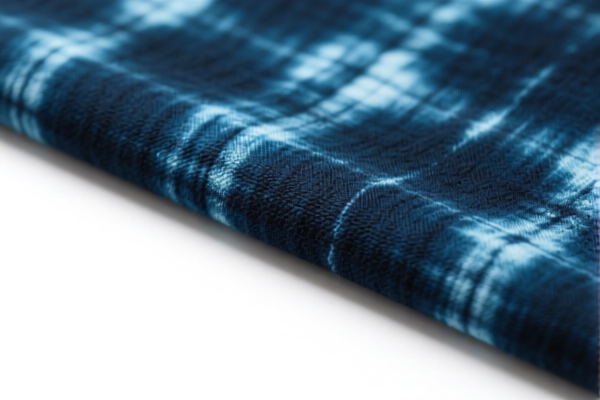
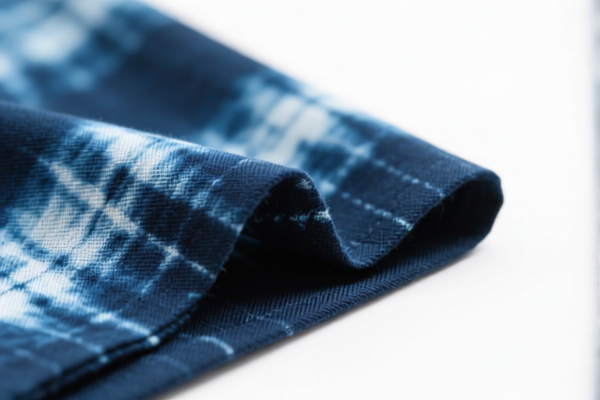
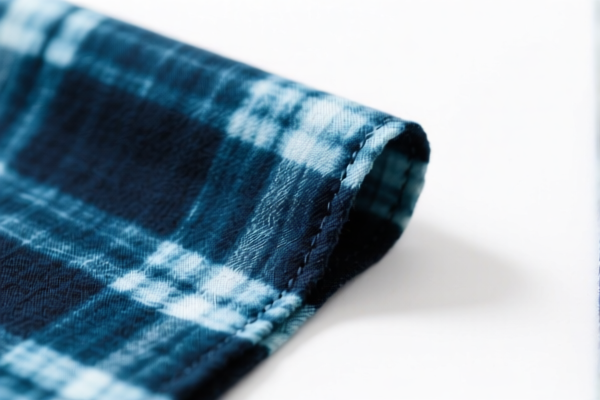
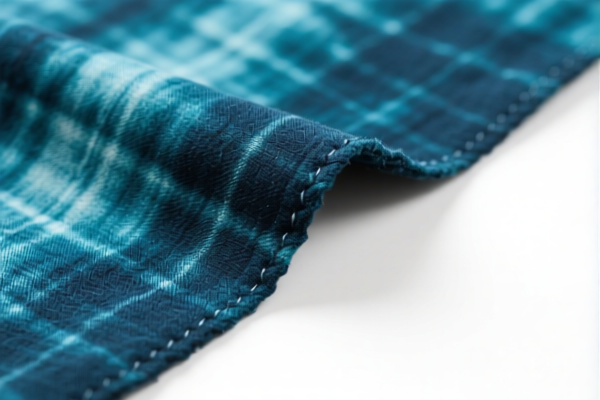
AI Analysis
🌟 4-Ply Twill Fabric (Non-Velvet, 200g/m²+)
🌐 HS Code Classification & Duty Guide | 2026 Updated Tariff Analysis | Proven Customs Clearance Strategy
📌 One Product, Multiple Codes — Why? Let’s Break It Down!
You're importing 4-ply twill fabric, non-velvet, weight ≥ 200g/m² — a heavy-duty, durable textile used in workwear, outerwear, industrial gear, and high-performance apparel.
But here’s the catch: this single product can be classified under 3 different HS Codes, depending on the fiber composition. The key lies in whether it’s 100% cotton, cotton/人造 fiber blend, or synthetic (like polyester).
⚠️ Critical Insight:
- If 100% cotton → HS Code 5211.12.00.20
- If cotton +人造 fiber (e.g., polyester) → HS Code 5211.32.00.20
- If 100% synthetic (e.g., polyester) → Not covered here (likely 5514.22.00.20)
Let’s dive into the exact classifications, tax breakdowns, and real-world clearance tips based on your data.
📦 二、HS Code Classification Breakdown (2026 Tariff Authority)
| HS Code | Product Description | Fiber Composition | Weight | Key Features |
|---|---|---|---|---|
5514.22.00.20 |
Polyester short-staple fiber, 3-ply or 4-ply twill fabric, non-pile, >170g/m² | 100% Polyester (Synthetic) | ≥200g/m² | Non-velvet, durable, wrinkle-resistant |
5211.12.00.20 |
Cotton twill fabric, 4-ply, non-pile, >170g/m² | 100% Cotton | ≥200g/m² | Natural fiber, breathable, classic workwear feel |
5211.32.00.20 |
Cotton &人造 fiber (e.g., polyester) blended twill fabric, 4-ply, non-pile, >170g/m² | Cotton +人造 fiber (e.g., 65% cotton / 35% polyester) | ≥200g/m² | Hybrid fabric: strength + wrinkle resistance |
🔍 Why So Many Codes?
The HS Code is fiber-specific. Even if the fabric looks the same, the material composition changes everything — including duty rates and trade policy exposure.
💰 三、2026 U.S. Tariff Breakdown (China-Origin Goods, Effective Nov 10, 2025)
✅ Applicable Country: United States (US)
✅ Origin: China (CN)
✅ Effective Date: November 10, 2025 (and ongoing)
🎯 1. 5514.22.00.20 — Polyester 4-Ply Twill Fabric (>170g/m²)
| Tax Item | Rate | Legal Basis |
|---|---|---|
| Base Duty | 14.9% | General Tariff (HTSUS) |
| Section 301 (USITC) Additional Duty | +25.0% | From USTR’s Section 301 List 3 |
| Section 122 (IEEPA) Emergency Duty | +10.0% | Under IEEPA (International Emergency Economic Powers Act) |
| Total Effective Duty | 49.9% | CIF × 49.9% |
| De Minimis Exemption? | ❌ No (denied) | |
| Legal Pathway | IEEPA:9903.01.25 → IEEPA:9903.01.24 → USITC:5514.22.00.20 → FOOTNOTE:9903.88.01 |
📌 Explanation:
- 14.9% base = standard U.S. tariff for polyester twill fabrics.
- +25% Section 301 = punitive tariff under U.S. trade law due to unfair Chinese trade practices.
- +10% IEEPA = emergency measure targeting China under national security concerns.
- Total: 49.9% — one of the highest textile tariffs in the U.S.🚨 Warning: Even if your fabric is not labeled “made in China”, if it’s originated from China, the full tariff applies.
🎯 2. 5211.12.00.20 — 100% Cotton 4-Ply Twill Fabric (>170g/m²)
| Tax Item | Rate | Legal Basis |
|---|---|---|
| Base Duty | 7.7% | HTSUS General Tariff |
| Section 301 (USITC) Additional Duty | +25.0% | USTR List 3 |
| Section 122 (IEEPA) Emergency Duty | +10.0% | IEEPA (National Security) |
| Total Effective Duty | 42.7% | CIF × 42.7% |
| De Minimis Exemption? | ❌ No | |
| Legal Pathway | IEEPA:9903.01.25 → IEEPA:9903.01.24 → USITC:5211.12.00.20 → FOOTNOTE:9903.88.01 |
📌 Explanation:
- 7.7% base = lower than synthetic, but still high.
- +25% +10% = same punitive structure as polyester.
- Total: 42.7% — still extremely high, especially for cotton.
- Note: This code applies only if 100% cotton. If even 1%人造 fiber is present, you must switch to 5211.32.00.20.
🎯 3. 5211.32.00.20 — Cotton &人造 Fiber Blended Twill Fabric (>170g/m²)
| Tax Item | Rate | Legal Basis |
|---|---|---|
| Base Duty | 8.1% | HTSUS General Tariff |
| Section 301 (USITC) Additional Duty | +25.0% | USTR List 3 |
| Section 122 (IEEPA) Emergency Duty | +10.0% | IEEPA (National Security) |
| Total Effective Duty | 43.1% | CIF × 43.1% |
| De Minimis Exemption? | ❌ No | |
| Legal Pathway | IEEPA:9903.01.25 → IEEPA:9903.01.24 → USITC:5211.32.00.20 → FOOTNOTE:9903.88.01 |
📌 Explanation:
- 8.1% base = slightly higher than 100% cotton due to blend.
- Same +25% +10% = identical punitive structure.
- Total: 43.1% — just above cotton, but still brutal.
- Critical: Even a 1% polyester content pushes you from 5211.12.00.20 to 5211.32.00.20 — no exceptions.🧪 Test Tip:
Use FTIR (Fourier Transform Infrared Spectroscopy) or fiber analysis to confirm blend ratio. Misclassification = massive overpayment + penalties.
🛠️ 四、Customs Clearance Best Practices (Real-World Pro Tips)
✅ 1. Must-Have Documentation (No Exceptions)
| Document | Why It’s Critical |
|---|---|
| ✅ Fiber Composition Certificate | Proves 100% cotton vs. blend vs. synthetic |
| ✅ Lab Test Report (e.g., AATCC, ISO 13934) | Confirms weight (≥200g/m²), ply count, tensile strength |
| ✅ Commercial Invoice | Must state: “4-ply twill fabric, non-velvet, 200g/m²+, [fiber content]” |
| ✅ Bill of Lading (B/L) | Proves shipment origin & route |
| ✅ Certificate of Origin (CO) | If from China, tariff applies; if from Vietnam/Mexico, may qualify for exemption |
| ✅ Product Photos (with label) | Shows weave, texture, and labeling |
| ✅ Third-Party Test Report (FCC, RoHS, REACH) | If used in electronics or medical gear |
✅ 2.申报技巧(Key Rules of Thumb)
🔥 “Fiber First, Weight Second, Blend Last!”
| Scenario | Correct HS Code | Wrong Code | Risk |
|---|---|---|---|
| 100% cotton, 200g/m² | 5211.12.00.20 |
5211.32.00.20 |
Pay 43.1% instead of 42.7% → extra $1,000s per container |
| 65% cotton / 35% polyester, 210g/m² | 5211.32.00.20 |
5211.12.00.20 |
Misclassification → penalties, audits, delays |
| 100% polyester, 205g/m² | 5514.22.00.20 |
5211.32.00.20 |
Pay 43.1% instead of 49.9% → $10K+ savings per shipment |
📌 Golden Rule:
Do NOT guess the fiber content.
Use lab testing.
Declare based on science, not assumption.
✅ 3. Special Cases & Workarounds
| Situation | Solution |
|---|---|
| Fabric from Vietnam, Mexico, or Thailand | Apply for IEEPA exemption → 0% duty (if eligible) |
| Fabric used in military or medical gear | Apply for non-commercial use exemption (requires proof) |
| OEM fabric for branded apparel | Include brand name + model number in invoice to avoid “generic” scrutiny |
| Re-imported fabric (returned) | May qualify for duty deferral or refund under U.S. Customs rules |
🌍 五、Global Market Duty Comparison (2026)
| Country | Recommended HS Code | Base Duty | Additional Taxes | Total Duty | Notes |
|---|---|---|---|---|---|
| 🇺🇸 United States (China origin) | 5514.22.00.20 |
14.9% | +25% +10% | 49.9% | Highest in world |
| 🇨🇳 China | 5514.22.00.20 |
5% | None | 5% | No extra tariffs |
| 🇪🇺 European Union | 5514.22.00.20 |
0% | None | 0% | CE/REACH compliance only |
| 🇦🇺 Australia | 5514.22.00.20 |
5% | None | 5% | No extra tariffs |
| 🇯🇵 Japan | 5514.22.00.20 |
0% | None | 0% | No additional duties |
📌 Insight:
- The U.S. is the only market with 40%+ textile tariffs on Chinese goods.
- China, EU, Australia, Japan treat synthetic and blended fabrics much more favorably.
📌 六、常见错误 & How to Avoid Them (Real Cases)
❌ Mistake 1: Declaring 100% cotton fabric as 5211.32.00.20
👉 Result: Pay 43.1% instead of 42.7% → $5,000+ extra per 20ft container
❌ Mistake 2: Using “cotton fabric” on invoice but fabric is 70% polyester
👉 Result: Misclassification, duty audits, penalties up to 100% of duty owed
❌ Mistake 3: Not testing fiber content before shipment
👉 Result: Detention at port, delayed release, re-testing costs
✅ Best Practice:
“Test before you ship. Declare based on lab results. Never guess.”
🎯 七、Conclusion: Precision Pays Off
🎯 Remember the Golden Rule:
🔹 “Fiber Determines Code. Code Determines Tax. Tax Determines Profit.”
🔹 If you’re importing from China → expect 43%–50% duty
🔹 If you’re importing from Vietnam/Mexico → 0% possible
🔹 If you’re unsure of fiber content → TEST FIRST
📌 Pro Tip:
✅ Apply for an Advance Ruling (Pre-Clearance) with U.S. Customs (CBP)
✅ Submit fiber test report + product photos + invoice
✅ Get official HS Code confirmation before shipment
📣 Take Action Now!
📞 Contact a licensed customs broker with textile expertise
📊 Request HS Code pre-ruling for your fabric
🔬 Send samples for fiber analysis
🚀 Avoid surprise tariffs. Protect your margins. Ship with confidence.
✨ Professional Clearance Starts with Accurate Classification!
💼 Your profit margin depends on the right HS Code. Don’t gamble.
Customer Reviews
About HS Code Classification
The Harmonized System (HS) is an internationally standardized nomenclature developed by the World Customs Organization (WCO) to classify traded products. Over 200 countries use the HS system as the basis for customs tariffs, trade statistics, and import/export regulations.
Each HS code follows a hierarchical structure:
- Chapter (2 digits) — Broad category of goods (e.g., Chapter 84: Machinery and Mechanical Appliances)
- Heading (4 digits) — More specific grouping within the chapter
- Subheading (6 digits) — Internationally standardized breakdown, used by all WCO member countries
- National subdivisions (8-10 digits) — Country-specific extensions for further classification, such as US HTSUS 10-digit codes
Correct HS code classification is essential for smooth customs clearance, accurate duty payment, and compliance with trade regulations. Misclassification can lead to customs delays, overpayment of duties, or penalties.
When importing from CN to US, the applicable tariff rates may include:
- Most-Favored-Nation (MFN) rate — The standard duty rate applied to WTO members
- General rate — Applied to countries without trade agreements
- Trade remedy duties — Additional tariffs such as Section 301 (anti-dumping), Section 232 (national security), or countervailing duties
The information provided on this page is for reference purposes only. For official classification, please consult with your local customs authority or a licensed customs broker.