4 ply Twill Fabric (Non Velvet, 200g+)
CN → US| HS Code | Tariff Rate | Origin | Destination | Doc |
|---|---|---|---|---|
| 5514220020 | 49.9% | CN | US | Official Doc |
| 5211120020 | 42.7% | CN | US | Official Doc |
| 5211320020 | 43.1% | CN | US | Official Doc |
| 5211320020 | 43.1% | CN | US | Official Doc |
| 5211320020 | 43.1% | CN | US | Official Doc |
Product Images
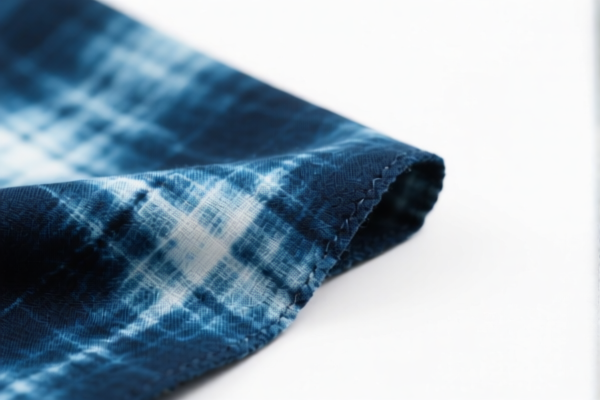
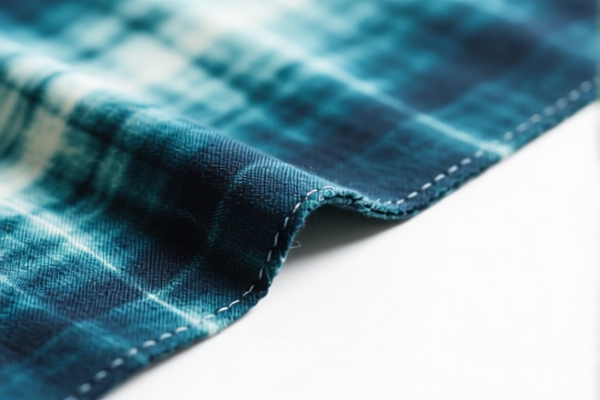
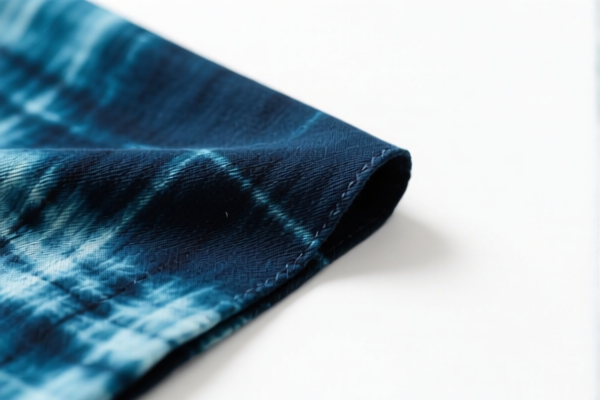
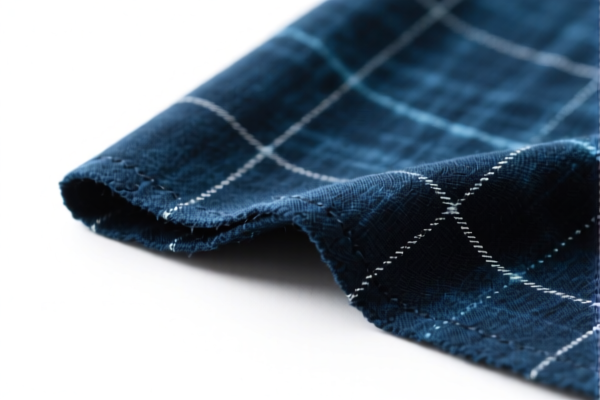
AI Analysis
🧵 4 Ply Twill Fabric (Non Velvet, 200g+)
🌐 HS Code Reference & Customs Clearance Guide | 2026 Latest Tariff Analysis | Professional Entry Strategy 📌 One. Product Definition & Classification: What is "4 Ply Twill" Really?
4 Ply Twill Fabric is a woven textile characterized by a twill weave structure (diagonal ribbing) constructed using four distinct yarns (ends) per repeat unit. The specification "Non Velvet" means the surface is smooth and finished, lacking the pile structure of velvets or velours. The "200g+" weight requirement indicates a heavy-duty fabric, typically exceeding 200 grams per square meter (g/m²), suitable for workwear, denim-style apparel, upholstery, or industrial applications.
In international trade, this product is classified based on its fiber content (Cotton vs. Polyester vs. Blend). The following HS Codes from the provided data cover the most common scenarios for this specific fabric type.
📦 Two. HS Code Classification Details (2026 Latest Tariff Authority Comparison)
Based on the provided data, here are the specific HS Codes for 4 Ply Non-Velvet Twill Fabrics, categorized by material.
| HS Code | Product Description | Key Characteristics | Fiber Composition |
|---|---|---|---|
| 5514.22.00.20 | Polyester Short Fiber Yarn 3/4 Ply Twill Fabric, Non-Brushed, Weight >170g/m² | • 3 or 4 Ply Twill • Non-Brushed/Non-Plushed • Weight >170g/m² (Includes 200g+) |
100% Polyester (or primarily synthetic short fibers) |
| 5211.12.00.20 | Cotton Twill Fabric, Not Brushed, 4 Ply Structure, Weight ≥200g/m² | • 4 Ply Twill • Not Brushed • Weight ≥200g/m² |
100% Cotton |
| 5211.32.00.20 | Cotton & Man-Made Fiber Blend Twill Fabric, Not Brushed, 4 Ply Structure | • 4 Ply Twill • Not Brushed • Weight Standard Compliance |
Cotton + Man-Made Fiber Blend (Mixed) |
🔍 Key Distinction: - If your fabric is Polyester, use 5514.22.00.20. - If your fabric is 100% Cotton, use 5211.12.00.20. - If your fabric is a Blend (e.g., Cotton/Polyester mix), use 5211.32.00.20. - Note: The data provided lists 5211.32.00.20 three times, but it refers to the same classification for Cotton/Man-Made blends.
💰 Three. 2026 Latest Tariff Rate Breakdown (Including Surtaxes & Policy Add-ons)
✅ Applicable Country: United States (US) ✅ Origin: China (CN) ✅ Effective Date: Current rates include Section 301 and Section 122 tariffs.
🎯 1. 5514.22.00.20 —— Polyester Short Fiber Twill Fabric (Non-Velvet, >170g/m²)
| Item | Content |
|---|---|
| Base Tariff Rate | 14.9% (Ad Valorem) |
| Section 301 Surcharge | +25.0% (Added Tariff) |
| Section 122 Surcharge | +10.0% (Specific 122 Clause Tariff) |
| Total Tax Rate | 49.9% |
| Tax Calculation | CIF Value × 49.9% |
| De Minimis Eligibility | ❌ No (High tariff item) |
| Legal Basis Path | Base: 5514.22.00.20 → Section 301: Footnote 9903.88.01 → Section 122: Specific Provision |
📌 Explanation: - The 14.9% is the standard MFN (Most Favored Nation) duty for polyester twill fabrics in this weight range. - The 25% is the standard Section 301 tariff applied to many Chinese textiles. - The 10% is an additional surcharge under Section 122 (often related to specific trade enforcement measures). - Total: 49.9% is a very high cost burden. Accurate fiber declaration is critical to avoid misclassification penalties.
🎯 2. 5211.12.00.20 —— 100% Cotton Twill Fabric (Non-Brushed, 4 Ply, ≥200g/m²)
| Item | Content |
|---|---|
| Base Tariff Rate | 7.7% (Ad Valorem) |
| Section 301 Surcharge | +25.0% (Added Tariff) |
| Section 122 Surcharge | +10.0% (Specific 122 Clause Tariff) |
| Total Tax Rate | 42.7% |
| Tax Calculation | CIF Value × 42.7% |
| De Minimis Eligibility | ❌ No |
| Legal Basis Path | Base: 5211.12.00.20 → Section 301: Footnote 9903.88.01 → Section 122: Specific Provision |
📌 Note: - Cotton fabrics generally have a lower base duty than polyester twills in this category. - However, the 25% + 10% surcharges remain the same, making the total 42.7%. - Ensure the fabric is truly 100% Cotton. If it contains any synthetic fiber, it may be reclassified to the blend code (5211.32.00.20).
🎯 3. 5211.32.00.20 —— Cotton & Man-Made Fiber Blend Twill (Non-Brushed, 4 Ply)
| Item | Content |
|---|---|
| Base Tariff Rate | 8.1% (Ad Valorem) |
| Section 301 Surcharge | +25.0% (Added Tariff) |
| Section 122 Surcharge | +10.0% (Specific 122 Clause Tariff) |
| Total Tax Rate | 43.1% |
| Tax Calculation | CIF Value × 43.1% |
| De Minimis Eligibility | ❌ No |
| Legal Basis Path | Base: 5211.32.00.20 → Section 301: Footnote 9903.88.01 → Section 122: Specific Provision |
📌 Important: - This code applies to blends (e.g., Cotton/Polyester). - The base rate is 8.1%, slightly higher than pure cotton but lower than polyester twill. - Total: 43.1%. - Data Note: The input data lists this code three times with identical details, confirming it is a single classification for blend twills.
🛠️ Four. Customs Clearance Practical Advice (Real-World Pitfall Avoidance)
✅ 1. Required Documentation Checklist (Non-Negotiable)
| Document | Mandatory? | Description |
|---|---|---|
| ✅ Product Specification Sheet | ✔️ | Must detail: Fiber content (%), Weight (g/m²), Weave (Twill), Ply count (4), Finish (Non-Velvet/Smooth). |
| ✅ Commercial Invoice | ✔️ | Must clearly state "Twill Fabric, 4 Ply, Non-Velvet, [Fiber Content]". |
| ✅ Packing List | ✔️ | Includes rolls length, width, and gross/net weight. |
| ✅ Fiber Content Test Report | ✔️ | Critical! Lab test confirming % of Cotton vs. Polyester vs. Blend. Misclassification leads to heavy fines. |
| ✅ Photos of Fabric | ✔️ | Show the twill diagonal pattern and smooth surface (confirming "Non-Velvet"). |
✅ 2. Declaration Tips (Key Mnemonics)
🔥 "Ply Counts Matter, Weight Defines Subhead, Fiber is King!"
| Scenario | Correct Declaration | Error Consequence |
|---|---|---|
| Polyester Twill | Use 5514.22.00.20 | Misreporting as Cotton → 42.7% vs 49.9% → Audit Risk |
| Cotton Twill (≥200g) | Use 5211.12.00.20 | Reporting weight <200g → Wrong subheading → Rejection |
| Blend Twill | Use 5211.32.00.20 | Reporting as 100% Cotton → Fraud/Penalty |
| Velvet/Plush | DO NOT use above codes | Velvet falls under different chapters (e.g., 5801/5802) → Higher Duties/Restrictions |
✅ 3. Special Handling
| Situation | Handling Advice |
|---|---|
| Weight Borderline | If weight is exactly 170-200g/m², ensure your lab report confirms it meets the specific threshold for the chosen HS Code. For 5514, it must be >170g. For 5211, it must be ≥200g. |
| "Non-Velvet" Proof | Provide fabric swatch images showing no pile/naps. If customs suspects velvet, they may inspect and misclassify, leading to delays. |
| 4 Ply Structure | Clearly state "4 Ply" in description. 3-ply fabrics may have different subheadings under 5514 or 5211. |
🌍 Five. Global Market Clearance Comparison (2026 Latest)
| Country/Region | Recommended HS Code | Tariff (China Origin) | Certification | Notes |
|---|---|---|---|---|
| 🇺🇸 USA | Varies (See Above) | 42.7% - 49.9% | None specific for fabric, but FDA/CPSIA if apparel | High tariffs due to Section 301 & 122. |
| 🇨🇳 China | Same HS Codes | 7% - 14.9% | None | Base rates apply, no surcharges. |
| 🇪🇺 EU | Varies (8451/5512 etc.) | 0% - 12% | REACH (Chemicals) | No Section 301. Lower base rates. |
| 🇬🇧 UK | Varies | 0% - 12% | UKCA (If apparel) | Post-Brexit rates similar to EU. |
| 🇲🇽 Mexico | Varies | 0% - 5% | None | USMCA benefits may apply if rules of origin met. |
📌 Conclusion: - The US is the most expensive market for these fabrics due to the 42-50% effective tariff rate. - European and Asian markets are significantly cheaper for clearance. - Supply Chain Strategy: If exporting to the US, consider value-added processing (e.g., dyeing, printing) in a non-China country to mitigate tariffs, though fiber origin still matters.
📌 Six. Common Errors & Pitfalls (Blood Lessons)
❌ Error 1: Confusing "4 Ply" with "4-Ply Yarn". 👉 Consequence: Misclassification as knitting fabric → Wrong Duty Rate. 💡 Fix: Clearly state "Woven Twill, 4-End Structure".
❌ Error 2: Ignoring the "Non-Velvet" condition. 👉 Consequence: If fabric has any nap, it may be classified as Brushed/Plushed → Higher Duty/Restricted. 💡 Fix: Provide microscopic or close-up photos proving smooth surface.
❌ Error 3: Misdeclaring Weight. 👉 Consequence: 5514.22 requires >170g/m². 5211.12 requires ≥200g/m². 💡 Fix: Use standardized lab test (e.g., ISO 3801) to confirm weight.
❌ Error 4: Overlooking Section 122. 👉 Consequence: Assuming only 25% tariff. 💡 Fix: Always calculate +10% for Section 122 on textile imports from China to the US.
✅ Correct Declaration Example:
"Woven Cotton/Polyester Blend Twill Fabric, 4 Ply, Non-Velvet Surface, Weight 220g/m², for Apparel Use, Model XYZ, Lab Test Attached."
🎯 Seven. Conclusion: Precision in Classification, Profit in Clearance!
🎯 Remember the Mnemonic:
🔹 "Poly >170g is 49.9%, Cotton ≥200g is 42.7%, Blend is 43.1%." 🔹 "Non-Velvet, 4 Ply, Check Weight, Avoid 100% Penalty!"
📌 Pro Tip:
If your fabric is Cotton, try to ensure it meets ≥200g/m² for the 5211.12 code (42.7%) rather than misdeclaring lighter blends. If your fabric is Polyester, the 49.9% rate is fixed. Consider HS Code optimization by checking if any finishing processes change the classification (e.g., coated fabrics).
📣 Immediate Action:
📞 Contact Customs Broker: Provide spec sheet + fiber test. 🚀 Apply for Advance Ruling: If shipping large volumes, get a pre-ruling from CBP to lock in the HS Code and avoid retroactive duties. 💼 Your Profit Margin Depends on This 0.4% Difference!
✨ Professional Clearance Starts with Accurate Classification! 💼 Every Percent Saved is Pure Profit!
Customer Reviews
About HS Code Classification
The Harmonized System (HS) is an internationally standardized nomenclature developed by the World Customs Organization (WCO) to classify traded products. Over 200 countries use the HS system as the basis for customs tariffs, trade statistics, and import/export regulations.
Each HS code follows a hierarchical structure:
- Chapter (2 digits) — Broad category of goods (e.g., Chapter 84: Machinery and Mechanical Appliances)
- Heading (4 digits) — More specific grouping within the chapter
- Subheading (6 digits) — Internationally standardized breakdown, used by all WCO member countries
- National subdivisions (8-10 digits) — Country-specific extensions for further classification, such as US HTSUS 10-digit codes
Correct HS code classification is essential for smooth customs clearance, accurate duty payment, and compliance with trade regulations. Misclassification can lead to customs delays, overpayment of duties, or penalties.
When importing from CN to US, the applicable tariff rates may include:
- Most-Favored-Nation (MFN) rate — The standard duty rate applied to WTO members
- General rate — Applied to countries without trade agreements
- Trade remedy duties — Additional tariffs such as Section 301 (anti-dumping), Section 232 (national security), or countervailing duties
The information provided on this page is for reference purposes only. For official classification, please consult with your local customs authority or a licensed customs broker.