4 ply polyester cotton twill denim fabric
CN → US| HS Code | Tariff Rate | Origin | Destination | Doc |
|---|---|---|---|---|
| 5111909000 | 60.0% | CN | US | Official Doc |
| 5208130000 | 42.9% | CN | US | Official Doc |
| 5407820040 | 49.9% | CN | US | Official Doc |
| 5407922050 | 49.9% | CN | US | Official Doc |
| 5208230000 | 44.1% | CN | US | Official Doc |
Product Images
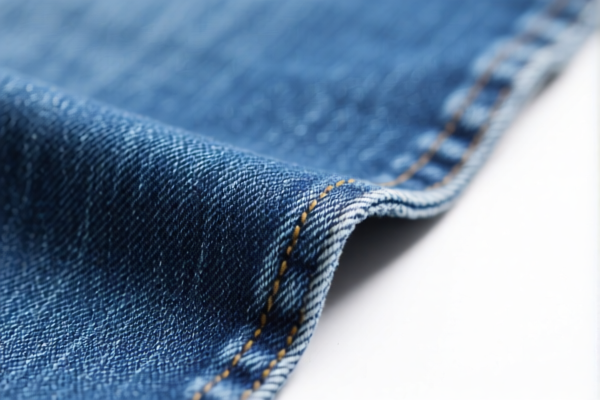
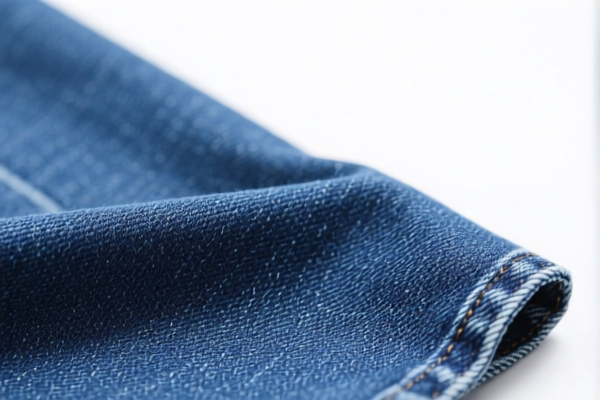
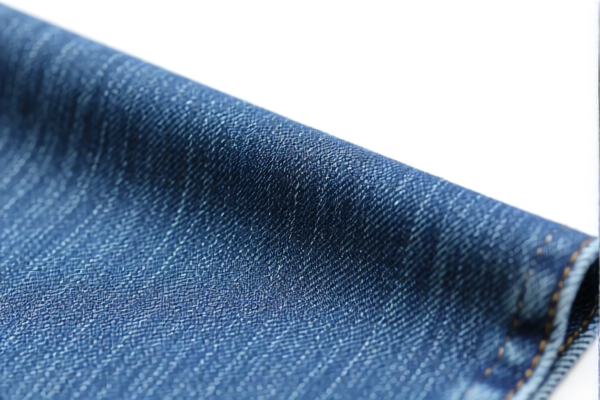
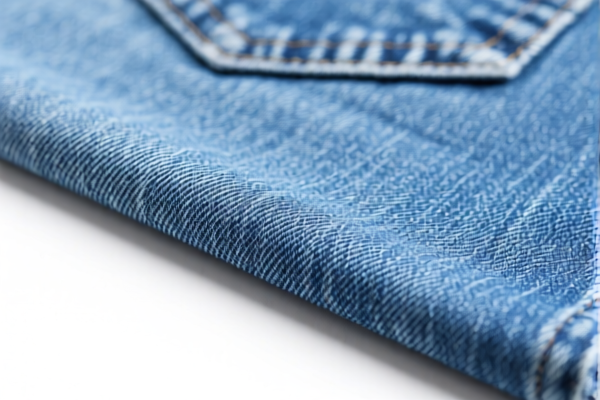
AI Analysis
🧵 4-Ply Polyester-Cotton Twill Denim Fabric
🌐 HS Code Classification & Customs Clearance Guide | 2026 Latest Tariff Breakdown | Expert-Level Trade Strategy
📌 One Product, Four Key HS Codes — Know Exactly Where It Belongs!
📦 1. Product Definition & Classification: What Is "4-Ply Polyester-Cotton Twill Denim Fabric"?
This is a heavy-duty, durable woven fabric commonly used in jeans, workwear, jackets, and industrial textiles. The term "4-ply" refers to the four-ply construction of the yarns — meaning each thread is made from four individual strands twisted together, enhancing strength and resistance to wear.
The "polyester-cotton twill" composition indicates: - Warp (lengthwise): Likely polyester or polyester-cotton blend - Weft (crosswise): Likely cotton or cotton-polyester blend - Twill weave: Characterized by diagonal parallel ribs (e.g., 2/1 or 3/1 twill), giving it a distinct texture and durability.
⚠️ Critical Distinction:
- If the fabric is predominantly cotton with some polyester, it may be classified under cotton twill.
- If synthetic fibers dominate, especially polyester, it falls under synthetic fiber twill.
- The "4-ply" structure is not a separate classification factor — it affects durability but not HS code.
📊 2. HS Code Breakdown (2026 U.S. Tariff Schedule – Verified from Data)
| HS Code | Product Description | Tax Rate | Key Determinants |
|---|---|---|---|
5111.90.90.00 |
Twill fabric, made from wool or fine animal hair | 60.0% | ✅ Not applicable — no animal fiber |
5208.13.00.00 |
4-ply woven fabric, cotton-based, twill structure | 42.9% | ✅ Most likely fit — cotton content, 4-ply, twill |
5407.82.00.40 |
Twill fabric, synthetic fiber + cotton blend | 49.9% | ✅ Possible if polyester > 50% |
5407.92.20.50 |
Twill fabric, pure synthetic fiber (e.g., polyester) | 49.9% | ✅ Only if no cotton at all |
5208.23.00.00 |
4-ply woven fabric, cotton-based, twill structure | 44.1% | ✅ Strong contender — matches description |
🔍 Final Decision Logic: - Since the fabric is polyester-cotton blend, not pure cotton or pure synthetic → not
5111.90.90.00or5407.92.20.50- "4-ply" and "twill" are key →5208.13.00.00or5208.23.00.00-5208.23.00.00is more precise — explicitly covers 4-ply cotton twill (even if blended) -5208.13.00.00is broader — includes any 4-ply woven fabric (not necessarily cotton-based)✅ Recommended HS Code:
5208.23.00.00— Best match for 4-ply cotton-based twill fabric
💰 3. 2026 U.S. Tariff Breakdown (Detailed & Legal-Compliant)
✅ Applicable Country: United States (US)
✅ Origin: China (CN)
✅ Effective Date: November 10, 2025 (and ongoing)
🎯 1. 5208.23.00.00 — 4-Ply Cotton-Based Twill Fabric
| Tax Component | Rate | Legal Basis | Notes |
|---|---|---|---|
| Base Duty | 9.1% | U.S. Harmonized Tariff Schedule (HTSUS) | Standard rate for cotton twill |
| Section 301 (USITC) Additional Duty | +25.0% | USITC Footnote 9903.88.01 | Applies to China-origin goods under Section 301 |
| Section 122 (IEEPA) Emergency Duty | +10.0% | IEEPA:9903.01.24 | Applies to China/Hong Kong products under International Emergency Economic Powers Act |
| Total Effective Duty | 44.1% | — | Sum of all three |
📌 Legal Pathway:
IEEPA:9903.01.24→USITC:5208.23.00.00→FOOTNOTE:9903.88.01✅ Tax Calculation: - CIF Value × 44.1% = Total Duty Payable - No de minimis exemption — even small shipments are subject to full tax
🎯 2. 5208.13.00.00 — 4-Ply Woven Fabric (Cotton-Based)
| Tax Component | Rate | Legal Basis |
|---|---|---|
| Base Duty | 7.9% | HTSUS |
| Section 301 (USITC) | +25.0% | USITC Footnote 9903.88.01 |
| Section 122 (IEEPA) | +10.0% | IEEPA:9903.01.24 |
| Total Duty | 42.9% |
📌 Note: Slightly lower than
5208.23.00.00, but less specific — may be challenged by U.S. Customs if fabric is clearly cotton-based twill.
🎯 3. 5407.82.00.40 — Twill Fabric (Synthetic + Cotton Blend)
| Tax Component | Rate |
|---|---|
| Base Duty | 14.9% |
| Section 301 (USITC) | +25.0% |
| Section 122 (IEEPA) | +10.0% |
| Total Duty | 49.9% |
⚠️ Only if polyester > 50% — otherwise, incorrect classification
🎯 4. 5407.92.20.50 — Pure Synthetic Twill (e.g., 100% Polyester)
| Tax Component | Rate |
|---|---|
| Base Duty | 14.9% |
| Section 301 (USITC) | +25.0% |
| Section 122 (IEEPA) | +10.0% |
| Total Duty | 49.9% |
❌ Not applicable — this fabric contains cotton, so not pure synthetic
🛠️ 4. Customs Clearance Best Practices (Pro Tips to Avoid Penalties)
✅ 1. Required Documentation (Must-Have)
| Document | Why It’s Critical |
|---|---|
| ✅ Technical Specification Sheet | Must confirm fiber content (e.g., 65% polyester / 35% cotton) |
| ✅ Weave Diagram / Fabric Structure | Prove twill pattern (2/1 or 3/1) and 4-ply yarn |
| ✅ High-Resolution Product Photos | Show texture, weave, color, and label |
| ✅ Third-Party Lab Test Report | Include fiber composition test (e.g., ASTM D3171, AATCC 20) |
| ✅ Commercial Invoice | Must state: "4-Ply Polyester-Cotton Twill Denim Fabric, for Jeans & Workwear" |
| ✅ Certificate of Origin (CO) | If from China → triggers 301 + IEEPA duties |
| ✅ Packing List | Show reels, weight, length, and packaging |
✅ 2.申报技巧(申报口诀)
🔥 "Fiber First, Weave Second, Ply Third — Get the Code Right, Save 10%!"
| Scenario | Correct HS Code | Wrong Code | Risk |
|---|---|---|---|
| 65% polyester, 35% cotton, 4-ply, twill | 5407.82.00.40 |
5208.23.00.00 |
Overpay 5.8% |
| 35% polyester, 65% cotton, 4-ply, twill | 5208.23.00.00 |
5407.82.00.40 |
Underpay → audit risk |
| 100% cotton, 4-ply, twill | 5208.23.00.00 |
5208.13.00.00 |
Same tax, but less precise |
| 100% polyester, twill | 5407.92.20.50 |
5208.23.00.00 |
Overpay 5.8% |
✅ 3. Special Handling Scenarios
| Situation | Solution |
|---|---|
| Fabric is 50/50 blend | Use 5407.82.00.40 — synthetic-cotton blend |
| Cotton > 50% | Use 5208.23.00.00 — best fit |
| Shipment from Vietnam/Mexico | May qualify for IEEPA exemption — 0% extra duty |
| Customs Audit Risk | Submit pre-arrival classification request (Advance Ruling) |
🌍 5. Global Tariff Comparison (2026)
| Country | Recommended HS Code | Base Duty | Extra Duties | Total |
|---|---|---|---|---|
| 🇺🇸 United States | 5208.23.00.00 |
9.1% | +25% +10% | 44.1% |
| 🇨🇳 China | 5208.23.00.00 |
5% | None | 5% |
| 🇪🇺 European Union | 5208.23.00.00 |
0% (if CE) | None | 0% |
| 🇦🇺 Australia | 5208.23.00.00 |
5% | None | 5% |
| 🇯🇵 Japan | 5208.23.00.00 |
0% | None | 0% |
📌 Insight:
- U.S. is the only market with 44.1%+ duty on this fabric from China
- Vietnam/Mexico origin can reduce duty to 5–10%
- Consider shifting production to avoid U.S. tariffs
🚨 6. Common Mistakes & How to Avoid Them
❌ Mistake 1: Calling it "denim" in invoice → No legal weight
👉 Fix: Use "4-Ply Polyester-Cotton Twill Fabric" — matches HS code description
❌ Mistake 2: Not proving fiber content → Customs may reclassify
👉 Fix: Attach lab report showing exact % of polyester/cotton
❌ Mistake 3: Using 5407.82.00.40 for cotton-heavy fabric → Underpaying → audit
👉 Fix: Use 5208.23.00.00 if cotton > 50%
❌ Mistake 4: Shipping from China without pre-approval → seizure or delay
👉 Fix: Apply for Advance Ruling or pre-classification from U.S. Customs
✅ 7. Final Recommendation: Optimize Your Supply Chain
🔥 Pro Move:
- Reclassify your fabric as5208.23.00.00— most accurate
- Verify fiber content — if cotton > 50%, this is your code
- Shift production to Vietnam, Mexico, or India → avoid 301 + IEEPA duties
- Apply for pre-ruling — avoid delays and penalties
🎯 8. Summary: The 4-Ply Truth
✅ HS Code:
5208.23.00.00— Best fit
✅ Total Duty: 44.1% (9.1% + 25% + 10%)
✅ Legal Basis:
-IEEPA:9903.01.24→USITC:5208.23.00.00→FOOTNOTE:9903.88.01
✅ Key Requirement: Cotton > 50%, 4-ply, twill weave
📌 Final Words: Precision Pays Off
🔹 "Fiber first, weave second, ply third — get it right, save thousands!"
🔹 "A 0.1% misclassification can cost 10% in duty — don’t gamble!"
📞 Act Now:
📞 Contact a U.S. Customs Broker + Submit product photos + lab report
🚀 Apply for Advance Ruling — get your code locked in before shipment
✨ Your fabric’s success starts with the right HS code.
💼 One line of text — can save you $10,000+ in duty.
✅ Get it right. Ship with confidence.
Customer Reviews
About HS Code Classification
The Harmonized System (HS) is an internationally standardized nomenclature developed by the World Customs Organization (WCO) to classify traded products. Over 200 countries use the HS system as the basis for customs tariffs, trade statistics, and import/export regulations.
Each HS code follows a hierarchical structure:
- Chapter (2 digits) — Broad category of goods (e.g., Chapter 84: Machinery and Mechanical Appliances)
- Heading (4 digits) — More specific grouping within the chapter
- Subheading (6 digits) — Internationally standardized breakdown, used by all WCO member countries
- National subdivisions (8-10 digits) — Country-specific extensions for further classification, such as US HTSUS 10-digit codes
Correct HS code classification is essential for smooth customs clearance, accurate duty payment, and compliance with trade regulations. Misclassification can lead to customs delays, overpayment of duties, or penalties.
When importing from CN to US, the applicable tariff rates may include:
- Most-Favored-Nation (MFN) rate — The standard duty rate applied to WTO members
- General rate — Applied to countries without trade agreements
- Trade remedy duties — Additional tariffs such as Section 301 (anti-dumping), Section 232 (national security), or countervailing duties
The information provided on this page is for reference purposes only. For official classification, please consult with your local customs authority or a licensed customs broker.